


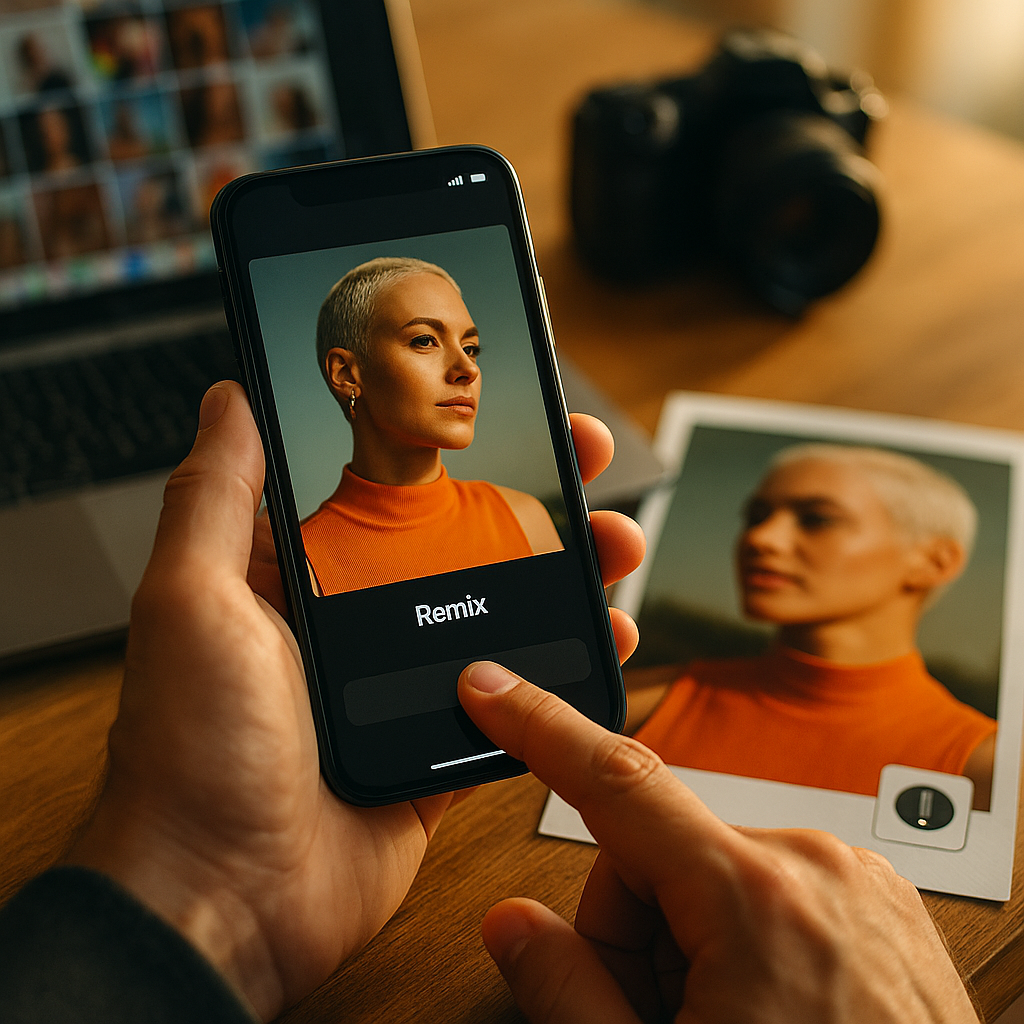
A platform’s recommendation engine grabs your influencer’s sponsored post, strips the caption, slaps it into a remix reel with three other creators’ clips, and serves it to two million people with zero disclosure. Who’s liable? Right now, almost nobody’s contract answers that question. The brand liability gap created by algorithmic remixing is quietly becoming one of the biggest unpriced risks in influencer marketing.
This isn’t a hypothetical. TikTok’s remix and “Stitch” tools, Instagram’s Reels remix, and YouTube’s Shorts remix all let the platform (or other users) recombine sponsored content into new formats. Once that happens, the original #ad tag often disappears, the context collapses, and the FTC’s disclosure requirement gets orphaned. Nobody drafted for this. Most influencer agreements were written for static, single-post placements, not for content that mutates after publication.
Why This Gap Exists — And Why It’s Getting Worse
Every major platform has spent the last two years pushing generative and algorithmic remix features as engagement drivers. TikTok’s generative remix tools let users legally splice sponsored clips into new videos automatically, a shift we broke down in our analysis of TikTok’s remix contract clause. Meta and YouTube are following similar playbooks, using AI to auto-generate compilation content from existing posts, including sponsored ones.
The problem is structural. Disclosure rules were built around a simple model: one creator, one post, one sponsor, one disclosure tag attached at the point of publication. Algorithmic remixing breaks every link in that chain. The platform — not the brand, not the creator — decides what gets pulled, recombined, and redistributed. Yet under FTC guidance, the brand can still be treated as the party that “should have known” its content might be repurposed without proper disclosure.
The core issue isn’t whether disclosure disappears — it’s that three parties (brand, creator, platform) each assume someone else is responsible for keeping it attached.
According to eMarketer, influencer marketing spend in the U.S. is projected to keep climbing past $9 billion, and a growing share of that budget flows through platforms with active remix or auto-compilation features. Scale up spend, scale up remix exposure, and you’ve got a liability surface that’s expanding faster than most legal teams are tracking it.
What the FTC Actually Cares About
The FTC doesn’t regulate algorithms. It regulates deceptive advertising practices, and it holds brands accountable for the “net impression” a piece of content creates, regardless of who technically published it. That means if a platform’s remix engine takes your sponsored content and redistributes it without a disclosure, the FTC can still ask why your brand didn’t have controls in place to prevent or catch that outcome.
This is the same logic underpinning the five-question test for brand-directed FTC liability: control, knowledge, benefit, correction ability, and pattern of conduct. Algorithmic remixing complicates every one of those factors, but it doesn’t erase them. If your brand benefited from the extra reach a remix generated, expect that to weigh against you in an enforcement review.
Compare this to the whitelisting problem covered in our piece on whitelisted creator ads: content can be simultaneously FTC-compliant and platform-noncompliant, or vice versa. Algorithmic remix adds a third failure mode — content that was compliant at publication but becomes noncompliant after platform-driven transformation. None of the standard playbooks were written for that.
The Three-Party Blind Spot
Ask any brand’s legal team who’s responsible for disclosure on remixed content, and you’ll get three different answers depending on who you ask.
- Brands assume the creator’s original disclosure travels with the content, wherever it ends up.
- Creators assume once they’ve disclosed properly at publication, their contractual obligation ends.
- Platforms treat remix and repurposing as a feature of the user experience, with disclosure preservation as a “best effort,” not a guarantee.
Nobody’s wrong, exactly. But nobody’s contractually on the hook either. That’s the gap. And it’s structurally similar to the algorithm-change risk we detailed in our force majeure clause breakdown for creator deals — except disclosure liability is worse, because it’s not just a performance risk. It’s a regulatory one, with real financial penalties attached.
Think about a beauty brand running a paid campaign with a mid-tier creator. The original post is properly tagged. Two weeks later, a platform’s AI-curated “trending remix” compiles a 30-second highlight reel using clips from that post alongside four others, no sponsor tags anywhere. It gets 4 million views. The brand’s product is clearly visible. There’s no disclosure. Who answers for that?
Drafting Language That Actually Assigns Responsibility
Waiting for regulators to sort this out is a losing strategy. The smarter move is building disclosure-assignment language directly into creator and platform-facing contracts now, before an enforcement action forces the issue.
Here’s what belongs in that clause:
- Persistent disclosure obligation. Require creators to embed disclosure in on-screen text or burned-in captions, not just platform metadata tags, since metadata is often stripped during remix processing.
- Remix monitoring duty. Assign the creator (or a designated agency/tool) responsibility for monitoring official platform remix features and flagging derivative content featuring the brand within a defined window, say 48-72 hours.
- Platform opt-out requirement. Where platforms offer settings that limit remix/reuse of sponsored content, require creators to enable them as a condition of payment.
- Indemnification carve-out. Specify that creators are not liable for platform-side algorithmic remixing they didn’t initiate or approve, but that they must cooperate with takedown requests once notified.
- Brand audit rights. Give the brand the contractual right to conduct periodic remix audits and require the creator to assist in identifying non-compliant derivative content.
The goal isn’t to make creators liable for platform behavior they can’t control — it’s to make sure someone is contractually obligated to watch for it and act.
This approach mirrors the strategy laid out in our guide to AI remix rights clauses, which focuses more on ownership and usage rights. Disclosure responsibility is the companion clause: remix rights determine who can reuse the content, disclosure assignment determines who’s on the hook when reuse creates a compliance gap.
Where Vendor and Platform Contracts Fit In
Brand-creator contracts are only half the equation. The other half is your relationship with the platform or the AI-matching vendor facilitating the campaign. If you’re sourcing creators through an algorithmic matching platform, you need contract language addressing what happens when that same platform’s remix tools touch your sponsored content downstream.
This is an extension of the due diligence work covered in our vendor risk assessment template for AI creator-matching platforms. Ask vendors directly: does your platform’s remix or compilation feature preserve sponsor disclosure tags? If not, what’s your process for flagging brand-tagged content before it enters automated remix pipelines? Get the answer in writing, not in a sales call.
Brands running agentic or automated ad-buying programs should also look at how remix risk interacts with algorithmic buying decisions. Our coverage of AI ad-buying agents auditing vendor contracts found that few procurement teams have added remix-specific liability language to their vendor agreements at all. That’s a gap worth closing before your next platform renewal, not after an FTC letter arrives.
What Enforcement Might Actually Look Like
Nobody’s issued a landmark ruling specifically on algorithmic remix disclosure yet. But the regulatory groundwork is already visible. The FTC’s endorsement guides emphasize that disclosures must be “clear and conspicuous” in whatever format the content ultimately reaches consumers — not just the format it was originally published in. Read literally, that standard already covers remixed derivatives.
State-level activity adds pressure too. Laws targeting AI-driven advertising disclosure, like the framework discussed in our coverage of New Jersey’s AI ad disclosure bill, are increasingly written broadly enough to capture algorithmically-modified content, not just AI-generated content from scratch. Brands operating across multiple states should assume regulators will eventually connect remix distribution to existing disclosure statutes, because the underlying consumer harm — deceptive impression, no matter the format — is identical.
Check the FTC’s official guidance periodically; enforcement priorities shift, and remix-specific guidance could arrive faster than most legal teams expect given how fast these platform features are scaling.
Building the Operational Habit, Not Just the Clause
Contract language solves half the problem. The other half is operational: someone on your team (or your agency’s team) actually has to monitor for remixed derivatives and act when they find noncompliant ones. That means:
- Setting up branded content monitoring that flags derivative/remix versions of sponsored posts, not just the originals.
- Building a takedown or disclosure-correction workflow with defined response-time SLAs.
- Training creators on how to enable platform-level remix restrictions before campaigns go live, not after a problem surfaces.
- Logging every remix incident and resolution for audit purposes, the same way you’d document any other compliance exception.
Tools like Sprout Social and native platform analytics dashboards (see Meta Business Suite and TikTok Ads Manager) increasingly offer branded content tracking that can help surface derivative versions, though none of them fully solve the remix-disclosure gap on their own. Treat them as a monitoring layer, not a compliance guarantee.
Brands that get ahead of this now will have a real advantage when enforcement eventually catches up. Those that wait will be drafting contract language reactively, under regulatory pressure, with much less negotiating leverage over creators and platforms alike.
Next step: Pull your current standard creator contract template and check whether it contains any remix-specific disclosure language at all. If it doesn’t, that’s your first draft to fix this quarter, not next year.
FAQs
Who is legally responsible when a platform’s algorithm removes disclosure from sponsored content?
Under current FTC guidance, the brand generally retains responsibility because the agency evaluates the “net impression” a consumer receives, regardless of which party technically caused the disclosure to disappear. Creators and platforms can share operational responsibility through contract language, but regulatory liability typically still lands on the brand as the advertiser.
Can a brand contractually shift disclosure liability entirely to the creator?
No. Regulators evaluate liability based on control and benefit, not contract terms alone. A brand can assign monitoring and cooperation duties to a creator, but it cannot fully outsource its own regulatory exposure through indemnification language.
What contract clause best addresses algorithmic remix disclosure risk?
A persistent disclosure clause combined with a remix monitoring duty works best. It requires burned-in visual disclosure (not just metadata tags) and assigns a specific party the job of watching for and flagging derivative remix content within a set timeframe.
Do platform remix tools strip disclosure tags automatically?
It varies by platform and feature. Some remix tools preserve original captions and tags; others generate new compilation formats that drop metadata entirely. Brands should confirm this directly with platform representatives and document the answer rather than assuming consistent behavior.
How does this issue relate to AI remix rights clauses?
Remix rights clauses govern who can reuse or transform content and under what terms. Disclosure assignment clauses are a companion piece, addressing what happens to compliance obligations once that reuse occurs. Brands need both, not one or the other.
FAQs
Who is legally responsible when a platform’s algorithm removes disclosure from sponsored content?
Under current FTC guidance, the brand generally retains responsibility because the agency evaluates the “net impression” a consumer receives, regardless of which party technically caused the disclosure to disappear. Creators and platforms can share operational responsibility through contract language, but regulatory liability typically still lands on the brand as the advertiser.
Can a brand contractually shift disclosure liability entirely to the creator?
No. Regulators evaluate liability based on control and benefit, not contract terms alone. A brand can assign monitoring and cooperation duties to a creator, but it cannot fully outsource its own regulatory exposure through indemnification language.
What contract clause best addresses algorithmic remix disclosure risk?
A persistent disclosure clause combined with a remix monitoring duty works best. It requires burned-in visual disclosure (not just metadata tags) and assigns a specific party the job of watching for and flagging derivative remix content within a set timeframe.
Do platform remix tools strip disclosure tags automatically?
It varies by platform and feature. Some remix tools preserve original captions and tags; others generate new compilation formats that drop metadata entirely. Brands should confirm this directly with platform representatives and document the answer rather than assuming consistent behavior.
How does this issue relate to AI remix rights clauses?
Remix rights clauses govern who can reuse or transform content and under what terms. Disclosure assignment clauses are a companion piece, addressing what happens to compliance obligations once that reuse occurs. Brands need both, not one or the other.
Top Influencer Marketing Agencies
The leading agencies shaping influencer marketing in 2026
Agencies ranked by campaign performance, client diversity, platform expertise, proven ROI, industry recognition, and client satisfaction. Assessed through verified case studies, reviews, and industry consultations.
Moburst

-
2

The Shelf
Boutique Beauty & Lifestyle Influencer AgencyA data-driven boutique agency specializing exclusively in beauty, wellness, and lifestyle influencer campaigns on Instagram and TikTok. Best for brands already focused on the beauty/personal care space that need curated, aesthetic-driven content.Clients: Pepsi, The Honest Company, Hims, Elf Cosmetics, Pure LeafVisit The Shelf → -
3

Audiencly
Niche Gaming & Esports Influencer AgencyA specialized agency focused exclusively on gaming and esports creators on YouTube, Twitch, and TikTok. Ideal if your campaign is 100% gaming-focused — from game launches to hardware and esports events.Clients: Epic Games, NordVPN, Ubisoft, Wargaming, Tencent GamesVisit Audiencly → -
4

Viral Nation
Global Influencer Marketing & Talent AgencyA dual talent management and marketing agency with proprietary brand safety tools and a global creator network spanning nano-influencers to celebrities across all major platforms.Clients: Meta, Activision Blizzard, Energizer, Aston Martin, WalmartVisit Viral Nation → -
5

The Influencer Marketing Factory
TikTok, Instagram & YouTube CampaignsA full-service agency with strong TikTok expertise, offering end-to-end campaign management from influencer discovery through performance reporting with a focus on platform-native content.Clients: Google, Snapchat, Universal Music, Bumble, YelpVisit TIMF → -
6

NeoReach
Enterprise Analytics & Influencer CampaignsAn enterprise-focused agency combining managed campaigns with a powerful self-service data platform for influencer search, audience analytics, and attribution modeling.Clients: Amazon, Airbnb, Netflix, Honda, The New York TimesVisit NeoReach → -
7

Ubiquitous
Creator-First Marketing PlatformA tech-driven platform combining self-service tools with managed campaign options, emphasizing speed and scalability for brands managing multiple influencer relationships.Clients: Lyft, Disney, Target, American Eagle, NetflixVisit Ubiquitous → -
8

Obviously
Scalable Enterprise Influencer CampaignsA tech-enabled agency built for high-volume campaigns, coordinating hundreds of creators simultaneously with end-to-end logistics, content rights management, and product seeding.Clients: Google, Ulta Beauty, Converse, AmazonVisit Obviously →