


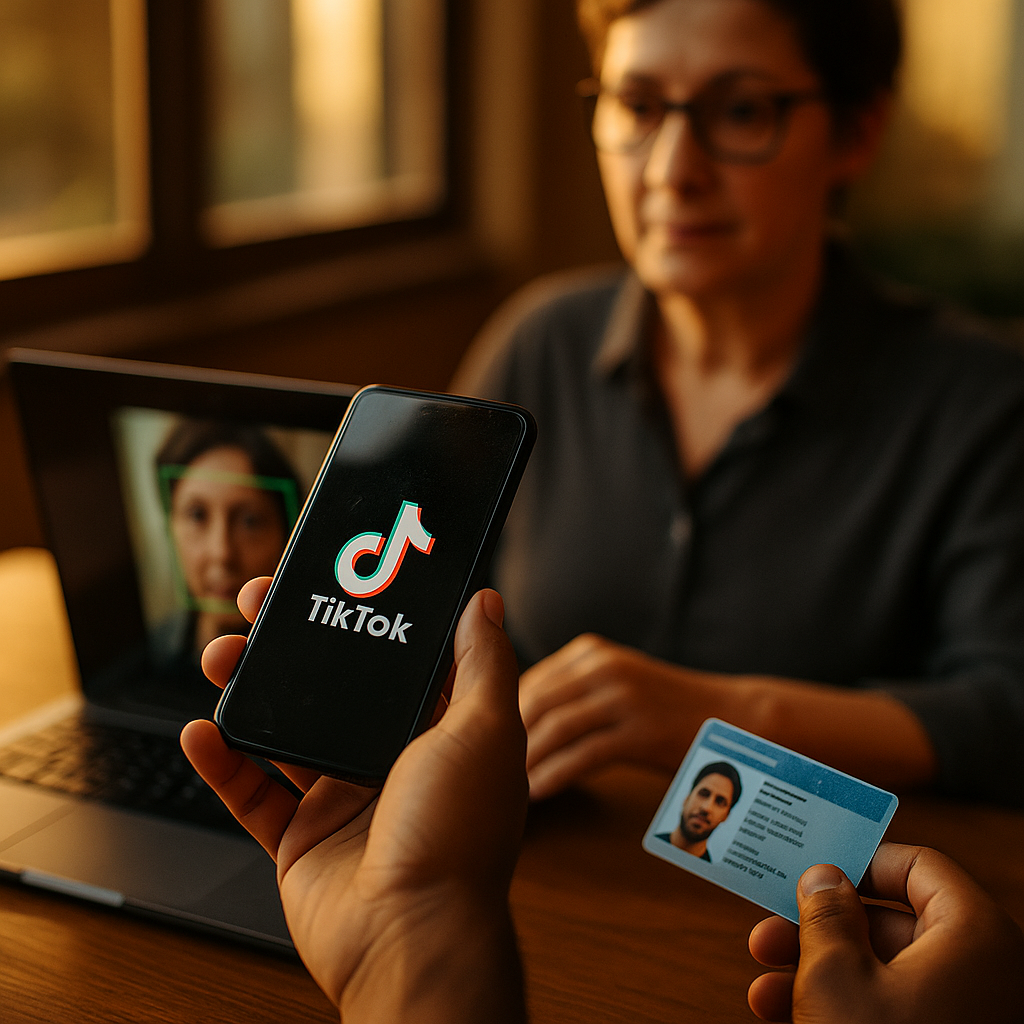
TikTok removed over 90 million counterfeit listings from TikTok Shop in a single enforcement sweep last year. If your brand isn’t enrolled in Real IP Verification yet, every one of those fakes was competing for your customer’s attention, and your wallet share, while you sat on the sidelines. This is the merchant onboarding guide for brands who haven’t started.
Why “Not Enrolled Yet” Is Now a Business Risk, Not a To-Do List Item
Let’s be blunt. TikTok Shop’s anti-counterfeit infrastructure isn’t a nice-to-have compliance badge anymore. It’s the gatekeeping mechanism that determines whether your brand’s products show up in search with a verified badge, whether your takedown requests get processed in hours or weeks, and whether counterfeiters using your trademark get buried or amplified by the algorithm.
Brands that delay enrollment are effectively ceding ground. Counterfeiters move fast on live commerce platforms because the barrier to listing a knockoff is low and the payout window is short. TikTok Shop’s Real IP Verification program exists specifically to close that gap, but only for merchants who’ve actually gone through the process.
Unverified brand accounts on TikTok Shop take, on average, three to five times longer to get counterfeit listings removed compared to verified IP holders in the program.
If you’re a mid-market or enterprise brand selling through TikTok Shop, or even just monitoring organic mentions of your product line, this delay compounds. Every week without verification is a week counterfeiters get to build reviews, seller ratings, and search visibility using your brand equity.
What Real IP Verification Actually Does
Real IP Verification is TikTok’s system for confirming that a business or individual claiming ownership of a trademark, patent, or copyright is who they say they are. Once verified, that IP record becomes the reference point for TikTok’s automated and manual enforcement systems.
Practically, this means:
- Faster takedowns. Verified rights holders get expedited review queues, not the standard complaint pipeline.
- Bulk reporting tools. Instead of flagging one counterfeit listing at a time, verified merchants can submit batch takedown requests.
- Search and ranking protection. TikTok Shop’s discovery algorithm deprioritizes flagged counterfeit sellers once a match is confirmed against your verified IP.
- Direct escalation paths. Verified brands get access to TikTok’s IP Protection Portal support team rather than general merchant support.
None of this happens automatically. You have to apply, submit documentation, and get approved. That’s the part most brand teams underestimate.
The Documentation Wall Most Brands Hit First
Here’s where enrollment stalls for a lot of marketing teams: the legal paperwork lives with a different department than the one running the TikTok Shop storefront. Marketing wants to move fast. Legal wants precision. That mismatch is the single biggest reason brands stay unenrolled for months longer than necessary.
You’ll need to gather:
- Proof of trademark registration — a live, active registration certificate from a recognized trademark office (USPTO, EUIPO, UKIPO, or equivalent), not a pending application.
- Business verification documents — articles of incorporation, business license, or equivalent entity registration matching the name on the trademark.
- Authorized representative ID — government-issued identification for whoever is submitting the application on the brand’s behalf.
- Proof of authorization — if an agency or a third-party legal team is filing on the brand’s behalf, TikTok requires a signed letter of authorization tying that person to the brand entity.
- Product-to-trademark mapping — evidence connecting your registered mark to the actual SKUs sold in your TikTok Shop storefront.
Get this bundle assembled before you start the application. Submitting incomplete documentation is the number one cause of rejected or delayed applications, according to merchant feedback shared across seller forums and agency case notes.
Step-by-Step: The Enrollment Sequence
Step 1: Confirm TikTok Shop Seller Account Status. You cannot apply for Real IP Verification without an active, approved TikTok Shop seller account tied to the entity holding the trademark. If your brand sells through a distributor or reseller model, this gets complicated fast — the seller account and the trademark holder need to match, or you need documented authorization bridging the two.
Step 2: Access the IP Protection Portal. This lives inside TikTok’s Seller Center, separate from the general Shop dashboard. Brands new to the ecosystem often don’t realize this portal exists until a counterfeit problem forces them to look for it. Don’t wait for that trigger.
Step 3: Submit the Real IP Verification Application. Upload your documentation bundle, specify the trademark classes relevant to your product categories, and list the storefront(s) tied to your brand.
Step 4: Wait for Review. TikTok’s review window varies, but brands should budget two to four weeks for initial processing. Complex cases involving multiple entities, licensing arrangements, or international trademark registrations can take longer.
Step 5: Respond to Follow-Up Requests Immediately. TikTok’s review team frequently comes back with clarifying questions, especially around entity name mismatches or trademark class ambiguity. Slow responses here are the second-biggest cause of enrollment delay.
Step 6: Confirm Activation and Test the Reporting Flow. Once approved, don’t just file the confirmation email away. Run a test takedown request (if you already have known counterfeit listings) to confirm your account has full access to bulk reporting tools and priority queues.
Brands that treat verification as a one-time task, rather than an operational capability, tend to let their monitoring lapse within a quarter. Assign ownership, not just approval.
Who Should Own This Internally?
This is the operational question nobody answers clearly enough. Real IP Verification sits at the intersection of legal, e-commerce ops, and social/influencer marketing. If you assign it purely to legal, it moves slowly and nobody monitors the storefront day-to-day. If you assign it purely to social media managers, they lack the documentation authority to complete the application.
The workable model: legal owns documentation and initial submission, e-commerce or marketplace ops owns ongoing monitoring and takedown requests, and marketing (specifically whoever runs TikTok Shop and creator partnerships) owns the feedback loop — flagging suspicious listings that show up in affiliate or creator content before they become chargeback or reputation problems.
This matters even more if you’re running affiliate programs through TikTok Shop affiliate deals. Counterfeit sellers often piggyback on legitimate creator content, tagging similar products or using near-identical listing titles to siphon traffic from verified creator links. Your affiliate managers need to know what verified status looks like so they can flag impersonation fast.
What Happens If You Skip It?
Some brands calculate that Real IP Verification isn’t worth the internal lift. Usually that calculation is wrong, but let’s be fair to the counterargument: if you’re not actively selling through TikTok Shop and have minimal counterfeit exposure, the urgency is lower.
For everyone else — brands with any retail footprint, licensed merchandise, or products with strong resale value — skipping verification means:
- Manual, one-by-one takedown requests that can take weeks per listing.
- No access to TikTok’s escalation team for repeat offenders.
- Continued algorithmic amplification of counterfeit sellers who outrank you on price.
- Weaker legal standing if you eventually need to pursue formal IP enforcement action, since TikTok’s own verification record can serve as supporting documentation.
There’s also a discovery-visibility cost. TikTok Shop’s ranking systems increasingly favor verified sellers in category and search results, similar to how TikTok Shop’s discovery stack rewards trust signals over raw engagement. Unverified brand storefronts are, functionally, competing with one hand tied behind their back.
Building the Monitoring Habit After Approval
Verification is the entry ticket, not the finish line. Once approved, brands need a recurring monitoring cadence. A monthly sweep of TikTok Shop search results for your brand name, product SKUs, and common misspellings catches most counterfeit activity before it scales. Pair that with alerts from your legal team’s existing trademark monitoring service (many brands already run this for Amazon and eBay; extend it to TikTok Shop).
If your brand also runs paid creator campaigns, cross-reference your TikTok Go payout structures and affiliate commission tiers against listing activity. Sudden spikes in affiliate-driven traffic to unfamiliar SKUs are often an early counterfeit signal, not a sales win.
Coordination with creator-facing teams matters here too. If your brand runs an affiliate commission ladder, as outlined in our commission ladder playbook, counterfeit sellers sometimes attempt to game tiered incentive structures by inflating volume with fraudulent or duplicated listings. Verification status gives your ops team a clean way to distinguish legitimate creator-driven sales spikes from manipulation.
For brands managing disclosure and compliance across multiple platforms simultaneously, it’s worth reviewing how FTC disclosure requirements intersect with platform-specific enforcement — the regulatory expectations don’t disappear just because TikTok Shop has its own internal system.
A Realistic Timeline for Brand Teams
Budget six to eight weeks from “we should really do this” to full activation, assuming your legal team can turn around documentation within two weeks. Rushing the documentation stage almost always backfires. TikTok’s review team will bounce incomplete applications, and each round-trip adds another one to two weeks.
Track this the same way you’d track a platform migration or a major compliance rollout: assign an owner, set a hard deadline, and report status to leadership monthly until it’s done. Treating it as a background task guarantees it slips.
According to eMarketer’s ongoing coverage of social commerce growth, live and short-form commerce platforms are expected to keep expanding their share of total retail media spend. That growth trajectory is exactly why counterfeit exposure on TikTok Shop isn’t a niche problem. It scales with your sales volume. FTC guidance on deceptive commerce practices also increasingly references platform-level enforcement tools as part of the broader compliance picture, meaning your verification status may matter beyond TikTok’s own ecosystem.
Next Step
Pull your trademark documentation together this week, assign a single internal owner across legal and e-commerce ops, and submit the Real IP Verification application before your next TikTok Shop sales push. Every month unenrolled is a month counterfeiters get a head start on your storefront.
FAQs
How long does TikTok Real IP Verification take to complete?
Most brands should budget two to four weeks for initial review, plus additional time if TikTok’s team requests clarifying documentation. Total time from application prep to activation typically runs six to eight weeks for brands without existing trademark documentation ready.
Do we need a registered trademark to apply?
Yes. TikTok requires an active, registered trademark from a recognized IP office. Pending applications generally aren’t accepted for Real IP Verification, though policies can vary by region, so confirm current requirements in TikTok’s Seller Center before applying.
Can an agency or third party submit the application on our behalf?
Yes, but TikTok requires a signed letter of authorization connecting the third party to the brand entity holding the trademark. Without this documentation, applications submitted by agencies are typically rejected.
What’s the difference between Real IP Verification and standard TikTok Shop seller registration?
Standard seller registration lets you sell products through TikTok Shop. Real IP Verification is a separate program specifically for confirming trademark or IP ownership, unlocking expedited takedown tools and search protection against counterfeit sellers.
What happens if a distributor, not the trademark holder, runs our TikTok Shop storefront?
You’ll need documented authorization linking the distributor’s seller account to the trademark holder. This is one of the more common friction points during enrollment, so involve legal early if your sales model isn’t direct-to-consumer.
Does verification stop counterfeit listings from appearing at all?
No. It speeds up detection and removal and improves your standing in TikTok’s ranking systems, but it doesn’t prevent bad actors from listing counterfeit products in the first place. Ongoing monitoring is still necessary after approval.
FAQs
See visible FAQ section above for full answers.
Top Influencer Marketing Agencies
The leading agencies shaping influencer marketing in 2026
Agencies ranked by campaign performance, client diversity, platform expertise, proven ROI, industry recognition, and client satisfaction. Assessed through verified case studies, reviews, and industry consultations.
Moburst

-
2

The Shelf
Boutique Beauty & Lifestyle Influencer AgencyA data-driven boutique agency specializing exclusively in beauty, wellness, and lifestyle influencer campaigns on Instagram and TikTok. Best for brands already focused on the beauty/personal care space that need curated, aesthetic-driven content.Clients: Pepsi, The Honest Company, Hims, Elf Cosmetics, Pure LeafVisit The Shelf → -
3

Audiencly
Niche Gaming & Esports Influencer AgencyA specialized agency focused exclusively on gaming and esports creators on YouTube, Twitch, and TikTok. Ideal if your campaign is 100% gaming-focused — from game launches to hardware and esports events.Clients: Epic Games, NordVPN, Ubisoft, Wargaming, Tencent GamesVisit Audiencly → -
4

Viral Nation
Global Influencer Marketing & Talent AgencyA dual talent management and marketing agency with proprietary brand safety tools and a global creator network spanning nano-influencers to celebrities across all major platforms.Clients: Meta, Activision Blizzard, Energizer, Aston Martin, WalmartVisit Viral Nation → -
5

The Influencer Marketing Factory
TikTok, Instagram & YouTube CampaignsA full-service agency with strong TikTok expertise, offering end-to-end campaign management from influencer discovery through performance reporting with a focus on platform-native content.Clients: Google, Snapchat, Universal Music, Bumble, YelpVisit TIMF → -
6

NeoReach
Enterprise Analytics & Influencer CampaignsAn enterprise-focused agency combining managed campaigns with a powerful self-service data platform for influencer search, audience analytics, and attribution modeling.Clients: Amazon, Airbnb, Netflix, Honda, The New York TimesVisit NeoReach → -
7

Ubiquitous
Creator-First Marketing PlatformA tech-driven platform combining self-service tools with managed campaign options, emphasizing speed and scalability for brands managing multiple influencer relationships.Clients: Lyft, Disney, Target, American Eagle, NetflixVisit Ubiquitous → -
8

Obviously
Scalable Enterprise Influencer CampaignsA tech-enabled agency built for high-volume campaigns, coordinating hundreds of creators simultaneously with end-to-end logistics, content rights management, and product seeding.Clients: Google, Ulta Beauty, Converse, AmazonVisit Obviously →