


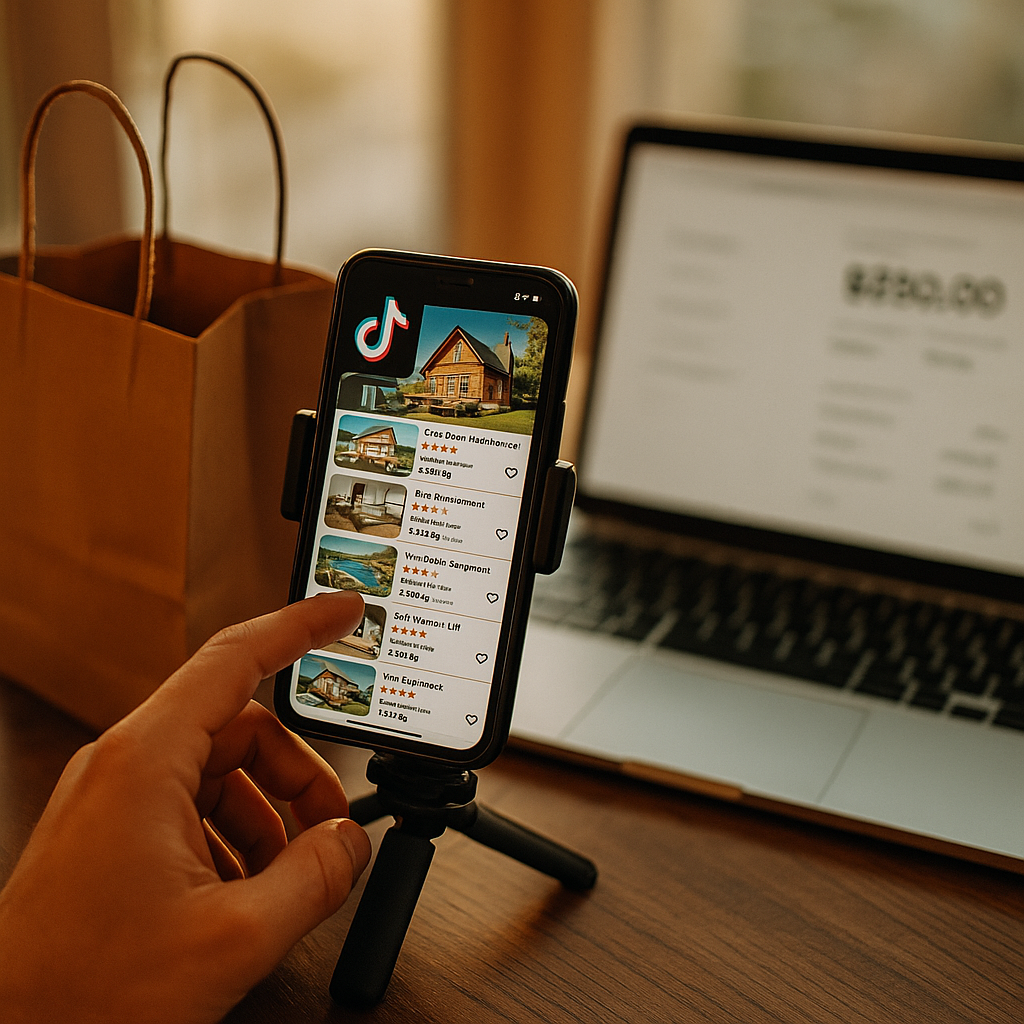
Skift and TikTok both report that travel searches on the platform are outpacing traditional booking sites among under-35 travelers. Yet most travel brands still pay creators flat fees for content that generates likes, not itineraries. TikTok Go for travel brands only works when the commission structure is built to reward bookings, not just views.
Wanderlust content is easy. A creator standing on a cliff in Santorini with a trending sound will always get views. Turning that dopamine hit into a completed hotel booking or tour purchase is a completely different problem, and it’s the one most travel marketers haven’t solved.
Why Flat Fees Fail Travel Campaigns
Flat-fee influencer deals made sense when the goal was awareness. A creator posts a sponsored trip recap, brand gets impressions, everyone moves on. But travel has one of the longest and most fragmented purchase journeys in consumer marketing. Someone watches a Bali content creator in January and books in April, often through a completely different channel than the one that inspired the trip.
That lag kills flat-fee economics. You’re paying upfront for content whose commercial value might not materialize for months, if it materializes at all. Meanwhile, the creator has zero incentive to optimize for conversion once the check clears. Why would they? Their job was to post, not to sell.
Affiliate-commission structures flip the incentive: the creator only gets paid meaningfully when someone actually books, which forces content to work harder at every stage of the funnel, not just the hook.
This isn’t a new idea in retail. Brands running affiliate commission ladder models on TikTok Shop have proven that tiered payouts drive sustained performance far better than one-off fees. Travel just hasn’t caught up yet, largely because booking attribution is harder than tracking a product SKU.
What Makes Travel Affiliate Deals Different From Retail
A $40 skincare purchase happens in seconds. A $2,400 Southeast Asia package involves flight comparisons, hotel reviews, visa research, and at least three browser tabs open across two devices. That’s the core challenge in structuring affiliate deals for travel: the conversion window is long, multi-device, and rarely linear.
This means brands need to think about attribution windows differently than a typical TikTok Shop haul video. A 7-day cookie window that works fine for a beauty brand is almost useless for a destination marketing campaign. Most travel-savvy affiliate programs now extend windows to 30, 60, or even 90 days to reflect actual booking behavior.
- Longer attribution windows: 30-90 days instead of the standard 7-14 day e-commerce default.
- Multi-touch tracking: Using unique promo codes alongside pixel-based links, since travelers often book directly on OTA apps rather than clicking through.
- Tiered commission by trip value: A booked $5,000 luxury package should pay differently than a $150 city tour, even at the same percentage rate.
- Seasonal urgency bonuses: Extra commission for bookings made during shoulder-season pushes, when brands most need demand.
Structuring the Commission Tiers
Most successful travel affiliate deals we’ve seen land somewhere between 4% and 12% commission on completed bookings, scaled by creator tier and booking value. Nano and micro creators with highly engaged niche audiences (say, solo female travel or budget backpacking) often convert better per-follower than big names, so paying them a slightly higher percentage on smaller average order values can still be efficient.
A workable structure looks like this:
- Base rate: 5% on any tracked booking, no minimum threshold.
- Volume bonus: Rate climbs to 8% after the creator drives $10,000 in bookings within a quarter.
- Content bonus: Flat $200-500 supplement for creators who produce a dedicated “how I booked this trip” tutorial video, since these consistently outperform pure aspirational content on conversion.
- Retention kicker: Small residual (1-2%) if a referred customer books a second trip within 12 months.
This mirrors the tiered commission logic already working well in the TikTok Go for travel brands framework, where structured payouts consistently beat flat sponsorship fees on cost-per-booking.
Picking the Right Creators (Hint: It’s Not the Biggest Follower Count)
Travel brands chase reach. That’s the instinct, and it’s usually wrong for affiliate deals specifically. A creator with 40,000 followers who consistently books their audience onto specific tours will outperform a 2-million-follower lifestyle account that happened to post one vacation video.
Look for creators who already exhibit “booking behavior” signals: do they link tools in their bio? Do commenters ask “how much did this cost” and get real answers? Do they use TikTok’s native shopping features already? A creator who’s already comfortable driving commerce, even in an unrelated vertical, adapts faster to affiliate travel content than a purely aesthetic travel account.
Nano and micro creators are worth serious budget allocation here. Destination marketing organizations have already proven this out. The nano-creator portfolio approach for destinations shows that a distributed roster of smaller, highly trusted voices often drives more qualified traffic than a single celebrity partnership, at a fraction of the cost.
Building the Content Brief for Conversion, Not Just Aesthetics
Here’s where most travel briefs go wrong: they ask for beautiful footage and forget to ask for the sale. A stunning drone shot of an infinity pool is worthless commercially if there’s no clear next step for the viewer.
Borrow from what’s working in adjacent affiliate playbooks. The structure used in the YouTube Shorts affiliate brief template applies almost directly to travel: hook in the first three seconds, clear value proposition by second ten, explicit call-to-action with a trackable link or code before the thirty-second mark.
Practical brief elements that actually move booking numbers:
- Require creators to state the price range on-screen or in caption. Vague “link in bio” content without price transparency converts poorly, because viewers assume it’s out of budget and scroll past.
- Ask for a specific booking window mention (“I booked this for spring break, prices spike after March”). Urgency framing works even better in travel than retail.
- Mandate a pinned comment with the affiliate code, not just a bio link. TikTok’s comment section functions as a secondary search engine for many users now.
- Encourage a follow-up video 2-3 weeks later answering audience questions from the first post. This second-touch content often has disproportionately high conversion because it’s answering objections directly.
Tracking Bookings Without Losing Your Mind
Attribution is the single biggest reason travel brands avoid affiliate creator deals altogether. It’s genuinely harder than retail. But “hard” doesn’t mean “impossible,” and the brands sitting it out are ceding ground to competitors willing to build the infrastructure.
Start with layered tracking rather than betting on one method:
- Unique promo codes per creator for direct bookings through your site or call center, which also work as a backup when pixel tracking fails on iOS due to privacy restrictions.
- UTM-tagged links feeding into a CRM or booking engine that can flag first-touch and last-touch sources separately, since travel rarely has a single-touch journey.
- Post-purchase attribution surveys (“How did you hear about us?”) remain crude but useful for cross-referencing when digital tracking undercounts, which it often does in travel given the OTA detour problem.
- TikTok Shop’s native affiliate dashboard, where applicable, for any bookable add-ons or travel gear sold directly in-app.
Platforms like TikTok have continued expanding TikTok’s advertising and shopping tools, and travel brands should be pushing account reps for better booking-specific attribution features, since demand clearly exists.
Compliance Isn’t Optional Here
Travel affiliate content sits in a regulatory gray zone that a lot of marketers underestimate. Price claims, availability claims, and “best deal” language all carry legal weight when money changes hands based on a creator’s recommendation.
The FTC’s endorsement guidelines require clear and conspicuous disclosure of any material connection, including affiliate commissions, not just traditional paid sponsorships. A creator saying “I booked this myself” while quietly earning commission on every click is exactly the kind of thing that draws FTC attention. Build disclosure requirements into the contract, not as an afterthought in the brief.
Undisclosed affiliate relationships in travel content carry real regulatory risk, and a single high-profile enforcement action could chill an entire category of creator partnerships overnight.
UK-based brands or campaigns targeting UK audiences should also check current ICO guidance on data handling for any tracking mechanisms that touch personal information, particularly if you’re running retargeting off affiliate link clicks.
What Success Actually Looks Like
Don’t judge these campaigns purely on view count or even click-through rate. The metric that matters is cost-per-booking compared against your paid media baseline. Data from eMarketer consistently shows creator-driven acquisition costs undercutting traditional paid search for travel, particularly in the 25-40 age bracket that dominates TikTok’s travel content consumption.
Run the math quarterly. If a creator’s total commission payout comes in meaningfully below your blended customer acquisition cost from paid channels, scale that relationship. If it’s roughly equal, keep testing content formats before cutting the partnership. If it’s above, either renegotiate the tier structure or move on. Affiliate deals should get cheaper per booking over time as creators learn what converts, not stay flat.
A Quick Gut Check Before You Launch
- Is your booking engine capable of accepting and tracking unique promo codes at scale?
- Have you set attribution windows that actually reflect your average booking lag, not a generic e-commerce default?
- Does your legal team have sign-off on the disclosure language creators will use?
- Are you paying nano/micro creators enough to make dedicated conversion-focused content worth their time?
If you answered no to any of these, you’re not ready to scale spend, even if the pilot creator content looks great.
Next Step
Pick three creators already producing high-intent travel content in your niche, offer them a tiered commission deal with a 60-day attribution window, and measure cost-per-booking against your current paid search spend before committing further budget. If the numbers beat your baseline within one quarter, scale the roster; if they don’t, fix the tracking before you fix the creators.
FAQs
What commission rate should travel brands offer creators?
Most effective programs range from 4% to 12% of booking value, scaled by creator tier and volume, with bonus incentives for conversion-focused content formats like booking tutorials.
How long should attribution windows be for travel affiliate deals?
Somewhere between 30 and 90 days, reflecting the fact that travel purchase decisions take far longer than typical retail impulse buys.
Are nano and micro creators better than big-name influencers for travel affiliate deals?
Often, yes. Smaller creators with highly engaged, niche travel audiences tend to drive better conversion rates per follower and cost significantly less per booking than large accounts with broad, less-engaged audiences.
What disclosure rules apply to affiliate travel content?
Creators must clearly and conspicuously disclose any material financial connection, including affiliate commissions, in line with FTC endorsement guidelines. Vague or hidden disclosures create real legal risk for both the creator and the brand.
How do you track bookings that happen off-platform?
Layer multiple tracking methods: unique promo codes, UTM-tagged links, post-purchase attribution surveys, and where available, native platform affiliate dashboards. No single method captures the full picture in travel.
FAQs
What commission rate should travel brands offer creators?
Most effective programs range from 4% to 12% of booking value, scaled by creator tier and volume, with bonus incentives for conversion-focused content formats like booking tutorials.
How long should attribution windows be for travel affiliate deals?
Somewhere between 30 and 90 days, reflecting the fact that travel purchase decisions take far longer than typical retail impulse buys.
Are nano and micro creators better than big-name influencers for travel affiliate deals?
Often, yes. Smaller creators with highly engaged, niche travel audiences tend to drive better conversion rates per follower and cost significantly less per booking than large accounts with broad, less-engaged audiences.
What disclosure rules apply to affiliate travel content?
Creators must clearly and conspicuously disclose any material financial connection, including affiliate commissions, in line with FTC endorsement guidelines. Vague or hidden disclosures create real legal risk for both the creator and the brand.
How do you track bookings that happen off-platform?
Layer multiple tracking methods: unique promo codes, UTM-tagged links, post-purchase attribution surveys, and where available, native platform affiliate dashboards. No single method captures the full picture in travel.
Top Influencer Marketing Agencies
The leading agencies shaping influencer marketing in 2026
Agencies ranked by campaign performance, client diversity, platform expertise, proven ROI, industry recognition, and client satisfaction. Assessed through verified case studies, reviews, and industry consultations.
Moburst

-
2

The Shelf
Boutique Beauty & Lifestyle Influencer AgencyA data-driven boutique agency specializing exclusively in beauty, wellness, and lifestyle influencer campaigns on Instagram and TikTok. Best for brands already focused on the beauty/personal care space that need curated, aesthetic-driven content.Clients: Pepsi, The Honest Company, Hims, Elf Cosmetics, Pure LeafVisit The Shelf → -
3

Audiencly
Niche Gaming & Esports Influencer AgencyA specialized agency focused exclusively on gaming and esports creators on YouTube, Twitch, and TikTok. Ideal if your campaign is 100% gaming-focused — from game launches to hardware and esports events.Clients: Epic Games, NordVPN, Ubisoft, Wargaming, Tencent GamesVisit Audiencly → -
4

Viral Nation
Global Influencer Marketing & Talent AgencyA dual talent management and marketing agency with proprietary brand safety tools and a global creator network spanning nano-influencers to celebrities across all major platforms.Clients: Meta, Activision Blizzard, Energizer, Aston Martin, WalmartVisit Viral Nation → -
5

The Influencer Marketing Factory
TikTok, Instagram & YouTube CampaignsA full-service agency with strong TikTok expertise, offering end-to-end campaign management from influencer discovery through performance reporting with a focus on platform-native content.Clients: Google, Snapchat, Universal Music, Bumble, YelpVisit TIMF → -
6

NeoReach
Enterprise Analytics & Influencer CampaignsAn enterprise-focused agency combining managed campaigns with a powerful self-service data platform for influencer search, audience analytics, and attribution modeling.Clients: Amazon, Airbnb, Netflix, Honda, The New York TimesVisit NeoReach → -
7

Ubiquitous
Creator-First Marketing PlatformA tech-driven platform combining self-service tools with managed campaign options, emphasizing speed and scalability for brands managing multiple influencer relationships.Clients: Lyft, Disney, Target, American Eagle, NetflixVisit Ubiquitous → -
8

Obviously
Scalable Enterprise Influencer CampaignsA tech-enabled agency built for high-volume campaigns, coordinating hundreds of creators simultaneously with end-to-end logistics, content rights management, and product seeding.Clients: Google, Ulta Beauty, Converse, AmazonVisit Obviously →