


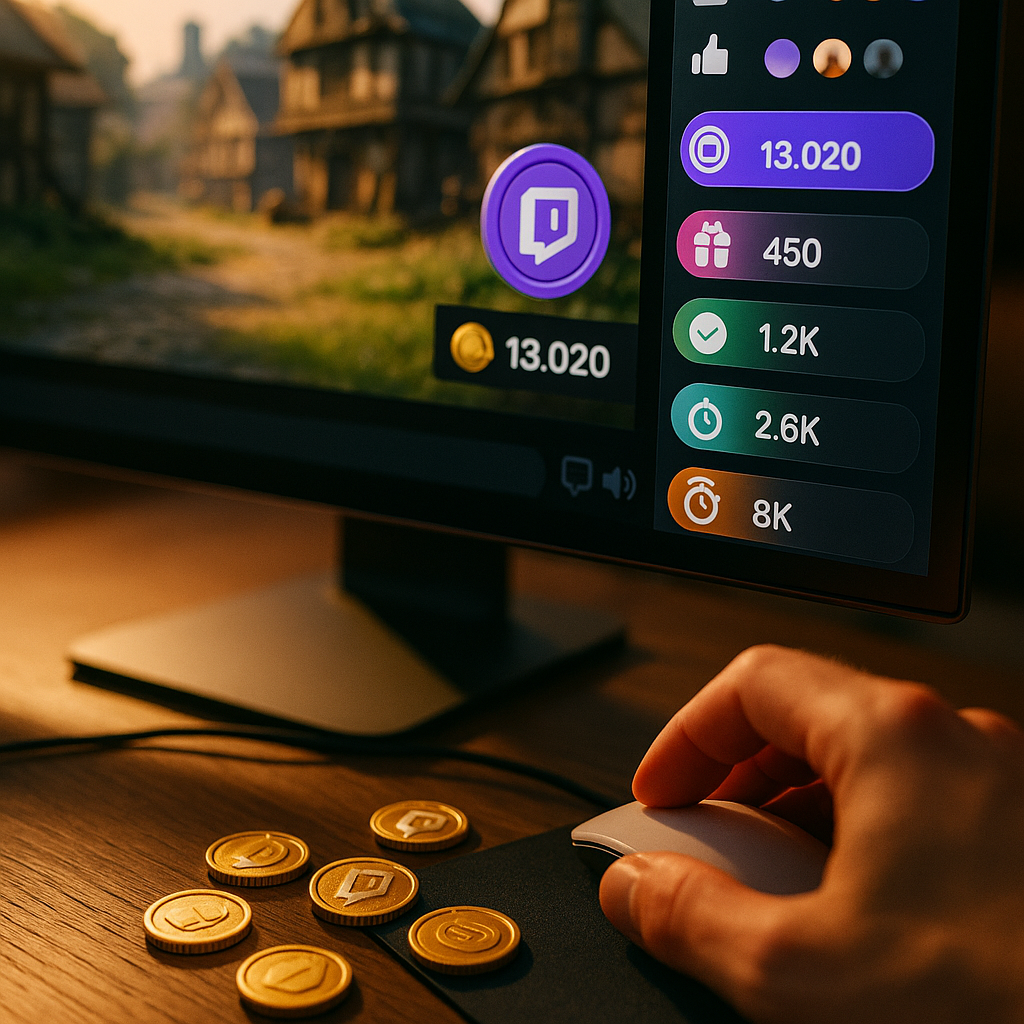
Twitch viewers redeem channel points over 60 million times a day, and almost none of those redemptions involve a brand. That gap is either a wasted opportunity or a warning. A poorly built Twitch channel points integration reads as an ad wedged into a community ritual. A well-built one feels like it was always supposed to be there.
Brands chasing Gen Z and gaming-adjacent audiences keep circling Twitch, then retreating once they see the culture gap. Channel points are the low-risk entry point everyone overlooks — but only if you resist the urge to slap a logo on a redemption and call it activation.
What Channel Points Actually Are, and Why Brands Keep Misreading Them
Channel points are Twitch’s native loyalty currency. Viewers earn them by watching, chatting, and subscribing to a specific streamer’s channel. Streamers set redemption rewards: things like “highlight message in chat,” “streamer does 20 pushups,” or “unlock a meme sound effect.” It’s gamified fandom, built entirely around one creator’s community, not the platform at large.
That last part matters. Channel points aren’t transferable, they aren’t platform-wide, and Twitch itself doesn’t broker brand deals through them. Every integration is negotiated streamer-by-streamer, which is exactly why most brand attempts fail. Marketing teams try to import a templated influencer brief — the same one they’d send a YouTube creator — and it collapses on contact with chat culture.
Channel points campaigns don’t scale the way sponsored posts do. What they lose in reach efficiency, they make up in trust density: a redemption that lands well can generate more goodwill per impression than a pre-roll ad ever will.
The Native-vs-Native Problem
Here’s the tension every brand strategist has to sit with: Twitch communities have brutal radar for inauthenticity. A redemption reward that exists purely to promote a product — “type our brand name in chat for 500 points” — gets clocked instantly. Chat will mock it. Some viewers will spam the reward just to watch the streamer squirm. Others will simply stop redeeming it, which quietly kills the integration’s visibility.
Compare that to something like Prime Gaming’s long-running Twitch drops, or how brands like Raycon and G Fuel have worked directly with streamers on custom point rewards tied to actual stream mechanics — unlocking a specific overlay, triggering a mini-game, or funding a charity tracker. Those work because the reward changes the stream experience for viewers, not just the brand’s visibility.
The operating principle: a channel points reward should improve the redeemer’s experience of the stream, not just the brand’s exposure. If the value only flows one direction, viewers feel it immediately.
What “Native” Actually Requires
- The reward mechanic reflects how that specific streamer already interacts with chat (voice changers, on-screen alerts, mini-games they already run).
- The redemption cost is set by the streamer, not the brand, based on their community’s typical point economy.
- Brand mentions are earned through the mechanic, not scripted into it. If the reward is fun, people will screenshot the chat moment organically.
- Frequency caps exist so the same redemption doesn’t flood chat every three minutes during a campaign flight.
None of this is exotic. It’s the same logic that governs any influencer placement: let the creator’s format lead, and treat the brand as a guest inside it. The difference on Twitch is the stakes are more visible — chat reacts in real time, publicly, and unforgivingly.
Building the Redemption Structure: A Practical Framework
Most brand teams over-engineer the creative and under-engineer the mechanics. Flip that. Here’s a structure that’s held up across multiple mid-tier and top-tier streamer partnerships:
1. Tiered redemption cost, not flat pricing. Set three tiers — low-cost (accessible to casual viewers, high frequency), mid-cost (moderate exclusivity), and high-cost (rare, prestige redemption capped per stream). This mirrors how streamers already structure their own reward menus and avoids the “brand reward looks out of place” problem.
2. Cap redemptions per session. Nothing kills goodwill faster than a brand reward getting redeemed 40 times in an hour and drowning chat. Work with the streamer to set a hard cap — Twitch’s dashboard allows cooldown timers per reward, use them.
3. Build in a real-world or in-stream consequence. The strongest performing brand redemptions in the wild trigger something visible: an overlay animation, a sound cue, a donation-tracker tick-up, or a streamer action. Static text-only redemptions (“type this hashtag”) consistently underperform because there’s no payoff for the viewer watching, only for the person who redeemed.
4. Rotate creative every campaign flight. Communities notice repetition faster than brands think. A reward that felt novel in week one feels like wallpaper by week four. Budget for creative refreshes the same way you’d budget for creative fatigue on paid social.
5. Pair points with a measurable action. Tie redemption to something trackable — a unique promo code drop, a link click logged via UTM, or a giveaway entry funneled through a landing page. Channel points alone don’t report back to your dashboard; you need to engineer the bridge yourself.
Compliance Is Not Optional, Even in Chat
This is the part brand and legal teams underestimate. Any paid integration involving branded rewards on a streamer’s channel is a form of endorsement, and the FTC’s endorsement guidance applies whether the promotion happens in a caption, a video, or a chat redemption. If a streamer is compensated to feature a brand-funded channel point reward, that relationship needs disclosure, visible and unavoidable, not buried in a panel description three scrolls down.
Twitch’s own platform policies (channel points terms live inside Twitch’s creator dashboard documentation) restrict what rewards can incentivize — you can’t structure a redemption that pressures viewers into harassment, spam, or policy-violating chat behavior, even accidentally. Brand teams should build disclosure language into the streamer’s on-screen panel and verbal callout at stream start, not just a one-line mention buried in the description.
This isn’t just a legal cover-your-back exercise. It’s a trust issue with the exact audience you’re trying to win. Twitch communities already assume brands are extractive; undisclosed sponsorship confirms the suspicion and torches the relationship for future campaigns.
Measuring What Actually Matters
Channel points don’t have a native brand reporting dashboard, so you have to build measurement into the mechanic itself. A few approaches that hold up:
- UTM-tagged redemption follow-ups. If the reward unlocks a code or link, track click-through the same way you’d track a link in a creator’s bio.
- Chat sentiment sampling. Pull chat logs during redemption windows and run basic sentiment analysis, manually or via a tool, to catch backlash early.
- Redemption volume vs. stream average. Compare uptake against the streamer’s typical top-five rewards. If your branded reward doesn’t crack their top five within two weeks, the mechanic likely needs a rework, not a bigger budget.
- Streamer qualitative feedback. Ask directly: did chat react positively, neutrally, or did it generate complaints? Streamers know their communities better than any dashboard will show you.
Platforms like Sprout Social and category benchmarking from eMarketer can help contextualize engagement rates against broader creator economy trends, even if Twitch-specific data remains harder to source than Instagram or TikTok benchmarks.
Where This Fits in the Broader Creator Budget
Channel points work best as a supporting layer, not a headline tactic. Treat it the way you’d treat a affiliate layer on TikTok Shop: a mechanism that deepens engagement with an audience you’re already reaching through a primary placement, like a dedicated stream segment or sponsored raid.
Budget allocation that’s worked for mid-market brands testing Twitch: 70% toward the core sponsorship (stream time, dedicated segment, overlay presence), 20% toward channel points mechanic design and streamer negotiation, 10% held back for creative refreshes mid-flight. That last bucket matters more than it sounds like it should — see the section above on reward fatigue.
If you’re building a broader creator payout structure across platforms, the negotiation logic isn’t wildly different from what’s playing out with hybrid payout contracts on TikTok: base fee plus performance incentive, except on Twitch the “performance” metric is community reaction, not just view count.
A Quick Gut Check Before You Brief a Streamer
Ask yourself: would this reward exist if the brand weren’t paying for it? If the honest answer is no, and there’s no way to make it feel organically fun, reconsider the mechanic before you reconsider the budget. Streamers will tell you the same thing, usually more bluntly.
For brands managing creator relationships across formats, the same discipline that governs creator brief templates on YouTube Shorts applies here: specificity in the brief prevents scope creep in execution, and vague briefs produce generic, easily-clocked brand moments.
Frequently Asked Questions
FAQs
What are Twitch channel points, and can brands actually buy into them?
Channel points are a free loyalty currency viewers earn by watching a specific streamer. Brands can’t purchase channel points access directly through Twitch; instead, they negotiate with individual streamers to design a co-branded redemption reward as part of a broader sponsorship deal.
How much does a channel points integration typically cost?
Cost varies widely by streamer size and reward complexity, and it’s usually bundled into a larger sponsorship package rather than priced standalone. Expect it to sit alongside line items like dedicated segments, overlays, or shoutouts rather than as its own invoice.
Do channel points campaigns require FTC disclosure?
Yes. If a streamer is compensated to feature a brand-funded reward, that’s a paid endorsement under FTC guidance, and it needs clear, unavoidable disclosure, not a buried mention in a panel or description.
What makes a branded redemption reward fail with Twitch audiences?
Rewards that only benefit the brand, feel scripted, or flood chat without a payoff for viewers tend to fail fast. Communities notice extraction versus contribution almost instantly, and backlash shows up in real time in chat.
Can channel points campaigns be measured with standard marketing analytics?
Not natively. Brands need to engineer measurement into the mechanic itself, using UTM-tagged follow-ups, redemption volume comparisons, and chat sentiment sampling, since Twitch doesn’t provide a built-in brand reporting layer for channel points.
Next step: before briefing any streamer, pull their existing top-five redemption rewards and design your branded mechanic to sit naturally beside them, not above them. That single step separates a campaign chat embraces from one it mocks.
FAQs
What are Twitch channel points, and can brands actually buy into them?
Channel points are a free loyalty currency viewers earn by watching a specific streamer. Brands can’t purchase channel points access directly through Twitch; instead, they negotiate with individual streamers to design a co-branded redemption reward as part of a broader sponsorship deal.
How much does a channel points integration typically cost?
Cost varies widely by streamer size and reward complexity, and it’s usually bundled into a larger sponsorship package rather than priced standalone. Expect it to sit alongside line items like dedicated segments, overlays, or shoutouts rather than as its own invoice.
Do channel points campaigns require FTC disclosure?
Yes. If a streamer is compensated to feature a brand-funded reward, that’s a paid endorsement under FTC guidance, and it needs clear, unavoidable disclosure, not a buried mention in a panel or description.
What makes a branded redemption reward fail with Twitch audiences?
Rewards that only benefit the brand, feel scripted, or flood chat without a payoff for viewers tend to fail fast. Communities notice extraction versus contribution almost instantly, and backlash shows up in real time in chat.
Can channel points campaigns be measured with standard marketing analytics?
Not natively. Brands need to engineer measurement into the mechanic itself, using UTM-tagged follow-ups, redemption volume comparisons, and chat sentiment sampling, since Twitch doesn’t provide a built-in brand reporting layer for channel points.
Top Influencer Marketing Agencies
The leading agencies shaping influencer marketing in 2026
Agencies ranked by campaign performance, client diversity, platform expertise, proven ROI, industry recognition, and client satisfaction. Assessed through verified case studies, reviews, and industry consultations.
Moburst

-
2

The Shelf
Boutique Beauty & Lifestyle Influencer AgencyA data-driven boutique agency specializing exclusively in beauty, wellness, and lifestyle influencer campaigns on Instagram and TikTok. Best for brands already focused on the beauty/personal care space that need curated, aesthetic-driven content.Clients: Pepsi, The Honest Company, Hims, Elf Cosmetics, Pure LeafVisit The Shelf → -
3

Audiencly
Niche Gaming & Esports Influencer AgencyA specialized agency focused exclusively on gaming and esports creators on YouTube, Twitch, and TikTok. Ideal if your campaign is 100% gaming-focused — from game launches to hardware and esports events.Clients: Epic Games, NordVPN, Ubisoft, Wargaming, Tencent GamesVisit Audiencly → -
4

Viral Nation
Global Influencer Marketing & Talent AgencyA dual talent management and marketing agency with proprietary brand safety tools and a global creator network spanning nano-influencers to celebrities across all major platforms.Clients: Meta, Activision Blizzard, Energizer, Aston Martin, WalmartVisit Viral Nation → -
5

The Influencer Marketing Factory
TikTok, Instagram & YouTube CampaignsA full-service agency with strong TikTok expertise, offering end-to-end campaign management from influencer discovery through performance reporting with a focus on platform-native content.Clients: Google, Snapchat, Universal Music, Bumble, YelpVisit TIMF → -
6

NeoReach
Enterprise Analytics & Influencer CampaignsAn enterprise-focused agency combining managed campaigns with a powerful self-service data platform for influencer search, audience analytics, and attribution modeling.Clients: Amazon, Airbnb, Netflix, Honda, The New York TimesVisit NeoReach → -
7

Ubiquitous
Creator-First Marketing PlatformA tech-driven platform combining self-service tools with managed campaign options, emphasizing speed and scalability for brands managing multiple influencer relationships.Clients: Lyft, Disney, Target, American Eagle, NetflixVisit Ubiquitous → -
8

Obviously
Scalable Enterprise Influencer CampaignsA tech-enabled agency built for high-volume campaigns, coordinating hundreds of creators simultaneously with end-to-end logistics, content rights management, and product seeding.Clients: Google, Ulta Beauty, Converse, AmazonVisit Obviously →