


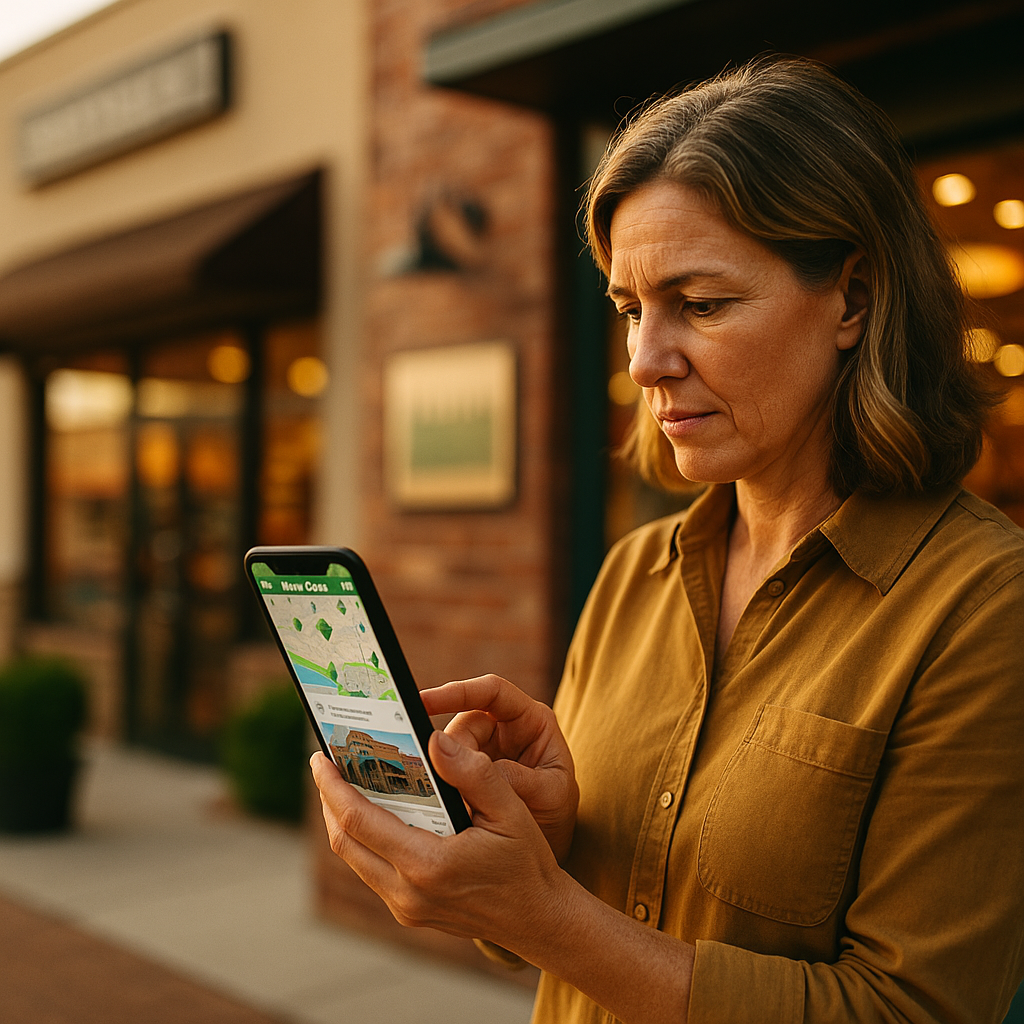
Nextdoor now reaches over 100 million verified neighbors across dozens of markets, and it’s converting foot traffic at a rate most social platforms can’t touch. Yet most multi-location retailers still brief Nextdoor creators like it’s Instagram with a different logo. That mismatch is costing brands real store visits. A proper Nextdoor local business strategy requires a completely different briefing model, built store-by-store instead of campaign-wide.
Why Nextdoor Breaks the National Brief Model
Every other platform in your media mix rewards scale. Nextdoor punishes it. The platform is organized by verified neighborhoods, not follower counts or algorithmic reach, which means a single national brief sent to twelve “local” creators will read as obviously corporate the moment it lands in a hyperlocal feed. Neighbors can smell a copy-pasted post from three towns over.
This is the core operational challenge for multi-location retailers: you’re not running one campaign, you’re running dozens of micro-campaigns that happen to share a brand. A regional grocery chain with 40 locations doesn’t need 40 versions of the same ad. It needs 40 distinct neighborhood narratives, each grounded in what that specific store, that specific staff, and that specific block actually look like.
Nextdoor’s own advertiser data shows local business posts drive measurably higher purchase intent than metro-wide campaigns, because neighbors trust recommendations that reference places they actually recognize.
Start With Store-Level Data, Not Creative Concepts
Before you write a single brief, pull store-level performance data. Which locations are underperforming on foot traffic relative to comparable demographics? Which neighborhoods have high Nextdoor engagement but low brand awareness? This isn’t a creative exercise first — it’s a targeting exercise first.
- Map each store to its Nextdoor neighborhood boundaries (these rarely align with your standard trade-area radius)
- Identify 2-4 hyperlocal creators per neighborhood, not per region
- Cross-reference existing customer zip codes with Nextdoor’s neighborhood density to avoid wasted spend in low-adoption areas
- Flag locations with recent changes (new manager, renovation, expanded hours) since these make for stronger creator hooks
Retailers who skip this step end up briefing creators in neighborhoods where Nextdoor simply isn’t a dominant platform yet. That’s a wasted budget line, not a failed creative idea.
The Brief Itself: What Actually Belongs in It
A Nextdoor creator brief should look nothing like a TikTok or Instagram brief. There’s no hook-in-three-seconds requirement, no trending-audio consideration. Instead, the brief needs to prioritize local credibility markers over production polish.
Here’s the structural difference that matters most: Nextdoor content performs best when it reads like a genuine neighbor recommendation, not sponsored content dressed up in local language. This isn’t a Notes or Close Friends-style trust format exactly, but the underlying principle is the same — audiences reward apparent authenticity over reach. If you want a deeper read on how platforms are rewarding trust signals over follower counts, our brand trust playbook breaks down the mechanics.
Practical brief components for Nextdoor should include:
- Named store details: specific staff names, specific product changes, specific parking or accessibility notes relevant to that block
- A reason to visit this week, not a general brand message (limited stock, weekend event, new hire, seasonal reset)
- Neighborhood-specific language pulled from actual Nextdoor threads in that area, not brand-voice guidelines
- A soft CTA that mirrors organic Nextdoor recommendation posts (“stopped by and it was great, worth checking out”) rather than a hard promotional CTA
Resist the urge to hand creators your standard influencer brief template with the platform name swapped out. Nextdoor’s community guidelines and user expectations are strict about promotional content that doesn’t read as genuine, and creators who ignore that will get flagged or downvoted by neighbors fast.
Compensation and Compliance: The Part Brands Underestimate
Nextdoor requires clear disclosure for sponsored local business content, consistent with FTC guidance on material connections. This isn’t optional and it isn’t platform-specific boilerplate — enforcement on hyperlocal platforms tends to be community-driven, meaning neighbors themselves will call out undisclosed promotion in comments, which is worse for brand trust than a regulator notice.
Build disclosure into the brief itself, not as an afterthought. Specify the exact disclosure language (“Partnered with [Store Name]” or “#ad” positioned naturally within the neighborly tone) and require creators to submit drafts before publishing. Review the FTC’s endorsement guidance directly if your legal team hasn’t updated internal policy for hyperlocal platforms specifically.
On compensation: local creators on Nextdoor typically operate at much lower rates than Instagram or TikTok creators with comparable engagement, because reach is inherently capped by neighborhood size. Don’t apply your standard CPM-based rate card. Pay per-location flat fees tied to deliverables (one post, one comment-thread follow-up, one photo set) rather than per-impression estimates that don’t map cleanly to a platform this fragmented.
Measuring Foot Traffic, Not Just Engagement
This is where most multi-location retailers get sloppy. Likes and comments on Nextdoor are a weak proxy for what actually matters: store visits. You need location-level measurement built into the campaign from day one.
- Unique promo codes or QR codes tied to each creator-store pairing
- Google Business Profile “visited” tracking cross-referenced against campaign flight dates
- In-store staff logging simple “mentioned Nextdoor post” prompts at checkout for the first two weeks
- Nextdoor’s own local business analytics dashboard, which reports on post reach within verified neighborhood boundaries
Set store-level benchmarks before launch, not after. A campaign that drives a 4% foot-traffic lift in a dense urban neighborhood is a very different result than the same lift in a suburban market with less Nextdoor penetration. Treat every location as its own test cell.
If you can’t attribute a store visit back to a specific creator post in a specific neighborhood, you don’t have a Nextdoor campaign — you have a hope.
Where This Fits Alongside Your Broader Creator Mix
Nextdoor shouldn’t replace your existing creator programs, it should sit alongside them as the hyperlocal layer. Retailers already running structured briefs for TikTok Shop or YouTube affiliate programs know the value of platform-specific templates over one-size-fits-all decks. The same logic that shaped our category templates for faster creator onboarding applies here: standardize the brief structure, but let local specifics fill in the variables.
It’s also worth thinking about how Nextdoor content interacts with search behavior. As AI-driven search summaries start pulling from broader web signals, local business mentions on community platforms may carry more weight than they used to. Our coverage of how AI search is reshaping creator briefs is relevant context if your team is thinking about discoverability beyond the platform itself.
Multi-location retailers running influencer programs across Meta properties should also watch how algorithm shifts affect local versus national creative — the Meta Andromeda update is a good reference point for how personalization is pushing all platforms toward hyperlocal relevance, not just Nextdoor.
For brands managing dozens of location-level briefs at once, operational tooling matters as much as strategy. A shared brief template with locked fields (disclosure language, CTA format, measurement tags) and open fields (staff names, local hooks, store-specific offers) keeps quality consistent without flattening the local voice that makes Nextdoor work in the first place.
Industry benchmarking from sources like eMarketer and Sprout Social continues to show hyperlocal and community platforms outperforming broad social on trust metrics, even as overall reach stays modest. That trade-off — smaller audience, higher trust — is exactly why the brief has to be built differently.
Next step: pull your store-level Nextdoor neighborhood map this week, identify your five lowest-foot-traffic locations, and pilot a location-specific brief in those markets before rolling out chain-wide. Measure store visits, not likes, and let those five test cases set your rate card and brief template for the rest of the fleet.
FAQs
What makes a Nextdoor local business campaign different from other influencer platforms?
Nextdoor is organized around verified neighborhoods rather than follower reach, so content has to feel like a genuine neighbor recommendation tied to a specific store, not a scaled brand campaign. Briefs need store-level specificity instead of one national creative concept.
How do multi-location retailers find the right creators for each store?
Map each physical location to its Nextdoor neighborhood boundary, then identify creators already active and trusted in that specific area. Region-wide or metro-wide creators typically don’t have the hyperlocal credibility Nextdoor audiences respond to.
What disclosure rules apply to Nextdoor local business content?
Sponsored content on Nextdoor must follow FTC endorsement guidelines, including clear and conspicuous disclosure of the brand partnership. Because Nextdoor communities are highly engaged, undisclosed promotion tends to get called out publicly by neighbors, making upfront compliance essential.
How should retailers measure the success of a Nextdoor foot-traffic campaign?
Use location-specific promo codes, QR codes, Google Business Profile visit data, and in-store staff tracking rather than relying on post engagement alone. Set foot-traffic benchmarks per store before launch since Nextdoor penetration varies widely by market.
How much should brands pay Nextdoor local creators compared to other platforms?
Nextdoor creator rates are typically lower than Instagram or TikTok due to smaller, geographically capped audiences. Flat per-location fees tied to specific deliverables tend to work better than impression-based rate cards.
Top Influencer Marketing Agencies
The leading agencies shaping influencer marketing in 2026
Agencies ranked by campaign performance, client diversity, platform expertise, proven ROI, industry recognition, and client satisfaction. Assessed through verified case studies, reviews, and industry consultations.
Moburst

-
2

The Shelf
Boutique Beauty & Lifestyle Influencer AgencyA data-driven boutique agency specializing exclusively in beauty, wellness, and lifestyle influencer campaigns on Instagram and TikTok. Best for brands already focused on the beauty/personal care space that need curated, aesthetic-driven content.Clients: Pepsi, The Honest Company, Hims, Elf Cosmetics, Pure LeafVisit The Shelf → -
3

Audiencly
Niche Gaming & Esports Influencer AgencyA specialized agency focused exclusively on gaming and esports creators on YouTube, Twitch, and TikTok. Ideal if your campaign is 100% gaming-focused — from game launches to hardware and esports events.Clients: Epic Games, NordVPN, Ubisoft, Wargaming, Tencent GamesVisit Audiencly → -
4

Viral Nation
Global Influencer Marketing & Talent AgencyA dual talent management and marketing agency with proprietary brand safety tools and a global creator network spanning nano-influencers to celebrities across all major platforms.Clients: Meta, Activision Blizzard, Energizer, Aston Martin, WalmartVisit Viral Nation → -
5

The Influencer Marketing Factory
TikTok, Instagram & YouTube CampaignsA full-service agency with strong TikTok expertise, offering end-to-end campaign management from influencer discovery through performance reporting with a focus on platform-native content.Clients: Google, Snapchat, Universal Music, Bumble, YelpVisit TIMF → -
6

NeoReach
Enterprise Analytics & Influencer CampaignsAn enterprise-focused agency combining managed campaigns with a powerful self-service data platform for influencer search, audience analytics, and attribution modeling.Clients: Amazon, Airbnb, Netflix, Honda, The New York TimesVisit NeoReach → -
7

Ubiquitous
Creator-First Marketing PlatformA tech-driven platform combining self-service tools with managed campaign options, emphasizing speed and scalability for brands managing multiple influencer relationships.Clients: Lyft, Disney, Target, American Eagle, NetflixVisit Ubiquitous → -
8

Obviously
Scalable Enterprise Influencer CampaignsA tech-enabled agency built for high-volume campaigns, coordinating hundreds of creators simultaneously with end-to-end logistics, content rights management, and product seeding.Clients: Google, Ulta Beauty, Converse, AmazonVisit Obviously →