


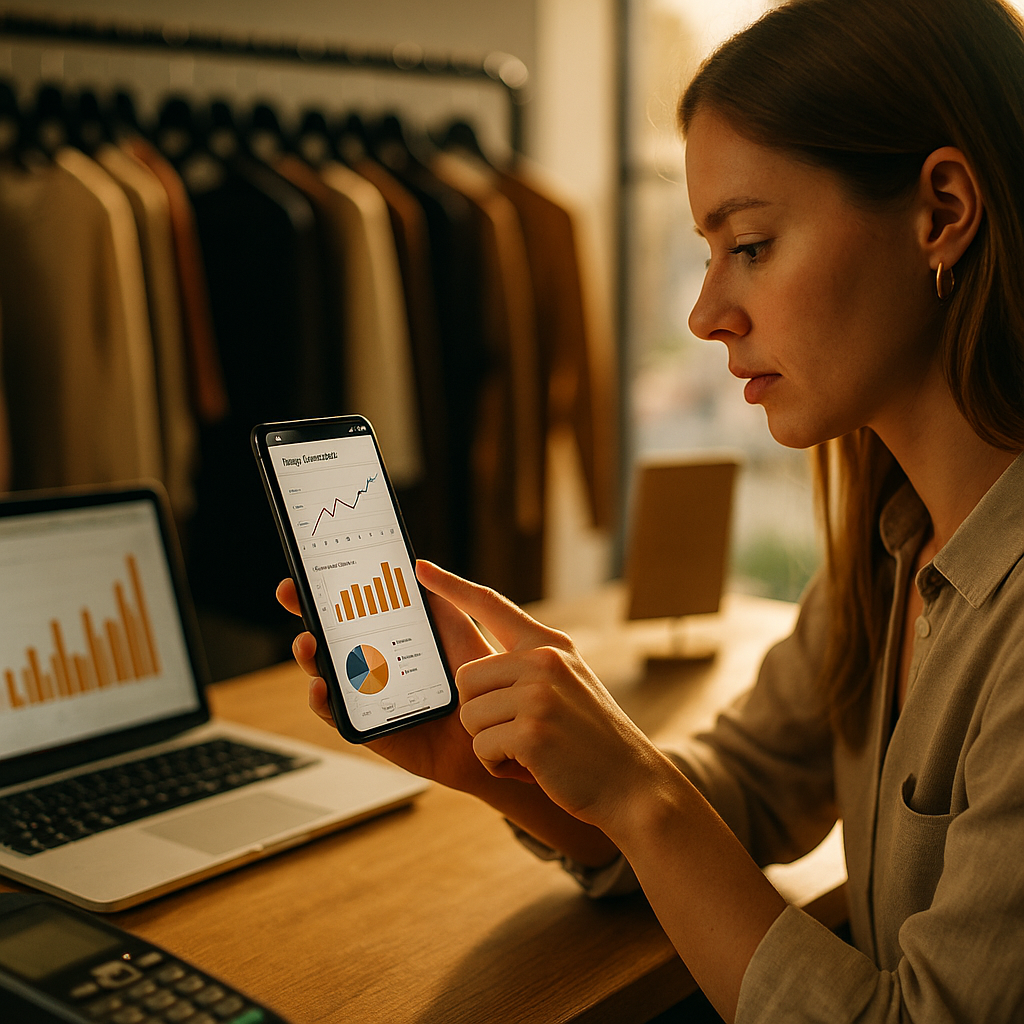
Circana estimates that retail media and shopper data influenced over $1 trillion in U.S. consumer packaged goods sales last year. Meanwhile, most brands still measure influencer performance with engagement rate and a hopeful shrug. That gap is closing fast, and retail data influencer measurement is the reason why.
Point-of-sale (POS) data is no longer just a supply chain metric locked inside a retailer’s four walls. It’s becoming the arbiter of which creators actually move product, which campaigns get renewed, and which agencies keep their retainers. If you’re still measuring influencer ROI on likes and last-click attribution, you’re negotiating with one hand tied behind your back.
Why Engagement Metrics Stopped Being Enough
For years, influencer marketing ran on a currency of convenience: impressions, engagement rate, maybe an affiliate link click. Easy to collect, easy to report, easy to defend in a QBR. The problem? None of it proves a sale happened.
Marketing mix models have always struggled to isolate creator impact from paid media, seasonality, and promotions running simultaneously. Multi-touch attribution promised precision and delivered mostly noise, especially once iOS privacy changes gutted pixel-based tracking. Brands have been flying partially blind for years, patching together UTM codes and promo codes that maybe 15% of shoppers actually use.
Retail data closes that gap because it’s the one signal that doesn’t lie about intent. A shopper didn’t just watch a video, save a post, or click a link. They stood at a register, or checked out online, and handed over money. That’s the whole game.
Engagement tells you who paid attention. Point-of-sale data tells you who paid, period.
What “Retail Data Feedback Loop” Actually Means
The feedback loop works like this: a brand runs a creator campaign, retailers or retail media networks capture actual purchase data tied to that exposure window, and that data flows back to the brand (and often the agency) to inform the next round of creator selection, content briefs, and spend allocation.
It’s not a new concept in retail media generally, Amazon and Walmart Connect have been doing closed-loop attribution for advertisers for years. What’s new is extending that same discipline to influencer content specifically. Retailers like Walmart, Target, and Kroger are increasingly willing to share SKU-level purchase lift data with brand partners when creator content is tagged, shoppable, or run through approved retail media programs.
Circana, NielsenIQ, and 84.51° (Kroger’s data arm) now offer syndicated and custom measurement products that connect creator campaign exposure to basket-level purchase behavior. That’s a fundamentally different measurement stack than anything social platforms offer natively.
Our earlier coverage of Circana data proving which budgets deserve cuts showed this shift already reshaping CPG spend decisions. This is the next layer: using that same retail truth to pick creators in the first place, not just audit them after the fact.
The ROI Case Is Getting Harder to Ignore
Brands sitting on retail data partnerships are catching allocation errors that engagement metrics never would have surfaced. A creator with modest reach but a hyper-relevant, high-intent audience can outperform a six-figure-follower macro-influencer on actual sales lift. Retail data proves it. Vanity metrics obscure it.
This lines up with what we found in our analysis showing retail data shows 75% of brands underspend on creators. Once brands can see the real conversion signal, the math often justifies more budget for creators, not less, particularly in the micro and nano tier where trust runs deepest.
That trust-to-conversion relationship isn’t coincidental. Smaller creators consistently drive better retail lift per dollar because their audiences behave more like customers and less like spectators. It’s the same dynamic explored in why micro and nano-influencer rates are rising fast: the market is finally pricing in what retail data has quietly confirmed for a while.
The brands winning right now aren’t the ones spending the most on influencers. They’re the ones who can prove, SKU by SKU, which creators actually sell.
Retail Media Networks Are Becoming Measurement Gatekeepers
Here’s the uncomfortable part for brands: the retailers now hold the keys to the most valuable measurement layer in the entire influencer stack. That’s a power shift worth taking seriously.
Retail media networks (RMNs) have grown into a multi-billion-dollar business precisely because they sit on first-party purchase data that platforms like Meta and TikTok can’t touch post-privacy-sandbox. According to eMarketer, retail media ad spend in the U.S. continues to outpace traditional digital display growth by a wide margin, and measurement products are increasingly the differentiator retailers use to justify premium CPMs.
What does that mean operationally? Brands negotiating creator campaigns now need to think about retail media placement and measurement access as part of the deal structure, not an afterthought. If your retail media team and influencer team aren’t talking to each other, you’re leaving attribution value on the table. Worse, you’re probably duplicating spend without knowing it.
This is also reshaping how contracts get written. Brands are starting to request retail lift reporting as a standard deliverable in creator agreements, especially for CPG, beauty, and grocery categories where in-store and online purchase behavior can be cleanly tied to campaign windows. It echoes the shift we documented in creator retainers replacing one-off deals: longer relationships give you enough campaign cycles to actually validate retail impact statistically, rather than drawing conclusions from a single four-week sprint.
The Compliance Wrinkle Nobody’s Talking About
Retail data feels clean because it’s behavioral, not self-reported. But there’s a regulatory dimension brands can’t skip. When purchase data gets tied back to individual-level exposure (which creator, which post, which household), you’re edging into personal data territory that the FTC and, for UK/EU operations, the ICO care about deeply.
Most retail data sharing today happens in aggregate or cohort form specifically to avoid this problem, and that’s the right instinct. Brands should be asking their retail media partners exactly how granular the data gets, whether it’s ever tied to identifiable individuals, and how long it’s retained. This isn’t just a legal question, it’s a brand trust question. The same scrutiny already applied to influencer disclosure and youth safety compliance, as covered in our piece on converging youth safety laws, is going to extend to how purchase-behavior data gets used in creator measurement. Get ahead of it now, because retroactively fixing a data-sharing agreement after a regulator asks questions is a miserable process.
Building the Operational Muscle
None of this works if retail data lives in a separate silo from your influencer program. Here’s what brands actually need to put in place:
- A shared measurement framework between retail media, shopper marketing, and influencer teams, ideally with one dashboard, not three.
- Standardized campaign tagging so retail partners can match exposure windows to purchase data without manual reconciliation.
- Vendor clarity on data access — know exactly what Circana, NielsenIQ, or your RMN partner can and can’t show you at the creator level versus campaign level.
- Contract language that builds retail lift reporting into creator deals upfront, not as a post-hoc ask.
- Realistic sample sizes. A single campaign with one retailer won’t give you statistically sound creator rankings. You need repeat cycles.
This operational lift is nontrivial, which is partly why only 12% of brands turned GEO pilots into budget lines in a comparable measurement shift last year. Good measurement infrastructure takes longer to build than a single budget cycle allows, and retail data is no exception. Start now, treat the first two quarters as calibration, not proof.
It’s also worth pairing this with a broader look at attribution decay generally. Our coverage of why rented attention is losing value makes a related point: platforms that don’t offer verifiable purchase signals are going to keep losing budget share to channels that do, retail data chief among them.
What This Means for Agency and Platform Selection
Expect influencer platforms and agencies to start differentiating themselves on retail data integrations rather than just creator databases and campaign management tools. If a platform can’t plug into Circana, NielsenIQ, or a major RMN’s measurement API, it’s going to look increasingly thin next to competitors who can. Tools like Sprout Social and HubSpot are already expanding attribution and reporting features to accommodate exactly this kind of cross-channel data blending, a sign of where the broader martech stack is heading.
Brands evaluating new agency partners should be asking a pointed question in every pitch: “Show me a case study where you tied creator content to actual retail lift, not just impressions.” If they can’t answer, that’s diagnostic information in itself.
Next Step
Audit whether your influencer and retail media teams currently share data or dashboards. If the answer is no, that single fix, before any new tool or vendor, is the highest-leverage move you can make this quarter.
Frequently Asked Questions
What is retail data influencer measurement?
It’s the practice of using point-of-sale and retail media purchase data to measure whether influencer content actually drove sales, rather than relying solely on engagement metrics like likes, comments, or click-through rates.
Which retailers share purchase data with brands for influencer measurement?
Major retailers and retail media networks including Walmart Connect, Target’s Roundel, and Kroger’s 84.51° offer varying levels of purchase lift and SKU-level data sharing with brand partners, often through syndicated measurement products from firms like Circana and NielsenIQ.
Why is retail data considered more reliable than engagement metrics?
Engagement metrics capture attention, not intent. Retail data captures an actual completed transaction, which makes it a far stronger proxy for whether a creator partnership generated real business value.
Are there privacy concerns with tying purchase data to influencer campaigns?
Yes. Most data sharing happens in aggregate or cohort form to avoid personal data exposure, but brands should confirm with retail partners how granular the data gets and whether it’s ever linked to identifiable individuals, particularly under FTC and ICO guidance.
How long does it take to see reliable results from retail data measurement?
Most brands need multiple campaign cycles, generally two or more quarters, to build a statistically sound dataset connecting specific creators to purchase lift, rather than drawing conclusions from a single campaign.
FAQs
Top Influencer Marketing Agencies
The leading agencies shaping influencer marketing in 2026
Agencies ranked by campaign performance, client diversity, platform expertise, proven ROI, industry recognition, and client satisfaction. Assessed through verified case studies, reviews, and industry consultations.
Moburst

-
2

The Shelf
Boutique Beauty & Lifestyle Influencer AgencyA data-driven boutique agency specializing exclusively in beauty, wellness, and lifestyle influencer campaigns on Instagram and TikTok. Best for brands already focused on the beauty/personal care space that need curated, aesthetic-driven content.Clients: Pepsi, The Honest Company, Hims, Elf Cosmetics, Pure LeafVisit The Shelf → -
3

Audiencly
Niche Gaming & Esports Influencer AgencyA specialized agency focused exclusively on gaming and esports creators on YouTube, Twitch, and TikTok. Ideal if your campaign is 100% gaming-focused — from game launches to hardware and esports events.Clients: Epic Games, NordVPN, Ubisoft, Wargaming, Tencent GamesVisit Audiencly → -
4

Viral Nation
Global Influencer Marketing & Talent AgencyA dual talent management and marketing agency with proprietary brand safety tools and a global creator network spanning nano-influencers to celebrities across all major platforms.Clients: Meta, Activision Blizzard, Energizer, Aston Martin, WalmartVisit Viral Nation → -
5

The Influencer Marketing Factory
TikTok, Instagram & YouTube CampaignsA full-service agency with strong TikTok expertise, offering end-to-end campaign management from influencer discovery through performance reporting with a focus on platform-native content.Clients: Google, Snapchat, Universal Music, Bumble, YelpVisit TIMF → -
6

NeoReach
Enterprise Analytics & Influencer CampaignsAn enterprise-focused agency combining managed campaigns with a powerful self-service data platform for influencer search, audience analytics, and attribution modeling.Clients: Amazon, Airbnb, Netflix, Honda, The New York TimesVisit NeoReach → -
7

Ubiquitous
Creator-First Marketing PlatformA tech-driven platform combining self-service tools with managed campaign options, emphasizing speed and scalability for brands managing multiple influencer relationships.Clients: Lyft, Disney, Target, American Eagle, NetflixVisit Ubiquitous → -
8

Obviously
Scalable Enterprise Influencer CampaignsA tech-enabled agency built for high-volume campaigns, coordinating hundreds of creators simultaneously with end-to-end logistics, content rights management, and product seeding.Clients: Google, Ulta Beauty, Converse, AmazonVisit Obviously →