


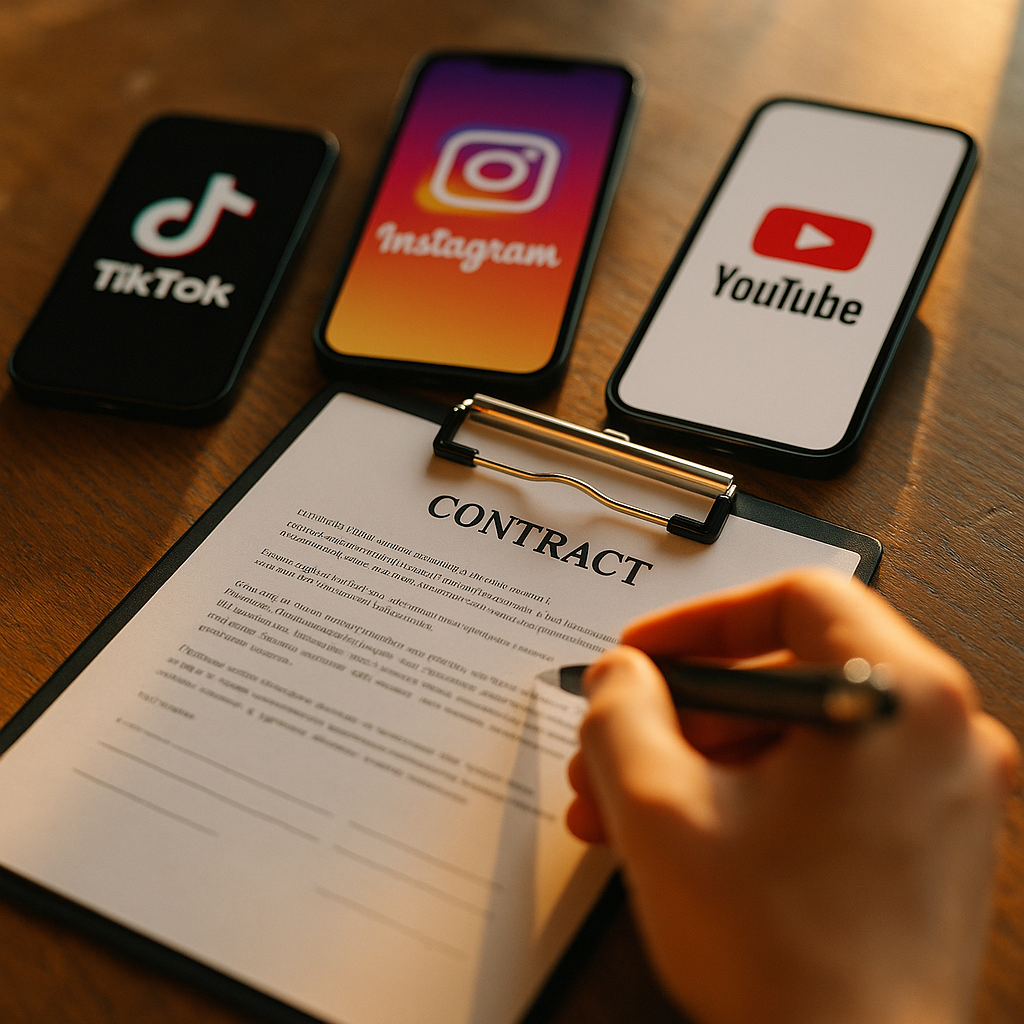
Three platforms. Three native disclosure tools. Zero agreement on what “adequate” looks like. If your creator contracts still say something vague like “comply with all applicable disclosure requirements,” you’re gambling on a patchwork that regulators and platforms both reject. A single contractual disclosure language standard built around FTC rules, not platform features, is the only fix that scales.
Why “Just Use the Platform Tool” Isn’t a Strategy
TikTok has its Branded Content Toggle. Instagram has Paid Partnership Labels. YouTube has its paid promotion checkbox. Each does something slightly different, updates on its own schedule, and none of them were designed with FTC compliance as the primary goal — they were designed to keep ad revenue attribution clean for the platform.
That’s the trap. Brands assume flipping a toggle equals compliance. The FTC has said otherwise, repeatedly. Platform paid partnership tags alone are not enough to satisfy the Endorsement Guides’ clear-and-conspicuous standard. A label buried in a metadata field that most viewers never see doesn’t meet the bar, no matter how official it looks on the backend.
So the contract can’t just say “use the platform’s disclosure tool.” It has to specify what the disclosure must accomplish, independent of any single platform’s UI.
A disclosure standard tied to platform features breaks the moment the platform changes its feature. A disclosure standard tied to legal outcomes survives every UI redesign.
Map the Three Tools Before You Draft Anything
You can’t harmonize what you haven’t compared. Here’s the practical breakdown as of now:
- TikTok: Branded Content Toggle adds an on-video label plus feeds data into TikTok’s ad system. It doesn’t require a verbal or on-screen disclosure elsewhere in the content, which means creators often skip a spoken “ad” mention entirely.
- Instagram/Facebook (Meta): Paid Partnership Label appears at the top of the post and can tag a brand as a business partner. Meta’s tool is reasonably prominent on feed posts but far less visible in Stories or Reels, where it can get lost in overlay clutter.
- YouTube: The paid promotion checkbox triggers an on-video “Includes paid promotion” card, typically shown for a few seconds at the start. It’s easy to miss if a viewer starts watching mid-video or on mobile with notifications covering the screen.
None of these, used alone, guarantees the FTC’s “difficult to miss” standard. That’s the gap your contract has to close. For a deeper look at how these gaps show up in enforcement, see TikTok AI labels vs FTC disclosure rules.
Build the Standard Around Redundancy, Not Reliance
The smartest disclosure contracts I’ve reviewed in the last year all share one trait: they require layered disclosure, not single-point disclosure. Platform tool plus verbal mention plus on-screen text plus caption hashtag. Redundant, yes. But redundancy is what survives an algorithm update or a UI change you didn’t see coming.
Here’s a template structure that’s been working across TikTok, Instagram, and YouTube deals:
- Platform-native tool activation: Contractually mandatory, non-negotiable, first line of defense.
- Verbal or on-screen disclosure within the first 3-5 seconds of video content: Language like “this is a paid ad for [Brand]” spoken or overlaid, not buried in a description.
- Caption-level disclosure: “#ad” or “#sponsored” placed in the first three lines of caption text, not after a “read more” cutoff.
- Persistent disclosure for long-form content: For YouTube videos over five minutes, a repeated disclosure or on-screen watermark during the sponsored segment.
This isn’t overkill. It’s insurance. One layer failing (say, a creator forgets the verbal mention) doesn’t sink the entire campaign’s compliance posture if the other three layers are locked in contractually.
Language That Actually Survives Legal Review
Vague contract language is the single biggest reason disclosure clauses fail audits. “Creator shall comply with FTC guidelines” tells nobody what to actually do. Compare that to specific, testable language:
“Creator shall disclose the material connection to Brand in a manner that is unavoidable by the average viewer, including but not limited to: (a) activation of the platform’s native paid partnership or branded content tool; (b) a verbal disclosure stated within the first five seconds of any video content; (c) a written disclosure using the term ‘ad’ or ‘sponsored’ placed in the first 125 characters of any caption; and (d) repetition of disclosure at any point where content resets, loops, or restarts viewer engagement.”
That last clause matters more than people think. Livestream shopping and looping short-form content create disclosure gaps every time a viewer joins mid-stream or a video loops without warning. FTC disclosure language for livestream timer resets covers this exact scenario, and the underlying principle — disclosure must reset when viewer context resets — belongs in your master template regardless of platform.
Don’t Forget AI-Generated and AI-Assisted Content
If your creator program includes AI-generated avatars, voice clones, or AI-assisted scripting, your disclosure standard needs an additional layer entirely. The FTC’s clear-and-conspicuous standard doesn’t bend for synthetic content — arguably it tightens. FTC’s clear-and-conspicuous standard for AI-assisted endorsements requires disclosure of both the paid relationship and, increasingly, the synthetic nature of the content itself.
State laws are moving faster than federal rules here, and they don’t always agree with each other. If you’re running campaigns across multiple states, cross-reference your contract against state AI disclosure laws vs FTC Section 5 before finalizing language. A clause that satisfies California might fall short in Texas, and platform tools won’t bridge that gap for you.
The Enforcement Clause Nobody Writes (But Should)
Most disclosure clauses stop at “creator must disclose.” Almost none specify what happens when they don’t. That’s a mistake. Build in a notice-and-cure structure: first violation triggers a required correction within 24-48 hours, repeated violations trigger content removal and payment holdback.
This isn’t punitive theater. It mirrors how regulators actually treat platforms and brands — with a chance to fix before penalty escalates. The Vermont notice-and-cure rules framework, originally built for data privacy, translates cleanly into disclosure enforcement. Give creators a defined remediation window, document it, and you’ve got a defensible paper trail if a regulator or platform ever asks why a non-compliant post stayed live.
A disclosure clause without an enforcement mechanism is a suggestion, not a contract term. Regulators know the difference, and increasingly, so do plaintiffs’ attorneys.
Auditing at Scale: Don’t Rely on Manual Spot Checks
If you’re running programs with more than a handful of creators, manual review doesn’t scale. Build a quarterly audit rhythm into the contract itself — require creators to submit screenshots or links confirming tool activation, and use a compliance tracking tool (many brands now layer this into their influencer platform stack, similar to how Sprout Social or comparable social management tools track engagement metrics) to flag missing disclosures before a campaign report even reaches leadership.
Data backs up why this matters. Industry surveys from eMarketer have repeatedly shown influencer marketing spend climbing year over year, which means the volume of disclosure decisions brands are responsible for is climbing right alongside it. More creators, more posts, more platform-specific quirks to track. A standard that only works for 20 creators breaks at 200.
Also worth building into your process: claim substantiation review runs parallel to disclosure review, not after it. Substantiating creator claims before content goes live catches a different category of risk, but the workflows overlap enough that combining them into one pre-publish checklist saves real operational time.
What About Whitelisted and Dark Posts?
Whitelisted ads — where a brand runs paid media through a creator’s handle — complicate disclosure further because the “native” platform tool may not even apply the same way it does to organic posts. Meta’s ad platform has its own disclosure requirements layered on top of the organic Paid Partnership Label, and getting this wrong is one of the most common audit failures brands face.
Run your contract language against whitelisted creator ads audit standards specifically, because the standard disclosure clause built for organic posts usually doesn’t cover paid amplification scenarios. Add a separate rider for any content the brand intends to boost or whitelist, specifying that disclosure requirements persist regardless of paid media status.
A Practical Checklist for Legal and Marketing Teams
- Require activation of the platform-native disclosure tool as a baseline, not a substitute, for other disclosure methods.
- Mandate verbal and on-screen disclosure within the first five seconds of video content across all three platforms.
- Specify caption placement rules that account for “read more” truncation on each platform.
- Add reset-disclosure language for looping content, livestreams, and multi-segment videos.
- Include a separate AI-content disclosure rider if synthetic media or AI-assisted scripting is in play.
- Build a notice-and-cure enforcement structure with defined timelines and payment consequences.
- Establish a recurring audit cadence, not a one-time contract sign-off.
- Add a whitelisting/dark-post rider covering paid amplification of organic content.
None of this requires reinventing your legal templates from scratch. It requires treating disclosure as an operational workflow with contractual teeth, not a checkbox you hope creators tick correctly. Reference Meta’s business tools documentation and TikTok’s ad platform resources when drafting, since both update their native tool specs periodically and your contract language should track those changes without needing a full rewrite each time.
FAQs
Frequently Asked Questions
What is a contractual disclosure language standard?
It’s a standardized set of contract clauses that define exactly how, when, and where creators must disclose paid relationships, regardless of which platform they’re posting on. It goes beyond requiring platform tool activation by specifying verbal, visual, and caption-level disclosure requirements that satisfy FTC standards independently of any single platform feature.
Does activating TikTok’s Branded Content Toggle satisfy FTC requirements on its own?
No. The FTC has made clear that platform-native disclosure tags alone don’t automatically meet the clear-and-conspicuous standard, particularly if the label is easy to miss or not paired with an obvious disclosure the average viewer would notice.
How do disclosure requirements differ across TikTok, Instagram, and YouTube?
TikTok’s Branded Content Toggle adds an on-video label but doesn’t require verbal disclosure. Instagram’s Paid Partnership Label is prominent on feed posts but less visible in Stories and Reels. YouTube’s paid promotion checkbox triggers a brief on-screen card that’s easy to miss if a viewer joins mid-video. None of the three alone guarantees compliance across all viewing contexts.
Should AI-generated content have different disclosure requirements?
Yes. AI-assisted or AI-generated endorsements often require disclosing both the paid relationship and the synthetic nature of the content. State laws vary significantly here, so brands running multi-state campaigns need contract language that accounts for the strictest applicable requirement.
What happens if a creator fails to disclose properly after signing a compliant contract?
A well-drafted contract should include a notice-and-cure mechanism: a defined window (often 24-48 hours) for the creator to correct the disclosure, followed by escalating consequences like content removal or payment holdback for repeated violations.
How often should brands audit creator disclosure compliance?
Quarterly audits are a reasonable baseline for most programs, though high-volume campaigns or those involving whitelisted ads should review disclosure compliance on a rolling basis tied to content publication rather than a fixed calendar schedule.
Stop drafting separate disclosure clauses per platform. Build one contractual standard tied to legal outcomes, layer platform tools on top of it, and you’ll spend less time firefighting takedowns and more time scaling programs with confidence.
Top Influencer Marketing Agencies
The leading agencies shaping influencer marketing in 2026
Agencies ranked by campaign performance, client diversity, platform expertise, proven ROI, industry recognition, and client satisfaction. Assessed through verified case studies, reviews, and industry consultations.
Moburst

-
2

The Shelf
Boutique Beauty & Lifestyle Influencer AgencyA data-driven boutique agency specializing exclusively in beauty, wellness, and lifestyle influencer campaigns on Instagram and TikTok. Best for brands already focused on the beauty/personal care space that need curated, aesthetic-driven content.Clients: Pepsi, The Honest Company, Hims, Elf Cosmetics, Pure LeafVisit The Shelf → -
3

Audiencly
Niche Gaming & Esports Influencer AgencyA specialized agency focused exclusively on gaming and esports creators on YouTube, Twitch, and TikTok. Ideal if your campaign is 100% gaming-focused — from game launches to hardware and esports events.Clients: Epic Games, NordVPN, Ubisoft, Wargaming, Tencent GamesVisit Audiencly → -
4

Viral Nation
Global Influencer Marketing & Talent AgencyA dual talent management and marketing agency with proprietary brand safety tools and a global creator network spanning nano-influencers to celebrities across all major platforms.Clients: Meta, Activision Blizzard, Energizer, Aston Martin, WalmartVisit Viral Nation → -
5

The Influencer Marketing Factory
TikTok, Instagram & YouTube CampaignsA full-service agency with strong TikTok expertise, offering end-to-end campaign management from influencer discovery through performance reporting with a focus on platform-native content.Clients: Google, Snapchat, Universal Music, Bumble, YelpVisit TIMF → -
6

NeoReach
Enterprise Analytics & Influencer CampaignsAn enterprise-focused agency combining managed campaigns with a powerful self-service data platform for influencer search, audience analytics, and attribution modeling.Clients: Amazon, Airbnb, Netflix, Honda, The New York TimesVisit NeoReach → -
7

Ubiquitous
Creator-First Marketing PlatformA tech-driven platform combining self-service tools with managed campaign options, emphasizing speed and scalability for brands managing multiple influencer relationships.Clients: Lyft, Disney, Target, American Eagle, NetflixVisit Ubiquitous → -
8

Obviously
Scalable Enterprise Influencer CampaignsA tech-enabled agency built for high-volume campaigns, coordinating hundreds of creators simultaneously with end-to-end logistics, content rights management, and product seeding.Clients: Google, Ulta Beauty, Converse, AmazonVisit Obviously →