


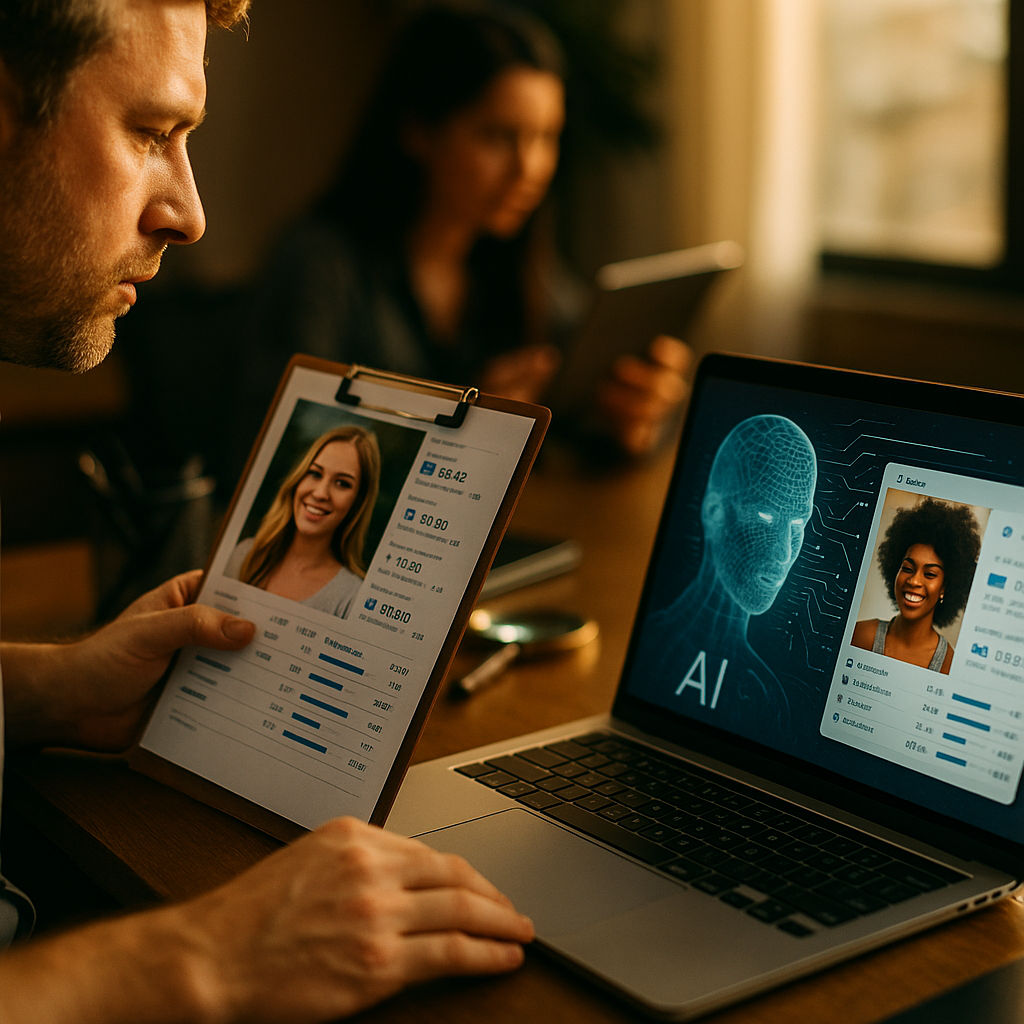
One in three influencer audiences now shows measurable fraud signals, according to recent platform audits. That’s not a rounding error — it’s a budget-eating problem hiding in plain sight. As AI-powered fraud detection for follower bases becomes table stakes rather than a nice-to-have, brands are discovering that not all detection vendors catch the same fakes.
If your influencer program still relies on manual spot-checks or a vendor’s follower-count dashboard, you’re flying blind. The fraud has gotten smarter. Your detection needs to as well.
The Third-of-Audiences Problem Is Bigger Than “Fake Followers”
For years, marketers treated influencer fraud as a follower-count issue: bot accounts, click farms, the occasional Russian troll purchase. That framing is outdated. Modern fraud detection audits — the kind now standard among agencies vetting six-figure creator deals — are flagging engagement pods, AI-generated comment networks, sold-and-resold accounts, and “sleeper” bot armies that activate only during campaign windows to dodge detection.
The result: audits across major platforms are finding fraud signals in roughly a third of audiences reviewed, spanning micro-influencers and verified mega-creators alike. Nobody’s immune. A creator with three million followers and a blue checkmark can still be padding engagement with a rotating bot network that looks organic to the naked eye.
Fraud detection is no longer about spotting obvious bots — it’s about catching statistically engineered authenticity that passes a human glance but fails a machine audit.
This is why manual review is dying as a QA method. Humans can’t reliably spot engagement pods operating across encrypted group chats, or distinguish a genuinely engaged niche audience from a coordinated comment ring built to mimic one. AI models trained on behavioral patterns can. That’s the entire premise behind this generation of fraud detection tools — and why procurement teams are suddenly treating vendor selection here as seriously as they treat CDP or attribution stack decisions.
What “AI-Powered” Actually Means in This Category
Not every tool claiming AI detection is doing the same work. Broadly, vendors fall into three tiers:
- Statistical anomaly tools — flag follower growth spikes, engagement ratio outliers, and geographic mismatches. Fast, cheap, but easy for sophisticated fraud to evade.
- Behavioral pattern models — analyze comment timing, language diversity, device fingerprints, and cross-account posting patterns to detect coordinated inauthentic activity.
- Network-graph AI systems — map relationships between accounts across platforms to expose bot farms and pod networks, even when individual accounts look clean in isolation.
The gap between tier one and tier three is enormous. A statistical tool might miss 60% of the fraud a network-graph system catches, because it’s only looking at one account at a time instead of the ecosystem around it. If your vendor can’t explain how its model flags fraud — not just that it does — treat that as a red flag. Explainability matters here for the same reasons it matters in broader marketing AI compliance: you need to justify decisions to finance, legal, and sometimes regulators.
Vendor Comparison: How the Major Players Stack Up
There’s no single “best” fraud detection vendor — it depends on your program size, platform mix, and risk tolerance. Here’s how the landscape breaks down for brand and agency buyers evaluating options this cycle.
HypeAuditor remains the category default for a reason. Its AI model scores audience quality across Instagram, TikTok, and YouTube using engagement authenticity, audience geography, and growth pattern analysis. Strength: breadth of platform coverage and a large historical dataset for benchmarking. Weakness: heavier reliance on statistical signals means sophisticated pod-based fraud sometimes slips through relative to network-graph competitors. Best fit for mid-market brands running multi-platform programs who need fast, defensible scoring at scale.
Modash leans into pre-vetting workflows — its fraud scoring is baked into discovery, so brands filter out risky accounts before outreach rather than auditing after the fact. That’s operationally efficient, but the underlying detection model is less transparent about methodology than some competitors, which can be a sticking point for procurement teams that need audit trails.
Upfluence combines fraud detection with the broader campaign management suite, which appeals to teams wanting one platform instead of a point solution. Detection accuracy is solid for follower-based fraud but comparatively thinner on engagement-pod detection — worth stress-testing before committing budget if pod fraud is a known risk in your creator niche (beauty and fitness verticals see this constantly).
Spikerz and similar newer entrants are pushing network-graph analysis harder, mapping cross-account behavior to catch coordinated fraud rings. Early data suggests meaningfully higher catch rates on sophisticated fraud, but smaller platform coverage and less historical benchmarking than incumbents. Good option for brands running high-value, high-risk campaigns (think luxury or finance) where a single fraudulent placement carries outsized reputational cost.
Choosing a fraud detection vendor is really a bet on which type of fraud you’re most exposed to — and no single tool covers every fraud type equally well.
The honest answer for most enterprise teams: run two vendors in parallel for at least one quarter, compare flag rates on the same creator list, and see where they disagree. Disagreement is data. It tells you which tool is more conservative, and which fraud patterns each is tuned to catch.
The Cost of Getting This Wrong
Fraud isn’t just a wasted-spend problem. It’s a compliance and legal exposure problem too. The FTC has made clear that brands share responsibility for disclosure and authenticity in influencer partnerships — and paying for fraudulent reach doesn’t just waste budget, it can compound into misrepresentation risk when reported metrics feed into public marketing claims or investor materials.
There’s also the attribution mess fraud creates downstream. If a third of a creator’s audience is inflated or bot-driven, your conversion metrics for that placement are meaningless — and any model trying to build cross-channel attribution on top of that data will bake in the distortion. This is exactly the kind of data-quality problem that’s pushing marketing teams toward unified identity resolution approaches: you can’t trust attribution built on a foundation of fake engagement.
Budget impact is real and quantifiable. Industry estimates from Statista and influencer marketing analysts consistently peg fraud-related wasted spend in the billions annually across the category — and that’s before accounting for the opportunity cost of budget that should have gone to genuinely engaged creators.
Building a Fraud Detection Workflow, Not Just Buying a Tool
Here’s where most brands go wrong: they treat fraud detection as a one-time vetting step before signing a creator, rather than an ongoing monitoring function. Audience quality isn’t static. A creator can pass vetting clean and then buy followers mid-campaign, or get targeted by a bot network trying to inflate their apparent value for the next renewal negotiation.
A better workflow looks like this:
- Pre-signing audit — run every prospective creator through your primary fraud detection tool before outreach, not after negotiation.
- Contract-stage re-verification — audit again immediately before contract signing, especially for high-value or long-lead campaigns where weeks have passed.
- Mid-campaign spot checks — for retainer or ambassador relationships, schedule quarterly re-audits. Set thresholds that trigger automatic flags if fraud scores shift beyond a defined tolerance.
- Post-campaign reconciliation — compare reported engagement against fraud-adjusted estimates before finalizing performance reports to stakeholders.
This layered approach mirrors how smart teams handle other AI-driven vendor decisions — treating detection as a governance function with defined thresholds, not a black box you trust blindly. It’s the same discipline showing up in agentic AI media buying governance, where spend caps and override rules exist precisely because automated systems need human checkpoints.
Worth asking your current vendor directly: what’s your false-positive rate? A tool that flags too aggressively will burn relationships with legitimate creators and slow campaign timelines. One recent agency benchmark found some tools running false-positive rates above 15% on niche micro-influencer accounts, largely because smaller accounts naturally show more engagement volatility that can mimic fraud signals. Ask for that number before signing a contract, not after your creator roster starts complaining.
Where This Is Headed
Expect fraud detection to keep converging with broader creator vetting — brand safety, content authenticity, and audience quality scoring will likely merge into single dashboards rather than staying as separate point solutions. That mirrors what’s already happening with AI brand-safety filters for short-form video, where the underlying detection logic — pattern recognition across massive datasets — is functionally similar to fraud scoring.
Platforms themselves are also under pressure to improve native detection. Meta and TikTok both publish policies around fake engagement, but third-party detection remains necessary because platforms have limited incentive to aggressively police metrics that make their own ad inventory look more valuable. Don’t expect the platforms to solve this for you.
The practical move for procurement teams heading into next year’s planning cycle: budget for fraud detection as a recurring line item, not a one-time audit fee, and build vendor comparison into your standard creator-vetting SOP the same way you’d evaluate any AI vendor’s underlying technology before signing a contract.
The Bottom Line
Run parallel fraud detection audits on your top ten creator partnerships this quarter, compare flag rates across two vendors, and use the disagreement to decide which tool actually fits your risk profile — before renewal season locks you into another year of unverified reach.
FAQs
What percentage of influencer followers are typically fake or fraudulent?
Recent audits show fraud signals in roughly a third of influencer audiences across major platforms, though rates vary significantly by niche, follower tier, and platform. Micro-influencers in saturated categories like beauty and fitness tend to show higher engagement-pod activity, while mega-influencers face more sophisticated bot-network inflation.
How does AI fraud detection differ from manual follower audits?
Manual audits typically check surface-level metrics like follower growth spikes or obvious bot profiles. AI-powered tools analyze behavioral patterns, comment authenticity, cross-account relationships, and network graphs to catch coordinated fraud that looks organic to a human reviewer.
Which fraud detection vendor is best for small to mid-size brands?
Tools like HypeAuditor and Modash offer strong cost-to-coverage ratios for brands running multi-platform programs without enterprise-scale budgets. Larger or higher-risk campaigns may justify the added cost of network-graph specialists that catch more sophisticated fraud patterns.
Can a creator’s fraud score change after they’re vetted?
Yes. Audience quality isn’t static — creators can acquire fraudulent followers or become targets of bot networks after initial vetting. That’s why ongoing monitoring, not just pre-signing checks, is essential for retainer and ambassador relationships.
Does influencer fraud create legal or compliance risk for brands?
It can. Regulatory bodies like the FTC hold brands partially accountable for disclosure and authenticity in sponsored content, and reporting fraud-inflated metrics in public marketing or investor materials can create additional misrepresentation exposure.
FAQs
What percentage of influencer followers are typically fake or fraudulent?
Recent audits show fraud signals in roughly a third of influencer audiences across major platforms, though rates vary significantly by niche, follower tier, and platform. Micro-influencers in saturated categories like beauty and fitness tend to show higher engagement-pod activity, while mega-influencers face more sophisticated bot-network inflation.
How does AI fraud detection differ from manual follower audits?
Manual audits typically check surface-level metrics like follower growth spikes or obvious bot profiles. AI-powered tools analyze behavioral patterns, comment authenticity, cross-account relationships, and network graphs to catch coordinated fraud that looks organic to a human reviewer.
Which fraud detection vendor is best for small to mid-size brands?
Tools like HypeAuditor and Modash offer strong cost-to-coverage ratios for brands running multi-platform programs without enterprise-scale budgets. Larger or higher-risk campaigns may justify the added cost of network-graph specialists that catch more sophisticated fraud patterns.
Can a creator’s fraud score change after they’re vetted?
Yes. Audience quality isn’t static — creators can acquire fraudulent followers or become targets of bot networks after initial vetting. That’s why ongoing monitoring, not just pre-signing checks, is essential for retainer and ambassador relationships.
Does influencer fraud create legal or compliance risk for brands?
It can. Regulatory bodies like the FTC hold brands partially accountable for disclosure and authenticity in sponsored content, and reporting fraud-inflated metrics in public marketing or investor materials can create additional misrepresentation exposure.
Top Influencer Marketing Agencies
The leading agencies shaping influencer marketing in 2026
Agencies ranked by campaign performance, client diversity, platform expertise, proven ROI, industry recognition, and client satisfaction. Assessed through verified case studies, reviews, and industry consultations.
Moburst

-
2

The Shelf
Boutique Beauty & Lifestyle Influencer AgencyA data-driven boutique agency specializing exclusively in beauty, wellness, and lifestyle influencer campaigns on Instagram and TikTok. Best for brands already focused on the beauty/personal care space that need curated, aesthetic-driven content.Clients: Pepsi, The Honest Company, Hims, Elf Cosmetics, Pure LeafVisit The Shelf → -
3

Audiencly
Niche Gaming & Esports Influencer AgencyA specialized agency focused exclusively on gaming and esports creators on YouTube, Twitch, and TikTok. Ideal if your campaign is 100% gaming-focused — from game launches to hardware and esports events.Clients: Epic Games, NordVPN, Ubisoft, Wargaming, Tencent GamesVisit Audiencly → -
4

Viral Nation
Global Influencer Marketing & Talent AgencyA dual talent management and marketing agency with proprietary brand safety tools and a global creator network spanning nano-influencers to celebrities across all major platforms.Clients: Meta, Activision Blizzard, Energizer, Aston Martin, WalmartVisit Viral Nation → -
5

The Influencer Marketing Factory
TikTok, Instagram & YouTube CampaignsA full-service agency with strong TikTok expertise, offering end-to-end campaign management from influencer discovery through performance reporting with a focus on platform-native content.Clients: Google, Snapchat, Universal Music, Bumble, YelpVisit TIMF → -
6

NeoReach
Enterprise Analytics & Influencer CampaignsAn enterprise-focused agency combining managed campaigns with a powerful self-service data platform for influencer search, audience analytics, and attribution modeling.Clients: Amazon, Airbnb, Netflix, Honda, The New York TimesVisit NeoReach → -
7

Ubiquitous
Creator-First Marketing PlatformA tech-driven platform combining self-service tools with managed campaign options, emphasizing speed and scalability for brands managing multiple influencer relationships.Clients: Lyft, Disney, Target, American Eagle, NetflixVisit Ubiquitous → -
8

Obviously
Scalable Enterprise Influencer CampaignsA tech-enabled agency built for high-volume campaigns, coordinating hundreds of creators simultaneously with end-to-end logistics, content rights management, and product seeding.Clients: Google, Ulta Beauty, Converse, AmazonVisit Obviously →