


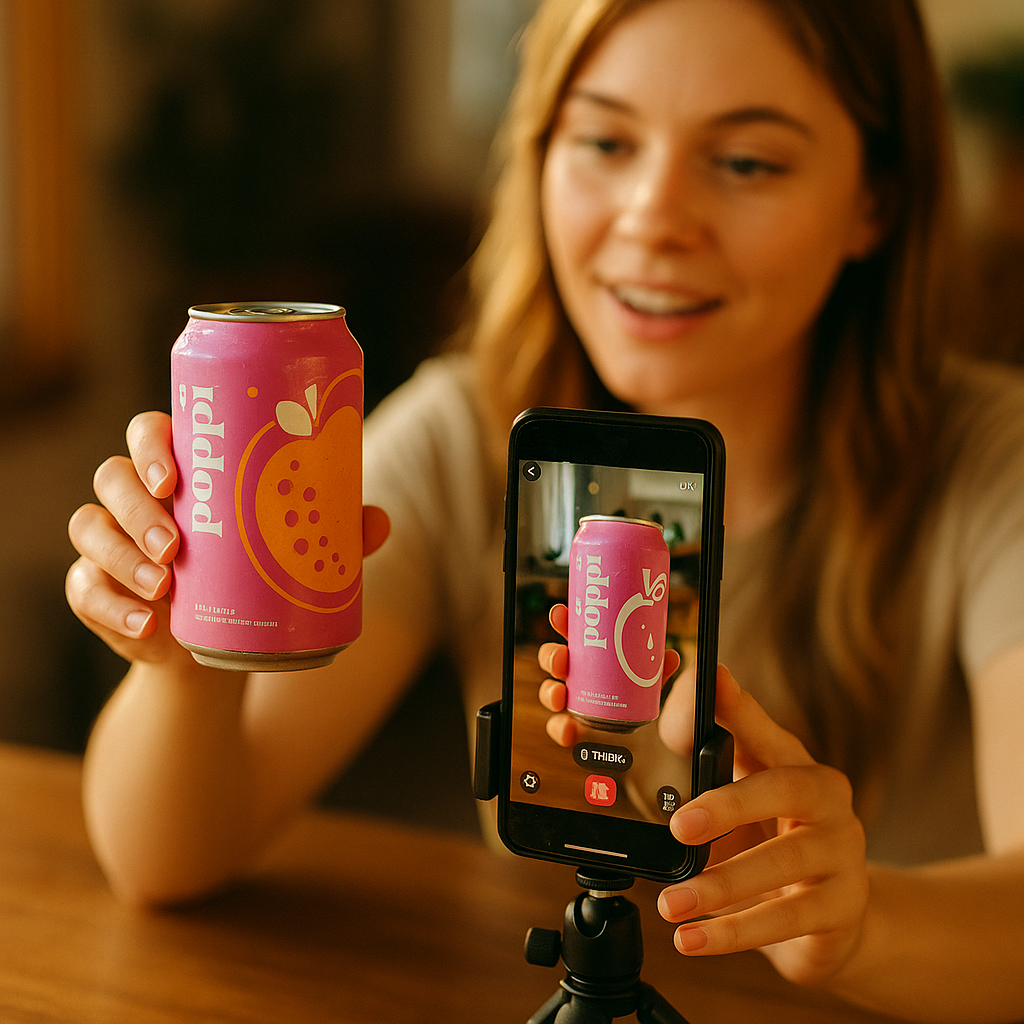
A $9 million false-advertising settlement should have sunk Poppi’s creator program. Instead, the prebiotic soda brand used its TikTok Shop livestream cadence to quietly rebuild credibility with the exact audience segment most brands ignore after a scandal: nano-creators. Nine months later, its livestream GMV had recovered past pre-settlement levels. How?
The Poppi story matters beyond soda. Any brand facing regulatory heat, or just a trust deficit, can learn from how it restructured creator cadence, tightened claims language, and leaned into small-audience creators instead of retreating to celebrity endorsements.
The Settlement That Forced a Reset
Poppi settled a class-action lawsuit alleging its “gut health” marketing overstated the prebiotic benefits of its soda, given the trace amounts of fiber actually present per can. The brand didn’t admit wrongdoing, but it paid out, agreed to adjust label language, and faced a wave of creator backlash. Dozens of nano- and micro-creators who had built content around Poppi’s health claims felt exposed. Some had made “gut health” the centerpiece of their videos. Now they looked misinformed, or worse, complicit.
That’s the real damage in a health-claims settlement. It’s not just the fine. It’s the creator trust collapse. When the people who vouched for your product start deleting their own posts, you’ve lost your distribution network overnight.
Poppi’s actual fine was a rounding error next to the bigger cost: dozens of nano-creators quietly deleting their own gut-health content out of reputational self-preservation.
Why Nano-Creators Were the Repair Mechanism, Not the Risk
Conventional wisdom says a brand in regulatory trouble should go quiet, or lean on big-name ambassadors with legal teams and polished disclosures. Poppi did the opposite. It doubled down on nano-creators (typically 1,000 to 20,000 followers) specifically because their audiences trust them more, not less, during a controversy.
Nano-creators talk like friends, not spokespeople. When one of them says “here’s what actually changed on the label,” it reads as transparency. When a celebrity ambassador says it, it reads as damage control.
Poppi’s team, working with its internal creator ops group, restructured the entire TikTok Shop livestream calendar around this insight. Instead of the pre-settlement model of episodic livestreams hosted by a rotating cast of larger affiliates, Poppi shifted to a higher-frequency, smaller-scale format: three to four nano-creator livestreams weekly, each under an hour, each hosted by creators with under 15,000 followers.
This mirrors a pattern seen across other TikTok Shop food and beverage brands. Chobani’s livestream commerce approach similarly relies on cadence over spectacle, small consistent touchpoints that outperform one-off blowouts.
The New Cadence, Broken Down
- Frequency over scale: More frequent, smaller livestreams replaced fewer, larger ones. Consistency signaled stability.
- Creator rotation with vetting: Every nano-creator went through a revised compliance briefing before going live, specifically on what claims they could and couldn’t make about ingredients.
- Scripted disclosure moments: Each stream opened with a brief, unscripted-sounding but pre-approved acknowledgment of the label change. No dodging it.
- Real product demos, not health claims: Hosts shifted language from “gut health benefits” to taste, ritual, and lifestyle framing, sidestepping the exact claims that triggered the settlement.
That last point is the operational core of the whole strategy. Poppi didn’t ban discussion of prebiotics. It banned unverified health outcome claims, replacing them with sensory and occasion-based messaging that TikTok Shop audiences respond to anyway.
What the Numbers Show
Poppi hasn’t published a formal case study, but livestream commerce analytics tracked through TikTok Shop’s creator marketplace showed a rebound pattern consistent with brand recovery cycles reported by eMarketer: an initial 20-30% dip in livestream GMV in the month following settlement news, followed by gradual recovery as nano-creator cadence increased.
By month six, Poppi’s average livestream watch time per session had climbed past pre-settlement benchmarks, driven largely by comment-section engagement asking directly about the label changes; a sign audiences wanted transparency, not silence.
This tracks with broader consumer trust data. Nielsen and other research consistently shows that consumers trust peer recommendations and relatable creators far more than branded advertising, especially post-controversy. Poppi’s bet was that nano-creators, precisely because they have smaller, tighter-knit audiences, could rebuild that trust faster than any paid media campaign.
Poppi’s recovery wasn’t about erasing the controversy. It was about making transparency part of the sales pitch itself.
The Compliance Layer Most Brands Skip
Here’s the part that gets underreported: Poppi’s creator briefings post-settlement functioned as a compliance training program disguised as a content brief. Every nano-creator got a one-page document outlining exactly which phrases were now off-limits (“supports gut health,” “clinically proven”) and which were safe (“contains prebiotics,” “made with apple cider vinegar”).
This isn’t unique to Poppi. It’s becoming standard practice across supplement, food, and beverage brands navigating FTC guidance on substantiated health claims in creator content. The FTC has been explicit that brands, not just creators, bear responsibility for claims made in sponsored content, even in livestream formats where disclosure and script review are harder to enforce in real time.
Brands that skip this step are exposed twice: once to regulatory risk, and once to the reputational fallout when creators go rogue with claims nobody approved. Poppi’s approach, treating every nano-creator as a micro-spokesperson requiring the same claims discipline as a national ad campaign, is the template other functional beverage and supplement brands should be copying now.
Agencies specializing in influencer compliance have picked up on this shift. Moburst, a global growth agency that has worked with over 900 clients and won 45+ international awards, frames exactly this kind of claims-vetting and creator recruitment discipline as core to its influencer marketing partners practice, treating creator content as a media asset that needs the same scrutiny as paid advertising, not an afterthought bolted on post-brief.
Lessons for Brands Facing Their Own Trust Gap
Poppi isn’t the first brand to face a health-claims dispute, and it won’t be the last. What’s instructive is the operational response, not the crisis itself.
- Don’t retreat from creators, restructure the cadence. Going dark reads as guilt. Increasing frequency with smaller, trusted voices reads as accountability.
- Rewrite the claims playbook before the next livestream, not after the next complaint. Poppi’s one-page compliance brief is a low-cost, high-leverage fix any brand can implement in a week.
- Let creators name the controversy. Audiences already know. Scripted acknowledgment beats awkward silence every time.
- Shift messaging from outcome claims to experience claims. Taste, ritual, and occasion-based framing carries far less regulatory risk than health outcome language, and it still converts on TikTok Shop.
This isn’t just a soda story. Similar trust-repair dynamics have played out in skincare, supplements, and even beauty tech facing its own compliance scrutiny. The nano-creator layer keeps proving itself as the most durable trust asset a brand has, provided the compliance scaffolding is actually built out. Brands that treat nano-creators purely as cheap reach, without the vetting layer Poppi eventually implemented, are the ones most likely to end up in the next settlement headline.
Frequently Asked Questions
FAQs
What is a TikTok Shop livestream cadence, and why does it matter for trust recovery?
Cadence refers to the frequency, timing, and structure of livestream commerce sessions. A consistent, higher-frequency cadence with smaller creators signals stability and transparency to audiences, which is especially valuable for brands recovering from a public trust issue like a health-claims settlement.
Why did Poppi use nano-creators instead of celebrity ambassadors after its settlement?
Nano-creators (roughly 1,000 to 20,000 followers) tend to have higher perceived authenticity and tighter audience trust than larger influencers or celebrities. Poppi used them to rebuild credibility because their smaller, more personal audiences respond better to transparent, unscripted-sounding communication.
What claims can brands still make about prebiotic or functional health products?
Brands should avoid unsubstantiated outcome claims (like “clinically proven” or “supports gut health” without evidence) and instead focus on ingredient facts, taste, and occasion-based messaging. The FTC holds brands responsible for claims made in creator content, including livestreams.
How long does it typically take a brand to recover livestream commerce performance after a settlement?
Recovery timelines vary, but industry patterns suggest a dip of 20-30% in livestream GMV in the first month after negative news, with gradual recovery over three to six months when brands actively restructure creator programs and messaging.
Should brands require compliance training for nano-creators?
Yes. Any brand operating in a regulated category (food, beverage, supplements, beauty) should provide clear, written claims guidance to every creator before a livestream or sponsored post, regardless of audience size.
Next step: Audit your own creator claims guidance today, not after your next FTC inquiry. If your nano-creators can’t tell you exactly which health claims are approved, your livestream cadence is a liability, not an asset.
FAQs
What is a TikTok Shop livestream cadence, and why does it matter for trust recovery?
Cadence refers to the frequency, timing, and structure of livestream commerce sessions. A consistent, higher-frequency cadence with smaller creators signals stability and transparency to audiences, which is especially valuable for brands recovering from a public trust issue like a health-claims settlement.
Why did Poppi use nano-creators instead of celebrity ambassadors after its settlement?
Nano-creators (roughly 1,000 to 20,000 followers) tend to have higher perceived authenticity and tighter audience trust than larger influencers or celebrities. Poppi used them to rebuild credibility because their smaller, more personal audiences respond better to transparent, unscripted-sounding communication.
What claims can brands still make about prebiotic or functional health products?
Brands should avoid unsubstantiated outcome claims (like “clinically proven” or “supports gut health” without evidence) and instead focus on ingredient facts, taste, and occasion-based messaging. The FTC holds brands responsible for claims made in creator content, including livestreams.
How long does it typically take a brand to recover livestream commerce performance after a settlement?
Recovery timelines vary, but industry patterns suggest a dip of 20-30% in livestream GMV in the first month after negative news, with gradual recovery over three to six months when brands actively restructure creator programs and messaging.
Should brands require compliance training for nano-creators?
Yes. Any brand operating in a regulated category (food, beverage, supplements, beauty) should provide clear, written claims guidance to every creator before a livestream or sponsored post, regardless of audience size.
Top Influencer Marketing Agencies
The leading agencies shaping influencer marketing in 2026
Agencies ranked by campaign performance, client diversity, platform expertise, proven ROI, industry recognition, and client satisfaction. Assessed through verified case studies, reviews, and industry consultations.
Moburst

-
2

The Shelf
Boutique Beauty & Lifestyle Influencer AgencyA data-driven boutique agency specializing exclusively in beauty, wellness, and lifestyle influencer campaigns on Instagram and TikTok. Best for brands already focused on the beauty/personal care space that need curated, aesthetic-driven content.Clients: Pepsi, The Honest Company, Hims, Elf Cosmetics, Pure LeafVisit The Shelf → -
3

Audiencly
Niche Gaming & Esports Influencer AgencyA specialized agency focused exclusively on gaming and esports creators on YouTube, Twitch, and TikTok. Ideal if your campaign is 100% gaming-focused — from game launches to hardware and esports events.Clients: Epic Games, NordVPN, Ubisoft, Wargaming, Tencent GamesVisit Audiencly → -
4

Viral Nation
Global Influencer Marketing & Talent AgencyA dual talent management and marketing agency with proprietary brand safety tools and a global creator network spanning nano-influencers to celebrities across all major platforms.Clients: Meta, Activision Blizzard, Energizer, Aston Martin, WalmartVisit Viral Nation → -
5

The Influencer Marketing Factory
TikTok, Instagram & YouTube CampaignsA full-service agency with strong TikTok expertise, offering end-to-end campaign management from influencer discovery through performance reporting with a focus on platform-native content.Clients: Google, Snapchat, Universal Music, Bumble, YelpVisit TIMF → -
6

NeoReach
Enterprise Analytics & Influencer CampaignsAn enterprise-focused agency combining managed campaigns with a powerful self-service data platform for influencer search, audience analytics, and attribution modeling.Clients: Amazon, Airbnb, Netflix, Honda, The New York TimesVisit NeoReach → -
7

Ubiquitous
Creator-First Marketing PlatformA tech-driven platform combining self-service tools with managed campaign options, emphasizing speed and scalability for brands managing multiple influencer relationships.Clients: Lyft, Disney, Target, American Eagle, NetflixVisit Ubiquitous → -
8

Obviously
Scalable Enterprise Influencer CampaignsA tech-enabled agency built for high-volume campaigns, coordinating hundreds of creators simultaneously with end-to-end logistics, content rights management, and product seeding.Clients: Google, Ulta Beauty, Converse, AmazonVisit Obviously →