


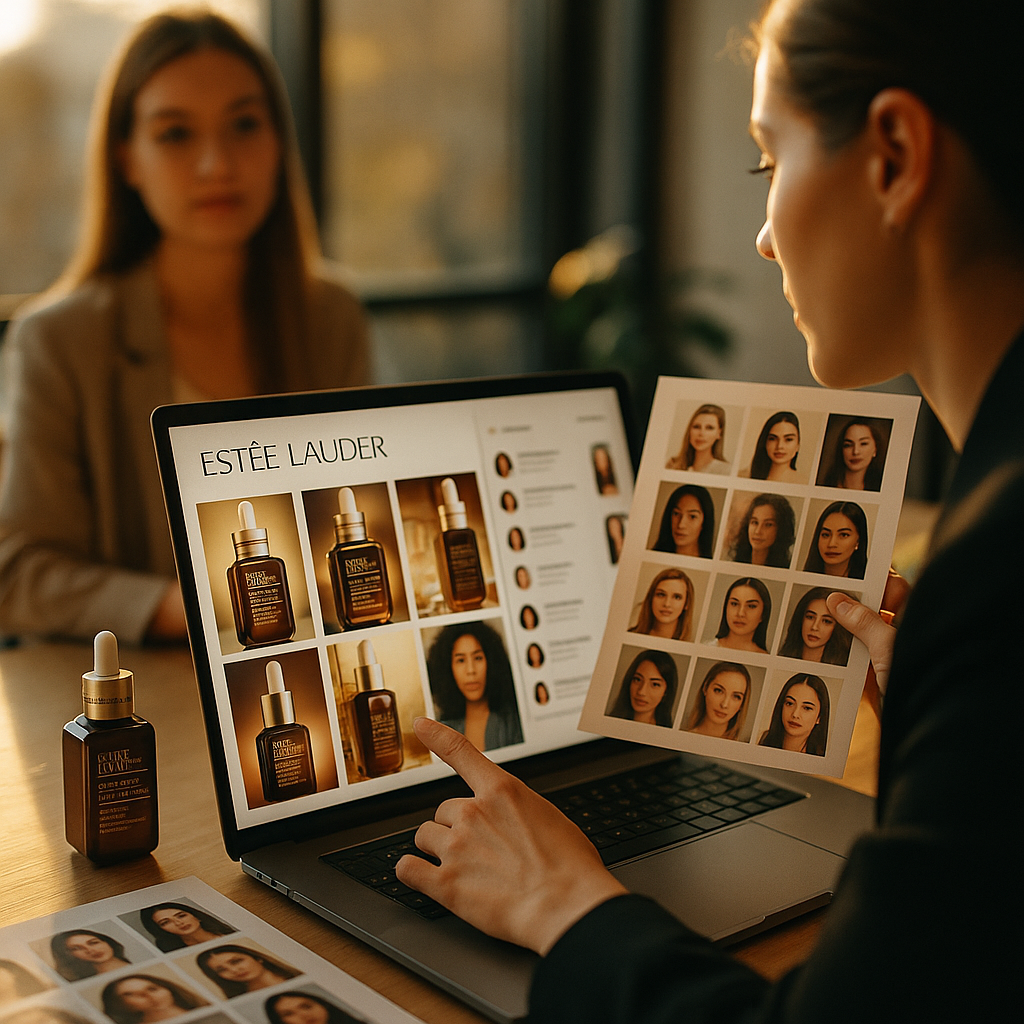
One beauty giant just told every CMO on earth that influencer marketing has outgrown spreadsheets and Slack threads. Estée Lauder’s new enterprise influencer technology platform isn’t a vendor announcement — it’s a signal that creator operations are becoming permanent, standardized infrastructure, not a marketing experiment run out of a single regional office.
The Announcement That’s Bigger Than It Looks
Estée Lauder Companies has consolidated creator discovery, contracting, payments, content rights management, and performance reporting into a single global technology stack. On paper, that sounds like procurement housekeeping. In practice, it’s a declaration that influencer marketing has graduated from tactic to system.
For a company running dozens of brands (MAC, Clinique, La Mer, Too Faced) across more than 150 markets, the old model of letting each regional team pick its own tools, negotiate its own rates, and build its own reporting templates was never sustainable. It just took this long for the pain to outweigh the inertia.
When a $50 billion beauty conglomerate standardizes creator operations globally, it stops being a “nice to have” and becomes the baseline every competitor gets measured against.
Why “Standardization” Is the Real Story, Not the Tech Stack
Plenty of brands have bought influencer platforms before. Traackr, CreatorIQ, Grin — the category is crowded. What makes Estée Lauder’s move different is scope. This isn’t one brand team buying software. It’s an enterprise-wide operating layer meant to govern how every brand, in every region, sources and manages creators.
That distinction matters because it addresses the three things that quietly bleed budget in decentralized influencer programs:
- Rate inconsistency — the same creator getting paid three different rates by three regional teams within the same company.
- Duplicate discovery work — regional teams independently vetting the same creators, burning agency hours on redundant research.
- Fragmented compliance — inconsistent disclosure practices across markets, which is a regulatory landmine given how differently the FTC and the UK’s ICO approach advertising transparency.
Standardizing the operational layer doesn’t just save money. It reduces legal exposure and makes performance data comparable across markets for the first time. That last point is the one CFOs actually care about.
This Follows a Pattern, Not a One-Off Decision
Estée Lauder didn’t wake up one morning and decide to overhaul creator ops. This platform is the natural next step after the company’s earlier move toward creator tiering to cut agency spend, which already proved that structured segmentation (hero creators, mid-tier ambassadors, always-on micro-creators) could reduce reliance on expensive agency intermediaries.
That tiering work laid the groundwork. Once you’ve classified creators into tiers with different rate cards, deliverables, and renewal terms, you need a system that can actually enforce those rules at scale. Spreadsheets can’t do that across 150 markets. Software can. It’s the same logic explored in our coverage of how tiered influencer models are becoming enterprise infrastructure more broadly — the tiering was the strategy, the platform is the execution layer.
It also tracks with a wider hiring shift. Estée Lauder has been building in-house content and creator operations teams for a while now, a trend we flagged in our analysis of the Amazon, Google, and Estée Lauder hiring wave. You don’t hire in-house creator ops specialists and then leave them running programs on disconnected tools. The platform is where those hires actually get to do their jobs efficiently.
What “Standardized Global Creator Operations” Actually Means for Brand Teams
Let’s get concrete. A standardized enterprise creator platform typically centralizes:
- Creator vetting and brand safety screening, applied consistently rather than market-by-market.
- Contract templates and rate benchmarks, so a creator in São Paulo and one in Seoul are priced against the same logic, adjusted for local market conditions rather than negotiator whim.
- Content rights management, critical when brands increasingly repurpose creator content into paid social and even TV, a trend that’s colliding with the broader convergence covered in our IAB Upfront convergence piece.
- Unified performance measurement, so ROI comparisons across regions aren’t apples-to-oranges.
That last point deserves its own paragraph, because measurement has been the influencer industry’s Achilles’ heel for years. The old $5.78 EMV benchmark that agencies loved citing never held up under real scrutiny; we’ve written before about why influencer ROI claims need real verification, not just earned media value math dressed up to look scientific. A standardized platform doesn’t automatically fix attribution, but it does force every region onto the same measurement framework, which is a prerequisite for any real attribution model to work.
The Governance Angle Nobody’s Talking About Enough
Here’s the part that should matter most to risk and compliance teams, even though it’s getting less press than the tech itself. Global brands face wildly different disclosure rules depending on jurisdiction. The FTC’s endorsement guidelines differ from EU influencer marketing codes, which differ again from region-specific rules in Southeast Asia and Latin America.
A fragmented, region-by-region influencer program means fragmented compliance exposure. One enterprise platform, applied consistently, means disclosure logic, contract clauses, and content approval workflows can be built once and enforced everywhere. That’s not a nice side benefit. That’s the whole point, and it aligns with the broader industry shift we covered in Gartner’s hype cycle move toward AI marketing governance. Marketing technology investment generally is shifting from “can we do this” to “can we prove we did this correctly.”
Standardized creator infrastructure isn’t just an efficiency play. It’s how a global brand builds a defensible compliance paper trail across a hundred-plus jurisdictions at once.
What This Means If You’re Not Estée Lauder
Most brands reading this don’t have Estée Lauder’s budget or its 150-market footprint. Fair. But the structural logic still applies, just at a smaller scale.
If your influencer program currently runs on a patchwork of spreadsheets, a couple of DTC-focused platforms, and one overworked coordinator manually chasing usage rights renewals, you’re carrying the same risk Estée Lauder just engineered out of its system, just with less capital to absorb the fallout if something goes wrong.
Practical steps that mirror what enterprise players are doing, scaled down:
- Consolidate creator contracts into a single template library with jurisdiction-specific disclosure clauses baked in.
- Centralize rate benchmarking, even if it’s just a shared internal database, so regional or category teams aren’t bidding against each other for the same creators.
- Pick one measurement framework and apply it everywhere. Inconsistent attribution methods make it impossible to compare campaign performance across markets or platforms, an issue explored in depth in our piece on AI multi-touch attribution becoming non-negotiable for global brands.
- Audit content rights before you scale creator content into paid media. This becomes a legal problem fast if usage terms weren’t standardized upfront.
None of this requires enterprise software spend on day one. It requires treating creator operations like a system with rules, not a series of one-off campaigns. According to eMarketer, influencer marketing spend continues to climb well past the point where ad hoc management makes financial sense, and Sprout Social’s ongoing research on brand-creator relationships keeps reinforcing that operational consistency, not creative novelty, is what separates programs that scale from ones that stall.
The Competitive Pressure This Creates
Once one major player in a category standardizes, competitors feel pressure fast. Not because the tech itself is a secret weapon, but because standardized operations let a brand move faster, negotiate better rates, and produce cleaner reporting for leadership. Speed and clean data compound over quarters.
Expect other CPG and beauty conglomerates to follow within the next reporting cycle or two. This is the same adoption curve we’ve seen with tiered influencer models generally, documented in our coverage of tiered influencer models becoming the enterprise standard across categories beyond beauty. Structural shifts like this rarely stay contained to one company for long.
Takeaway
If your influencer program still runs on regional autonomy and disconnected spreadsheets, treat Estée Lauder’s move as an early warning, not a distant enterprise concern. Start by unifying your measurement framework and contract templates this quarter; the platform investment can come later, but the operational discipline can’t wait.
FAQs
What is an enterprise influencer technology platform?
It’s a centralized software system that manages creator discovery, contracting, payments, content rights, and performance reporting across all of a company’s brands and markets, replacing region-by-region tools and manual processes.
Why is Estée Lauder’s platform considered a structural shift rather than a routine tech purchase?
Because it standardizes creator operations across roughly 150 markets and multiple brand portfolios simultaneously, rather than being adopted by a single regional or brand team, signaling that influencer management is becoming permanent global infrastructure.
How does creator operations standardization reduce compliance risk?
A single platform enforces consistent disclosure rules, contract clauses, and content approval workflows across jurisdictions, creating a defensible audit trail instead of fragmented, market-specific compliance practices that vary in quality and consistency.
Can smaller brands apply the same principles without enterprise software?
Yes. Smaller brands can replicate the underlying logic by consolidating contract templates, standardizing rate benchmarks, and applying one measurement framework across all campaigns, even before investing in dedicated enterprise platforms.
Does this trend affect how brands measure influencer ROI?
Yes. Standardized operations force consistent measurement methodology across markets, which is a prerequisite for reliable cross-market ROI comparisons and more credible attribution than legacy earned media value estimates.
FAQs
What is an enterprise influencer technology platform?
It’s a centralized software system that manages creator discovery, contracting, payments, content rights, and performance reporting across all of a company’s brands and markets, replacing region-by-region tools and manual processes.
Why is Estée Lauder’s platform considered a structural shift rather than a routine tech purchase?
Because it standardizes creator operations across roughly 150 markets and multiple brand portfolios simultaneously, rather than being adopted by a single regional or brand team, signaling that influencer management is becoming permanent global infrastructure.
How does creator operations standardization reduce compliance risk?
A single platform enforces consistent disclosure rules, contract clauses, and content approval workflows across jurisdictions, creating a defensible audit trail instead of fragmented, market-specific compliance practices that vary in quality and consistency.
Can smaller brands apply the same principles without enterprise software?
Yes. Smaller brands can replicate the underlying logic by consolidating contract templates, standardizing rate benchmarks, and applying one measurement framework across all campaigns, even before investing in dedicated enterprise platforms.
Does this trend affect how brands measure influencer ROI?
Yes. Standardized operations force consistent measurement methodology across markets, which is a prerequisite for reliable cross-market ROI comparisons and more credible attribution than legacy earned media value estimates.
Top Influencer Marketing Agencies
The leading agencies shaping influencer marketing in 2026
Agencies ranked by campaign performance, client diversity, platform expertise, proven ROI, industry recognition, and client satisfaction. Assessed through verified case studies, reviews, and industry consultations.
Moburst

-
2

The Shelf
Boutique Beauty & Lifestyle Influencer AgencyA data-driven boutique agency specializing exclusively in beauty, wellness, and lifestyle influencer campaigns on Instagram and TikTok. Best for brands already focused on the beauty/personal care space that need curated, aesthetic-driven content.Clients: Pepsi, The Honest Company, Hims, Elf Cosmetics, Pure LeafVisit The Shelf → -
3

Audiencly
Niche Gaming & Esports Influencer AgencyA specialized agency focused exclusively on gaming and esports creators on YouTube, Twitch, and TikTok. Ideal if your campaign is 100% gaming-focused — from game launches to hardware and esports events.Clients: Epic Games, NordVPN, Ubisoft, Wargaming, Tencent GamesVisit Audiencly → -
4

Viral Nation
Global Influencer Marketing & Talent AgencyA dual talent management and marketing agency with proprietary brand safety tools and a global creator network spanning nano-influencers to celebrities across all major platforms.Clients: Meta, Activision Blizzard, Energizer, Aston Martin, WalmartVisit Viral Nation → -
5

The Influencer Marketing Factory
TikTok, Instagram & YouTube CampaignsA full-service agency with strong TikTok expertise, offering end-to-end campaign management from influencer discovery through performance reporting with a focus on platform-native content.Clients: Google, Snapchat, Universal Music, Bumble, YelpVisit TIMF → -
6

NeoReach
Enterprise Analytics & Influencer CampaignsAn enterprise-focused agency combining managed campaigns with a powerful self-service data platform for influencer search, audience analytics, and attribution modeling.Clients: Amazon, Airbnb, Netflix, Honda, The New York TimesVisit NeoReach → -
7

Ubiquitous
Creator-First Marketing PlatformA tech-driven platform combining self-service tools with managed campaign options, emphasizing speed and scalability for brands managing multiple influencer relationships.Clients: Lyft, Disney, Target, American Eagle, NetflixVisit Ubiquitous → -
8

Obviously
Scalable Enterprise Influencer CampaignsA tech-enabled agency built for high-volume campaigns, coordinating hundreds of creators simultaneously with end-to-end logistics, content rights management, and product seeding.Clients: Google, Ulta Beauty, Converse, AmazonVisit Obviously →