


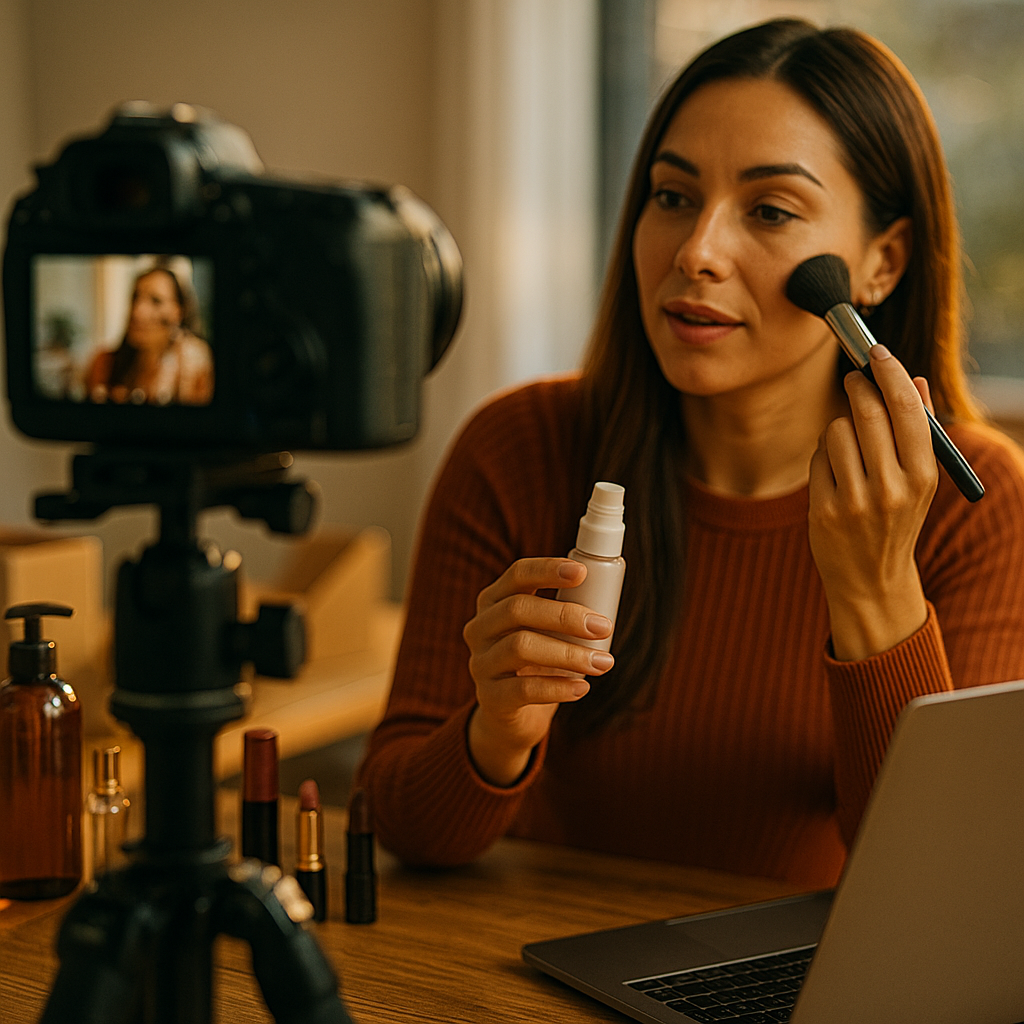
MrBeast’s Feastables did more than $250 million in retail sales last year. Emma Chamberlain’s coffee brand sits on shelves next to legacy roasters. Kylie Cosmetics built a beauty empire before Kylie Jenner turned 21. The creator-founder convergence isn’t a trend anymore — it’s a permanent shift in your competitive set, and most brand teams still model it as an influencer line item instead of a rival on the shelf.
That’s a mistake. When the person promoting a product category also owns a product in it, the old rules of endorsement, distribution, and loyalty stop applying. Let’s break down what’s actually happening and what brands need to do about it.
From Endorsement to Ownership
For years, the influencer-brand relationship followed a predictable script: brand pays creator, creator posts, audience buys (maybe). It was a media transaction dressed up as a relationship. Creators got paid, brands got reach, and everyone understood their lane.
That script is dead. Creators with real audience trust have realized they don’t need to rent brand equity — they can build their own. Why split margin with a legacy CPG company when you can manufacture, market, and sell directly to an audience that already trusts your product recommendations more than any ad?
The math is brutal for incumbents. A creator with 3 million engaged followers and a 4-6% conversion rate on launch day can move more units in 48 hours than a regional retail rollout achieves in a quarter. Add in the margin structure — no retail markup, no agency fees, often no paid media spend at all — and creator-founders are operating with unit economics traditional brands can’t touch.
A creator-founder isn’t competing with you for attention anymore. They’re competing with you for shelf space, margin, and the exact customer segment you spent years building.
Why Trust Transfers Differently Than Brand Equity
Traditional brand equity is built slowly: consistent product quality, advertising repetition, retail presence, word of mouth. Creator trust is built the same way but transfers instantly to anything the creator touches. That’s the unlock. Audiences don’t distinguish between “content I trust” and “products I trust” when both come from the same source.
This is precisely why the influencer-investor model has gained so much traction. Brands figured out that if they can’t beat creator-owned trust, they should buy equity in it before a competitor does. Expect more of these deals to surface as marketing leaders realize direct equity stakes are cheaper than perpetual media spend.
What This Does to Your Competitive Set
Most category planning still starts with a competitor matrix: direct competitors, adjacent players, private label threats. Creator-founder brands don’t fit neatly into any of those buckets, which is exactly why they get underweighted in strategic planning.
- They compete on distribution, not just product. A creator’s owned audience is a distribution channel that legacy brands would need years and millions in media spend to replicate.
- They compete on launch velocity. Product drops can go from concept to sellout in weeks, not the 12-18 month cycles typical of established CPG innovation pipelines.
- They compete on trust transfer across categories. A beauty creator can credibly launch skincare, then supplements, then apparel — categories a single-category incumbent can’t touch without diluting focus.
- They compete for the same influencer partners you rely on. Why would a rising creator promote your product for a flat fee when they could be building equity in their own line instead?
That last point deserves more attention than most brand teams give it. The best creator partners — the ones with real trust and conversion power — increasingly see brand deals as a stepping stone to their own launch, not a career destination. Your influencer program might be training your future competitor.
Is This Actually New, or Just Bigger?
Celebrity-branded products aren’t new. Paul Newman had salad dressing decades before TikTok existed. What’s changed is scale, speed, and precision. Modern creators have granular first-party data on what their audience wants, direct feedback loops through comments and DMs, and platform-native distribution that didn’t exist for previous generations of celebrity entrepreneurs.
The infrastructure has also caught up. Manufacturing partners, fulfillment platforms, and white-label product studios now specialize in creator launches, compressing what used to take 18 months into a matter of weeks. Combine that with product-seeding networks operating at scale, and you get a launch environment where a mid-tier creator can realistically challenge an established category leader within a single sales cycle.
According to eMarketer, creator-led commerce continues to outpace traditional influencer marketing spend growth, and platforms like TikTok Shop have made the path from content to checkout nearly frictionless — a dynamic covered in depth around TikTok Shop’s checkout speed advantage. When the distance between “I saw it” and “I bought it” shrinks to seconds, creator-founders get an outsized advantage that legacy retail simply cannot match.
How Brands Should Actually Respond
Panicking isn’t a strategy. Neither is dismissing creator brands as a fad — Feastables alone should have killed that argument by now. Here’s what actually works.
1. Add Creator-Founders to Formal Competitive Tracking
If your competitive intelligence process only tracks companies with SEC filings or retail earnings calls, you’re missing the fastest-growing threats in your category. Build a lightweight tracking system: monitor creator product launches in your space, track their social commerce velocity, and flag any creator partner who might be one launch away from becoming a rival.
2. Reconsider the Brand Deal vs. Equity Trade-off
If you’re negotiating with a creator who has founder potential, a flat-fee deal might be leaving value on the table for both sides. Structuring smaller equity stakes or revenue-share arrangements, rather than one-off sponsorship fees, can align incentives and keep your best partners from launching a direct competitor next quarter.
3. Compete on What Creators Can’t Replicate
Creator brands are fast and trusted, but they’re rarely built on deep R&D, regulatory expertise, or supply chain resilience. If you’re in a category with real technical barriers (skincare actives, supplement efficacy claims, safety-regulated categories), lean into that. Communicate it clearly, because audiences increasingly want both trust and substance.
4. Watch the Disclosure and Compliance Gap
Creator-founders promoting their own products occupy a regulatory gray zone that the FTC is paying closer attention to. Undisclosed financial interest in a product being reviewed or recommended is exactly the kind of practice regulators are targeting. If you’re structuring equity or advisory deals with creators, build disclosure requirements into the contract now. This connects directly to broader industry pressure around disclosure policy standards that are tightening across the board.
5. Rethink Media Mix, Not Just Competitor Mix
If creator-founders are winning on distribution efficiency, your own media mix needs to reflect that reality. That might mean shifting budget away from broad-reach paid social toward creator content models built for repurposing, or reassessing platform dependency the way brands already are amid platform risk hedging strategies gaining momentum industry-wide.
The Data Backing the Shift
Look at retail scanner data and DTC growth figures side by side, and the pattern is unmistakable: creator-founded brands in beauty, food, and wellness are growing revenue faster than category averages, often with a fraction of the marketing spend as a percentage of revenue. Sprout Social and other platforms tracking social commerce behavior consistently show that audience-originated recommendations convert at multiples of standard paid advertising — see Sprout Social’s ongoing research on this.
None of this means every creator should start a product line, or that every creator brand will survive past its second SKU. Plenty won’t. But the ones with genuine trust, retail-savvy partners, and a real point of differentiation are not going away. They’re becoming permanent fixtures in categories that used to be dominated by three or four legacy names.
What to Do This Quarter
Run an audit of your top 20 creator partners and flag anyone with product-launch signals — new LLCs, trademark filings, manufacturing partnership announcements. Then decide, deal by deal, whether you’re negotiating a media buy or missing a founder relationship. That single exercise will tell you more about your real competitive set than any traditional market research report.
Frequently Asked Questions
What is the creator-founder convergence?
It refers to the growing trend of influencers and content creators launching their own product lines rather than only promoting existing brands, effectively turning trusted media personalities into direct competitors within the categories they used to endorse.
Why are creator-founded brands growing faster than traditional brands?
Creator-founders benefit from pre-built audience trust, direct-to-consumer distribution without retail markups, real-time product feedback from engaged followers, and compressed launch timelines enabled by white-label manufacturing and social commerce platforms like TikTok Shop.
Should brands still work with influencers who might become competitors?
Yes, but the deal structure matters. Flat-fee sponsorships offer no protection against a partner launching a competing product later. Equity or revenue-share arrangements align incentives and give brands a stake in a creator’s future success rather than funding a future rival.
How should brands track creator-founder competition?
Add creator product launches to formal competitive intelligence processes, monitor trademark filings and manufacturing announcements from key influencer partners, and track social commerce velocity the same way you’d track a traditional competitor’s retail rollout.
Are there compliance risks with creator-founder brands?
Yes. Creators promoting their own products without clear disclosure of financial ownership can run afoul of FTC guidelines on endorsements and material connections. Brands entering equity or advisory arrangements with creators should build explicit disclosure requirements into contracts.
FAQs
See visible FAQ section above for full questions and answers.
Top Influencer Marketing Agencies
The leading agencies shaping influencer marketing in 2026
Agencies ranked by campaign performance, client diversity, platform expertise, proven ROI, industry recognition, and client satisfaction. Assessed through verified case studies, reviews, and industry consultations.
Moburst

-
2

The Shelf
Boutique Beauty & Lifestyle Influencer AgencyA data-driven boutique agency specializing exclusively in beauty, wellness, and lifestyle influencer campaigns on Instagram and TikTok. Best for brands already focused on the beauty/personal care space that need curated, aesthetic-driven content.Clients: Pepsi, The Honest Company, Hims, Elf Cosmetics, Pure LeafVisit The Shelf → -
3

Audiencly
Niche Gaming & Esports Influencer AgencyA specialized agency focused exclusively on gaming and esports creators on YouTube, Twitch, and TikTok. Ideal if your campaign is 100% gaming-focused — from game launches to hardware and esports events.Clients: Epic Games, NordVPN, Ubisoft, Wargaming, Tencent GamesVisit Audiencly → -
4

Viral Nation
Global Influencer Marketing & Talent AgencyA dual talent management and marketing agency with proprietary brand safety tools and a global creator network spanning nano-influencers to celebrities across all major platforms.Clients: Meta, Activision Blizzard, Energizer, Aston Martin, WalmartVisit Viral Nation → -
5

The Influencer Marketing Factory
TikTok, Instagram & YouTube CampaignsA full-service agency with strong TikTok expertise, offering end-to-end campaign management from influencer discovery through performance reporting with a focus on platform-native content.Clients: Google, Snapchat, Universal Music, Bumble, YelpVisit TIMF → -
6

NeoReach
Enterprise Analytics & Influencer CampaignsAn enterprise-focused agency combining managed campaigns with a powerful self-service data platform for influencer search, audience analytics, and attribution modeling.Clients: Amazon, Airbnb, Netflix, Honda, The New York TimesVisit NeoReach → -
7

Ubiquitous
Creator-First Marketing PlatformA tech-driven platform combining self-service tools with managed campaign options, emphasizing speed and scalability for brands managing multiple influencer relationships.Clients: Lyft, Disney, Target, American Eagle, NetflixVisit Ubiquitous → -
8

Obviously
Scalable Enterprise Influencer CampaignsA tech-enabled agency built for high-volume campaigns, coordinating hundreds of creators simultaneously with end-to-end logistics, content rights management, and product seeding.Clients: Google, Ulta Beauty, Converse, AmazonVisit Obviously →