


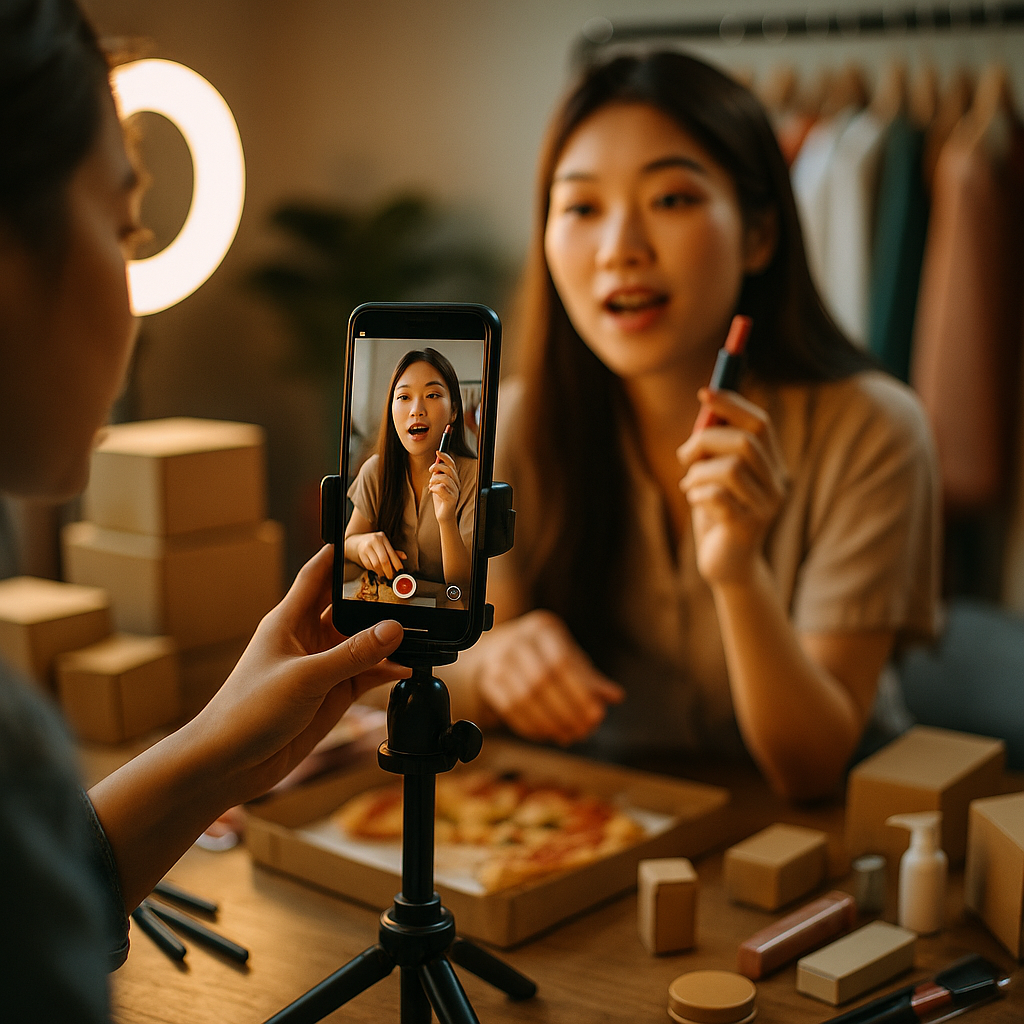
Chinese micro-drama apps generated more than 50 billion yuan in revenue last year, and the format’s core discipline, ship fast, cut losers, double down on winners, is exactly what US brand marketers need for a content pipeline that’s stopped delivering. If your influencer program still greenlights one polished 60-second spot per quarter, you’re playing a different game than the one your audience is watching.
The fail-fast micro-drama format isn’t about copying vertical romance plots or cliffhanger soap operas frame for frame. It’s about importing the operating model behind them: cheap production, rapid iteration, and a willingness to kill 80% of what you make. That’s a sharp contrast to the traditional brand content cycle, where a single video can take six weeks and five rounds of legal review before it ever reaches a feed.
What Is the Micro-Drama Model, Actually?
In China, apps like ReelShort and DramaBox popularized short vertical serials: 60 to 100 episodes, each 60 to 120 seconds, built around addictive hooks and produced for a fraction of traditional TV budgets. Studios shoot an entire season in a week, sometimes less. Episodes that underperform get cut from the release schedule mid-run. Episodes that hit get sequels, spinoffs, and paid unlocks.
The economics are the point. A single micro-drama season can cost under $150,000 to produce, a rounding error compared to a traditional streaming series, yet some titles have generated tens of millions in in-app revenue. That ratio is what makes the model worth studying for brand marketers, not the genre content itself.
The real export isn’t the soap opera aesthetic. It’s the production math: shoot cheap, release fast, and let audience behavior, not a creative committee, decide what gets a season two.
Why US Brand Content Needs This Discipline
Most brand video programs are built backwards. Teams spend weeks perfecting a script, storyboard, and shot list before a single frame is captured, then discover in week eight that the hook doesn’t land. By then the budget is spent and the campaign calendar has moved on.
The micro-drama approach flips that sequence. You produce a batch of short, low-cost episodes or vignettes, release them into the wild, and let watch time and completion rate tell you which narrative threads to extend. This isn’t a new idea in isolation. It’s the same logic behind watch time first creative briefs that prioritize hook strength over production polish. The micro-drama format just applies that logic at serial scale, across episodes rather than single assets.
Consider what this replaces. A brand that used to greenlight four hero videos a year could instead produce twenty micro-episodes at similar total cost, testing five different narrative hooks instead of betting everything on one. That’s not just more content. It’s more shots on goal, and in a feed algorithm that rewards completion rate over polish, shots on goal matter more than production value.
The Fail-Fast Mechanic: Kill Early, Fund Winners
The operational heart of this model is a kill switch built into the content calendar itself. Chinese micro-drama platforms track completion rate and drop-off point episode by episode, sometimes cutting a series after three installments if retention craters. Brands adapting this for owned and paid social need the same discipline, just applied to marketing KPIs instead of in-app purchase data.
- Set a kill threshold before you shoot. Decide upfront what completion rate, save rate, or click-through triggers a “no season two” decision. Without a pre-set number, teams rationalize weak performers because someone’s ego is attached to the script.
- Batch-produce cheap, not one at a time. Shoot three to five episode variants in a single session with the same cast and location. This is the same efficiency logic behind ad-syndication ready briefs built for one shoot across three placements.
- Release on a cadence, not a launch date. Weekly or twice-weekly drops mimic the serial hook better than a single campaign moment ever could.
- Fund the winner with the budget you didn’t spend on the losers. The whole point of cheap production is freeing capital to double down once a hook proves itself.
This isn’t wildly different from what performance marketers already do with ad creative testing on Meta or TikTok Ads Manager. The shift is applying that same test-and-kill rigor to narrative content, not just static creative variants.
Where This Fits With Existing Formats You Already Use
You don’t need to build a micro-drama studio from scratch. Most brands already have adjacent formats that can be restructured into serial form. Founder confessional content, for instance, works well as episodic drama because it already has a protagonist and a natural arc. The groundwork laid out in confessional founder video briefs maps almost directly onto a serial structure: episode one is the problem, episode two is the failed attempt, episode three is the breakthrough.
Ingredient and sourcing stories work the same way. A single documentary-style shoot can be chopped into a five-part serial instead of one long-form piece, similar to the approach in ingredient sourcing documentaries, but with cliffhangers inserted at each cut point to drive episode-to-episode retention.
And for brands already using the format most directly comparable to this trend, the micro-drama brief guide covers the tactical brief structure for low-budget, high-retention video ads in more depth. Treat that as your production companion piece; this article is about the strategic operating model layered on top of it.
Compliance Doesn’t Get a Pass Because It’s Serialized
Fast production cycles tempt teams to skip disclosure review, especially when episodes feel more like entertainment than advertising. That’s a mistake regulators won’t forgive just because the format is new. If a creator or actor is compensated to appear in a branded serial, FTC endorsement guidelines still apply to every episode, not just the first one.
Build disclosure into the batch-production workflow itself rather than bolting it on after editing. The same pre-cleared caption and on-screen disclosure templates used in short-form sales briefs that pass legal review fast can be adapted for serial drops, so legal only needs to approve the template once, not twenty separate episodes.
Speed is the entire value proposition of this format. Losing that speed to a slow legal review process defeats the purpose, so pre-clear your disclosure templates before you shoot episode one, not after episode five goes viral.
Measuring What Actually Matters
Vanity metrics will lie to you here more than usual. A micro-drama episode can rack up views on curiosity alone while telling you nothing about brand lift. Track these instead:
- Episode-to-episode retention. The percentage of viewers from episode one who return for episode two is your clearest signal of narrative pull.
- Completion rate by episode length. This tells you whether your 90-second cut is outperforming your 60-second cut, informing future batch decisions.
- Save and share rate. Serial content that gets saved is content viewers intend to revisit, a strong proxy for franchise potential.
- Cost per completed series. Not cost per view. This measures whether your fail-fast production math actually holds up against a full-funnel outcome.
Platforms like Sprout Social and native analytics dashboards on TikTok and Instagram can surface episode-level retention data if you tag content consistently by series and episode number. Without that tagging discipline, you’re back to guessing, which defeats the entire point of a fail-fast approach.
What This Costs Versus What It Replaces
Brands worried about budget should reframe the comparison. This isn’t an additive cost stacked on top of existing content spend. It’s a reallocation. Redirect the budget you’d spend on one quarterly hero asset into eight to twelve micro-episodes, and you’ll likely spend less in total while generating more testable data.
Nano and micro-creator talent fits this model particularly well, since the format rewards authenticity and repeat appearances over one-off celebrity cameos. The trust-building logic in nano-influencer repeat-purchase content applies directly here: a recurring cast builds familiarity across episodes the same way it builds purchase trust over time.
Data from eMarketer continues to show short-form video commanding a growing share of social ad budgets, and serialized formats are a natural extension of that spend rather than a separate line item competing for it.
Getting Started Without Overbuilding
Pick one product line or campaign moment. Script a three-to-five episode arc with a clear hook and cliffhanger structure. Shoot it in a single day with a recurring cast. Release on a twice-weekly cadence. Set your kill threshold before episode one goes live. Then, and only then, decide whether to fund a second season.
Frequently Asked Questions
FAQs
What is the fail-fast micro-drama format in marketing?
It’s a content production model borrowed from Chinese vertical serial apps, where brands produce short, low-cost episodic content in batches, release it on a fast cadence, and cut underperforming storylines quickly while doubling budget on the episodes that retain viewers.
How is this different from regular short-form influencer content?
Regular short-form content is usually a single standalone asset. The micro-drama format is serialized, meaning episodes build on each other with recurring characters and cliffhangers, and it’s built around a deliberate kill-fast production workflow rather than a one-and-done release.
What budget does a brand need to test this format?
Chinese micro-drama seasons have been produced for well under $150,000, and a brand-scale pilot with three to five episodes and a small recurring cast can cost significantly less. The point of the format is low per-episode cost, not big production value.
Does FTC disclosure apply to every episode in a serial?
Yes. If a creator or actor is compensated to appear, FTC endorsement guidelines apply to each episode individually, not just the first installment or the overall campaign.
What metrics matter most for evaluating a micro-drama series?
Episode-to-episode retention, completion rate by episode length, save and share rate, and cost per completed series matter more than raw view counts, which can be misleading on curiosity-driven content.
Can small brands realistically run this format without a studio?
Yes. Most brands can batch-shoot three to five episodes in a single day using existing creator relationships and a lightweight script, making this more accessible than traditional long-form video production.
Next step: Pick one narrative arc from your existing creator roster, script three episodes with a hard kill threshold set in advance, and shoot the batch in a single session before your next content planning cycle locks in.
Top Influencer Marketing Agencies
The leading agencies shaping influencer marketing in 2026
Agencies ranked by campaign performance, client diversity, platform expertise, proven ROI, industry recognition, and client satisfaction. Assessed through verified case studies, reviews, and industry consultations.
Moburst

-
2

The Shelf
Boutique Beauty & Lifestyle Influencer AgencyA data-driven boutique agency specializing exclusively in beauty, wellness, and lifestyle influencer campaigns on Instagram and TikTok. Best for brands already focused on the beauty/personal care space that need curated, aesthetic-driven content.Clients: Pepsi, The Honest Company, Hims, Elf Cosmetics, Pure LeafVisit The Shelf → -
3

Audiencly
Niche Gaming & Esports Influencer AgencyA specialized agency focused exclusively on gaming and esports creators on YouTube, Twitch, and TikTok. Ideal if your campaign is 100% gaming-focused — from game launches to hardware and esports events.Clients: Epic Games, NordVPN, Ubisoft, Wargaming, Tencent GamesVisit Audiencly → -
4

Viral Nation
Global Influencer Marketing & Talent AgencyA dual talent management and marketing agency with proprietary brand safety tools and a global creator network spanning nano-influencers to celebrities across all major platforms.Clients: Meta, Activision Blizzard, Energizer, Aston Martin, WalmartVisit Viral Nation → -
5

The Influencer Marketing Factory
TikTok, Instagram & YouTube CampaignsA full-service agency with strong TikTok expertise, offering end-to-end campaign management from influencer discovery through performance reporting with a focus on platform-native content.Clients: Google, Snapchat, Universal Music, Bumble, YelpVisit TIMF → -
6

NeoReach
Enterprise Analytics & Influencer CampaignsAn enterprise-focused agency combining managed campaigns with a powerful self-service data platform for influencer search, audience analytics, and attribution modeling.Clients: Amazon, Airbnb, Netflix, Honda, The New York TimesVisit NeoReach → -
7

Ubiquitous
Creator-First Marketing PlatformA tech-driven platform combining self-service tools with managed campaign options, emphasizing speed and scalability for brands managing multiple influencer relationships.Clients: Lyft, Disney, Target, American Eagle, NetflixVisit Ubiquitous → -
8

Obviously
Scalable Enterprise Influencer CampaignsA tech-enabled agency built for high-volume campaigns, coordinating hundreds of creators simultaneously with end-to-end logistics, content rights management, and product seeding.Clients: Google, Ulta Beauty, Converse, AmazonVisit Obviously →