


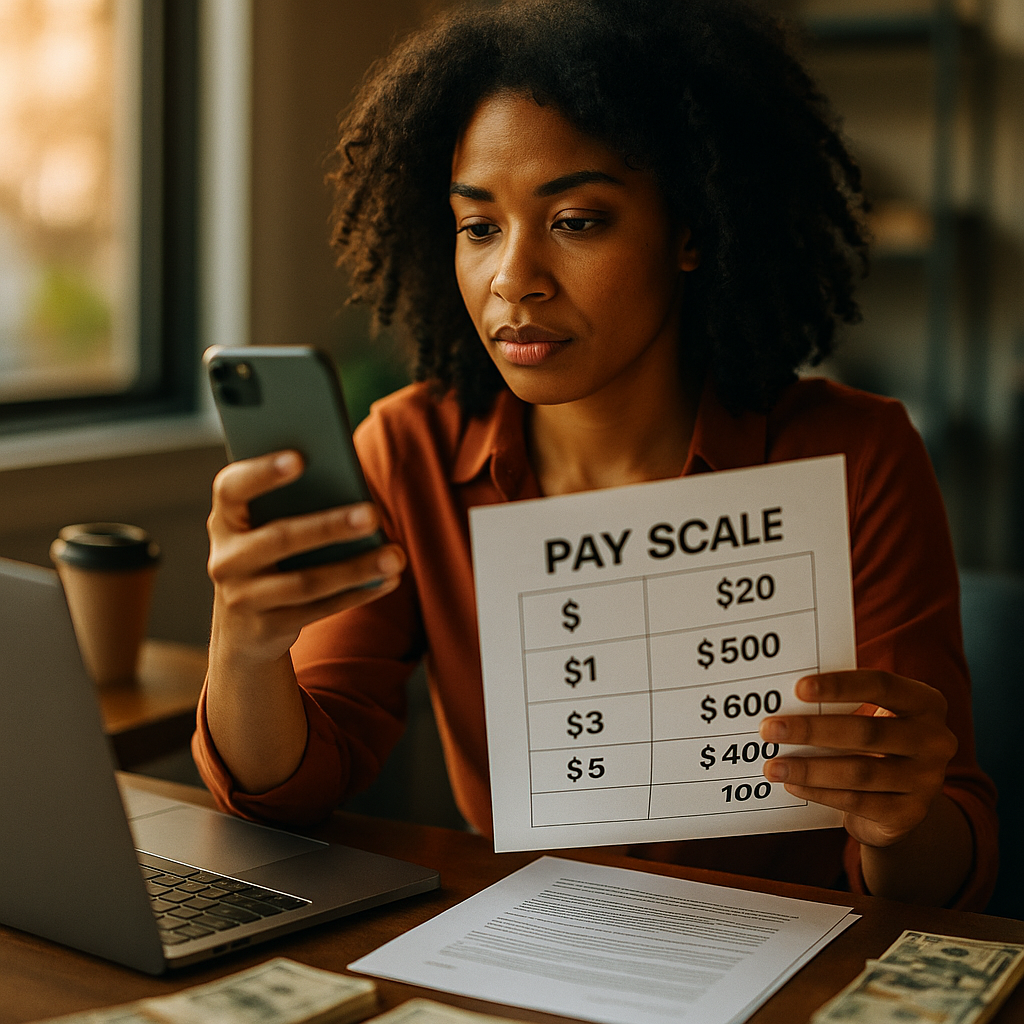
One in four companies now pays employees extra to post on personal social accounts, according to recent workplace surveys, yet almost none of them have run that compensation structure past employment counsel. Employee influencer compensation has quietly become one of the messiest gray zones in corporate law, blending wage and hour statutes, securities rules, tax code, and publicity rights into a single paycheck. Get the structure wrong, and a “fun perk” turns into a six figure liability.
Why This Isn’t Just an HR Question Anymore
A few years ago, employee advocacy programs were simple: share the company post, maybe win a gift card. Today the stakes are higher. Brands are offering revenue share on affiliate links, equity grants tied to follower growth, royalty style bonuses for viral posts, and tiered commission structures that mirror what agencies pay full-time creators. That’s where things get legally murky.
The moment compensation shifts from flat stipend to performance-based payout, you’ve built something that looks less like an employee perk and more like an independent contractor deal, an royalty agreement, or in some cases, a security. Regulators haven’t caught up with a clean framework for any of it.
When an employee’s paycheck depends on how a personal social post performs, you’re no longer just managing HR policy. You’re managing wage law, tax exposure, and publicity rights simultaneously, often with no precedent to guide you.
The FLSA Problem Nobody Solved
Start with the basics: the Fair Labor Standards Act still governs whether time spent filming, editing, and posting counts as compensable work. If an hourly employee films a product demo on a Sunday night because their manager suggested it “would be great content,” that’s likely compensable time, whether or not a formal bonus is attached. Our earlier breakdown on closing the FLSA compensable work gap covers this baseline problem. But layer in variable compensation, like a per-post bonus or a revenue share on shoppable links, and the wage calculation gets exponentially harder.
Under FLSA rules, non-discretionary bonuses must be factored into an employee’s “regular rate” for overtime calculations. Most payroll systems aren’t built to recalculate overtime based on a TikTok bonus that posted three weeks after the pay period closed. That’s a compliance gap hiding in plain sight, and the Department of Labor has shown zero patience for social media as an excuse. If you haven’t audited your time tracking systems for this exact scenario, the FLSA compliance guide for employee creators is worth a hard look before your next payroll cycle.
Equity and “Creator Grants”: A New Kind of Risk
Some companies, especially in tech and DTC, have started experimenting with equity-like grants tied to social performance: restricted stock units that vest based on follower growth or engagement thresholds, or profit-sharing pools funded by affiliate commerce revenue an employee’s content generates. This is where legal territory gets genuinely untested.
Securities counsel will tell you that tying equity compensation to a metric as volatile and manipulable as social engagement creates disclosure and valuation headaches. What happens when an employee’s follower count spikes due to a bot farm, or crashes because a platform algorithm shift tanked reach through no fault of theirs? There’s no settled case law on how to value or claw back that kind of compensation. Compare this to the franchise-style revenue share issues brands are already wrestling with in creator deals, detailed in franchise law risk in revenue share creator deals. Employee arrangements are inheriting the same structural risk, just with a W-2 attached.
Who Owns the Content, and Who Owns the Payout Formula?
Ownership disputes get sharper once money is on the line. If an employee is paid a bonus for a post that later gets reused in paid ads, does that trigger additional compensation obligations, or does the original employment agreement cover perpetual use? Most companies never spell this out clearly, which is exactly why our piece on aligning HR and legal on ownership clauses keeps circulating internally at brands running these programs.
The IP assignment question compounds fast when compensation is variable. An employee paid a flat salary who occasionally posts is on different legal footing than one paid a running royalty tied to a specific piece of content. The latter starts to resemble a licensing relationship, and licensing relationships come with their own disclosure, tax, and termination obligations that most employment contracts were never drafted to handle. See the practical framework in IP assignment clauses for employee creator programs for language that actually closes this gap.
Misclassification: The Quiet Career Killer for Legal Teams
Here’s the scenario that keeps employment lawyers up at night: a marketing employee starts as a full-time staffer, then gets pulled into a shared content pool where they’re compensated per post alongside external freelance creators. Suddenly the line between “employee doing a job duty” and “contractor being paid piecework” gets blurry, and misclassification claims become a real threat.
This isn’t hypothetical. Brands running hybrid programs, mixing internal employees with external creators in the same content pipeline, are already facing scrutiny, as covered in the hidden misclassification trap for shared creator pools. Add performance-based pay to an employee’s role, and you’ve handed a plaintiff’s attorney a much stronger argument that the “employee” is functioning as an independent contractor in that specific capacity, regardless of what the offer letter says.
Paying an employee like a freelance creator, even occasionally, can blur classification lines enough to expose the company to back pay claims, tax penalties, and benefits liability all at once.
Tax Treatment Nobody Wants to Untangle
Payroll and tax teams often treat social media bonuses as standard supplemental wages, subject to normal withholding. That’s usually fine for flat stipends. But revenue share arrangements, royalty-style payments, and equity grants may need entirely different tax treatment, and getting it wrong triggers IRS scrutiny for both the company and the employee.
Add multi-state complexity (remote employees posting from different jurisdictions) and international teams, and you’ve got a tax nightmare that most in-house teams aren’t staffed to handle. According to HubSpot’s ongoing research into creator economy trends, the shift toward performance-based creator pay is accelerating faster than the compliance infrastructure supporting it, a pattern that applies just as much inside corporate walls as it does in the external influencer market.
Disclosure Doesn’t Disappear Because Someone’s on Payroll
A common misconception: employees posting about their own employer don’t need FTC disclosure because “everyone knows they work there.” That’s false, and the FTC has said so directly. Material connections, including employment and compensation, must be disclosed regardless of whether the relationship seems obvious. Our guide on employee generated content and FTC disclosure breaks down exactly where brands get this wrong.
Now factor in variable pay. An employee who receives a bonus tied specifically to how well a post performs has an even stronger incentive to obscure that relationship, whether intentionally or not. Regulators reviewing enforcement actions increasingly look at compensation structure as evidence of intent. Check current guidance directly at the FTC’s official site before finalizing any new pay tier tied to organic reach.
What a Defensible Program Actually Looks Like
- Flat stipends over performance bonuses wherever legally possible, since flat pay avoids most FLSA regular rate headaches
- Written agreements that explicitly separate job duties from optional creator compensation, reviewed by both HR and legal
- Time tracking for any content creation activity, regardless of whether it happens on personal devices or personal time
- Clear IP assignment language covering reuse, paid amplification, and post-employment content rights
- Mandatory disclosure training tied to the compensation tier, not just general brand posting
- Tax counsel review before launching any equity, royalty, or revenue share component
None of this is glamorous. But it’s the difference between a program that scales safely and one that becomes exhibit A in a class action. Platforms like Sprout Social and workforce data from Statista both show employee advocacy programs growing steadily, meaning more companies are walking into this risk every quarter without realizing it.
The Bottom Line for Legal and Marketing Leaders
Untested legal territory doesn’t stay untested for long. Regulators, plaintiff’s attorneys, and the IRS are all paying closer attention to how brands compensate employee creators, and the companies moving fastest with performance-based pay are also the ones with the least protection if something goes wrong. Audit your compensation structure now, before a regulator or a lawsuit forces the review for you.
FAQs
Is it legal to pay employees extra for posting on personal social media accounts?
Yes, but the structure matters enormously. Flat stipends are generally low risk. Performance-based bonuses, revenue share, or equity tied to engagement introduce wage and hour, tax, and securities complications that require legal review before launch.
Do employees need to disclose paid social posts about their employer?
Yes. The FTC requires disclosure of material connections, including employment and any related compensation, even when the relationship seems obvious to the audience.
Can variable pay for social posts cause employee misclassification issues?
It can. When an employee is compensated per post or based on content performance, similar to a freelance creator, the arrangement can blur classification lines and expose the company to back pay and benefits claims.
How does the FLSA apply to employee content creation time?
Time spent filming, editing, or posting content, especially when encouraged or expected by an employer, is generally compensable under the FLSA and must be included in overtime calculations if bonuses are non-discretionary.
What’s the safest compensation model for employee influencer programs?
Flat, non-performance-based stipends paired with clear written agreements covering IP ownership, time tracking, and disclosure obligations tend to carry the lowest combined legal and tax risk.
Top Influencer Marketing Agencies
The leading agencies shaping influencer marketing in 2026
Agencies ranked by campaign performance, client diversity, platform expertise, proven ROI, industry recognition, and client satisfaction. Assessed through verified case studies, reviews, and industry consultations.
Moburst

-
2

The Shelf
Boutique Beauty & Lifestyle Influencer AgencyA data-driven boutique agency specializing exclusively in beauty, wellness, and lifestyle influencer campaigns on Instagram and TikTok. Best for brands already focused on the beauty/personal care space that need curated, aesthetic-driven content.Clients: Pepsi, The Honest Company, Hims, Elf Cosmetics, Pure LeafVisit The Shelf → -
3

Audiencly
Niche Gaming & Esports Influencer AgencyA specialized agency focused exclusively on gaming and esports creators on YouTube, Twitch, and TikTok. Ideal if your campaign is 100% gaming-focused — from game launches to hardware and esports events.Clients: Epic Games, NordVPN, Ubisoft, Wargaming, Tencent GamesVisit Audiencly → -
4

Viral Nation
Global Influencer Marketing & Talent AgencyA dual talent management and marketing agency with proprietary brand safety tools and a global creator network spanning nano-influencers to celebrities across all major platforms.Clients: Meta, Activision Blizzard, Energizer, Aston Martin, WalmartVisit Viral Nation → -
5

The Influencer Marketing Factory
TikTok, Instagram & YouTube CampaignsA full-service agency with strong TikTok expertise, offering end-to-end campaign management from influencer discovery through performance reporting with a focus on platform-native content.Clients: Google, Snapchat, Universal Music, Bumble, YelpVisit TIMF → -
6

NeoReach
Enterprise Analytics & Influencer CampaignsAn enterprise-focused agency combining managed campaigns with a powerful self-service data platform for influencer search, audience analytics, and attribution modeling.Clients: Amazon, Airbnb, Netflix, Honda, The New York TimesVisit NeoReach → -
7

Ubiquitous
Creator-First Marketing PlatformA tech-driven platform combining self-service tools with managed campaign options, emphasizing speed and scalability for brands managing multiple influencer relationships.Clients: Lyft, Disney, Target, American Eagle, NetflixVisit Ubiquitous → -
8

Obviously
Scalable Enterprise Influencer CampaignsA tech-enabled agency built for high-volume campaigns, coordinating hundreds of creators simultaneously with end-to-end logistics, content rights management, and product seeding.Clients: Google, Ulta Beauty, Converse, AmazonVisit Obviously →