


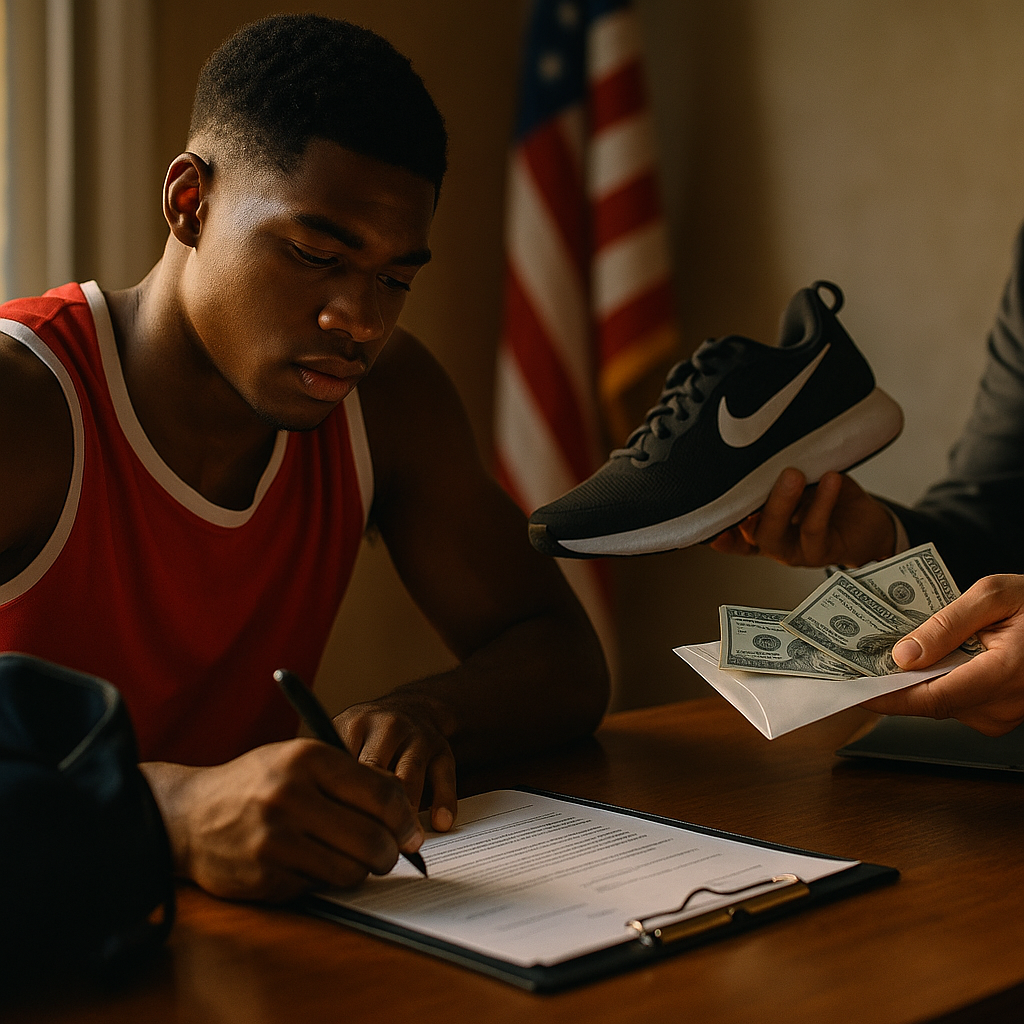
College athletes pulled in an estimated $1.67 billion in NIL earnings this past year, and that number keeps climbing. But here’s the uncomfortable question most brand teams haven’t asked: if your athlete partnership got audited tomorrow by a state attorney general or the athlete’s own compliance office, would it survive? NIL compliance isn’t a niche legal footnote anymore. It’s a live risk category that sits at the intersection of state law, NCAA rules, school policy, and federal disclosure requirements, and most influencer marketing teams are treating it like a standard creator contract with a college logo slapped on top.
That’s a mistake. Here’s what actually changes when your “creator” is a 19-year-old with eligibility to protect and a compliance office watching every dollar.
Why NIL Deals Aren’t Just Creator Contracts With a School Name
A standard influencer agreement assumes two parties: the brand and the creator. NIL deals have at least four stakeholders, often five. There’s the brand, the athlete, the athletic department’s compliance office, the school (which may have its own conflicting sponsorship deals), and increasingly, a collective managing a pool of athletes under one umbrella agreement. Miss any one of these and the deal can unravel, sometimes after the content is already live.
Most schools require athletes to disclose NIL deals through a compliance platform before the ink dries, and many prohibit categories outright. Alcohol, gambling, and adult products are the obvious no-gos, but plenty of schools also restrict competitors of existing athletic department sponsors. Sign an athlete to promote a sports drink and you might discover, after launch, that the university’s exclusive beverage contract makes the entire campaign a violation on the athlete’s end, not yours. That doesn’t mean your brand walks away clean. Reputational fallout attaches to whoever’s logo is on the post.
The single biggest compliance failure in NIL marketing isn’t disclosure language, it’s brands assuming the athlete’s school has already cleared a deal that was never actually submitted for review.
The Patchwork Problem: 30+ Different State Laws
Unlike traditional influencer marketing, which operates under one federal disclosure framework nationwide, NIL sits under a genuine patchwork of state statutes. More than 30 states have passed their own NIL laws, and they don’t agree on much. Some cap agent fees. Some mandate a cooling-off period before a contract becomes binding. Others require specific disclosure to the university within a set number of days of signing.
A deal that’s airtight in Texas might be unenforceable in California. Brands running multi-athlete campaigns across schools in different states need contract templates flexible enough to swap in state-specific clauses, not a single boilerplate agreement stretched across every signature. This is the same jurisdictional headache that shows up in state-level publicity rights disputes, and the fix is similar: build your legal review around the athlete’s home state and school jurisdiction first, then layer federal requirements on top.
Minors, Early Enrollees, and the Age Question
Not every “college” athlete is 18. Early enrollees and some Olympic-sport athletes sign NIL deals while still legally minors in their home state. That triggers parental consent requirements, child labor considerations in some states, and a fundamentally different contract structure. If your brand’s standard influencer agreement doesn’t have a minor-athlete rider ready to go, you’re one signature away from an unenforceable contract or a labor law problem you didn’t see coming.
FTC Disclosure Rules Don’t Care That the Creator Is an Athlete
Here’s where a lot of teams get complacent. They spend so much energy on NCAA eligibility and school compliance that they forget the Federal Trade Commission applies the exact same endorsement guidelines to a Heisman contender as it does to a beauty influencer. Clear and conspicuous disclosure, placed where the audience can’t miss it, on every platform where the content appears. There’s no NIL exemption.
Athletes posting across TikTok, Instagram, and X often need slightly different disclosure treatment for each platform’s native ad-labeling tools, which is exactly the kind of multi-platform disclosure gap covered in this breakdown of overlapping FTC standards. Brands that assume a single #ad tag covers every channel are underestimating how granular enforcement has gotten.
Add gambling-adjacent partnerships to the mix (fantasy sports apps, prediction markets, betting-affiliated brands) and you’ve got a second layer of state advertising law to satisfy, on top of federal disclosure and school restrictions. Triple-check any category touching wagering before an athlete posts a single frame.
Collectives and Shared Athlete Pools: Where Misclassification Creeps In
NIL collectives now manage group licensing deals across dozens of athletes at once, which is efficient for brands wanting broad campus reach without negotiating 40 individual contracts. But pooled-athlete arrangements raise the same worker classification questions that trip up brands running shared creator rosters in other verticals. Who’s the employer of record when a collective is functionally directing content, deliverables, and posting schedules for a group of athletes? Shared creator pool structures carry real misclassification exposure, and NIL collectives are not automatically exempt just because the participants are students rather than professional creators.
Ask your legal team a blunt question before signing with any collective: is this an independent contractor relationship in form and in substance, or does the level of control your brand and the collective exert start to look like employment? Get that wrong and you’re looking at wage claims, tax liability, and benefits exposure down the line.
Contract Terms Brands Skip at Their Own Peril
- Eligibility contingency clauses. Build in language addressing what happens if the athlete loses eligibility, transfers schools mid-contract, or gets suspended. This happens more often than brands expect, and a contract silent on the issue leaves you stuck paying for content that never materializes.
- Exclusivity scope tied to sport, not just category. An athlete’s “exclusivity” commitment should specify whether it covers all NIL activity or just their primary sport’s promotional appearances, since some athletes compete in multiple sports with separate compliance tracks.
- Termination rights around policy changes. NCAA and state NIL rules shift fast. Your contract needs an exit ramp if a rule change makes the deal structure noncompliant mid-term.
- IP and likeness usage windows. Define exactly how long the brand can reuse content after the athlete graduates or goes pro, since post-eligibility likeness rights often shift to agents or leagues with entirely different terms.
- Revenue share caution. Any deal structured around a percentage of sales or affiliate revenue needs the same franchise law screening applied to revenue share creator arrangements generally, since a handful of states classify certain revenue-share setups as franchise relationships requiring separate disclosure filings.
Build a Pre-Sign Checklist That Actually Gets Used
Most brands have a compliance checklist somewhere in a shared drive that nobody opens before deal signing. Make yours short enough that a busy brand manager will actually run through it:
- Confirm the athlete has cleared this specific deal through their school’s NIL compliance platform, not just NIL activity in general.
- Verify the athlete’s home state law doesn’t conflict with your standard contract terms (agent fee caps, cooling-off periods, disclosure timing).
- Check the sponsorship category against known school exclusivity restrictions, particularly beverages, apparel, and financial services.
- Confirm age status and add a minor-athlete rider if applicable.
- Draft platform-specific disclosure language for every channel the content will run on.
- Add eligibility contingency and early termination clauses.
According to research from Statista, NIL spending has grown at a pace few brand legal teams have matched with proportional compliance investment. Marketing budgets moved faster than the guardrails, which is exactly the gap this checklist is meant to close.
When the Deal Goes Sideways: Plan for Crisis Before It Happens
An athlete gets benched, transfers to a rival program, or ends up in a headline you didn’t want your logo anywhere near. It happens, and it happens fast in college sports, where a single game or a single tweet can change an athlete’s public standing overnight. Brands running NIL programs at any scale should treat this the way they’d treat any high-visibility creator relationship: with a crisis response plan drafted before launch, not improvised after. That includes understanding what your creator crisis coverage actually protects against, because standard general liability policies rarely address reputational fallout from an athlete’s off-field conduct.
Data from eMarketer shows brands are increasingly diversifying influencer spend across athlete and traditional creator rosters precisely to hedge against this kind of single-partner concentration risk. Don’t put your entire NIL budget behind one star player. Spread it, document it, and insure it.
A Quick Word on Measurement
Once the compliance boxes are checked, treat performance measurement the same way you would any influencer campaign. Tools referenced by Sprout Social and standard attribution frameworks from HubSpot apply just fine to NIL content. The compliance layer is unique to college athletes. The ROI math isn’t.
Frequently Asked Questions
Do NIL deals require FTC disclosure like regular influencer posts?
Yes. The FTC’s endorsement guidelines apply to any paid partnership regardless of the creator’s status as a college athlete, and disclosure must be clear and platform-appropriate.
Can a college athlete sign an NIL deal without school approval?
Most schools require disclosure or approval through a compliance platform before an NIL deal is finalized, and skipping this step can put the athlete’s eligibility and the brand’s campaign at risk.
What happens if an athlete transfers schools mid-contract?
Without an eligibility contingency clause, brands may be contractually obligated to continue payments or lose deliverables entirely, which is why transfer and eligibility-loss scenarios need explicit contract language.
Are NIL collectives treated differently under labor law than individual athlete deals?
Collectives that exert significant control over content, scheduling, and deliverables across multiple athletes risk misclassification exposure similar to shared creator pool arrangements in other industries.
Does NIL law vary by state?
Yes, more than 30 states have distinct NIL statutes covering agent fees, disclosure timing, and contract enforceability, so brands running multi-state campaigns need jurisdiction-specific contract review.
Next step: before your next athlete signature, run the deal through a five-point check (school compliance clearance, state law conflicts, sponsorship exclusivity restrictions, age status, and platform-specific disclosure language). Skipping any one of these is how a six-figure NIL campaign turns into a compliance headline instead of a case study.
FAQs
See the Frequently Asked Questions section above for the full visible Q&A content.
Top Influencer Marketing Agencies
The leading agencies shaping influencer marketing in 2026
Agencies ranked by campaign performance, client diversity, platform expertise, proven ROI, industry recognition, and client satisfaction. Assessed through verified case studies, reviews, and industry consultations.
Moburst

-
2

The Shelf
Boutique Beauty & Lifestyle Influencer AgencyA data-driven boutique agency specializing exclusively in beauty, wellness, and lifestyle influencer campaigns on Instagram and TikTok. Best for brands already focused on the beauty/personal care space that need curated, aesthetic-driven content.Clients: Pepsi, The Honest Company, Hims, Elf Cosmetics, Pure LeafVisit The Shelf → -
3

Audiencly
Niche Gaming & Esports Influencer AgencyA specialized agency focused exclusively on gaming and esports creators on YouTube, Twitch, and TikTok. Ideal if your campaign is 100% gaming-focused — from game launches to hardware and esports events.Clients: Epic Games, NordVPN, Ubisoft, Wargaming, Tencent GamesVisit Audiencly → -
4

Viral Nation
Global Influencer Marketing & Talent AgencyA dual talent management and marketing agency with proprietary brand safety tools and a global creator network spanning nano-influencers to celebrities across all major platforms.Clients: Meta, Activision Blizzard, Energizer, Aston Martin, WalmartVisit Viral Nation → -
5

The Influencer Marketing Factory
TikTok, Instagram & YouTube CampaignsA full-service agency with strong TikTok expertise, offering end-to-end campaign management from influencer discovery through performance reporting with a focus on platform-native content.Clients: Google, Snapchat, Universal Music, Bumble, YelpVisit TIMF → -
6

NeoReach
Enterprise Analytics & Influencer CampaignsAn enterprise-focused agency combining managed campaigns with a powerful self-service data platform for influencer search, audience analytics, and attribution modeling.Clients: Amazon, Airbnb, Netflix, Honda, The New York TimesVisit NeoReach → -
7

Ubiquitous
Creator-First Marketing PlatformA tech-driven platform combining self-service tools with managed campaign options, emphasizing speed and scalability for brands managing multiple influencer relationships.Clients: Lyft, Disney, Target, American Eagle, NetflixVisit Ubiquitous → -
8

Obviously
Scalable Enterprise Influencer CampaignsA tech-enabled agency built for high-volume campaigns, coordinating hundreds of creators simultaneously with end-to-end logistics, content rights management, and product seeding.Clients: Google, Ulta Beauty, Converse, AmazonVisit Obviously →