


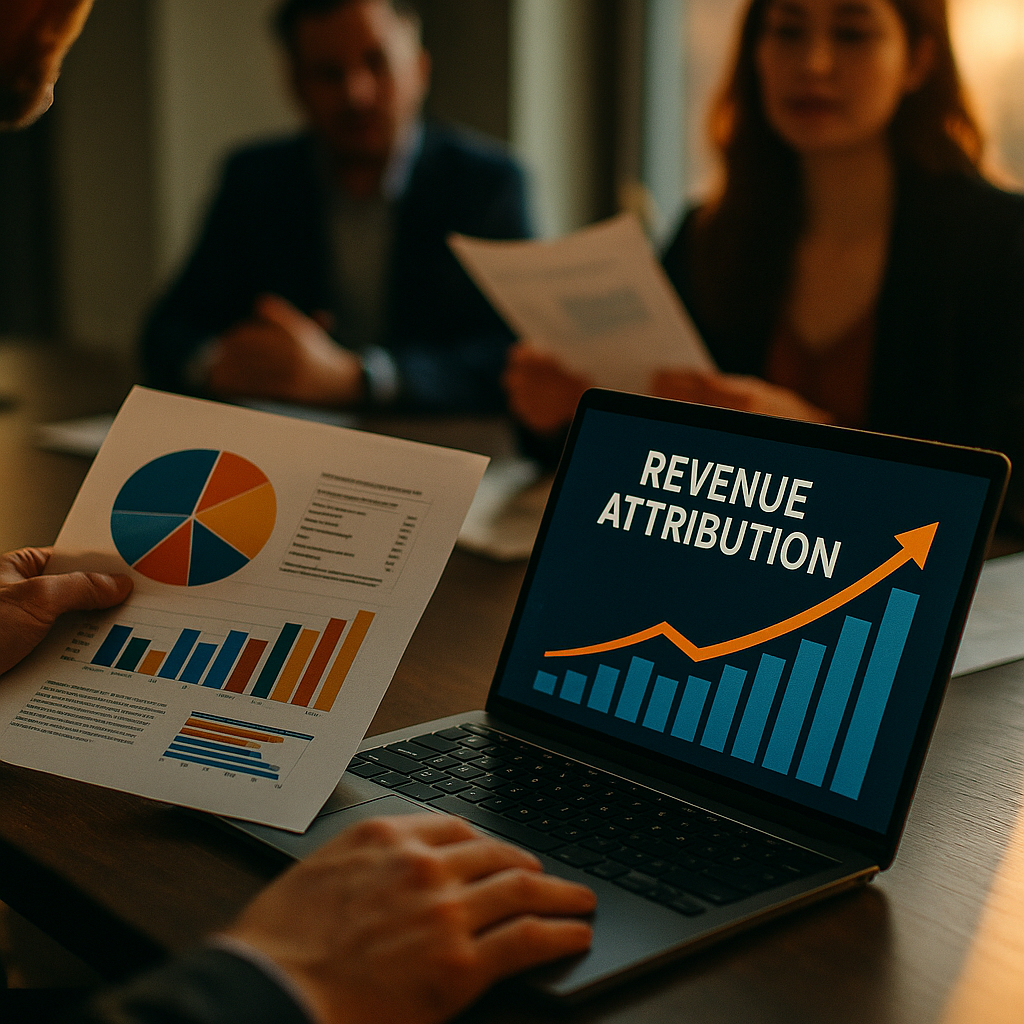
Here’s the number that silenced a packed ballroom at the e4m D2C Summit: brands surveyed on-site said they could not confidently attribute more than 40 percent of influencer-driven sales to a specific creator, campaign, or channel. In a room full of CMOs defending seven and eight figure budgets, that admission landed hard. The verdict was unanimous by the end of day two: reach is out, and revenue attribution is the only metric that still gets a seat at the budget table.
What Actually Happened at the e4m D2C Summit
The e4m D2C Summit has always been a barometer for how Indian direct-to-consumer brands think about growth. This edition felt different. Panel after panel, from beauty founders to marketplace strategists, circled back to the same complaint: influencer reports full of impressions and reach numbers that nobody upstream trusts anymore. Finance teams want revenue. Reach doesn’t answer to finance.
One D2C skincare founder put it bluntly during a fireside chat: her team had spent two years optimizing for follower counts and engagement rates, only to discover that her highest-reach creators drove almost no incremental revenue when isolated through holdout testing. Meanwhile, a mid-tier creator with a fraction of the audience was quietly responsible for 18 percent of a product launch’s first-week sales. That gap between perceived value and actual value is exactly what’s forcing the industry-wide pivot.
The single biggest theme at the summit wasn’t a new platform or a new creator format. It was the death of vanity metrics as a budgeting language brands can defend to their CFOs.
Why Reach Lost the Room
Reach was never a bad metric. It was just the wrong metric for a maturing channel. When influencer marketing was experimental, reach functioned as a proxy for awareness, and awareness was the goal. But D2C brands don’t have the luxury of experimenting anymore. Margins are tighter, CAC has climbed across nearly every category, and boards want to see a straight line from creator spend to checkout.
Multiple speakers referenced the same underlying shift: purchase intent now outranks follower counts in how younger shoppers actually respond to creator content. If the audience itself has stopped equating big reach with buying signal, why would a brand keep budgeting on that basis? It’s a fair question, and it’s one most legacy influencer programs still can’t answer.
There’s also a trust problem baked into reach numbers. Bot-inflated followings, pod-driven engagement, and opaque platform reporting have made raw reach figures unreliable enough that even sproutsocial style analysts have flagged the gap between reported and verified engagement (Sprout Social). When the metric itself is suspect, the budget conversation collapses fast.
Revenue Attribution: The New Currency
So what replaces reach? At the summit, the answer converged on a blend of first-party attribution, marketing mix modeling, and revenue-per-creator scorecards. This isn’t just a rebrand of old KPIs. It’s a structural change in how brands contract, measure, and pay creators.
- Unique attribution codes and links tied to individual creators, tracked through to actual checkout, not just click-through.
- Post-purchase surveys asking “how did you hear about us,” cross-referenced against creator activity windows.
- Marketing mix modeling layered on top to account for the halo effect creators generate even without a direct click, a method that now claims 11 percent of total ad budgets according to recent industry tracking.
- Revenue share contracts that pay creators based on tracked sales rather than flat fees, a model gaining ground fast as brands look to de-risk spend.
This mirrors a broader trend Influencers Time has tracked for over a year now. Revenue per follower has already overtaken engagement as the metric agencies lead with in pitch decks. The e4m D2C Summit simply confirmed that Indian D2C brands are running the same math, just louder and with more urgency given tighter margins in categories like beauty, wellness, and fashion.
Native Checkout Is Making Attribution Both Easier and Harder
One under-discussed thread at the summit: the rise of native checkout inside social platforms is scrambling attribution models even as it improves conversion. When a shopper buys directly inside an Instagram or TikTok shop, the transaction data often stays locked inside the platform, away from a brand’s own analytics stack. That’s a problem, because native checkout quadruples impulse sales while simultaneously demanding cleaner attribution pipes to actually credit the right creator.
Brands that haven’t solved for this are flying blind on their fastest-growing sales channel. Several panelists recommended pushing platforms harder for API-level data access and insisting on it as a contract term with any creator commerce vendor, not an optional nice-to-have.
The Compliance and Risk Angle Nobody Wants to Talk About
Attribution isn’t just an efficiency play. It’s a risk mitigation one too. Regulators globally are paying closer attention to how brands disclose paid partnerships and how they represent performance claims, and the FTC in the US along with the ICO in the UK have both signaled tighter scrutiny of influencer disclosure practices. When attribution data is messy, disclosure compliance tends to be messy too, because nobody can clearly trace which creator said what, when, and to whom.
Clean attribution isn’t only about proving ROI to a CFO. It’s also the paper trail that protects a brand when a creator partnership goes sideways or a regulator comes asking questions.
Attribution infrastructure has quietly become compliance infrastructure. Brands that can’t trace revenue to a creator usually can’t trace disclosure either.
How Agencies and Brands Are Rebuilding Around This
The operational shift is real, and it’s expensive to ignore. Agencies are restaffing to handle the analytics load this new standard requires, a trend already visible in how B2B agencies are restaffing for AI oversight more broadly. Reporting tools are eating a bigger share of martech budgets too, with dashboards now claiming 19 percent of martech spend across the industry, a figure that would have seemed inflated three years ago.
The practical playbook coming out of the summit looked something like this for brands ready to make the switch:
- Audit every current creator contract and flag which ones still price on reach or impressions alone.
- Stand up unique tracking links or promo codes for every active creator, no exceptions.
- Layer in post-purchase attribution surveys within 90 days, even a lightweight version beats none.
- Renegotiate toward revenue share or hybrid models for top-tier creators, similar to the shift already documented in revenue share replacing flat fee sponsorships.
- Build a quarterly review cadence that mirrors the discipline described in quarterly publishing calendar audits, because attribution models decay as fast as platform algorithms do.
None of this is glamorous. It’s spreadsheets, tagging conventions, and uncomfortable conversations with creators who were used to getting paid on reach alone. But it’s the difference between a program that survives budget season and one that gets quietly zeroed out.
What This Means for Brand Strategy Going Forward
The e4m D2C Summit didn’t invent this shift, it just made it impossible to ignore. Industry-wide, eMarketer and Statista data both point to influencer budgets growing even as CFO scrutiny of that spend intensifies. That combination, more money and more accountability, means brands can no longer treat influencer marketing as a separate line item measured on its own generous terms. It has to answer to the same revenue math as paid search or performance media.
For any brand still reporting reach and engagement as headline KPIs to leadership, the summit’s message was clear: that report will not survive the next budget cycle intact.
Next Step
Pull your last two quarters of creator spend and map each dollar to a trackable revenue outcome, whether that’s a unique code, a post-purchase survey response, or an MMM-attributed lift. If more than half that spend can’t be traced, you have your next board conversation already written for you.
FAQs
What was the main takeaway from the e4m D2C Summit on influencer measurement?
Brands and agencies at the summit agreed that reach and impression metrics no longer justify influencer budgets. Revenue attribution, through unique tracking links, post-purchase surveys, and marketing mix modeling, is now the primary standard for measuring creator performance.
Why are D2C brands moving away from reach as a KPI?
Reach has become unreliable due to inflated followings and platform reporting gaps, and it fails to show CFOs a direct connection to revenue. Tighter margins have pushed brands to demand metrics that map to actual sales, not just visibility.
How do brands actually track revenue attribution from creator content?
Most brands combine unique discount codes or affiliate links, post-purchase attribution surveys, and marketing mix modeling to capture both direct and halo-effect sales from creator campaigns. Native checkout data adds another layer, though platform access to that data remains inconsistent.
Does revenue attribution replace engagement metrics entirely?
No. Engagement and sentiment still matter for brand health and community signals, but they’re now secondary to revenue outcomes when it comes to budget decisions and creator contract renewals.
What should brands do first if their attribution data is currently weak?
Start by auditing existing creator contracts to identify which ones still price purely on reach, then implement unique tracking codes across all active partnerships before renegotiating toward revenue share or hybrid payment models.
Top Influencer Marketing Agencies
The leading agencies shaping influencer marketing in 2026
Agencies ranked by campaign performance, client diversity, platform expertise, proven ROI, industry recognition, and client satisfaction. Assessed through verified case studies, reviews, and industry consultations.
Moburst

-
2

The Shelf
Boutique Beauty & Lifestyle Influencer AgencyA data-driven boutique agency specializing exclusively in beauty, wellness, and lifestyle influencer campaigns on Instagram and TikTok. Best for brands already focused on the beauty/personal care space that need curated, aesthetic-driven content.Clients: Pepsi, The Honest Company, Hims, Elf Cosmetics, Pure LeafVisit The Shelf → -
3

Audiencly
Niche Gaming & Esports Influencer AgencyA specialized agency focused exclusively on gaming and esports creators on YouTube, Twitch, and TikTok. Ideal if your campaign is 100% gaming-focused — from game launches to hardware and esports events.Clients: Epic Games, NordVPN, Ubisoft, Wargaming, Tencent GamesVisit Audiencly → -
4

Viral Nation
Global Influencer Marketing & Talent AgencyA dual talent management and marketing agency with proprietary brand safety tools and a global creator network spanning nano-influencers to celebrities across all major platforms.Clients: Meta, Activision Blizzard, Energizer, Aston Martin, WalmartVisit Viral Nation → -
5

The Influencer Marketing Factory
TikTok, Instagram & YouTube CampaignsA full-service agency with strong TikTok expertise, offering end-to-end campaign management from influencer discovery through performance reporting with a focus on platform-native content.Clients: Google, Snapchat, Universal Music, Bumble, YelpVisit TIMF → -
6

NeoReach
Enterprise Analytics & Influencer CampaignsAn enterprise-focused agency combining managed campaigns with a powerful self-service data platform for influencer search, audience analytics, and attribution modeling.Clients: Amazon, Airbnb, Netflix, Honda, The New York TimesVisit NeoReach → -
7

Ubiquitous
Creator-First Marketing PlatformA tech-driven platform combining self-service tools with managed campaign options, emphasizing speed and scalability for brands managing multiple influencer relationships.Clients: Lyft, Disney, Target, American Eagle, NetflixVisit Ubiquitous → -
8

Obviously
Scalable Enterprise Influencer CampaignsA tech-enabled agency built for high-volume campaigns, coordinating hundreds of creators simultaneously with end-to-end logistics, content rights management, and product seeding.Clients: Google, Ulta Beauty, Converse, AmazonVisit Obviously →