


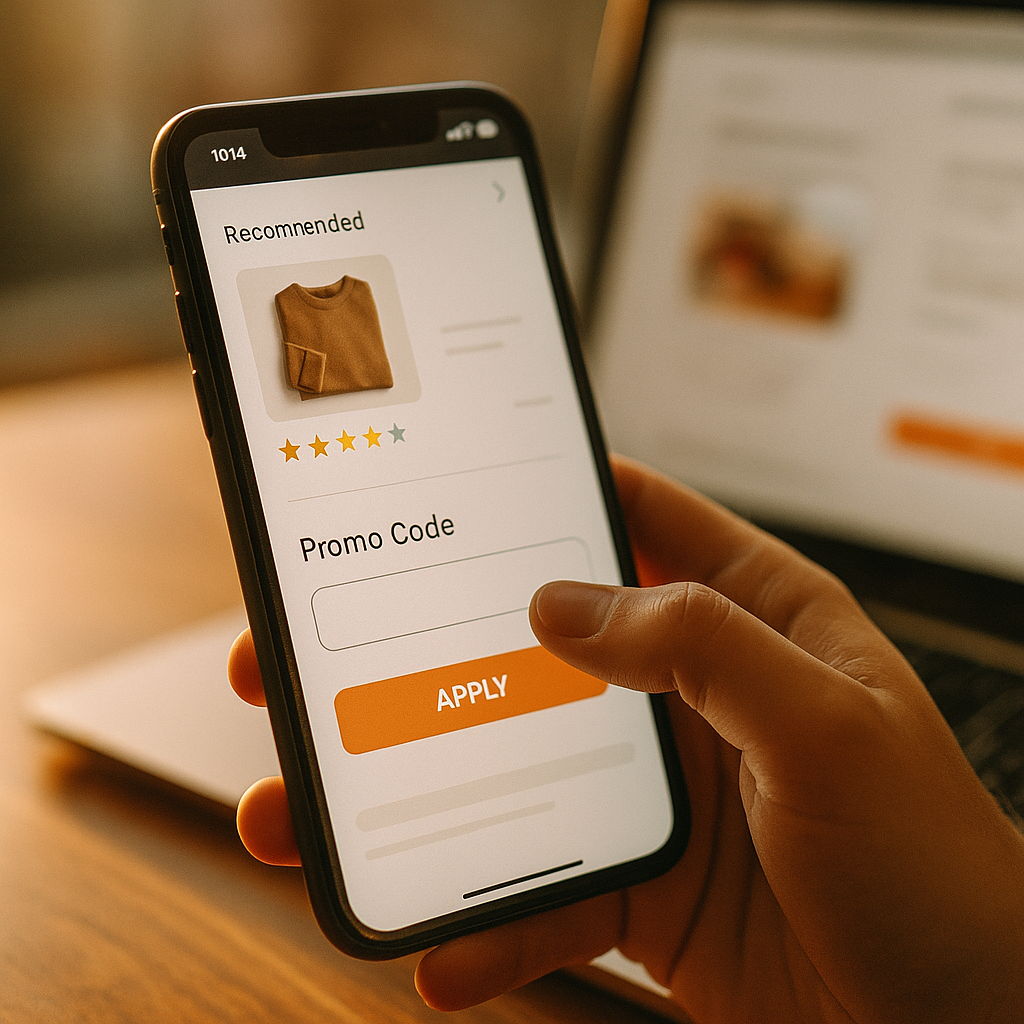
The FTC sent out more than 700 warning letters to influencers and marketers in a single enforcement sweep, and the majority cited the same root problem: disclosures buried where nobody would read them. Promo code disclosure placement has quietly become the single biggest compliance gap in affiliate marketing, and most brands don’t even know they’re exposed until a demand letter shows up.
Everyone assumes disclosure is a solved problem. Slap “#ad” somewhere in the caption, done. But the FTC doesn’t grade on a pass/fail curve for existence. It grades on visibility, proximity, and clarity, the same standards it applies to native advertising in editorial media. Promo codes create a unique wrinkle because the “ad” isn’t just the post, it’s the code itself, dropped in comments, pinned in bios, read aloud thirty seconds into a video, or flashed on screen for half a second. That’s where the native ad gap opens up.
What the FTC Actually Means by “Clear and Conspicuous”
The FTC’s Endorsement Guides don’t require a specific font size or hex code. They require that a disclosure be understood by the audience “without difficulty.” That’s a deliberately flexible standard, which means enforcement is contextual. A promo code buried in a video description on TikTok Shop doesn’t meet that bar because most viewers never tap “see more.” A code mentioned verbally in the first ten seconds of a Reel, paired with an on-screen “#ad” tag, does.
The agency has been explicit that disclosure placement must match how consumers actually experience the content, not how the platform’s default settings happen to render it. Recent FTC enforcement actions have penalized brands for exactly this mismatch: technically present disclosures that were functionally invisible.
A promo code disclosure that lives only in a caption’s fourth paragraph is legally equivalent to no disclosure at all if the platform truncates that caption by default.
This is the same logic that governs native advertising in digital publishing. If a “sponsored content” label sits below the fold or in gray-on-white six-point type, regulators treat it as deceptive regardless of intent. Affiliate and promo code content gets the same scrutiny now, and our recent coverage of FTC rulings breaks down exactly how the bar has shifted over the past enforcement cycle.
Why Promo Codes Are a Special Compliance Category
Promo codes aren’t just tracking mechanisms. They’re the disclosure trigger itself. Unlike a generic affiliate link, a promo code is a material connection that a creator personally benefits from every time it’s used, which makes it a textbook case for mandatory disclosure under FTC guidance. Yet promo codes routinely get treated as a marketing tactic first and a compliance event second.
Think about where codes actually surface in a typical campaign: pinned comments, link-in-bio tools, swipe-up stickers, spoken mentions in unboxing videos, on-screen graphics that flash briefly, or embedded in a caption that gets cut off after two lines. Every one of those placements has a different visibility profile, and the FTC doesn’t grandfather in the ones that are convenient.
Brands running high-volume promo code programs, especially with tiered payout structures, tend to focus compliance energy on the financial and tax side. That matters too. If you haven’t audited how your codes intersect with 1099 reporting obligations, this breakdown on promo code payouts is worth a read alongside this one. But financial compliance and disclosure compliance are two separate risk tracks, and most legal reviews only catch one of them.
The Native Ad Gap, Defined
Native advertising rules exist because consumers process editorial-style content differently than obvious ads. They lower their guard. A promo code dropped casually mid-video, delivered in the same tone as genuine product enthusiasm, is native advertising in every functional sense, even if nobody on the brand side ever used that term internally.
The “gap” is the space between what a disclosure technically contains and what a reasonable viewer actually perceives before taking action (in this case, before they use the code). Close that gap and you’re compliant. Leave it open and you’re one FTC complaint away from a consent decree.
Here’s where most programs fail the gap test:
- Timing mismatch: the disclosure appears after the code is already shown or spoken, not before.
- Platform truncation: captions get cut off, burying disclosure text below the “more” fold on Instagram or YouTube.
- Audio-only mentions: a creator says the code aloud with no simultaneous visual disclosure, which fails for viewers watching on mute (a majority on most short-form platforms, according to research from Sprout Social).
- Comment burial: the code and its disclosure sit in a pinned comment that platform algorithms can hide behind a “view replies” click.
- Link-in-bio dilution: disclosure exists on a landing page three clicks removed from where the code was first mentioned.
None of these are exotic edge cases. They’re the default behavior of nearly every mid-size affiliate program running promo codes at scale.
Live Shopping Makes This Worse, Not Better
If static posts have a placement problem, live and shoppable video has a placement crisis. TikTok Shop live sessions move fast, codes get mentioned dozens of times per hour, and there’s often no persistent on-screen disclosure at all. We’ve covered how real-time commerce is reshaping disclosure expectations in this piece on live selling disclosure, and the short version is: the FTC doesn’t grant a pass for speed. If anything, regulators view live commerce as higher risk because there’s no editing pass to catch a missing disclosure before it airs.
The same logic extends to the platform-native shopping tags themselves. Features like TikTok’s Shop Now tag can actually help here when used correctly, since they create a persistent, unavoidable visual marker tied to the transaction. Our analysis on turning that tag into a compliance asset is a useful companion read if your program leans heavily on shoppable video.
Sub Affiliates and Multi Tier Programs Multiply the Risk
Promo code disclosure gets exponentially harder to audit once you’re running a program with sub affiliates or multi tier commission structures. A brand might have airtight disclosure guidelines for its top 50 contracted creators, then discover those same creators recruited another 400 sub affiliates who never saw the guidelines at all. Every one of those sub affiliates using a shared or personalized code carries the exact same disclosure obligation, and the brand is still on the hook if enforcement comes calling.
This is a well-documented failure mode. Our reporting on multi tier commission chain audits and the related piece on sub affiliate network disclosure gaps both point to the same conclusion: the FTC doesn’t care how many layers deep the relationship goes. Material connection is material connection.
If you can’t produce, on demand, a screenshot showing exactly how and when a disclosure appeared relative to a promo code mention, you don’t have a compliance program. You have a hope.
Building a Placement Standard That Actually Holds Up
Fixing this doesn’t require reinventing your creator brief. It requires specificity that most briefs currently lack. Vague instructions like “please disclose partnerships appropriately” produce exactly the inconsistent placement that creates FTC exposure. Replace vague language with placement rules tied to format:
- Video content: require a burned-in, on-screen disclosure that appears within the first three seconds and persists for at least five seconds, timed to coincide with (not precede or follow) the first code mention.
- Captions: disclosure language must sit in the first two lines, before any “see more” truncation point, not appended at the end after hashtags.
- Live sessions: require a persistent on-screen graphic or lower-third disclosure for the full duration any promo code is active or displayed, refreshed at set intervals.
- Comments and bios: treat these as supplementary only, never as the primary disclosure mechanism.
- Audio mentions: pair every verbal code mention with a simultaneous visual cue, since audio-only disclosure fails for muted viewers.
Bake these into contracts, not just brand guidelines. Our piece on standardized base contracts covers how to build enforceable, scalable language into creator agreements so placement standards aren’t just a suggestion buried in a PDF nobody reads.
The Verification Problem Nobody Wants to Talk About
Writing the standard is the easy part. Verifying it at scale, across hundreds of creators and thousands of posts per quarter, is where programs actually break down. Manual review doesn’t scale past a certain roster size, and most brands don’t have a systematic audit cadence at all, they react to complaints instead of catching issues proactively.
This is increasingly where compliance tooling and third-party verification rights earn their keep. If your creator contracts don’t include explicit rights to audit disclosure placement on a rolling basis, you’re negotiating from a weaker position after the fact. The framework laid out in this piece on compliance audit verification rights is a solid starting point for building that leverage into new and renewed contracts.
For programs relying heavily on consent and disclosure logging as a defense mechanism, pairing verification rights with a documented audit trail closes the loop. See the discussion of consent logging audit trails for how that documentation should be structured to hold up under regulatory scrutiny.
What This Costs You If You Ignore It
The direct cost of an FTC enforcement action is real but often smaller than the indirect cost. Consent decrees carry monitoring requirements that persist for years. Retailer partners and payment processors increasingly run their own compliance checks before onboarding affiliate programs, and a public enforcement history follows a brand into those negotiations.
There’s also a slower, quieter cost: platforms themselves are tightening organic distribution for content flagged as non-compliant or under-disclosed, a trend covered in how platform regulations are suppressing organic reach. In other words, poor disclosure placement doesn’t just create legal risk, it’s starting to create a performance penalty too, independent of any regulatory action at all.
Next Step
Audit your last thirty days of live promo code content against the placement rules above before your next campaign brief goes out, not after a warning letter arrives. Fix the timing and visibility gap now, and you convert your biggest compliance liability into a defensible, repeatable standard your legal team can actually point to.
FAQs
What counts as “clear and conspicuous” disclosure for a promo code?
The FTC requires that a reasonable consumer understand the material connection without difficulty, meaning the disclosure must appear in the same format and location where the promo code itself is presented, whether that’s on-screen text during video, the first lines of a caption, or a persistent graphic during live selling.
Is putting the disclosure in a pinned comment enough?
Generally no. Platforms can hide replies behind additional clicks, and the FTC has signaled that disclosures dependent on extra user action don’t meet the “without difficulty” standard on their own.
Do brands get penalized for a creator’s disclosure mistakes?
Yes. The FTC has consistently held brands jointly responsible for endorsement violations made by their affiliates and creators, regardless of how many tiers or sub affiliates sit between the brand and the final post.
Does a verbal mention of a promo code need a written disclosure too?
Yes. Audio-only disclosure fails for viewers watching muted content, which is common on short-form video platforms, so a simultaneous visual disclosure is necessary to cover that audience.
How often should brands audit promo code disclosure placement?
A rolling monthly or quarterly audit cadence, backed by contractual verification rights, is the minimum standard for programs running promo codes across more than a handful of creators.
FAQs
What counts as “clear and conspicuous” disclosure for a promo code?
The FTC requires that a reasonable consumer understand the material connection without difficulty, meaning the disclosure must appear in the same format and location where the promo code itself is presented, whether that’s on-screen text during video, the first lines of a caption, or a persistent graphic during live selling.
Is putting the disclosure in a pinned comment enough?
Generally no. Platforms can hide replies behind additional clicks, and the FTC has signaled that disclosures dependent on extra user action don’t meet the “without difficulty” standard on their own.
Do brands get penalized for a creator’s disclosure mistakes?
Yes. The FTC has consistently held brands jointly responsible for endorsement violations made by their affiliates and creators, regardless of how many tiers or sub affiliates sit between the brand and the final post.
Does a verbal mention of a promo code need a written disclosure too?
Yes. Audio-only disclosure fails for viewers watching muted content, which is common on short-form video platforms, so a simultaneous visual disclosure is necessary to cover that audience.
How often should brands audit promo code disclosure placement?
A rolling monthly or quarterly audit cadence, backed by contractual verification rights, is the minimum standard for programs running promo codes across more than a handful of creators.
Top Influencer Marketing Agencies
The leading agencies shaping influencer marketing in 2026
Agencies ranked by campaign performance, client diversity, platform expertise, proven ROI, industry recognition, and client satisfaction. Assessed through verified case studies, reviews, and industry consultations.
Moburst

-
2

The Shelf
Boutique Beauty & Lifestyle Influencer AgencyA data-driven boutique agency specializing exclusively in beauty, wellness, and lifestyle influencer campaigns on Instagram and TikTok. Best for brands already focused on the beauty/personal care space that need curated, aesthetic-driven content.Clients: Pepsi, The Honest Company, Hims, Elf Cosmetics, Pure LeafVisit The Shelf → -
3

Audiencly
Niche Gaming & Esports Influencer AgencyA specialized agency focused exclusively on gaming and esports creators on YouTube, Twitch, and TikTok. Ideal if your campaign is 100% gaming-focused — from game launches to hardware and esports events.Clients: Epic Games, NordVPN, Ubisoft, Wargaming, Tencent GamesVisit Audiencly → -
4

Viral Nation
Global Influencer Marketing & Talent AgencyA dual talent management and marketing agency with proprietary brand safety tools and a global creator network spanning nano-influencers to celebrities across all major platforms.Clients: Meta, Activision Blizzard, Energizer, Aston Martin, WalmartVisit Viral Nation → -
5

The Influencer Marketing Factory
TikTok, Instagram & YouTube CampaignsA full-service agency with strong TikTok expertise, offering end-to-end campaign management from influencer discovery through performance reporting with a focus on platform-native content.Clients: Google, Snapchat, Universal Music, Bumble, YelpVisit TIMF → -
6

NeoReach
Enterprise Analytics & Influencer CampaignsAn enterprise-focused agency combining managed campaigns with a powerful self-service data platform for influencer search, audience analytics, and attribution modeling.Clients: Amazon, Airbnb, Netflix, Honda, The New York TimesVisit NeoReach → -
7

Ubiquitous
Creator-First Marketing PlatformA tech-driven platform combining self-service tools with managed campaign options, emphasizing speed and scalability for brands managing multiple influencer relationships.Clients: Lyft, Disney, Target, American Eagle, NetflixVisit Ubiquitous → -
8

Obviously
Scalable Enterprise Influencer CampaignsA tech-enabled agency built for high-volume campaigns, coordinating hundreds of creators simultaneously with end-to-end logistics, content rights management, and product seeding.Clients: Google, Ulta Beauty, Converse, AmazonVisit Obviously →