


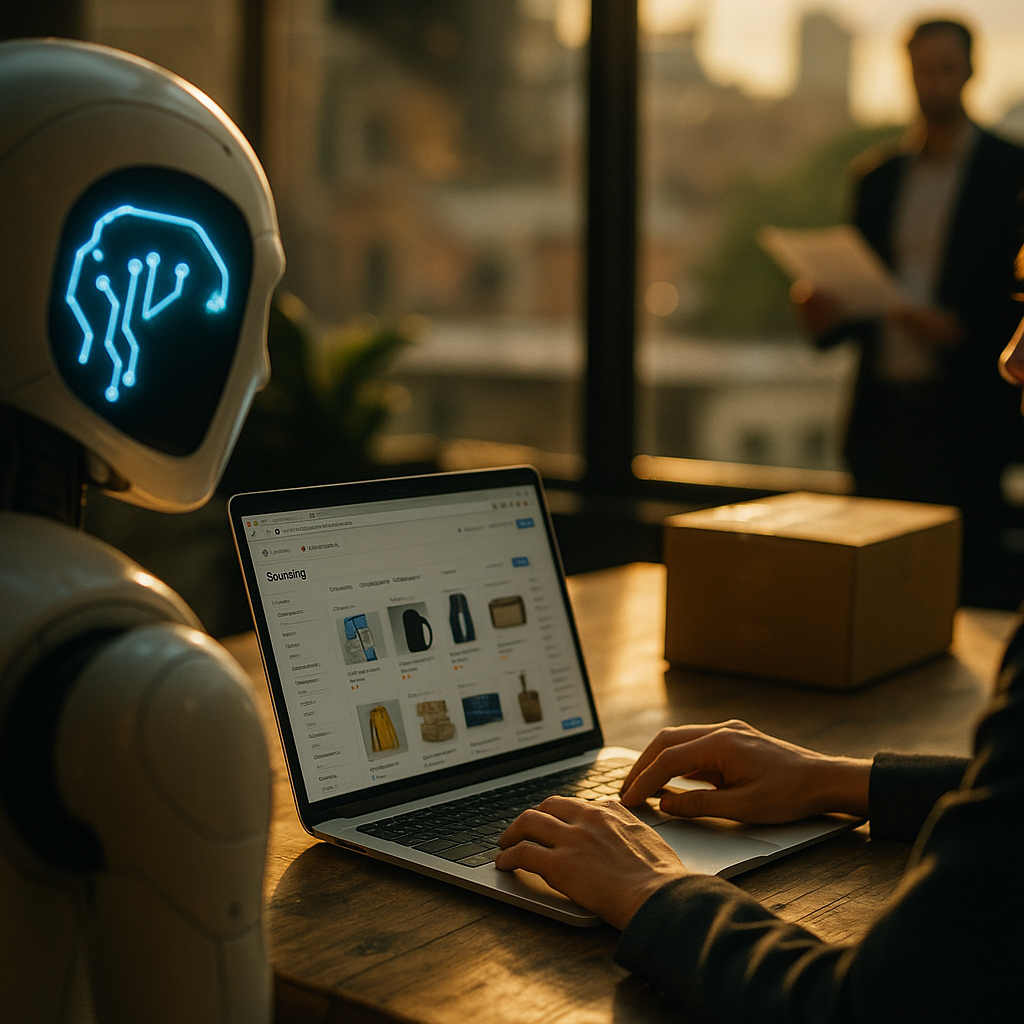
Roughly 63% of marketers say finding the right creators still eats more time than negotiating with them, according to recent eMarketer survey data. So what happens when you hand that sourcing job to an autonomous agent that never sleeps, never gets anchored on follower counts, and can scan hundreds of thousands of profiles before your coffee gets cold? Agentic AI audience discovery is quietly rewriting how brands build creator rosters, and it’s moving faster than most compliance teams can track.
The Old Discovery Model Was Never Built for Scale
Traditional influencer discovery relied on a mix of hashtag search, manual vetting, and gut instinct. An account manager would spend a week combing through TikTok and Instagram, cross-referencing engagement rates in a spreadsheet, and hoping the “brand fit” call held up after the contract was signed. That process worked fine when a campaign needed five creators. It falls apart completely when a brand needs five hundred micro-creators across twelve markets in a single quarter.
Agentic AI discovery flips the labor model. Instead of a human querying a database, an autonomous agent is given an objective (say, “find creators whose audience overlaps with our churned Gen Z customer segment”) and it goes and does the work: pulling audience graphs, cross-referencing purchase intent signals, scoring brand safety risk, and returning a ranked shortlist without a human touching a keyword search bar.
Agents don’t just find creators who look right. They find creators whose audiences behave right, which is a fundamentally different and more predictive signal.
What Agentic Discovery Actually Does Differently
The distinction between “AI-powered discovery” and “agentic” discovery matters, and it’s not just semantics. A recommendation engine surfaces options for a human to review. An agent takes a goal, breaks it into subtasks, executes those tasks across multiple tools and data sources, and iterates based on outcomes, largely without waiting for a human checkpoint at every step.
- Multi-source synthesis: Agents pull from social APIs, CDPs, and third-party audience data simultaneously rather than treating each platform as a siloed search.
- Semantic matching over keyword matching: Instead of searching “fitness creator,” agents interpret intent and context the way vector search casting tools already do, matching meaning rather than tags.
- Continuous re-scoring: A creator who looked strong three months ago might now carry brand safety flags. Agents re-evaluate the roster on a rolling basis instead of a one-time vetting pass.
- Autonomous shortlisting: The agent doesn’t just rank, it can draft the outreach sequence, though most teams still keep a human in the approval loop, as covered in our look at AI outreach agents drafting creator DMs.
Why Follower Count Stops Being the Filter
Anyone still sorting a creator shortlist by follower count in 2026 is leaving money on the table. Agentic systems weight intent signals, purchase propensity, and audience overlap far more heavily than reach. That mirrors a broader shift documented in our piece on how AI intent signals outrank follower counts in negotiation and deal structuring. Discovery and deal-making are converging into a single pipeline, and the agent doesn’t care whether a creator has 40,000 followers or 400,000 if the conversion signal isn’t there.
The Data Backbone Nobody Talks About Enough
None of this works without clean first-party data feeding the agent’s decisions. Brands that have already invested in preference centers and unified customer profiles are the ones getting genuinely useful discovery output. If your CDP is a mess, your agent’s creator recommendations will be a mess too, just faster and more confidently wrong.
This is where the connective tissue between marketing ops and creator strategy really matters. Teams that have mapped preference center data into creator targeting already have a head start, because the agent has a clean audience taxonomy to match against instead of guessing from public social signals alone. Similarly, the feedback loops that connect campaign performance back into the CRM, discussed in our coverage of CDP to CRM feedback loops, become the training signal that makes next quarter’s agentic sourcing sharper than this quarter’s.
Risk Doesn’t Disappear, It Just Moves Upstream
Here’s the uncomfortable part: letting an algorithm source your creator partners doesn’t reduce your compliance exposure, it relocates it. When a human recruiter picks a bad-fit creator, you have a paper trail and a person who made a judgment call. When an agent autonomously sources and even initiates contact with a creator who turns out to have a history of undisclosed sponsorships or brand safety violations, the accountability question gets murkier fast.
Regulators aren’t waiting for the technology to mature before they start asking questions. The FTC’s endorsement guidance still places disclosure responsibility on the brand regardless of how the creator was sourced or contracted. If your agent surfaced a creator who then fails to disclose a paid partnership properly, that’s still your liability.
An algorithm choosing your creator partner doesn’t transfer your compliance risk, it just makes the audit trail harder to reconstruct after the fact.
This is exactly why governance frameworks matter more than the sourcing technology itself. Our earlier reporting on how foundation standards set the audit bar before launch is required reading for any brand rolling out agentic discovery without a documented review process. Skipping that step isn’t a shortcut, it’s a liability waiting to surface in a renewal audit or, worse, a regulatory inquiry.
Scoping the Workflow Before You Automate It
The teams getting real ROI from agentic discovery didn’t start by turning an agent loose on the entire creator marketplace. They scoped one narrow workflow first, tested it against a known-good manual process, and expanded once the output matched or beat human sourcing on quality metrics. That approach lines up with the broader guidance in scoping one agentic AI workflow before scaling automation. Discovery is a good first candidate precisely because the failure mode is cheap. A bad shortlist wastes a review cycle. A bad autonomous payout or contract negotiation wastes real money.
How This Plays Out in Practice
Picture a mid-size DTC skincare brand launching in three new markets simultaneously. Under the old model, that’s three separate manual sourcing sprints, each taking two to three weeks, plus translation and localization overhead for vetting local creators. An agentic discovery layer can run all three sprints in parallel, applying the same brand safety criteria and audience-fit logic across markets while flagging region-specific compliance quirks (like influencer disclosure rules that differ by country, something the ICO has been increasingly vocal about in the UK).
The output isn’t a final creator roster ready to sign. It’s a heavily pre-qualified shortlist that a human strategist reviews in hours instead of weeks. That’s the realistic promise here, and it’s worth being blunt about it: agentic discovery compresses the sourcing timeline, it doesn’t eliminate human judgment from the final call. Brands that have tried to skip the human review step tend to end up in the same place as the teams profiled in our piece on agentic creator tools that promise autonomy but deliver manual review anyway, just with extra frustration built in.
What This Means for Team Structure
Sourcing used to be an entry-level function on most influencer marketing teams, the job you gave someone in their first six months. That’s changing. The skill that matters now is prompt design and output auditing: knowing how to define the objective clearly enough that the agent returns useful shortlists, and knowing how to spot-check its work for blind spots the model can’t see (like a creator’s off-platform reputation or a recent controversy that hasn’t hit the data yet).
Marketing ops leaders are already absorbing this shift into governance roles rather than creative ones. That trend tracks with what we’ve seen in AI transformation directors owning marketing governance risk more broadly across the martech stack. Discovery is just one more function moving under that umbrella.
None of this is theoretical anymore. Tools built on frameworks similar to those described by HubSpot for AI-assisted lead scoring are already being adapted for creator scoring, and platforms like LinkedIn and TikTok Ads are building native audience-matching signals that agentic layers can query directly rather than scraping.
Bottom line: pilot agentic discovery on one campaign segment, document every autonomous decision the agent makes, and keep a human sign-off gate before any creator moves from shortlist to signed contract. That’s the difference between scaling smart and scaling a compliance headache.
Frequently Asked Questions
What is agentic AI audience discovery?
It’s the use of autonomous AI agents to independently search, vet, and rank creator partners based on a defined goal, rather than relying on a human manually searching platforms and spreadsheets. The agent executes multi-step research tasks and returns a ranked shortlist with minimal human input at each step.
How is this different from existing influencer marketing platforms?
Most existing platforms are searchable databases that a human queries manually. Agentic systems take a goal and autonomously execute the research, cross-referencing multiple data sources, re-scoring creators over time, and sometimes drafting outreach without waiting for a person to run each search.
Does agentic discovery reduce compliance risk?
No, it typically relocates the risk rather than reducing it. Brands remain accountable for disclosure compliance and creator vetting under FTC guidance regardless of whether a human or an algorithm sourced the partnership, so documented audit trails become even more important.
Can agentic AI replace human influencer marketers entirely?
Not currently, and probably not soon. Most successful implementations keep a human reviewer at the final approval stage before outreach or contracting, using the agent to compress research time rather than eliminate human judgment from the decision.
What data do brands need before adopting agentic discovery?
Clean first-party audience data is the biggest prerequisite. Brands with organized CDPs, preference centers, and historical campaign performance data get materially better agent output than brands relying on public social signals alone.
How should a brand start testing agentic discovery safely?
Scope a single, low-risk workflow, such as discovery for one campaign segment, run it in parallel with your existing manual process, and compare output quality before expanding scope or removing human checkpoints.
Top Influencer Marketing Agencies
The leading agencies shaping influencer marketing in 2026
Agencies ranked by campaign performance, client diversity, platform expertise, proven ROI, industry recognition, and client satisfaction. Assessed through verified case studies, reviews, and industry consultations.
Moburst

-
2

The Shelf
Boutique Beauty & Lifestyle Influencer AgencyA data-driven boutique agency specializing exclusively in beauty, wellness, and lifestyle influencer campaigns on Instagram and TikTok. Best for brands already focused on the beauty/personal care space that need curated, aesthetic-driven content.Clients: Pepsi, The Honest Company, Hims, Elf Cosmetics, Pure LeafVisit The Shelf → -
3

Audiencly
Niche Gaming & Esports Influencer AgencyA specialized agency focused exclusively on gaming and esports creators on YouTube, Twitch, and TikTok. Ideal if your campaign is 100% gaming-focused — from game launches to hardware and esports events.Clients: Epic Games, NordVPN, Ubisoft, Wargaming, Tencent GamesVisit Audiencly → -
4

Viral Nation
Global Influencer Marketing & Talent AgencyA dual talent management and marketing agency with proprietary brand safety tools and a global creator network spanning nano-influencers to celebrities across all major platforms.Clients: Meta, Activision Blizzard, Energizer, Aston Martin, WalmartVisit Viral Nation → -
5

The Influencer Marketing Factory
TikTok, Instagram & YouTube CampaignsA full-service agency with strong TikTok expertise, offering end-to-end campaign management from influencer discovery through performance reporting with a focus on platform-native content.Clients: Google, Snapchat, Universal Music, Bumble, YelpVisit TIMF → -
6

NeoReach
Enterprise Analytics & Influencer CampaignsAn enterprise-focused agency combining managed campaigns with a powerful self-service data platform for influencer search, audience analytics, and attribution modeling.Clients: Amazon, Airbnb, Netflix, Honda, The New York TimesVisit NeoReach → -
7

Ubiquitous
Creator-First Marketing PlatformA tech-driven platform combining self-service tools with managed campaign options, emphasizing speed and scalability for brands managing multiple influencer relationships.Clients: Lyft, Disney, Target, American Eagle, NetflixVisit Ubiquitous → -
8

Obviously
Scalable Enterprise Influencer CampaignsA tech-enabled agency built for high-volume campaigns, coordinating hundreds of creators simultaneously with end-to-end logistics, content rights management, and product seeding.Clients: Google, Ulta Beauty, Converse, AmazonVisit Obviously →