


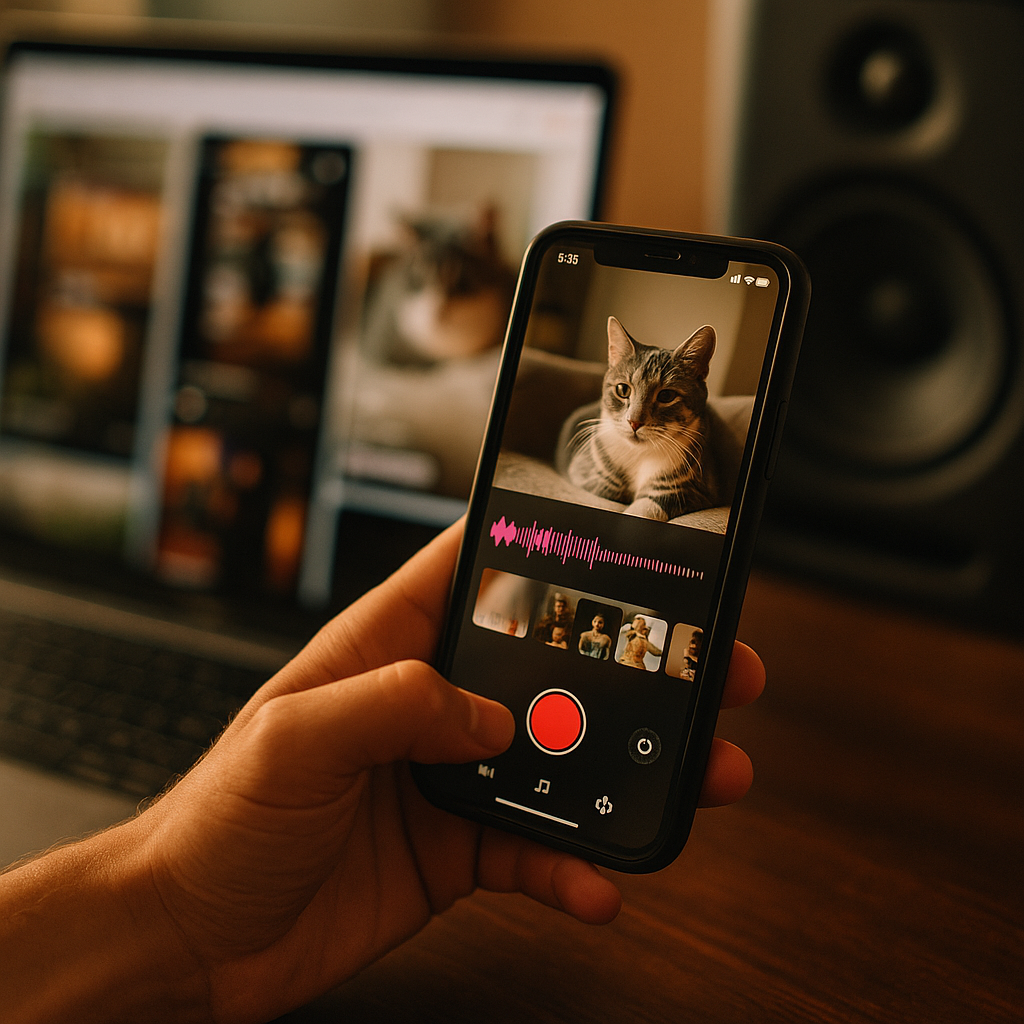
Meta quietly rebuilt how Reels earns distribution, and most brand teams haven’t caught up. The Reels First Feed ranking system now weighs pacing rhythm and audio structure almost as heavily as the opening hook, which means a video that nails the first three seconds can still die in distribution if the middle drags or the sound cuts wrong. If your content calendar still treats “strong hook” as the whole strategy, you’re optimizing for a ranking model that no longer exists.
The Ranking Model Quietly Moved Past the Hook Obsession
For years, the advice was simple: win the first three seconds or lose the feed. That’s still true, but it’s incomplete. Instagram’s recommendation system has layered in mid-video retention curves and audio engagement signals that reward content structured for sustained attention, not just an opening jolt. A creator can hook viewers hard and still get throttled if the completion rate flattens by second eight.
This shift tracks with what Meta has said publicly about optimizing for “time well spent” rather than raw watch time. The company’s own business platform documentation has increasingly nudged advertisers and creators toward native-feeling pacing over ad-like structures. Translation: the algorithm now penalizes content that feels engineered purely for the scroll-stop, and rewards content that holds attention because the pacing actually earns it.
Pacing Isn’t About Speed, It’s About Rhythm
Brand teams tend to hear “pacing” and assume faster cuts. Wrong instinct. The Reels First Feed ranking model isn’t rewarding chaos, it’s rewarding rhythm that matches viewer expectation. Fast-cut content that never lets a beat land actually triggers early scroll-away, because viewers can’t process the information before the next cut hits.
What’s actually working in 2026 test data from agency partners: a three-act pacing structure inside 15 to 30 second Reels. Open tight (under two seconds to the first visual payoff), settle into a mid-section with one clear beat of information delivery, then close on a pattern interrupt or payoff that rewards the full watch. This isn’t new film theory, it’s just finally measurable at scale because Instagram’s retention graph data lets you see exactly where the drop-off happens.
- Front-load visual movement, not just text overlays, in the first 1.5 seconds.
- Build one deliberate “breath” moment mid-video where pacing slows just enough to let the message land.
- End on a beat tied to the sound, not a hard cut to a logo card.
Content that flattens its retention curve in the first five seconds gets deprioritized in distribution even if the completion rate at the end looks fine, because the ranking model now samples engagement at multiple checkpoints, not just total watch time.
Sound Design Is No Longer an Afterthought
Here’s the part most brand teams still get wrong: they treat trending audio selection as the entirety of “sound strategy.” Picking a trending track matters for discovery, sure, but Meta’s ranking signals now also weigh audio-visual sync, meaning does the cut actually land on the beat, and whether the sound design includes layered elements (voiceover plus ambient plus music) versus a single flat audio track.
Reels with layered sound design, even simple layering like a whispered voiceover under a music bed, are showing measurably better distribution in agency benchmarking than single-track audio, according to creator platform data shared by tools like HubSpot’s marketing research and echoed across multiple agency case studies this cycle.
This matters operationally because most brand briefs still say “use trending audio” and stop there. That’s leaving distribution on the table. If your creators are editing in template-based tools, push them toward templates with built-in layered audio tracks rather than default single-track exports. It’s a small production change with an outsized ranking impact.
What This Means for Music Licensing and Rights
Layered sound design raises the licensing question fast. If a creator is stacking a trending track under a custom voiceover, brands need clarity on usage rights before that content gets whitelisted for paid amplification. This is exactly the gap covered in Influencers Time’s breakdown of music licensing budget tests, and it’s worth revisiting that framework now that sound layering is a ranking factor, not just a creative flourish.
Skipping this step isn’t just a creative risk, it’s a compliance one. Rights issues that get flagged after a piece of content is already boosted through partnership ads whitelisting create cleanup work nobody budgeted for.
Rewriting the Creator Brief for the New Ranking Logic
Briefs written for the old hook-first model need a rewrite, not a patch. Here’s what that rewrite should include:
- Pacing map, not just a hook requirement. Specify the three-act structure and where the “breath” moment should land.
- Sound layering minimum. Require at least two audio elements (music plus voice, or music plus ambient sound) rather than a single trending track.
- Retention checkpoint targets. Ask creators to check their own Reels insights at the 3-second, 8-second, and completion marks, not just overall view count.
- Licensing sign-off before amplification. Confirm audio rights before content moves into partnership ads whitelisting workflows.
This dovetails with the broader signal optimization work covered in Influencers Time’s Reels discovery guide, which walks through the other engagement signals feeding the same ranking model. Pacing and sound are two levers in a larger system, but they’re the two most brands are currently ignoring.
Does This Change How You Brief for Shoppable Reels?
Yes, and it’s a bigger deal than it sounds. Shoppable Reels tied to Explore shopping stickers already carry a conversion-path constraint: the sticker placement can’t interrupt the pacing flow or it tanks both engagement and click-through. Brands running commerce-first Reels need to build sticker placement into the pacing map from the storyboard stage, not bolt it on in editing.
The mid-video “breath” beat mentioned earlier turns out to be the ideal placement window for a shopping sticker. It’s a natural pause point, and it doesn’t fight the sound design or interrupt the payoff moment at the end. Brands that have shifted sticker placement to that beat are seeing better click-through without the retention penalty that comes from cramming commerce prompts into the closing seconds.
Measurement: What to Actually Track Going Forward
Vanity metrics won’t tell you if pacing and sound changes are working. Track these instead:
- Retention curve shape (not just completion rate) at the 3-second and 8-second marks, available in native Reels insights.
- Audio retention against visual retention, to see if sound design is holding attention independent of the visuals.
- Distribution lift on paid amplification once content clears through partnership ads versus spark-style formats, since organic ranking performance is increasingly predictive of paid efficiency too.
Third-party benchmarking from Sprout Social and trend data from eMarketer both point the same direction: short-form platforms are converging on retention-quality signals over raw volume metrics. Brands still optimizing for view count alone are measuring the wrong thing.
Next step: audit your last ten Reels against retention checkpoints, not just view counts, then rewrite one upcoming creator brief with the pacing map and sound layering requirements above before your next production cycle.
FAQs
What is Reels First Feed ranking?
It’s Instagram’s system for deciding which Reels get surfaced to non-followers in the main feed and Explore, based on signals including retention curves, pacing structure, and now audio-visual sound design quality, not just the opening hook.
How does pacing affect Reels distribution?
Instagram now samples engagement at multiple points in a video, not just total watch time. Content with a flat or chaotic pacing structure loses distribution even if the overall completion rate looks acceptable.
Does trending audio still matter for reach?
Yes, but it’s no longer sufficient on its own. Layered sound design, meaning multiple audio elements like voiceover and music together, is now weighted alongside trending audio selection in ranking signals.
Do brands need to update music licensing for layered audio Reels?
Often yes. Layering a trending track with custom voiceover or ambient sound can trigger different usage terms, so brands should confirm rights before amplifying content through paid partnership ads.
Where should shopping stickers go in a Reel to avoid hurting reach?
Place them at natural pacing pauses, ideally the mid-video “breath” beat, rather than at the open or close, so they don’t disrupt retention or the sound design payoff.
Top Influencer Marketing Agencies
The leading agencies shaping influencer marketing in 2026
Agencies ranked by campaign performance, client diversity, platform expertise, proven ROI, industry recognition, and client satisfaction. Assessed through verified case studies, reviews, and industry consultations.
Moburst

-
2

The Shelf
Boutique Beauty & Lifestyle Influencer AgencyA data-driven boutique agency specializing exclusively in beauty, wellness, and lifestyle influencer campaigns on Instagram and TikTok. Best for brands already focused on the beauty/personal care space that need curated, aesthetic-driven content.Clients: Pepsi, The Honest Company, Hims, Elf Cosmetics, Pure LeafVisit The Shelf → -
3

Audiencly
Niche Gaming & Esports Influencer AgencyA specialized agency focused exclusively on gaming and esports creators on YouTube, Twitch, and TikTok. Ideal if your campaign is 100% gaming-focused — from game launches to hardware and esports events.Clients: Epic Games, NordVPN, Ubisoft, Wargaming, Tencent GamesVisit Audiencly → -
4

Viral Nation
Global Influencer Marketing & Talent AgencyA dual talent management and marketing agency with proprietary brand safety tools and a global creator network spanning nano-influencers to celebrities across all major platforms.Clients: Meta, Activision Blizzard, Energizer, Aston Martin, WalmartVisit Viral Nation → -
5

The Influencer Marketing Factory
TikTok, Instagram & YouTube CampaignsA full-service agency with strong TikTok expertise, offering end-to-end campaign management from influencer discovery through performance reporting with a focus on platform-native content.Clients: Google, Snapchat, Universal Music, Bumble, YelpVisit TIMF → -
6

NeoReach
Enterprise Analytics & Influencer CampaignsAn enterprise-focused agency combining managed campaigns with a powerful self-service data platform for influencer search, audience analytics, and attribution modeling.Clients: Amazon, Airbnb, Netflix, Honda, The New York TimesVisit NeoReach → -
7

Ubiquitous
Creator-First Marketing PlatformA tech-driven platform combining self-service tools with managed campaign options, emphasizing speed and scalability for brands managing multiple influencer relationships.Clients: Lyft, Disney, Target, American Eagle, NetflixVisit Ubiquitous → -
8

Obviously
Scalable Enterprise Influencer CampaignsA tech-enabled agency built for high-volume campaigns, coordinating hundreds of creators simultaneously with end-to-end logistics, content rights management, and product seeding.Clients: Google, Ulta Beauty, Converse, AmazonVisit Obviously →