


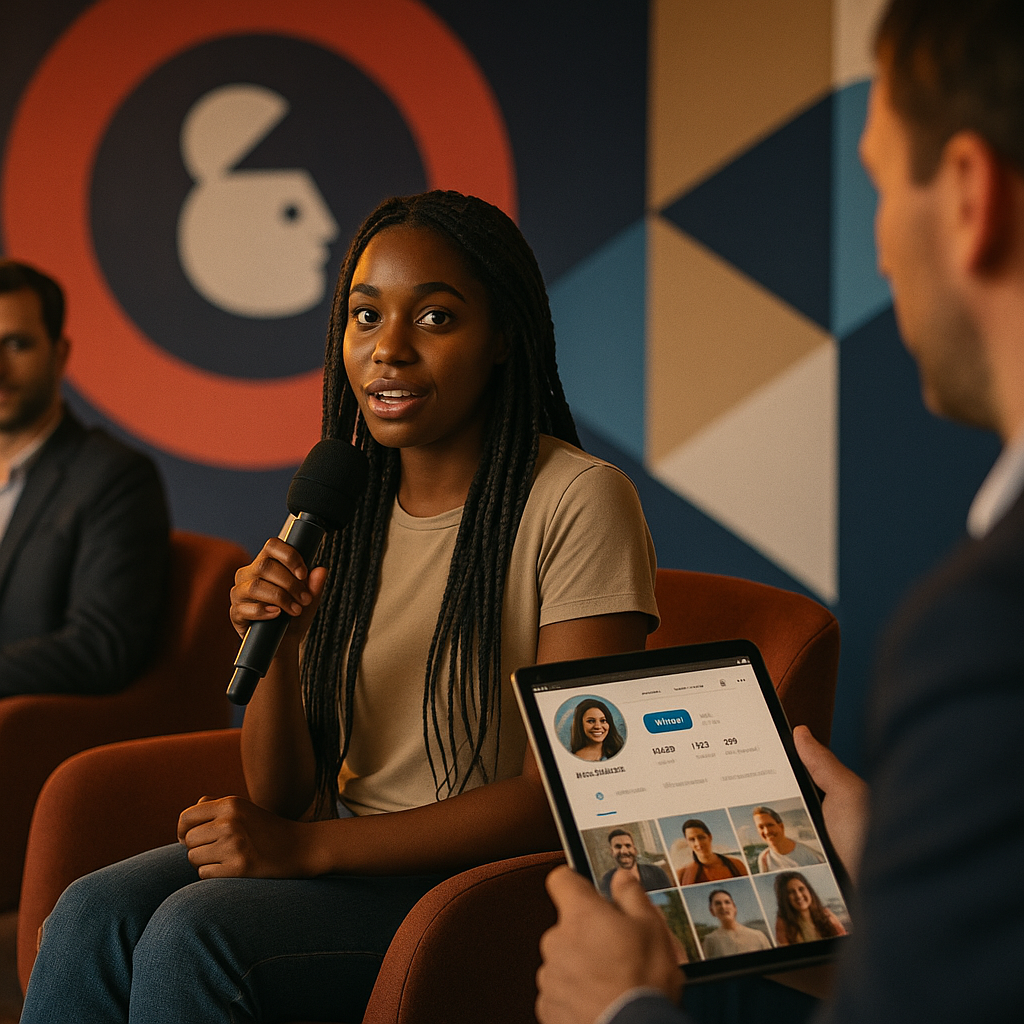
Only 24 percent of marketers say they can confidently prove the ROI of their influencer programs. That stat alone should explain why Advertising Week New York is shaping up less like a networking mixer and more like a referendum on whether creator marketing budgets survive the next finance review. The panels have changed. The vendors pitching from the expo floor have changed. What hasn’t changed is the pressure from CFOs asking marketers to show their work.
If you attended last year expecting inspiration keynotes and loose talk about “authenticity,” this year’s agenda signals something different. Attribution is the main character now. Measurement vendors are elbowing past creative agencies for stage time, and the sessions that draw the biggest crowds are the ones promising hard numbers, not vibes.
Why Attribution Became the Main Event
Three years ago, influencer marketing conference content leaned heavily on discovery: which platform is hot, which creator archetype converts, how to brief for TikTok versus Instagram. That conversation hasn’t disappeared, but it’s been pushed to secondary stages. The main rooms now belong to measurement.
Why the shift? Budgets grew fast and finance teams noticed. When creator spend was a rounding error in the marketing budget, nobody demanded a attribution model. Now that budget surges force internal justification, every dollar gets scrutinized the way paid search and programmatic display have been scrutinized for a decade. Influencer marketing is growing up, and growing up means getting audited.
The brands winning budget fights in boardrooms aren’t the ones with the best creator relationships. They’re the ones with the cleanest attribution story.
Expect sessions this year built around multi-touch attribution models adapted specifically for creator content, incrementality testing frameworks borrowed from performance marketing, and case studies where brands walk through exactly how they tied a TikTok Shop campaign to a lift in offline retail sales. That last category deserves attention because it echoes a theme we’ve covered before: the phygital shift forcing brands to rethink retail attribution entirely.
What’s Actually on the Agenda
Based on early programming signals and the direction the industry has been moving, here’s what practitioners should expect to see heavily represented:
- Incrementality testing panels featuring brands walking through holdout group methodology for creator campaigns, a practice that was rare two years ago and is now table stakes for enterprise advertisers.
- Verification and fraud detection sessions, building on growing industry frustration over inflated impression counts that have eroded trust in self-reported creator metrics.
- Cross-platform attribution workshops addressing the headache of measuring a campaign that spans TikTok, Instagram Reels, YouTube Shorts, and retail media networks simultaneously.
- Procurement-focused breakouts, a format that’s grown because, as we noted when covering how ad conferences shift from panels to procurement rooms, buyers want vendor demos and pricing transparency, not inspiration.
- AI measurement tooling demos, where platforms claim to automate sentiment analysis, brand lift studies, and content-level ROI scoring in near real time.
Notice what’s missing from that list? Panels about “finding the right creator voice” or “building authentic partnerships.” That language hasn’t vanished from the industry, but it’s been demoted to side-stage content. The main stages belong to people with dashboards.
The ROI Conversation Brands Need to Have Internally First
Here’s an uncomfortable truth: most brands attending won’t be ready for the attribution conversation because they haven’t fixed their own measurement infrastructure at home. You can sit through every incrementality panel at the Javits Center and still walk away unable to apply it if your internal systems can’t connect creator content to purchase data.
Before the conference, marketing leaders should audit three things. First, does your team have a consistent definition of what counts as a conversion from creator content, whether that’s a swipe-up, a promo code redemption, or a TikTok Shop checkout? Second, can your martech stack actually connect creator-driven traffic to downstream revenue, or are you still relying on vanity metrics like views and likes? Third, who owns attribution internally: is it marketing, is it a dedicated analytics function, or is nobody really accountable?
Brands that show up to Advertising Week without answers to those questions will leave with a notebook full of vendor pitches and no framework to evaluate them. That’s a wasted trip and a wasted travel budget.
Platform Fragmentation Makes This Harder Than It Should Be
One reason attribution has become the dominant theme is that measurement has gotten objectively more complicated, not less. A single campaign might run across five platforms, each with its own analytics dashboard, its own definition of engagement, and its own refusal to share raw data with third-party measurement tools.
This isn’t just a US problem either. The same fragmentation is playing out globally, and anyone running international programs should look at how APAC platform fragmentation breaks global attribution models for a preview of what’s coming stateside as regional platforms gain share.
Expect at least one major session dedicated specifically to the “walled garden” problem, where speakers from measurement companies argue for standardized reporting APIs and platform representatives politely explain why that’s not happening anytime soon. It’s a tension that’s been simmering for years and shows no sign of resolving at this conference or the next.
What About Creator-Side Economics?
It would be a mistake to assume attribution conversations are purely a brand-side concern. Creators and their agents have skin in this game too, particularly as compensation models shift. The rise of recurring revenue models and multi-year retainers replacing one-off campaigns means creators increasingly want performance data too, if only to negotiate renewal rates with evidence instead of vibes.
This creates an interesting alignment of incentives. Brands want attribution to justify spend internally. Creators want attribution to justify higher rates externally. The measurement infrastructure being built right now serves both sides, which is partly why vendors in this space have raised so much funding and command so much conference real estate.
A Few Predictions Worth Testing Against Reality
Based on the trajectory of the past eighteen months, here’s what we expect to see validated or challenged on the show floor:
- Retail media attribution integrations will get significantly more floor time than social-only measurement tools, reflecting how much budget has shifted toward commerce-enabled formats.
- At least one major platform will announce an expanded first-party measurement partnership, likely involving a retail or commerce data provider.
- Agency panels will increasingly frame their pitch around “media company” thinking rather than traditional campaign management, consistent with how creators as media companies are forcing brands to rebuild line items.
- Expect pointed audience questions about fraud and bot-driven engagement, especially after a year of public reporting on inflated metrics across multiple platforms.
None of these predictions are guaranteed, but they’re grounded in where the money and attention have already been moving. Conferences tend to reflect the industry’s anxieties about six months after those anxieties first surface in earnings calls and trade press, and attribution anxiety has been building since at least last year.
How to Actually Get Value From the Sessions
Skip the keynotes that promise “the future of creator marketing” in broad strokes. Those sessions are built for press coverage, not operational takeaways. Instead, prioritize the smaller breakout rooms where practitioners from specific brand categories walk through actual case studies with numbers attached.
Bring specific questions. If your team struggles with cross-platform measurement, don’t just attend a general “attribution 101” panel. Find the session where a beauty or CPG brand walks through their exact tech stack and ask about it directly during Q&A. Conference value scales with specificity, not attendance volume.
It also helps to benchmark against industry data before you go. Resources like eMarketer’s influencer marketing research and Statista’s creator economy data give you a baseline for what “good” attribution looks like across categories, so vendor claims don’t sound more impressive than they actually are.
For compliance-minded teams, it’s also worth revisiting disclosure guidance from the Federal Trade Commission before attending any sessions on creator contracts or performance-based compensation models, since attribution conversations inevitably touch on how campaigns are disclosed and tracked.
FAQs
Frequently Asked Questions
What is the main theme expected at Advertising Week New York this year?
Attribution and ROI measurement for influencer and creator marketing are expected to dominate the agenda, reflecting broader industry pressure to justify creator budgets with hard performance data rather than engagement metrics alone.
Why has attribution become such a priority for brands running creator campaigns?
As influencer marketing budgets have grown substantially, finance teams and executive leadership are demanding the same rigor applied to paid search and programmatic advertising. Vanity metrics like views and likes no longer satisfy budget approval processes.
What should marketing leaders prepare before attending attribution-focused sessions?
Teams should first establish internal clarity on conversion definitions, confirm their martech stack can connect creator content to revenue data, and designate clear ownership of attribution reporting before evaluating external vendor solutions.
Are creator-side economics part of the attribution conversation too?
Yes. As recurring revenue models and multi-year retainers become more common, creators and their representatives increasingly want performance data to negotiate renewal rates, aligning their incentives with brand measurement needs.
What’s the biggest measurement challenge brands face right now?
Cross-platform attribution remains the toughest hurdle, since campaigns often span multiple platforms with inconsistent data sharing, making it difficult to build a unified view of performance without significant manual reconciliation.
Walk into Advertising Week New York with a clear internal attribution framework already in hand, not a hope that a vendor booth will build one for you. The brands that leave with real ROI clarity will be the ones who arrived already knowing what questions they needed answered.
Top Influencer Marketing Agencies
The leading agencies shaping influencer marketing in 2026
Agencies ranked by campaign performance, client diversity, platform expertise, proven ROI, industry recognition, and client satisfaction. Assessed through verified case studies, reviews, and industry consultations.
Moburst

-
2

The Shelf
Boutique Beauty & Lifestyle Influencer AgencyA data-driven boutique agency specializing exclusively in beauty, wellness, and lifestyle influencer campaigns on Instagram and TikTok. Best for brands already focused on the beauty/personal care space that need curated, aesthetic-driven content.Clients: Pepsi, The Honest Company, Hims, Elf Cosmetics, Pure LeafVisit The Shelf → -
3

Audiencly
Niche Gaming & Esports Influencer AgencyA specialized agency focused exclusively on gaming and esports creators on YouTube, Twitch, and TikTok. Ideal if your campaign is 100% gaming-focused — from game launches to hardware and esports events.Clients: Epic Games, NordVPN, Ubisoft, Wargaming, Tencent GamesVisit Audiencly → -
4

Viral Nation
Global Influencer Marketing & Talent AgencyA dual talent management and marketing agency with proprietary brand safety tools and a global creator network spanning nano-influencers to celebrities across all major platforms.Clients: Meta, Activision Blizzard, Energizer, Aston Martin, WalmartVisit Viral Nation → -
5

The Influencer Marketing Factory
TikTok, Instagram & YouTube CampaignsA full-service agency with strong TikTok expertise, offering end-to-end campaign management from influencer discovery through performance reporting with a focus on platform-native content.Clients: Google, Snapchat, Universal Music, Bumble, YelpVisit TIMF → -
6

NeoReach
Enterprise Analytics & Influencer CampaignsAn enterprise-focused agency combining managed campaigns with a powerful self-service data platform for influencer search, audience analytics, and attribution modeling.Clients: Amazon, Airbnb, Netflix, Honda, The New York TimesVisit NeoReach → -
7

Ubiquitous
Creator-First Marketing PlatformA tech-driven platform combining self-service tools with managed campaign options, emphasizing speed and scalability for brands managing multiple influencer relationships.Clients: Lyft, Disney, Target, American Eagle, NetflixVisit Ubiquitous → -
8

Obviously
Scalable Enterprise Influencer CampaignsA tech-enabled agency built for high-volume campaigns, coordinating hundreds of creators simultaneously with end-to-end logistics, content rights management, and product seeding.Clients: Google, Ulta Beauty, Converse, AmazonVisit Obviously →