


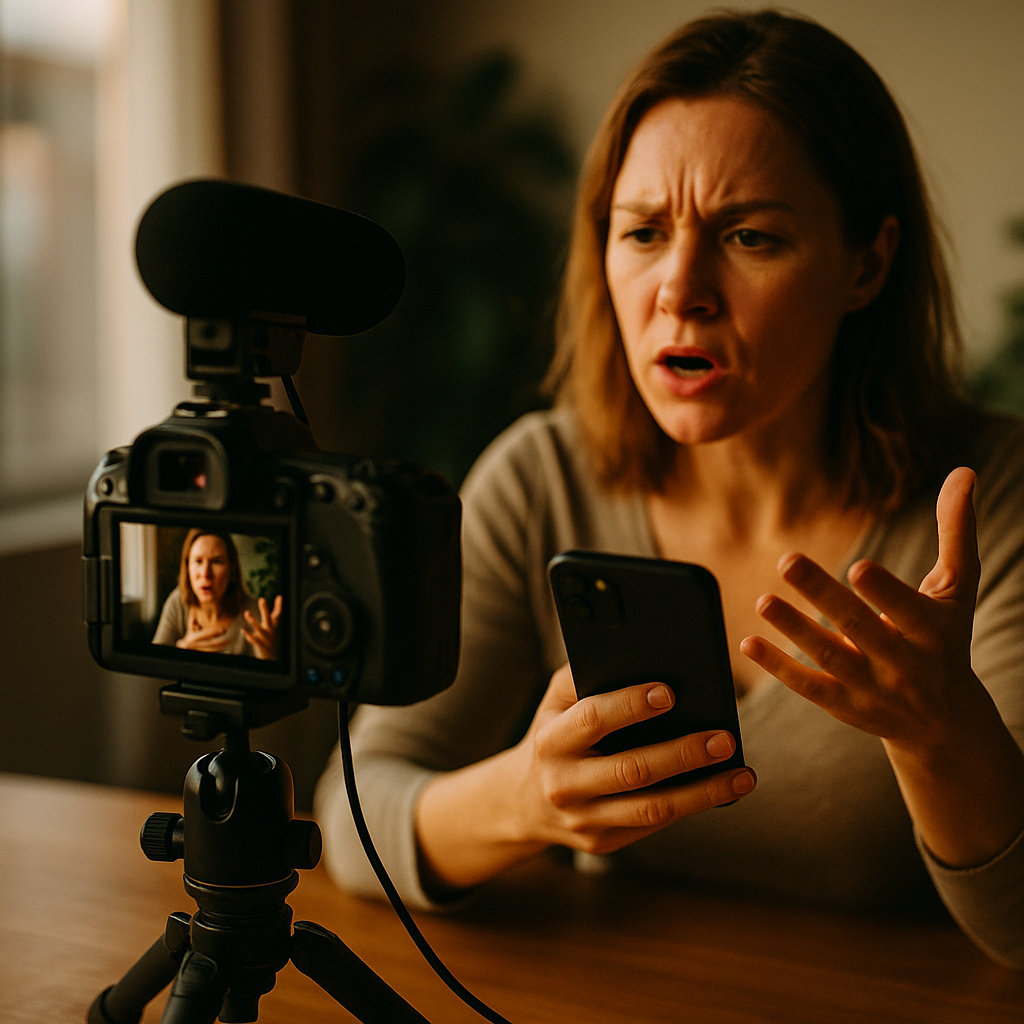
Every sales call your team makes with a creator or agency partner might now be logging itself into HubSpot’s CRM, transcribed, summarized, and attached to a contact record, without anyone clicking “record.” That is the promise behind HubSpot’s self updating Smart CRM. It is also the quiet liability most brand marketing teams have not noticed yet. If your influencer program touches HubSpot, auto captured calls change what consent even means.
What the Self Updating Smart CRM Actually Automates
HubSpot has spent the last two product cycles pushing its Breeze AI layer deeper into the CRM core, and the self updating Smart CRM is the clearest expression of that strategy. Instead of reps manually logging calls, meetings, and emails, the system now listens, transcribes, summarizes, and auto populates deal and contact records in near real time. For sales teams, it is a genuine time saver. HubSpot’s own platform documentation frames it as eliminating “admin drag” so reps spend more time selling.
But here is the part that matters for anyone running influencer relations through HubSpot: the capture is not limited to internal sales conversations. If a creator, their manager, or an agency rep is on the call, their voice, their words, and often sensitive negotiation details get transcribed and stored without an explicit, separate consent step for that individual. The CRM does not ask the creator’s manager if they are okay being recorded. It just captures.
Auto captured calls do not distinguish between an internal sales conversation and a creator negotiation involving a third party who never agreed to be recorded.
The Consent Gap Nobody Budgeted For
Marketing teams spent the last two years building consent frameworks for cookies, email opt ins, and first party data collection. Call recording largely sat outside that conversation because it was manual and opt in by default. Auto capture flips that default. Now the question is not “did we ask to record this call?” but “did the CRM record it before we even thought to ask?”
This matters legally, not just ethically. Two party consent states in the US (California, Florida, Illinois, and others) require all parties on a call to agree to recording before it happens. The UK and EU operate under even stricter frameworks via UK GDPR and the EU’s ePrivacy rules, where recorded voice data counts as personal data requiring a lawful basis for processing. The ICO’s guidance on call recording is explicit: organizations need a clear purpose and documented consent, not a buried clause in a terms of service page nobody reads.
If your brand’s influencer partnerships team is calling creators in California or London and HubSpot is auto transcribing those calls, you may already be out of compliance. Not because you did anything malicious, but because the default setting changed underneath you.
Why This Hits Creator Programs Harder Than Regular Sales
Standard B2B sales calls involve two professionals negotiating a contract, both generally aware that CRM tools log activity as a matter of course. Creator relationships are messier. Calls often include rate negotiations, usage rights discussions, exclusivity terms, and sometimes personal details about a creator’s brand safety concerns or past partnership disputes. That is sensitive commercial and personal data, and a lot of it.
Agencies representing multiple creators are even more exposed. One recorded call might reference five different creators’ rates, none of whom were on the call, none of whom consented to having their compensation data transcribed into a brand’s CRM. That transcript becomes discoverable, shareable, and potentially leakable in a way a verbal conversation never was.
This is the same identity and data fragmentation problem the industry has been wrestling with on the attribution side. Just as AI identity resolution layers are forcing brands to rethink how creator data gets unified across platforms, auto captured calls force a parallel reckoning: who owns the conversation data, and who had to say yes before it was stored?
Is This Actually Different From Zoom or Gong Recording Calls?
Good question, and a fair pushback. Call recording tools like Gong or Chorus have existed for years, and most require an explicit recording disclosure, usually an automated voice prompt or a visible banner. The difference with HubSpot’s self updating Smart CRM is that the capture can happen passively through calling features embedded in the CRM itself, sometimes via connected VoIP or dialer integrations, without the same visible disclosure layer sales teams have gotten used to building into their call stack.
It is less about HubSpot doing something sneaky and more about feature velocity outpacing governance. Product teams ship the capability. Legal and compliance catch up months later. Marketing ops teams are left holding the bag when a creator’s agent asks, “wait, you recorded that?”
What Brand and Agency Teams Should Do Right Now
You do not need to abandon HubSpot. You need to govern the feature the same way you’d govern any data collection surface. A few concrete steps:
- Audit your call settings. Go into HubSpot’s calling and conversation intelligence settings and confirm exactly which call types trigger auto transcription and recording, and whether that applies to inbound creator calls, outbound negotiations, or both.
- Add a verbal disclosure script. Train anyone calling creators or agencies to state, at the start of every call, that the conversation may be recorded and transcribed for CRM purposes. This is a five second habit that closes most of your legal exposure.
- Segment creator contact records. Flag creator and agency contacts differently from standard sales leads so your ops team can apply stricter recording and retention rules to that segment specifically.
- Set retention limits. Transcripts do not need to live forever. Set an automatic deletion window for call data tied to creator negotiations, especially once a deal closes or falls through.
- Loop in legal before scaling. If your influencer program operates across multiple states or countries, get a one page consent policy signed off before this becomes a pattern across hundreds of creator calls a quarter.
None of this is complicated. It is just easy to skip when a feature ships quietly inside a platform update nobody read the release notes on.
How HubSpot Compares to Other CRM Players on This
HubSpot is not alone in racing toward autonomous data capture. Salesforce’s Agentforce push is doing something similar on the marketing cloud side, and our earlier coverage of Salesforce Agentforce in creator ops flagged the same tension between automation speed and data governance. Marketo’s AI agents, benchmarked against HubSpot’s Breeze tools in our head to head ROI comparison, show a similar pattern: faster data capture, thinner consent guardrails.
The broader lesson for anyone building a creator ops stack is that automation vendors are optimizing for internal efficiency first, external trust second. That is not a conspiracy, it is just product incentives. Sales teams are the paying customer. Creators and agencies are third parties whose data happens to flow through the system. Until regulators or high profile lawsuits force a change, brands are the ones who need to build the guardrails themselves.
It is worth noting that voice data governance issues are not isolated to CRM platforms either. Similar questions are surfacing around voice and chatbot handoffs in creator storefront support, where automated systems capture customer conversations with limited disclosure. And as server side tracking replaces cookie based attribution, the industry pattern is consistent: more data capture, less visible consent, and brands left to manage the fallout.
Industry research backs up how fast this shift is moving. eMarketer’s data on CRM and marketing automation adoption shows AI assisted capture features becoming standard across mid market and enterprise CRM tools within a single product cycle, not a multi year rollout. Teams that treat this as optional homework will fall behind teams that build consent infrastructure now. The Sprout Social research on creator trust also consistently shows that creators cite “how brands handle my data” as a top three factor in choosing repeat partnerships, right behind payment reliability.
Creators are increasingly vetting brands the way brands vet creators, and data handling practices are now part of that due diligence.
The FTC Angle Brands Keep Underestimating
US brands should also watch how the FTC’s guidance on data collection and disclosure continues to evolve. The agency has signaled increasing interest in automated data capture practices broadly, not just in advertising disclosures. A creator negotiation transcript captured without clear consent, later used in a dispute over rates or usage rights, could become exhibit A in a complaint that was entirely avoidable with a one sentence disclosure at the top of the call.
Next Step
Audit your HubSpot calling settings this week, add a recording disclosure script to every creator facing call, and get your legal team to sign off on a retention policy before this becomes a habit across hundreds of calls a quarter. The fix is small. The exposure, if you skip it, is not.
FAQs
Does HubSpot’s self updating Smart CRM record calls by default?
It depends on your account’s calling and conversation intelligence settings. Many HubSpot plans enable auto transcription for connected calling features by default, which means teams often discover the setting only after it has already been capturing conversations.
Is it legal to auto capture calls with creators without their consent?
It depends on jurisdiction. Two party consent states in the US and GDPR rules in the UK and EU generally require all parties to agree before a call is recorded or transcribed. Operating without that consent creates real legal exposure, not just a reputational risk.
How do I turn off auto capture for specific contact segments in HubSpot?
HubSpot allows admins to adjust calling and recording settings at the user and workflow level. Segmenting creator and agency contacts into a separate list and applying custom automation rules is the most reliable way to limit auto capture to only the contacts who have given explicit consent.
What should a brand include in a creator call consent disclosure?
A simple verbal statement at the start of the call works: note that the call may be recorded and transcribed for CRM and record keeping purposes, and confirm the other party is comfortable proceeding. Written confirmation via email beforehand adds an extra layer of protection for high value negotiations.
Are other CRM platforms facing the same consent questions?
Yes. Salesforce’s Agentforce rollout and Marketo’s AI agent features raise similar questions about automated data capture outpacing consent infrastructure. This is an industry wide pattern, not a HubSpot specific issue.
Top Influencer Marketing Agencies
The leading agencies shaping influencer marketing in 2026
Agencies ranked by campaign performance, client diversity, platform expertise, proven ROI, industry recognition, and client satisfaction. Assessed through verified case studies, reviews, and industry consultations.
Moburst

-
2

The Shelf
Boutique Beauty & Lifestyle Influencer AgencyA data-driven boutique agency specializing exclusively in beauty, wellness, and lifestyle influencer campaigns on Instagram and TikTok. Best for brands already focused on the beauty/personal care space that need curated, aesthetic-driven content.Clients: Pepsi, The Honest Company, Hims, Elf Cosmetics, Pure LeafVisit The Shelf → -
3

Audiencly
Niche Gaming & Esports Influencer AgencyA specialized agency focused exclusively on gaming and esports creators on YouTube, Twitch, and TikTok. Ideal if your campaign is 100% gaming-focused — from game launches to hardware and esports events.Clients: Epic Games, NordVPN, Ubisoft, Wargaming, Tencent GamesVisit Audiencly → -
4

Viral Nation
Global Influencer Marketing & Talent AgencyA dual talent management and marketing agency with proprietary brand safety tools and a global creator network spanning nano-influencers to celebrities across all major platforms.Clients: Meta, Activision Blizzard, Energizer, Aston Martin, WalmartVisit Viral Nation → -
5

The Influencer Marketing Factory
TikTok, Instagram & YouTube CampaignsA full-service agency with strong TikTok expertise, offering end-to-end campaign management from influencer discovery through performance reporting with a focus on platform-native content.Clients: Google, Snapchat, Universal Music, Bumble, YelpVisit TIMF → -
6

NeoReach
Enterprise Analytics & Influencer CampaignsAn enterprise-focused agency combining managed campaigns with a powerful self-service data platform for influencer search, audience analytics, and attribution modeling.Clients: Amazon, Airbnb, Netflix, Honda, The New York TimesVisit NeoReach → -
7

Ubiquitous
Creator-First Marketing PlatformA tech-driven platform combining self-service tools with managed campaign options, emphasizing speed and scalability for brands managing multiple influencer relationships.Clients: Lyft, Disney, Target, American Eagle, NetflixVisit Ubiquitous → -
8

Obviously
Scalable Enterprise Influencer CampaignsA tech-enabled agency built for high-volume campaigns, coordinating hundreds of creators simultaneously with end-to-end logistics, content rights management, and product seeding.Clients: Google, Ulta Beauty, Converse, AmazonVisit Obviously →