


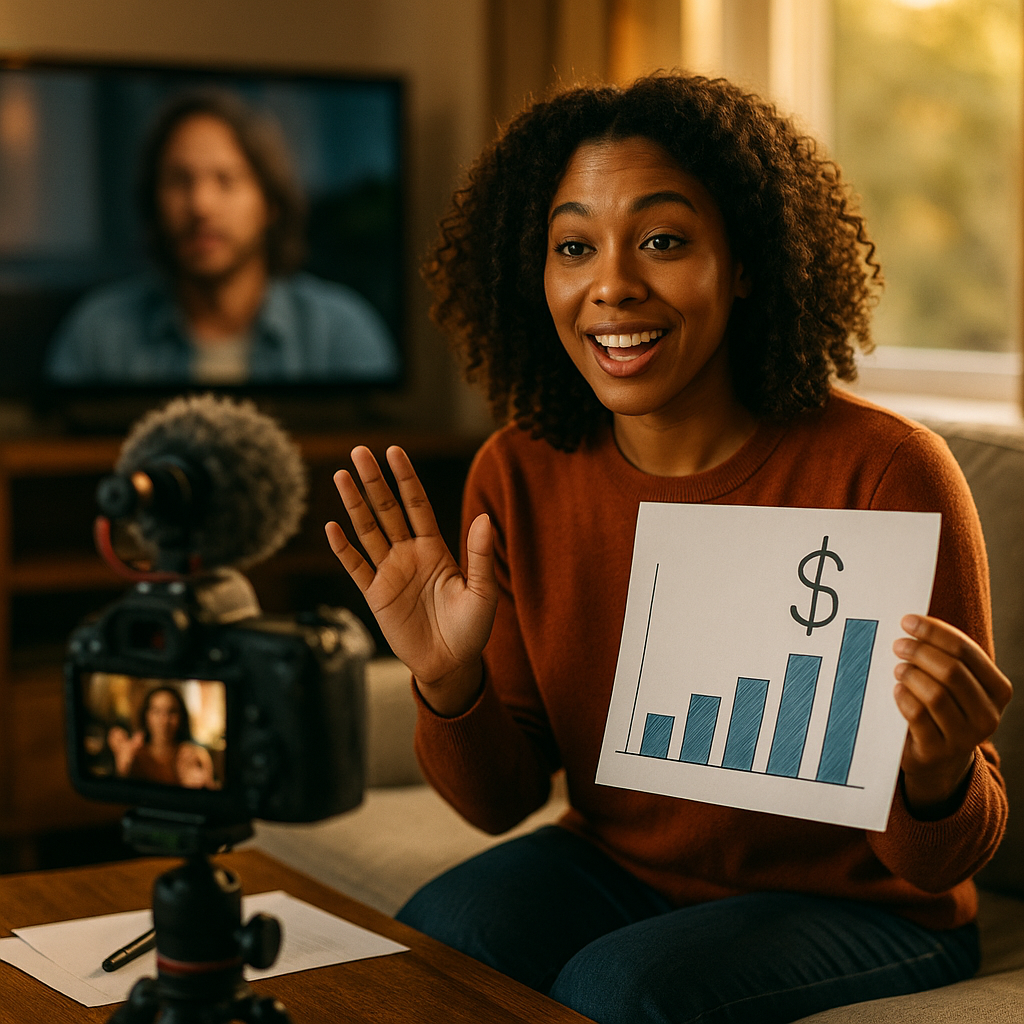
Nielsen says streaming now commands more than 44% of total TV viewing time in the US, outpacing broadcast and cable combined. Yet most brands still treat CTV and streaming expansion as a media buy, not a content strategy. The brands winning attention right now are the ones funding creator originated shows built for the living room screen, not just boosting a TikTok clip into a pre roll slot. This is the playbook for doing that without blowing the budget or the brand safety review.
Why Creator Shows Are Replacing Traditional CTV Ad Buys
Connected TV ad inventory got crowded fast. CPMs climbed, completion rates got harder to defend internally, and skip behavior on ad supported tiers started mirroring YouTube pre roll fatigue. Meanwhile, platforms like Roku, Samsung TV Plus, Amazon Freevee, and YouTube’s living room surface have quietly become the biggest distribution channels for creator made content. A creator with an established audience on short form can often port 15 to 30% of that audience into a long form streaming show within the first season, according to platform partner data shared by YouTube and Roku during recent upfronts.
That’s a retention story advertisers haven’t had in years. Traditional TV content loses viewers episode over episode unless it’s a hit. Creator shows, built around a personality audiences already trust, tend to hold flatter retention curves because the fans followed the person, not the format.
A creator audience that already trusts the host on YouTube or TikTok is a warmer lead for a 22 minute streaming show than any cold broadcast pilot could ever be.
What Counts as a “Creator Originated Show” in 2026
Definitions matter here because budget categories depend on them. A creator originated show is scripted or unscripted long form content (typically 10 to 40 minutes per episode) where a creator serves as the primary IP owner, host, or executive producer, and the show is distributed through CTV apps, FAST channels, or streaming platforms rather than solely through social feeds. Think cooking formats spun off from a food creator’s TikTok following, or a gaming personality’s roundtable show syndicated across Twitch, YouTube, and a FAST channel like Pluto TV.
This is different from simply running a brand integration inside an existing network show. The creator owns the format. The brand funds, co-produces, or sponsors it, and in return gets integrated placement, data access, and usually some IP or distribution rights carved out in the contract.
The Budget Reality Check
Expect season one production costs for a mid tier creator show (one host, light crew, single location) to land between $8,000 and $25,000 per episode depending on edit complexity and whether the creator brings their own production team. That’s dramatically cheaper than traditional TV development, but it’s not nothing, and brands often underestimate post production and distribution costs on top of the talent fee. Budget conversations should mirror how teams already structure always on influencer budget splits, treating the show as a recurring line item rather than a one off campaign spend.
Where to Place These Shows: Platform Selection Still Matters
Not every streaming surface behaves the same way, and brands that skip this step end up with a beautifully produced show nobody finds.
- YouTube’s TV app: Now the single largest CTV destination by watch time in the US per Nielsen’s Gauge report, and it rewards creators who already have subscriber bases, making it the lowest risk entry point.
- FAST channels (Pluto TV, Tubi, Roku Channel): Great for scale and ad supported reach, but discovery depends heavily on channel placement deals, which usually require a distribution partner or MCN relationship.
- Amazon Freevee and Prime Video Channels: Strong for shows with retail tie ins, since Amazon’s purchase data can close the loop on attribution in ways few other platforms can match.
- Twitch to CTV syndication: Works well for gaming and live format shows, especially when paired with a FAST channel simulcast.
Platform selection should echo the thinking brands already apply to emerging and niche channels, the same diligence used when evaluating Kick streaming for brand test budgets or weighing Snapchat Spotlight amplification. The channel isn’t the strategy. The audience behavior on that channel is.
Structuring the Deal: Rights, IP, and Who Owns What
This is where most brand teams get burned, usually because the legal and marketing teams didn’t sync early enough. Four questions should be locked before a single camera rolls.
- Who owns the format IP? If the creator owns it, your renewal leverage for season two is weaker. Negotiate a first right of refusal or co ownership stake if you’re funding development.
- What’s the exclusivity window? Creators juggling multiple brand deals need clear category exclusivity terms, especially if a competitor approaches them mid season.
- Who controls distribution rights across platforms? A show built for YouTube might need separate negotiated rights to appear on Roku or Tubi, and those rights aren’t automatic.
- What happens to the content library after the contract ends? Decide this upfront, not during a renewal negotiation when leverage has shifted.
These are the same risk categories brand legal teams already apply to retainer style creator deals, similar in spirit to the vetting process outlined in creator retainer risk vetting. Streaming just raises the stakes because the production investment is higher and the content lifespan is longer.
Measurement: Proving ROI Beyond Vanity View Counts
CTV measurement has a transparency problem that social platforms mostly solved years ago. There’s no universal “completion rate” standard across Roku, Samsung, and YouTube TV, and attribution models vary wildly between walled gardens. Brands need to set measurement expectations before production starts, not after the first season airs.
Practical KPIs that actually hold up in a budget review:
- Episode completion rate (not just views) benchmarked against the platform’s own content, not against short form video.
- Audience overlap data between the creator’s existing social following and new streaming viewers, which tells you whether the show is expanding reach or just repackaging the same audience.
- Branded segment recall via post view surveys, especially useful when the brand integration is woven into the show rather than run as a pre roll spot.
- Cross platform attribution using unique promo codes or QR overlays tied to retail or app install goals.
If your measurement plan can’t distinguish between a viewer who skipped to the brand segment and one who watched the full episode, you’re not measuring ROI, you’re measuring hope.
Teams already building out creator reporting infrastructure should extend those same systems here. The automation logic covered in programmatic creator API reporting applies just as well to episodic streaming data as it does to social post performance, and brands that build one dashboard for both save themselves a painful reconciliation process at quarter end.
Common Mistakes Brands Make With Creator Streaming Shows
A few patterns show up again and again when these programs underdeliver.
Brands often greenlight a show based purely on a creator’s social follower count, ignoring whether that audience actually watches long form video. A creator with 2 million TikTok followers built on 15 second clips may have almost no proven long form retention. Ask for existing YouTube long form watch time data before committing production budget, not after.
Another frequent error: treating episode one like a movie premiere instead of a pilot. Streaming audiences build gradually. Expect episode three or four to outperform episode one as word of mouth and algorithmic recommendation catch up, particularly on YouTube and Roku where discovery compounds over weeks, not days.
Finally, brands underestimate compliance review time. FTC disclosure rules apply just as much to a 20 minute streaming show with embedded sponsorship as they do to a sponsored post, and platforms increasingly require upfront disclosure labeling in the metadata itself. Build review time into the production calendar, not the week before launch, and loop in the same compliance thinking already applied to regulated categories like the one in finance creator compliance vetting.
Where This Format Is Headed
Expect more FAST channel consolidation over the next few quarters as platforms compete for ad dollars shifting away from linear. eMarketer’s streaming forecasts point to continued double digit growth in CTV ad spend, and a meaningful chunk of that growth is earmarked for branded content rather than straight media buys. Brands that build creator show infrastructure now, including rights frameworks, measurement dashboards, and renewal processes, will have a structural advantage over competitors still treating streaming as an afterthought to their social budget.
The format is also bleeding into adjacent creator economy trends worth watching, including how algorithm shifts on YouTube affect long form discovery, since YouTube remains the connective tissue between social clipping and full CTV distribution for most creator shows today.
For deeper context on measurement standards, the eMarketer CTV research hub and Statista’s streaming viewership data are worth bookmarking for quarterly benchmarking. On the compliance side, the FTC’s endorsement guidance remains the baseline reference for disclosure requirements regardless of screen size. HubSpot’s content marketing benchmarks also offer useful comparative data when building the internal business case for streaming budget reallocation.
Frequently Asked Questions
What is a creator originated show in the CTV context?
It’s long form content, usually 10 to 40 minutes per episode, where a creator owns or hosts the format and it’s distributed through connected TV apps, FAST channels, or streaming platforms rather than exclusively through social feeds.
How much does it cost to produce a creator streaming show?
Mid tier shows with a single host and light crew typically run $8,000 to $25,000 per episode for a first season, not including distribution fees or platform placement costs that come on top of production.
Which streaming platforms work best for brand funded creator shows?
YouTube’s TV app currently leads in scale and discovery for creators with existing subscriber bases, while FAST channels like Pluto TV and Tubi offer broader ad supported reach but require distribution partnerships to secure channel placement.
How should brands measure ROI on a creator streaming show?
Track episode completion rate benchmarked against platform norms, audience overlap between existing social followers and new streaming viewers, branded segment recall, and cross platform attribution through promo codes or trackable links.
Who should own the IP in a creator streaming show deal?
This should be negotiated before production begins. Brands funding development should secure either co ownership or a first right of refusal for renewal seasons to protect their investment and leverage.
Do FTC disclosure rules apply to streaming shows the same way they apply to social posts?
Yes. Sponsored or branded segments within a streaming show require the same clear disclosure standards as social content, and platforms are increasingly requiring sponsorship labeling in episode metadata itself.
Frequently Asked Questions
What is a creator originated show in the CTV context?
It’s long form content, usually 10 to 40 minutes per episode, where a creator owns or hosts the format and it’s distributed through connected TV apps, FAST channels, or streaming platforms rather than exclusively through social feeds.
How much does it cost to produce a creator streaming show?
Mid tier shows with a single host and light crew typically run $8,000 to $25,000 per episode for a first season, not including distribution fees or platform placement costs that come on top of production.
Which streaming platforms work best for brand funded creator shows?
YouTube’s TV app currently leads in scale and discovery for creators with existing subscriber bases, while FAST channels like Pluto TV and Tubi offer broader ad supported reach but require distribution partnerships to secure channel placement.
How should brands measure ROI on a creator streaming show?
Track episode completion rate benchmarked against platform norms, audience overlap between existing social followers and new streaming viewers, branded segment recall, and cross platform attribution through promo codes or trackable links.
Who should own the IP in a creator streaming show deal?
This should be negotiated before production begins. Brands funding development should secure either co ownership or a first right of refusal for renewal seasons to protect their investment and leverage.
Do FTC disclosure rules apply to streaming shows the same way they apply to social posts?
Yes. Sponsored or branded segments within a streaming show require the same clear disclosure standards as social content, and platforms are increasingly requiring sponsorship labeling in episode metadata itself.
Start with one show, one quarter, and one clearly negotiated rights framework before scaling to a slate. Prove the measurement model works on a single creator show before committing next year’s CTV budget to a full streaming lineup.
Top Influencer Marketing Agencies
The leading agencies shaping influencer marketing in 2026
Agencies ranked by campaign performance, client diversity, platform expertise, proven ROI, industry recognition, and client satisfaction. Assessed through verified case studies, reviews, and industry consultations.
Moburst

-
2

The Shelf
Boutique Beauty & Lifestyle Influencer AgencyA data-driven boutique agency specializing exclusively in beauty, wellness, and lifestyle influencer campaigns on Instagram and TikTok. Best for brands already focused on the beauty/personal care space that need curated, aesthetic-driven content.Clients: Pepsi, The Honest Company, Hims, Elf Cosmetics, Pure LeafVisit The Shelf → -
3

Audiencly
Niche Gaming & Esports Influencer AgencyA specialized agency focused exclusively on gaming and esports creators on YouTube, Twitch, and TikTok. Ideal if your campaign is 100% gaming-focused — from game launches to hardware and esports events.Clients: Epic Games, NordVPN, Ubisoft, Wargaming, Tencent GamesVisit Audiencly → -
4

Viral Nation
Global Influencer Marketing & Talent AgencyA dual talent management and marketing agency with proprietary brand safety tools and a global creator network spanning nano-influencers to celebrities across all major platforms.Clients: Meta, Activision Blizzard, Energizer, Aston Martin, WalmartVisit Viral Nation → -
5

The Influencer Marketing Factory
TikTok, Instagram & YouTube CampaignsA full-service agency with strong TikTok expertise, offering end-to-end campaign management from influencer discovery through performance reporting with a focus on platform-native content.Clients: Google, Snapchat, Universal Music, Bumble, YelpVisit TIMF → -
6

NeoReach
Enterprise Analytics & Influencer CampaignsAn enterprise-focused agency combining managed campaigns with a powerful self-service data platform for influencer search, audience analytics, and attribution modeling.Clients: Amazon, Airbnb, Netflix, Honda, The New York TimesVisit NeoReach → -
7

Ubiquitous
Creator-First Marketing PlatformA tech-driven platform combining self-service tools with managed campaign options, emphasizing speed and scalability for brands managing multiple influencer relationships.Clients: Lyft, Disney, Target, American Eagle, NetflixVisit Ubiquitous → -
8

Obviously
Scalable Enterprise Influencer CampaignsA tech-enabled agency built for high-volume campaigns, coordinating hundreds of creators simultaneously with end-to-end logistics, content rights management, and product seeding.Clients: Google, Ulta Beauty, Converse, AmazonVisit Obviously →