


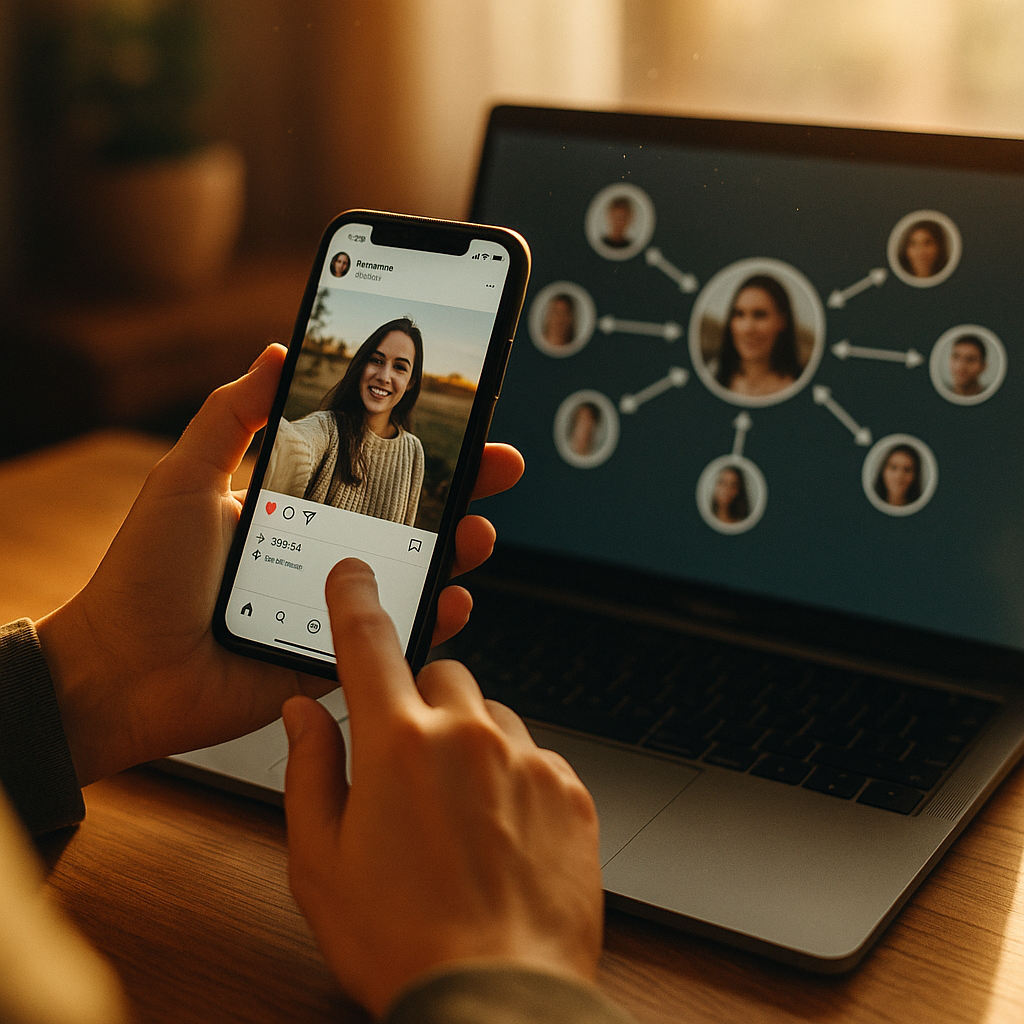
One creator post reaches a few thousand people. A creator powered distribution network reaches millions, on command, every week. That difference is why brands that once bought “content” are now building owned distribution infrastructure out of creator relationships. Call it what it is: a business model, not a tactic.
The shift didn’t happen overnight. It happened because the economics of paid reach stopped making sense and the economics of creator networks started looking a lot like media businesses.
Why Single Posts Stopped Paying Off
For years, the influencer playbook was simple. Find a creator, brief them, pay a flat fee, get a post. Measure engagement, maybe a promo code, call it a win. That model worked when feeds were less crowded and CPMs were forgiving.
It doesn’t anymore. Blended CPMs across social platforms have compressed hard enough that brands are rebuilding entire budget structures around it, as we covered in our piece on sub five dollar blended CPMs. When reach gets that cheap, the bottleneck isn’t impressions anymore. It’s whether anyone trusts the message enough to act on it.
A single sponsored post, no matter how polished, is a one-time transaction. It spikes, it decays, and the brand owns nothing when it’s over. No audience relationship, no repeatable channel, no compounding value. That’s the core problem networks solve.
A sponsored post is rented reach. A creator network is owned distribution, and owned distribution compounds while rented reach resets to zero every campaign.
What Creator Powered Distribution Actually Means
Creator powered distribution is the practice of treating a roster of creators as a standing media channel rather than a rotating cast of one-off vendors. Instead of briefing ten creators for ten separate posts, brands build structured programs: recurring content slots, cross-posting agreements, shared formats, and revenue splits tied to performance.
Think of it like syndication. A brand develops a format (a product series, a challenge, a recurring segment) and distributes it through a network of creators who each bring their own audience, trust, and platform fluency. The brand gets reach that scales horizontally across creators instead of vertically through paid media spend.
This is the same logic behind creator franchise strategy, where a single campaign idea becomes a recurring, ownable property instead of disposable spend. The franchise is the format. The network is the distribution engine that keeps it circulating.
Media Companies in Disguise
Here’s the uncomfortable part for traditional marketing orgs: this requires brands to think like media companies. That means content calendars, format testing, talent management, and syndication agreements, not just campaign briefs.
Companies like HYBE, WEBTOON, and Discord have been hiring for exactly this kind of infrastructure, signaling that creator relationships are becoming operational assets rather than marketing line items. Our coverage of the hiring spree at these platforms shows the same pattern repeating across the industry: brands and platforms staffing up for distribution, not just content production.
Even YouTube’s own UK labor data points to this. Roles tied to creator operations, not just marketing, are growing fast enough that brands are now expected to staff dedicated creator teams rather than outsourcing everything to an agency of record.
The ROI Case: Why Networks Beat One-Off Deals
Let’s talk numbers, because that’s what gets this approved at the budget meeting.
A one-off creator deal has a fixed cost and a fixed, usually short, performance window. A network has a fixed setup cost (contracts, format development, onboarding) but a variable, compounding return. Once the network is live, incremental content costs drop because the format, approvals, and relationships are already established.
That’s the same math behind bundled creator deals, where media, creative, and endorsement get priced as one package instead of three separate line items. Bundling reduces friction. Networks reduce friction at scale, across dozens of creators instead of one.
There’s also a retention angle that boards are starting to care about more than vanity reach. Retention rate, not follower count, is becoming the benchmark executives want to see, and a 34 percent retention benchmark is now circulating as a working industry standard for creator programs, per our analysis of retention data forcing brands to cut churn. Networks are inherently better at retention than one-off deals because the creators have a recurring reason to stay engaged: ongoing revenue, not a single invoice.
Retention, not reach, is becoming the metric that determines whether a creator relationship is a business asset or a sunk cost.
Risk and Compliance: The Part Nobody Wants to Own
Scale introduces exposure. A single bad post is a PR headache. A network with dozens of creators posting weekly, unvetted, is a legal and brand safety problem waiting to happen.
This is where a lot of brands get burned. Rosters built for volume without proper vetting create exactly the kind of brand risk we detailed in our look at mega creator rosters without vetting. Disclosure compliance, FTC guidance on endorsements, and platform specific rules don’t scale automatically just because your creator count does. If anything, the surface area for mistakes grows faster than the network itself.
Brands running creator distribution at network scale need the same rigor they’d apply to any owned media channel: documented disclosure policies, periodic audits, and a clear contract framework that addresses licensing and usage rights up front. The FTC’s endorsement guidance hasn’t gotten any more lenient as creator content has scaled, and UK brands should keep an eye on ICO guidance on data handling in creator campaigns too.
Licensing is its own headache once content starts getting reused across formats and platforms. We’ve written before about how creator studios are forcing brands to renegotiate IP and licensing terms, and the same renegotiation is happening wherever franchise content crosses from one platform to another. If your contracts were written for a single post, they almost certainly don’t cover syndicated network distribution. Get legal involved early, not after the first cross-post dispute.
Who’s Already Running This Playbook
The operational shift toward network thinking isn’t theoretical. It’s showing up in hiring decisions at major brands. Salesforce and ByteDance have both made moves that signal an in-house creator shift, building internal teams to manage creator relationships as a standing channel rather than farming everything out campaign by campaign.
That internal ownership matters because someone has to manage the lifecycle: recruiting creators, renewing contracts, tracking performance, and deciding when to retire underperforming formats. Without a dedicated owner, brands end up re-negotiating the same deals from scratch every quarter, which is exactly the renewal gap described in our piece on the creator lifecycle owner role. A network without an owner isn’t a network. It’s a spreadsheet of expiring contracts.
Platforms are adapting their own data to support this. Industry data from eMarketer and Statista has repeatedly shown creator-driven content outperforming traditional display and even some paid social formats on engagement, which is part of why budget conversations keep tilting toward creators as a distribution layer rather than a creative add-on.
Attribution Is the Remaining Gap
None of this works long term without measurement that can actually attribute results back to specific creators and formats within the network. That’s still a soft spot industry-wide. Advertising Week sessions have put creator attribution squarely in the spotlight, and the consensus from that discussion is blunt: most brands are still guessing at which creators actually drive incremental revenue versus which ones just generate noise.
Tools like Sprout Social and platform-native analytics from Meta Business and LinkedIn have improved creator-level tracking, but cross-platform attribution for a true network, where the same campaign runs across ten or twenty creators simultaneously, is still largely a manual reconciliation job. Budget for that overhead. It’s not optional once you’re operating at network scale.
Building the Model: What Brands Need in Place
- A format, not just a brief. Networks distribute repeatable formats. Define the format before recruiting creators, not after.
- Contracts built for syndication. Usage rights, cross-posting terms, and renewal clauses need to be written for ongoing distribution, not a single deliverable.
- A dedicated lifecycle owner. Someone internally needs to manage recruiting, renewals, and performance review across the whole roster.
- Retention as the core KPI. Reach is a vanity number at network scale. Retention and repeat engagement tell you if the model is actually working.
- Compliance built in, not bolted on. Disclosure policies and vetting protocols need to scale with the network, not lag behind it.
Agencies have a role here too, and it’s worth noting that recent data shows agencies outperforming in-house teams on execution speed and network management in a meaningful share of cases, per our reporting on the 43 percent reversal trend. The decision isn’t in-house versus agency as a binary. It’s about who can actually operate a distribution network at the speed creators move, which increasingly means sub 48-hour turnarounds, a standard we broke down in our piece on shrinking trend lifecycles.
The misalignment that caps ROI usually isn’t a budget problem at all. It’s a structural one, where brand and creator incentives aren’t actually pointed in the same direction, something we explored in detail in brand creator misalignment. Fix the structure, and the budget conversation gets a lot easier.
FAQs
What is creator powered distribution?
Creator powered distribution is a model where brands treat a group of creators as a standing media channel, distributing repeatable content formats across multiple creator audiences instead of commissioning isolated, one-off posts.
How is this different from standard influencer marketing?
Standard influencer marketing typically pays for a single deliverable from a single creator. Creator powered distribution builds recurring, syndicated relationships across a network of creators, functioning more like owned media infrastructure than a campaign line item.
What metrics should brands track for creator networks?
Retention rate, repeat engagement, and cost per incremental conversion matter more than raw reach or follower count once a brand is operating at network scale. Attribution across creators within the same campaign is also critical and often underdeveloped.
What are the biggest risks of scaling a creator network?
Compliance gaps from unvetted creators, licensing contracts that weren’t written for syndicated use, and attribution blind spots are the three most common risks brands run into as networks grow.
Do brands need an in-house team to run this model?
Not necessarily. Some brands run networks successfully through agencies, while others build in-house teams. What matters more is having a dedicated owner responsible for the creator lifecycle, whether that role sits internally or with an agency partner.
The brands winning with creator distribution aren’t posting more. They’re building the infrastructure to syndicate fewer, better formats across networks they actually own the relationship with. Start there, not with another one-off campaign brief.
FAQs
What is creator powered distribution?
Creator powered distribution is a model where brands treat a group of creators as a standing media channel, distributing repeatable content formats across multiple creator audiences instead of commissioning isolated, one-off posts.
How is this different from standard influencer marketing?
Standard influencer marketing typically pays for a single deliverable from a single creator. Creator powered distribution builds recurring, syndicated relationships across a network of creators, functioning more like owned media infrastructure than a campaign line item.
What metrics should brands track for creator networks?
Retention rate, repeat engagement, and cost per incremental conversion matter more than raw reach or follower count once a brand is operating at network scale. Attribution across creators within the same campaign is also critical and often underdeveloped.
What are the biggest risks of scaling a creator network?
Compliance gaps from unvetted creators, licensing contracts that weren’t written for syndicated use, and attribution blind spots are the three most common risks brands run into as networks grow.
Do brands need an in-house team to run this model?
Not necessarily. Some brands run networks successfully through agencies, while others build in-house teams. What matters more is having a dedicated owner responsible for the creator lifecycle, whether that role sits internally or with an agency partner.
Top Influencer Marketing Agencies
The leading agencies shaping influencer marketing in 2026
Agencies ranked by campaign performance, client diversity, platform expertise, proven ROI, industry recognition, and client satisfaction. Assessed through verified case studies, reviews, and industry consultations.
Moburst

-
2

The Shelf
Boutique Beauty & Lifestyle Influencer AgencyA data-driven boutique agency specializing exclusively in beauty, wellness, and lifestyle influencer campaigns on Instagram and TikTok. Best for brands already focused on the beauty/personal care space that need curated, aesthetic-driven content.Clients: Pepsi, The Honest Company, Hims, Elf Cosmetics, Pure LeafVisit The Shelf → -
3

Audiencly
Niche Gaming & Esports Influencer AgencyA specialized agency focused exclusively on gaming and esports creators on YouTube, Twitch, and TikTok. Ideal if your campaign is 100% gaming-focused — from game launches to hardware and esports events.Clients: Epic Games, NordVPN, Ubisoft, Wargaming, Tencent GamesVisit Audiencly → -
4

Viral Nation
Global Influencer Marketing & Talent AgencyA dual talent management and marketing agency with proprietary brand safety tools and a global creator network spanning nano-influencers to celebrities across all major platforms.Clients: Meta, Activision Blizzard, Energizer, Aston Martin, WalmartVisit Viral Nation → -
5

The Influencer Marketing Factory
TikTok, Instagram & YouTube CampaignsA full-service agency with strong TikTok expertise, offering end-to-end campaign management from influencer discovery through performance reporting with a focus on platform-native content.Clients: Google, Snapchat, Universal Music, Bumble, YelpVisit TIMF → -
6

NeoReach
Enterprise Analytics & Influencer CampaignsAn enterprise-focused agency combining managed campaigns with a powerful self-service data platform for influencer search, audience analytics, and attribution modeling.Clients: Amazon, Airbnb, Netflix, Honda, The New York TimesVisit NeoReach → -
7

Ubiquitous
Creator-First Marketing PlatformA tech-driven platform combining self-service tools with managed campaign options, emphasizing speed and scalability for brands managing multiple influencer relationships.Clients: Lyft, Disney, Target, American Eagle, NetflixVisit Ubiquitous → -
8

Obviously
Scalable Enterprise Influencer CampaignsA tech-enabled agency built for high-volume campaigns, coordinating hundreds of creators simultaneously with end-to-end logistics, content rights management, and product seeding.Clients: Google, Ulta Beauty, Converse, AmazonVisit Obviously →