


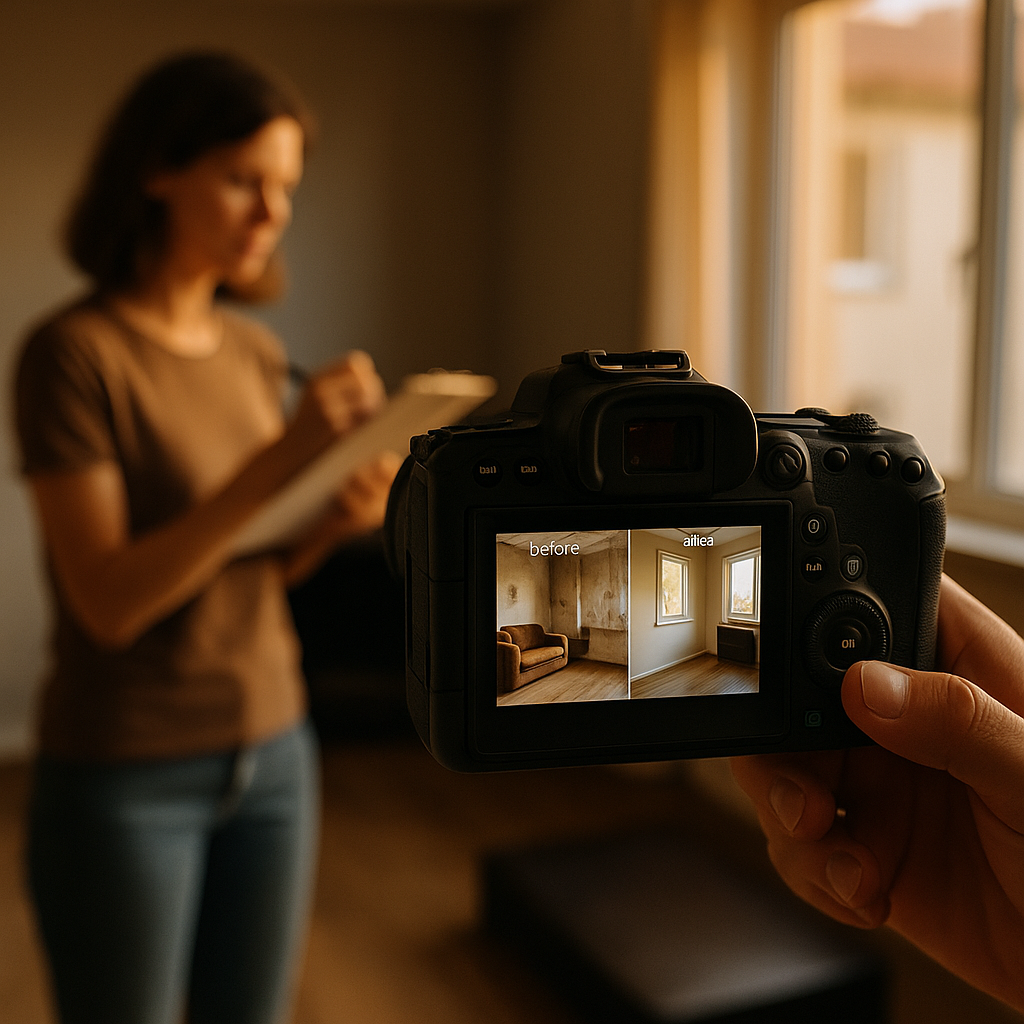
68% of consumers say they distrust branded content that lacks visible proof, yet most campaigns still lean on testimonials and polished claims instead of evidence. A before and after documentation series flips that script. It replaces “trust us” with “watch this,” and in a feed saturated with AI-generated polish, that distinction is becoming the single biggest lever for credibility.
This isn’t a new format. Fitness and beauty creators have used before and after content for years. What’s changed is the operational discipline brands now need to apply to it: legal review, timestamp verification, platform compliance, and a repeatable production system that doesn’t collapse under scrutiny the first time a skeptical commenter asks “is this real?”
Why Documentation Beats Declaration
Marketers love a strong claim. Consumers have learned to ignore them. The FTC’s ongoing scrutiny of endorsement practices, outlined on ftc.gov, has made brands more cautious about unverifiable results claims, and audiences have gotten sharper too. A before and after series doesn’t assert an outcome. It shows the starting point, the process, and the result, letting the viewer draw their own conclusion.
That shift from declaration to documentation matters for a simple reason: people trust what they can verify, not what they’re told. A skincare brand saying “reduces redness in two weeks” gets scrolled past. A creator filming their face on day one, day seven, and day fourteen, with visible dates, lighting consistency, and no cuts mid-demonstration, earns watch time and saves.
Documentation isn’t a content format. It’s a trust mechanism dressed up as a video.
The Core Framework: Three Anchors, Not Two
Most brands think “before and after” means exactly two data points. That’s a mistake. The strongest documentation series use three anchors: the baseline, the midpoint, and the result. The midpoint matters more than people assume, because it’s the moment skepticism peaks. Viewers who see a jump from “before” straight to a polished “after” assume editing tricks. A midpoint check-in, even an unremarkable one, signals that the process wasn’t staged.
- Baseline capture: Unedited, timestamped, shot in consistent conditions (same lighting, same angle, same time of day if possible).
- Midpoint check-in: Honest, even if progress looks underwhelming. This is where credibility is actually built.
- Result reveal: Shot under the same conditions as the baseline, with side-by-side or split-screen comparison for clarity.
Brands building comparison-heavy formats should also study how split screen comparison videos structure visual proof, since the editing techniques overlap significantly with documentation series.
What Actually Makes These Videos Believable
Viewers aren’t naive. They’re pattern-matching against thousands of fake before and after videos they’ve already seen debunked on TikTok and Reddit. A few production details separate credible documentation from content that gets called out in the comments:
- Consistent camera position and lighting across all three capture points, not just the final cut.
- Visible, unedited timestamps or calendar references rather than text overlays added in post.
- Minor imperfections left in. A slightly shaky midpoint clip reads as more real than a stabilized one.
- No voiceover narration explaining the result before the visual confirms it.
This is also where raw footage capture plans earn their keep. Brands that script the capture process in advance, rather than hoping a creator remembers to film consistently, see far fewer unusable or inconsistent documentation sets.
Where This Format Actually Performs
Before and after documentation isn’t universal. It works best in categories where transformation is visual, measurable, or experiential: skincare, fitness, home renovation, organization, weight management, teeth whitening, hair growth, and even B2B categories like software dashboards or workspace setups. According to data referenced by eMarketer, transformation-based content consistently outperforms generic product demos in engagement rate across short-form video platforms.
It performs less well in categories where the “after” is subjective or hard to visualize, like fragrance or financial services. In those cases, brands are better served by formats like confessional video briefs or reali tea storytelling, which build trust through voice and vulnerability rather than visual proof.
The Compliance Layer Brands Keep Skipping
Here’s the part most marketing teams underweight: a before and after claim is still a claim. If a creator shows visible results, platforms and regulators treat that as an implicit performance statement, even without a single word of narration. That means disclosure requirements still apply, and results need to reflect typical outcomes, not best-case cherry-picking.
A visual claim carries the same legal weight as a spoken one. Treat your before and after series like you’d treat any results-based ad copy, because regulators already do.
Practical safeguards worth building into the brief:
- Require disclosure of whether results are typical or exceptional, per FTC endorsement guidance.
- Keep raw, unedited source footage on file in case of platform or regulatory review.
- Avoid implying medical or health claims unless substantiated and legally cleared.
- Document creator consent for how long “before” footage can be used, especially in sensitive categories like weight or skin health.
Brands running comparison-style campaigns more broadly should also review comparison content scripts for how to frame competitive or self-comparison claims without triggering legal exposure. The UK’s advertising standards guidance, available via ico.org.uk, is a useful reference for brands running these campaigns across multiple markets.
Scaling It Without Losing the Realism
Once a before and after format proves itself, the instinct is to scale it across twenty creators simultaneously. That’s where most programs lose the authenticity that made the format work in the first place. Overly templated scripts, identical camera angles, and synchronized posting schedules make the whole cohort look staged.
A better approach borrows from nano creator ensemble casts: run documentation series across many smaller creators with loose structural guidance rather than a rigid script, so each series feels individually captured rather than mass-produced. Pair that with CapCut template seeding for the editing layer only, so the capture stays organic while the final cut maintains brand consistency.
Measurement matters here too. Track saves and shares separately from views, since documentation series tend to earn disproportionate saves (people bookmarking it as “proof” to revisit or share with a friend considering the same purchase). A format like this is also ideal for cross channel hook testing, since the same baseline-to-result structure can be re-cut for TikTok, Instagram Reels, and YouTube Shorts with different opening hooks.
A Quick Production Checklist
- Lock capture conditions (lighting, angle, time) before day one, not after reviewing footage.
- Build in a mandatory midpoint check-in, even if results are unremarkable.
- Keep raw footage archived for compliance and potential legal review.
- Disclose whether results shown are typical or exceptional.
- Avoid synchronized posting across creators to preserve authenticity.
Frequently Asked Questions
What is a before and after documentation series in influencer marketing?
It’s a structured content format where a creator records a baseline state, a midpoint check-in, and a final result, usually to demonstrate a product’s effect over time. It relies on visible, verifiable footage rather than spoken claims to build audience trust.
How long should a before and after documentation series run?
Timeline depends on the category. Skincare or fitness series often run two to eight weeks, while home organization or renovation content can compress into a single day or stretch across several weekends. The key is matching the timeline to a realistic, typical result rather than rushing for a dramatic reveal.
Do before and after videos require FTC disclosure?
Yes. Visual results carry the same regulatory weight as written or spoken claims. Creators and brands should disclose whether the shown outcome is typical, and sponsorship disclosures still apply regardless of whether narration makes an explicit claim.
Which product categories work best for this format?
Categories with visually measurable transformation perform best: skincare, fitness, hair care, home organization, renovation, and some B2B software use cases. Categories with subjective or intangible outcomes, like fragrance or financial services, typically perform better with confessional or narrative-driven formats instead.
How do you prevent a before and after series from looking staged?
Keep camera conditions consistent but avoid over-scripting the creator’s words. Leave minor imperfections in the footage, include an honest midpoint update, and avoid synchronizing posting schedules across multiple creators running the same campaign.
Frequently Asked Questions
What is a before and after documentation series in influencer marketing?
It’s a structured content format where a creator records a baseline state, a midpoint check-in, and a final result, usually to demonstrate a product’s effect over time. It relies on visible, verifiable footage rather than spoken claims to build audience trust.
How long should a before and after documentation series run?
Timeline depends on the category. Skincare or fitness series often run two to eight weeks, while home organization or renovation content can compress into a single day or stretch across several weekends. The key is matching the timeline to a realistic, typical result rather than rushing for a dramatic reveal.
Do before and after videos require FTC disclosure?
Yes. Visual results carry the same regulatory weight as written or spoken claims. Creators and brands should disclose whether the shown outcome is typical, and sponsorship disclosures still apply regardless of whether narration makes an explicit claim.
Which product categories work best for this format?
Categories with visually measurable transformation perform best: skincare, fitness, hair care, home organization, renovation, and some B2B software use cases. Categories with subjective or intangible outcomes, like fragrance or financial services, typically perform better with confessional or narrative-driven formats instead.
How do you prevent a before and after series from looking staged?
Keep camera conditions consistent but avoid over-scripting the creator’s words. Leave minor imperfections in the footage, include an honest midpoint update, and avoid synchronizing posting schedules across multiple creators running the same campaign.
Start small: pick one product with a genuinely measurable outcome, run a single three-anchor documentation series with full compliance review, and let performance data decide whether to scale it across your creator roster.
Top Influencer Marketing Agencies
The leading agencies shaping influencer marketing in 2026
Agencies ranked by campaign performance, client diversity, platform expertise, proven ROI, industry recognition, and client satisfaction. Assessed through verified case studies, reviews, and industry consultations.
Moburst

-
2

The Shelf
Boutique Beauty & Lifestyle Influencer AgencyA data-driven boutique agency specializing exclusively in beauty, wellness, and lifestyle influencer campaigns on Instagram and TikTok. Best for brands already focused on the beauty/personal care space that need curated, aesthetic-driven content.Clients: Pepsi, The Honest Company, Hims, Elf Cosmetics, Pure LeafVisit The Shelf → -
3

Audiencly
Niche Gaming & Esports Influencer AgencyA specialized agency focused exclusively on gaming and esports creators on YouTube, Twitch, and TikTok. Ideal if your campaign is 100% gaming-focused — from game launches to hardware and esports events.Clients: Epic Games, NordVPN, Ubisoft, Wargaming, Tencent GamesVisit Audiencly → -
4

Viral Nation
Global Influencer Marketing & Talent AgencyA dual talent management and marketing agency with proprietary brand safety tools and a global creator network spanning nano-influencers to celebrities across all major platforms.Clients: Meta, Activision Blizzard, Energizer, Aston Martin, WalmartVisit Viral Nation → -
5

The Influencer Marketing Factory
TikTok, Instagram & YouTube CampaignsA full-service agency with strong TikTok expertise, offering end-to-end campaign management from influencer discovery through performance reporting with a focus on platform-native content.Clients: Google, Snapchat, Universal Music, Bumble, YelpVisit TIMF → -
6

NeoReach
Enterprise Analytics & Influencer CampaignsAn enterprise-focused agency combining managed campaigns with a powerful self-service data platform for influencer search, audience analytics, and attribution modeling.Clients: Amazon, Airbnb, Netflix, Honda, The New York TimesVisit NeoReach → -
7

Ubiquitous
Creator-First Marketing PlatformA tech-driven platform combining self-service tools with managed campaign options, emphasizing speed and scalability for brands managing multiple influencer relationships.Clients: Lyft, Disney, Target, American Eagle, NetflixVisit Ubiquitous → -
8

Obviously
Scalable Enterprise Influencer CampaignsA tech-enabled agency built for high-volume campaigns, coordinating hundreds of creators simultaneously with end-to-end logistics, content rights management, and product seeding.Clients: Google, Ulta Beauty, Converse, AmazonVisit Obviously →