


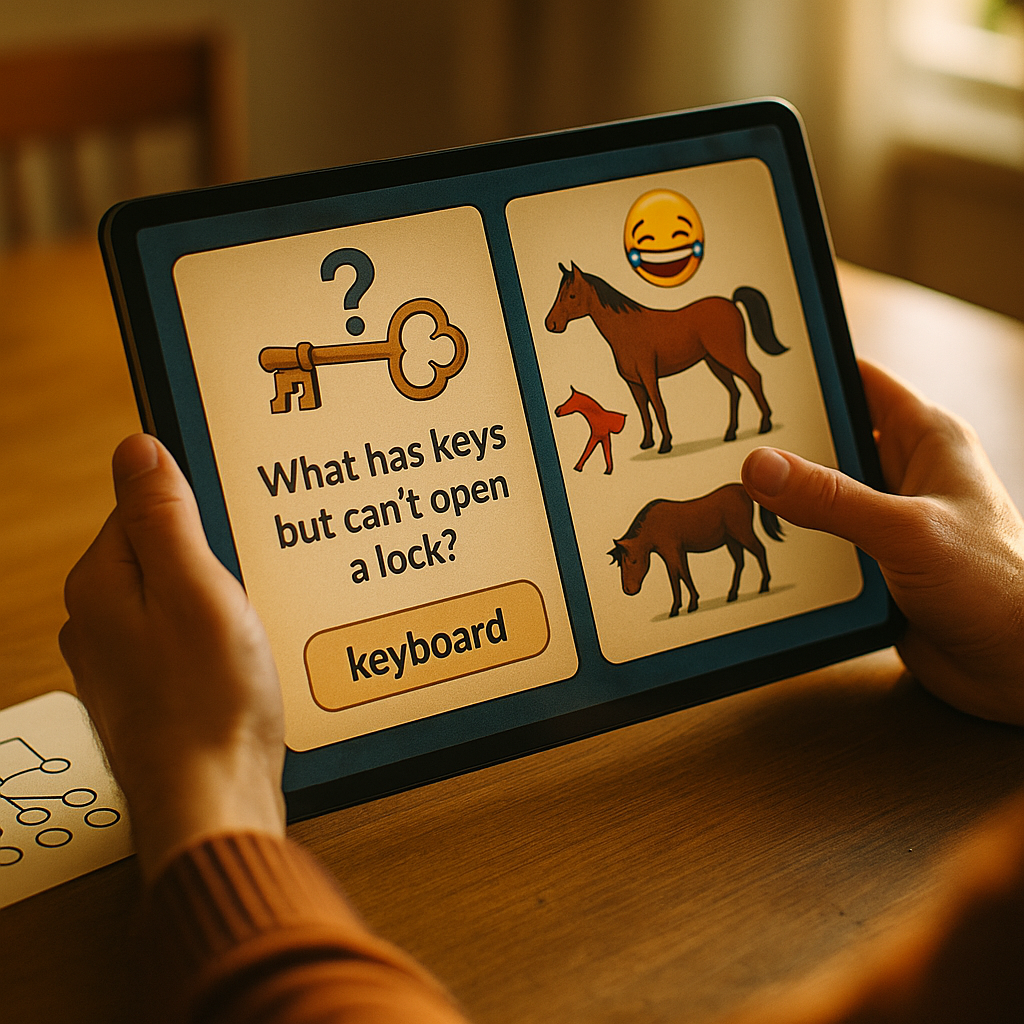
Posts that ask a question convert scrollers into commenters at nearly triple the rate of standard captions, according to recent Sprout Social engagement benchmarks. That single data point explains why interactive riddles and visual gags have become the default creative brief for brands chasing reach without paid spend. The format is cheap, it’s native, and it rewards audience participation over production polish.
For marketers managing creator budgets, this isn’t a cute trend. It’s a measurable shift in how platforms distribute content, and it demands a different kind of brief than the polished brand films of years past.
Why Puzzles Beat Polish Right Now
Algorithms on TikTok, Instagram, and YouTube Shorts have quietly recalibrated toward completion rate and comment depth over raw view counts. A riddle forces a rewatch. A visual gag forces a double take. Both behaviors signal “this content is worth more distribution” to the ranking systems, and both are far easier to engineer than a cinematic hook.
Compare that to a traditional 30-second ad spot. Viewers decide whether to stay within the first three seconds, a dynamic we’ve covered in depth in our breakdown of scroll-stopping hook formulas. Riddles sidestep that pressure entirely because the hook *is* the mystery. “Can you spot what’s wrong with this photo?” doesn’t need a jump cut or a trending sound to earn a second look.
Brands that script for curiosity gaps instead of polish are seeing comment rates climb past 8 percent on interactive posts, a figure traditional product shots rarely touch.
What “Social-Native” Actually Means for Brand Teams
Social-native isn’t a visual style. It’s a format that assumes the platform’s interaction mechanics as part of the creative, not an afterthought bolted on in the caption. A riddle post without a comment-based answer reveal isn’t native, it’s just a trivia graphic. A visual gag that doesn’t bait a duet or stitch is leaving reach on the table.
This matters for brand safety teams too. Interactive formats are easier to pre-approve because the “joke” or “puzzle” mechanic is reusable across SKUs and campaigns. Once legal signs off on a riddle template, swapping the product reference is a low-risk edit, not a full resubmission. That operational efficiency is why procurement and brand teams are pushing creators toward these formats over one-off skits.
We’ve written previously about how puzzle-style creator content drives retention through repeat visits, as audiences come back to check if they guessed correctly or to see the reveal. That return visit is functionally a second impression, free of charge.
The Visual Gag Playbook
Visual gags work differently from riddles but share the same mechanical DNA: a setup, a misdirect, and a payoff that rewards attention. Think of the “expectation versus reality” format, where a product claim gets visually subverted for comic effect before landing the actual value proposition. Our piece on expectation vs reality videos covers how to script the misdirect without undercutting the product message, a balance a lot of brand teams still get wrong.
The common failure mode: brands get so focused on the gag that the CTA disappears. A good visual gag script keeps three beats tight:
- The setup, establishing a visual or verbal expectation in under two seconds.
- The subversion, where the joke lands and curiosity peaks.
- The resolution, which must tie back to a product benefit or it’s just entertainment with your logo attached.
Skip that third beat and you’ve built a viral moment that does nothing for pipeline. This is the exact gap brand strategists need to close during script review, not after the content ships.
Measuring ROI When the Metric Isn’t a Click
Here’s the uncomfortable truth: riddles and gags rarely drive direct click-throughs. Their value shows up in comment volume, share rate, and audience retention on the account, not in last-click attribution. Marketers who only report on CTR will undervalue this format and kill the budget before it proves out.
Instead, track:
- Comment-to-view ratio (riddle answers, guesses, tags).
- Save rate, which signals intent to revisit or share privately.
- Follower growth attributable to the specific post, trackable through native platform analytics or tools referenced by eMarketer’s creator economy coverage.
- Downstream branded search lift, since curiosity-driven content often pushes people to search the brand name directly rather than click an in-post link.
That last point deserves attention from any team also thinking about AI-driven discovery. If audiences are searching your brand after a riddle instead of clicking through, that behavior also feeds the citation and mention signals large language models pull from, a dynamic explored in our guide to earning citations over views.
Platform Differences Worth Knowing
Not every platform rewards the same mechanic. TikTok’s algorithm favors rewatch rate, which makes riddles with a delayed reveal especially effective there. Instagram, per guidance from Meta for Business, weights saves and shares more heavily in Reels distribution, so visual gags with a “send this to someone who needs to see it” quality outperform. YouTube Shorts leans on session time, meaning a riddle that links to a longer-form answer video on the channel can double-dip on watch time.
TikTok’s ad platform has also started surfacing organic-style interactive formats as paid units, blurring the line between earned and paid reach. That’s worth testing in Q1 budgets if you haven’t already, since the CPMs on these units are still undervalued relative to their engagement lift.
Scripting for Scale, Not Just One Viral Moment
The brands getting the most mileage from riddles and gags aren’t chasing a single viral hit. They’re building repeatable templates that creators can execute weekly with minimal brief turnaround. This is the same operational logic behind our frameworks for trend-jacking with brand safety built in: speed and repeatability matter more than any single post’s performance.
A practical template structure looks like this:
- Riddle series: weekly post, same visual framing, rotating product clue, answer revealed in a follow-up post 24 hours later to drive a second session.
- Gag series: recurring character or visual motif (a confused customer, a product “glitch” that resolves into a feature) that creators can adapt without a full rebrief.
- Hybrid format: a visual gag that resolves into a riddle, prompting comments before the brand reveals the answer in a pinned reply.
This templated approach also plays well with hook-writing frameworks already in rotation. Teams using POV script templates for paid CTR lift can often repurpose the same curiosity-gap logic for organic riddle posts, cutting creative development time roughly in half according to internal production timelines several agencies have shared informally.
Repeatable formats beat one-off virality. A creator who can execute a riddle template in 20 minutes will outproduce a team waiting for lightning to strike twice.
Risk Checklist Before You Brief It Out
Interactive content still carries compliance exposure, even if it feels lightweight. A few things brand and legal teams should confirm before greenlighting:
- Disclosure language is present even when the format is playful. The FTC’s endorsement guidance doesn’t carve out exceptions for jokes or riddles.
- Comment moderation plans exist before launch. Riddle posts generate high comment volume fast, and unmoderated threads can drift off-brand or attract spam quickly.
- Answer reveals don’t misrepresent product claims. A “guess the ingredient” gag that implies something false about formulation is a legal problem dressed up as content.
- Creator contracts account for sequential posting (setup post, reveal post) rather than assuming single-deliverable terms, a gap we flagged in our review of formats that clear brand review.
None of this is hard to manage, but it has to be built into the brief upfront. Retrofitting compliance after a riddle post has already generated 4,000 comments is a much harder conversation.
Where This Goes Next
Expect platforms to keep building native tooling around these mechanics rather than leaving them as creator workarounds. Instagram’s sticker-based polls and quizzes are already a primitive version of the riddle format, and it’s reasonable to expect more structured “reveal” features as platforms chase the same engagement signals brands are already optimizing for. For marketers, the move now is to start treating interactive formats as a standing line item in the content calendar, not a one-off experiment waiting on a creative epiphany.
Build one riddle template and one visual gag template this quarter, brief them as recurring series, and measure comment-to-view ratio alongside branded search lift before deciding whether to scale the budget.
FAQs
What makes a riddle or visual gag “social-native” versus just another content format?
Social-native formats build the platform’s interaction mechanics, comments, duets, saves, directly into the creative concept rather than treating them as an afterthought. A riddle that requires a comment to reveal the answer uses the platform’s own engagement loop as part of the storytelling.
How do brands measure ROI on content that doesn’t drive direct clicks?
Track comment-to-view ratio, save rate, follower growth tied to specific posts, and branded search lift. These formats build brand recall and intent signals rather than immediate conversions, so attribution models built purely around CTR will undervalue them.
Which platforms reward riddles and gags most heavily?
TikTok favors rewatch rate, making delayed-reveal riddles effective. Instagram weights saves and shares more heavily, favoring shareable visual gags. YouTube Shorts rewards session time, so riddles linking to longer answer videos tend to perform well there.
Do these formats still need FTC disclosure?
Yes. Playful or humorous framing doesn’t exempt sponsored content from disclosure requirements. Brands should confirm disclosure language is present in every post within a riddle or gag series, not just the first one.
How often should brands refresh a riddle or gag template?
Most teams see fatigue set in after six to eight weeks of the same visual motif. Rotating the product clue or gag character while keeping the underlying mechanic consistent extends the template’s life without requiring a full creative rebrief.
Top Influencer Marketing Agencies
The leading agencies shaping influencer marketing in 2026
Agencies ranked by campaign performance, client diversity, platform expertise, proven ROI, industry recognition, and client satisfaction. Assessed through verified case studies, reviews, and industry consultations.
Moburst

-
2

The Shelf
Boutique Beauty & Lifestyle Influencer AgencyA data-driven boutique agency specializing exclusively in beauty, wellness, and lifestyle influencer campaigns on Instagram and TikTok. Best for brands already focused on the beauty/personal care space that need curated, aesthetic-driven content.Clients: Pepsi, The Honest Company, Hims, Elf Cosmetics, Pure LeafVisit The Shelf → -
3

Audiencly
Niche Gaming & Esports Influencer AgencyA specialized agency focused exclusively on gaming and esports creators on YouTube, Twitch, and TikTok. Ideal if your campaign is 100% gaming-focused — from game launches to hardware and esports events.Clients: Epic Games, NordVPN, Ubisoft, Wargaming, Tencent GamesVisit Audiencly → -
4

Viral Nation
Global Influencer Marketing & Talent AgencyA dual talent management and marketing agency with proprietary brand safety tools and a global creator network spanning nano-influencers to celebrities across all major platforms.Clients: Meta, Activision Blizzard, Energizer, Aston Martin, WalmartVisit Viral Nation → -
5

The Influencer Marketing Factory
TikTok, Instagram & YouTube CampaignsA full-service agency with strong TikTok expertise, offering end-to-end campaign management from influencer discovery through performance reporting with a focus on platform-native content.Clients: Google, Snapchat, Universal Music, Bumble, YelpVisit TIMF → -
6

NeoReach
Enterprise Analytics & Influencer CampaignsAn enterprise-focused agency combining managed campaigns with a powerful self-service data platform for influencer search, audience analytics, and attribution modeling.Clients: Amazon, Airbnb, Netflix, Honda, The New York TimesVisit NeoReach → -
7

Ubiquitous
Creator-First Marketing PlatformA tech-driven platform combining self-service tools with managed campaign options, emphasizing speed and scalability for brands managing multiple influencer relationships.Clients: Lyft, Disney, Target, American Eagle, NetflixVisit Ubiquitous → -
8

Obviously
Scalable Enterprise Influencer CampaignsA tech-enabled agency built for high-volume campaigns, coordinating hundreds of creators simultaneously with end-to-end logistics, content rights management, and product seeding.Clients: Google, Ulta Beauty, Converse, AmazonVisit Obviously →