


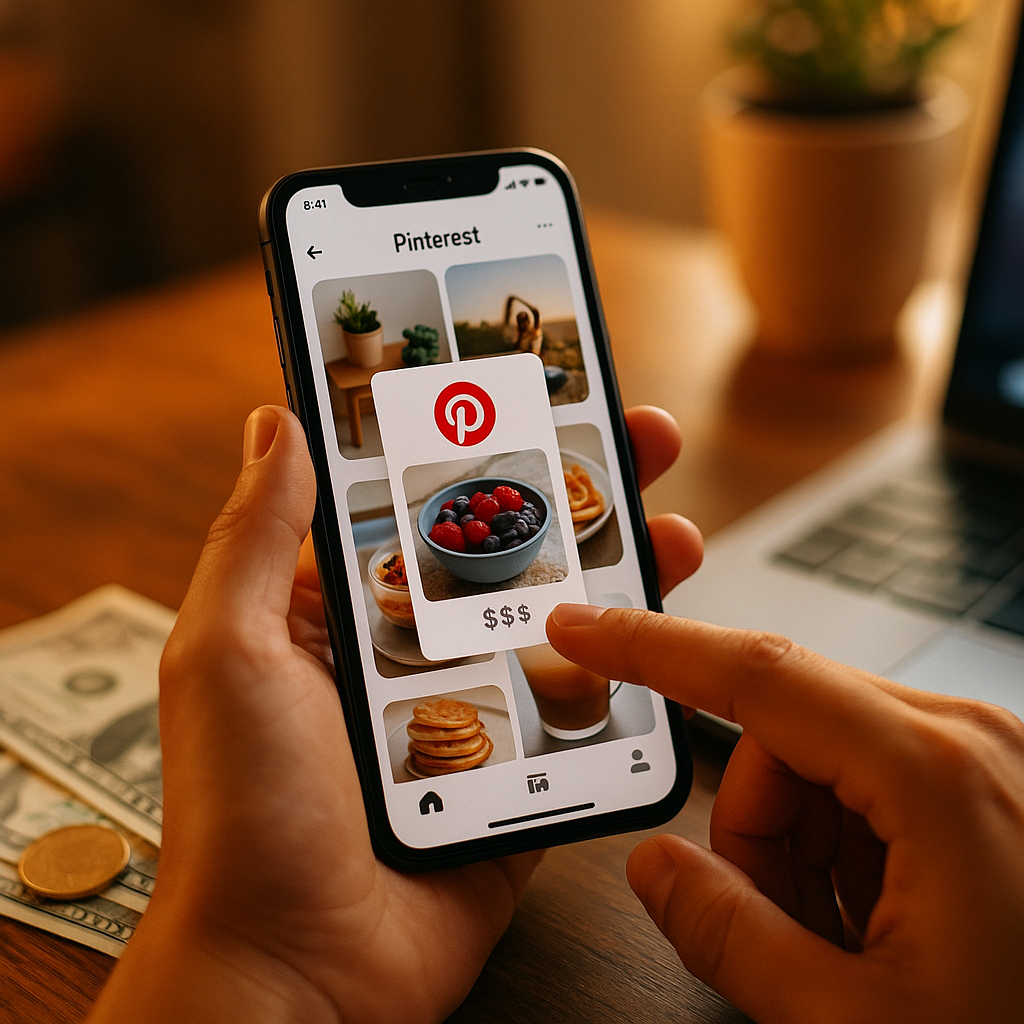
Pinterest just turned content performance into a paycheck, and brands that ignore it are leaving free reach on the table. With Pinterest Creator Rewards now paying out based on Pin engagement and save velocity rather than follower count, the platform has quietly built an incentive structure that brands can piggyback on for cheaper, higher-performing seeding campaigns. The question isn’t whether to pay attention. It’s how fast you can build a playbook around it.
What Pinterest Creator Rewards Actually Pays For
Unlike legacy influencer deals that pay for posting regardless of outcome, Pinterest Creator Rewards compensates creators when their Pins hit specific performance thresholds: saves, outbound clicks, and extended engagement time. Pinterest has leaned hard into its identity as a “shopping intent” platform rather than a pure entertainment feed, and the rewards program reflects that. A Pin that gets saved to twenty boards and drives click-throughs earns more than one that racks up passive views.
This matters for brands because it quietly filters for quality before you ever spend a dollar. Creators already have a financial reason to make content that performs, which means the content showing up in your seeding pipeline has been pre-vetted by Pinterest’s own algorithm and payout logic.
Pinterest’s own data has repeatedly shown that Pins with product tags and clear calls to action outperform generic lifestyle content on save rate by a wide margin, a signal that should shape every creative brief you send into a rewards-eligible campaign.
Why Performance Based Seeding Changes the Brand Calculus
Traditional seeding is a numbers game. You send product to fifty creators, hope ten post, and pray two of those posts do anything. It’s inefficient, and finance teams hate it because the ROI story is murky at best.
Performance based seeding flips that math. When creators are already chasing Pinterest’s reward thresholds, you can seed product to a smaller, sharper pool and expect a higher hit rate on quality output. You’re not paying creators to simply exist in your campaign. You’re benefiting from a platform incentive that’s already pushing them toward the exact behaviors you want: strong saves, clear product visibility, and content built for discovery rather than vanity metrics.
That’s a meaningfully different cost structure than what most brands are used to on TikTok Creator Rewards payouts, where volume and watch time dominate. Pinterest rewards favor evergreen, search friendly content that keeps earning long after the posting date, which is a very different ROI curve than short form video’s quick spike and decay.
Building the Seeding Framework
A performance based seeding program on Pinterest needs three moving parts: creator selection criteria, a product gifting logistics flow, and a measurement layer that ties back to actual business outcomes. Skip any one of these and you’re back to spray and pray.
- Creator selection: Prioritize creators already earning consistent Creator Rewards payouts in your category. Pinterest’s creator search and analytics tools surface save rate and click-through data that you should be pulling before outreach, not after.
- Product logistics: Build a tiered gifting system. Top performers get first access to new SKUs; mid-tier creators get a smaller rotating catalog. This keeps costs predictable while still rewarding the creators driving your best save rates.
- Measurement layer: Track saves, outbound clicks, and attributed purchases, not just impressions. Impressions are vanity on Pinterest. Saves are intent.
One operational note worth flagging: Pinterest’s creator tools are still less mature than Meta’s or TikTok’s when it comes to brand side reporting dashboards. If you’re used to the granularity in a Meta Partnership Ads setup, expect to do more manual reconciliation here. Budget the analyst hours accordingly.
Where This Fits Against Other Rewards Programs
Brands running multi-platform creator programs are increasingly dealing with a patchwork of rewards mechanics, and that patchwork is only getting messier. TikTok pays for watch time and completion. X has leaned into reply revenue sharing to incentivize engagement in comment threads. Pinterest rewards saves and outbound intent. Each mechanic pulls creator behavior in a slightly different direction, which means your briefs can’t be copy pasted across platforms.
If your team is already managing a partnership ads ROI model for Meta, treat Pinterest as its own line item with its own KPIs rather than folding it into the same spreadsheet. The platforms reward fundamentally different behaviors, and conflating them in reporting will muddy your budget conversations with finance.
There’s also a seasonal dimension here that brands routinely underestimate. Pinterest’s search behavior spikes months ahead of major shopping moments, and creators chasing reward thresholds know this. Pairing your seeding calendar with the platform’s own forecasting tools inside the Pinterest Trends tool gives you a head start on which categories will have the deepest creator pool actively optimizing for rewards.
Risk, Compliance, and the Fine Print
Performance based incentives can quietly push creators toward behavior you don’t want. If a creator’s income depends on save rate, there’s a temptation to use misleading thumbnails, exaggerated claims, or clickbait framing to juice numbers. Brands need disclosure language and content review built into the gifting agreement, not bolted on after a problem surfaces.
The FTC’s endorsement guidance still applies regardless of whether the platform itself is paying the creator or the brand is. Make sure contracts spell out disclosure requirements clearly, and audit a sample of seeded content monthly rather than assuming compliance holds steady over a campaign’s lifespan. Review the FTC’s current endorsement guidance before finalizing creator agreements, especially if you’re running seeding at scale across multiple markets.
A seeding program that optimizes purely for Pinterest’s reward thresholds without a brand safety layer on top is a liability waiting to surface in a screenshot.
There’s a parallel worth drawing to how brands have had to tighten up around clipper network compliance, where bounty style payouts created similar incentive misalignment. The lesson translates directly: pay for performance, but never outsource your brand standards to an algorithm’s reward curve.
Measuring ROI: The Metrics That Actually Matter
Forget follower count. On Pinterest, the metrics that correlate with actual business impact are save rate, outbound click rate, and closed loop attribution through UTM tagged links. Pinterest’s own advertiser tools, along with third party platforms tracked by Sprout Social, can help you build a dashboard that isolates seeded content performance from paid amplification.
A practical benchmark: if a seeded Pin’s save rate is meaningfully below your brand’s paid Pin average, that creator probably isn’t a fit for repeat seeding, regardless of how their content performs on other platforms. Pinterest audiences behave differently, and creators who thrive on TikTok don’t automatically translate.
Budget conversations get easier once you can show finance a clean before and after. Track cost per acquisition on seeded Pins against your standard paid social benchmarks. Data from eMarketer continues to show that platforms with strong purchase intent signals, Pinterest among them, often deliver lower blended CPAs than feed based platforms once creator content is factored in. That’s the number that gets a seeding program renewed instead of cut.
FAQs
Frequently Asked Questions
What is Pinterest Creator Rewards?
Pinterest Creator Rewards is a program that pays creators based on how their Pins perform, measured primarily through saves, outbound clicks, and engagement duration, rather than paying a flat rate for posting regardless of outcome.
How does performance based seeding differ from traditional influencer seeding?
Traditional seeding sends product to a broad group of creators with no guarantee of quality output. Performance based seeding targets creators who are already financially incentivized by platform reward programs to produce high performing, discovery optimized content, which typically raises the hit rate on usable results.
Do brands pay creators directly on top of Pinterest Creator Rewards?
Many brands still offer product gifting or supplemental payment on top of what Pinterest pays through its rewards program, especially for top performing creators they want to retain for repeat campaigns. The rewards payout is not a substitute for a brand relationship, it’s an added incentive layer.
What metrics should brands track for Pinterest seeding campaigns?
Save rate, outbound click rate, and attributed conversions through UTM tagged links matter far more than impressions or follower count. Pinterest’s shopping intent behavior means saves function as a stronger predictor of downstream purchase activity than they do on most other platforms.
Is Pinterest Creator Rewards available in every market?
Availability varies by region and is still expanding, so brands running international seeding programs should confirm eligibility with their Pinterest account representative before building a campaign calendar around the mechanic.
How should brands handle disclosure compliance for rewards based seeding?
Disclosure requirements under FTC guidance apply regardless of whether Pinterest or the brand is compensating the creator. Contracts should specify disclosure language upfront, and brands should audit seeded content periodically to confirm compliance holds across the campaign.
Start small: pick one product category, pull the twenty highest save rate creators from your Pinterest analytics, and run a four week seeding pilot before committing a full quarter’s budget. The data from that pilot will tell you more about this channel’s real ROI than any benchmark report ever could.
Top Influencer Marketing Agencies
The leading agencies shaping influencer marketing in 2026
Agencies ranked by campaign performance, client diversity, platform expertise, proven ROI, industry recognition, and client satisfaction. Assessed through verified case studies, reviews, and industry consultations.
Moburst

-
2

The Shelf
Boutique Beauty & Lifestyle Influencer AgencyA data-driven boutique agency specializing exclusively in beauty, wellness, and lifestyle influencer campaigns on Instagram and TikTok. Best for brands already focused on the beauty/personal care space that need curated, aesthetic-driven content.Clients: Pepsi, The Honest Company, Hims, Elf Cosmetics, Pure LeafVisit The Shelf → -
3

Audiencly
Niche Gaming & Esports Influencer AgencyA specialized agency focused exclusively on gaming and esports creators on YouTube, Twitch, and TikTok. Ideal if your campaign is 100% gaming-focused — from game launches to hardware and esports events.Clients: Epic Games, NordVPN, Ubisoft, Wargaming, Tencent GamesVisit Audiencly → -
4

Viral Nation
Global Influencer Marketing & Talent AgencyA dual talent management and marketing agency with proprietary brand safety tools and a global creator network spanning nano-influencers to celebrities across all major platforms.Clients: Meta, Activision Blizzard, Energizer, Aston Martin, WalmartVisit Viral Nation → -
5

The Influencer Marketing Factory
TikTok, Instagram & YouTube CampaignsA full-service agency with strong TikTok expertise, offering end-to-end campaign management from influencer discovery through performance reporting with a focus on platform-native content.Clients: Google, Snapchat, Universal Music, Bumble, YelpVisit TIMF → -
6

NeoReach
Enterprise Analytics & Influencer CampaignsAn enterprise-focused agency combining managed campaigns with a powerful self-service data platform for influencer search, audience analytics, and attribution modeling.Clients: Amazon, Airbnb, Netflix, Honda, The New York TimesVisit NeoReach → -
7

Ubiquitous
Creator-First Marketing PlatformA tech-driven platform combining self-service tools with managed campaign options, emphasizing speed and scalability for brands managing multiple influencer relationships.Clients: Lyft, Disney, Target, American Eagle, NetflixVisit Ubiquitous → -
8

Obviously
Scalable Enterprise Influencer CampaignsA tech-enabled agency built for high-volume campaigns, coordinating hundreds of creators simultaneously with end-to-end logistics, content rights management, and product seeding.Clients: Google, Ulta Beauty, Converse, AmazonVisit Obviously →