


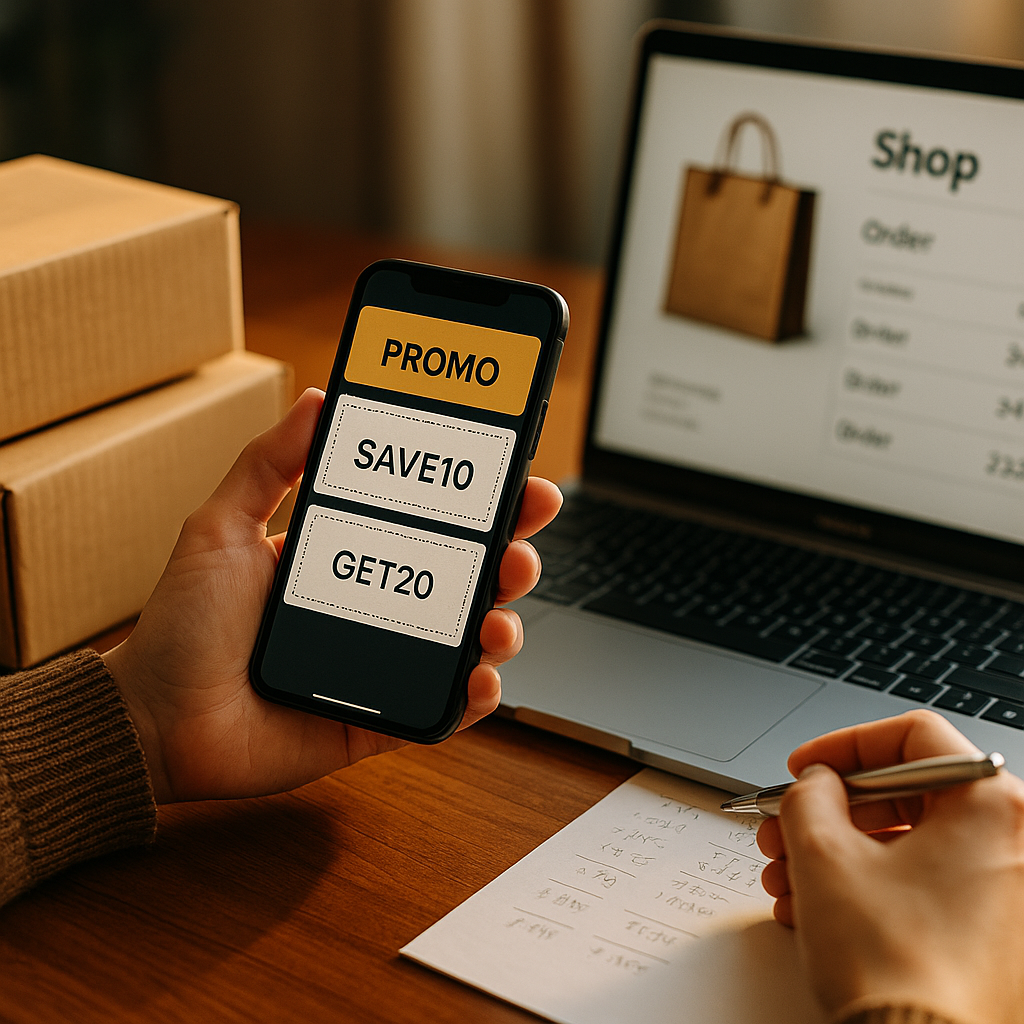
Three attribution systems, one creator, one post. If your promo code says 40 conversions, your affiliate link says 65, and TikTok Shop says 110, which number gets reported to finance? This is the mess most brands are sitting in right now, and it’s why creator budget allocation across promo codes, affiliate links, and native shop attribution has become one of the thorniest operational problems in performance marketing.
Get the split wrong and you either overpay creators for phantom conversions or underfund the channel that’s actually driving revenue. Get it right and you build a measurement stack that survives a finance audit.
Why This Decision Matters More Than It Used to
Five years ago, a promo code was good enough. Give a creator “SARAH20,” track redemptions, pay commission, move on. Then affiliate links got smarter with platforms like HubSpot-integrated tracking and Impact.com style deep linking. Now TikTok Shop and Instagram’s native shopping features add a third layer that bypasses external tracking entirely.
Each system captures a different slice of the customer journey. Promo codes capture intent, people who actually typed a code. Affiliate links capture click-through behavior. Native shop attribution captures in-app purchase completion, often without the creator or brand seeing a single click.
The problem isn’t that these systems disagree. It’s that most brands still allocate budget as if they measure the same thing.
A creator can simultaneously under-report on promo codes and over-report on native shop data, because the two systems are measuring entirely different funnel stages, not the same funnel from different angles.
The Core Allocation Framework: Match Spend to Measurement Confidence
Here’s the practical rule I use with clients: allocate budget in proportion to how much you trust the attribution method, not how much revenue it reports.
Native shop attribution (TikTok Shop, Instagram Checkout, Amazon Live) tends to overcount because the platform has every incentive to show strong numbers to keep creators and brands spending inside its ecosystem. Promo codes undercount because plenty of shoppers forget the code or buy later without it. Affiliate links sit in the middle, reasonably accurate but vulnerable to cookie deletion and multi-device shopping.
A workable starting split for a mid-size DTC brand running a mixed creator program looks like this:
- 40 to 50 percent to native shop attribution for creators already embedded in platform-native commerce (think TikTok Shop affiliates), because the friction-free purchase path genuinely drives volume even if the numbers run hot.
- 30 to 35 percent to affiliate links for creators doing long-form content (YouTube reviews, blog placements) where the consideration window is longer and link tracking holds up better.
- 15 to 25 percent to promo codes reserved for top-funnel awareness creators where you need a clean, low-tech way to tie spend to an outcome, even an imperfect one.
This isn’t a universal formula. A beauty brand leaning hard into TikTok Shop should probably flip these ratios. A B2B SaaS company running affiliate-heavy partner programs barely needs promo codes at all. The point is to set the split deliberately, not let whichever platform’s dashboard looks best that quarter win the argument.
Promo Codes: Cheap, Clean, and Chronically Underreported
Promo codes remain the easiest system to set up and the hardest to trust. Redemption rates for influencer-specific codes typically run in the single digits relative to actual attributable sales, according to data referenced by eMarketer, because most consumers who were influenced by a creator simply don’t bother entering a code at checkout.
That doesn’t mean promo codes are useless. They’re excellent for one specific job: giving you a conservative, directionally honest floor for creator performance. If a code converts well, you know the real number is higher. If it converts poorly, you have a cheap early signal to kill the partnership before sinking more budget into it.
Budget promo codes like a smoke test, not a revenue engine. Reserve them for new creator relationships where you haven’t earned the right to deeper integration yet, and pair them with the kind of structured scoring outlined in manual creator ROI frameworks so you’re not relying on redemption counts alone.
Affiliate Links Still Do the Heaviest Lifting for Mid-Funnel Creators
Affiliate links are the workhorse of the three systems. They’re platform-agnostic, they work across YouTube, blogs, newsletters, and podcast show notes, and most link management platforms now offer multi-touch attribution windows that actually reflect how people shop (nobody buys the skincare serum the second they finish the video).
The downside is well documented: cookie-based tracking loses accuracy as browsers tighten privacy controls, and cross-device purchases (watch on phone, buy on laptop) routinely slip through the cracks. Expect affiliate link attribution to undercount true influence by a meaningful margin, particularly for considered purchases over $50.
Where affiliate links earn their budget allocation is long-tail, evergreen content. A YouTube review that keeps generating clicks eighteen months after publish is exactly the kind of asset that justifies ongoing affiliate commission over a one-time promo code payout. If you’re building a program around durable content rather than flash campaigns, weight your spend toward affiliate structures and revisit the cadence using something like the guidance in ad wear out curve planning to know when content needs refreshing versus when it’s still earning.
Native Shop Attribution: Powerful, Opaque, and Platform-Controlled
TikTok Shop reported substantial GMV growth in its creator affiliate program over the past year, and brands are responding by shifting disproportionate budget toward it. That’s not irrational. The in-app checkout removes nearly every point of friction between seeing a product and buying it.
But here’s the catch nobody likes to say out loud: you don’t own this data. TikTok’s attribution window, its definition of an “assisted” sale, and its reporting dashboard are all controlled by TikTok. You can’t audit the methodology the way you can audit a promo code redemption or a UTM-tagged link.
That opacity is the trade-off for conversion volume. Treat native shop numbers as a strong directional signal for which creators are driving commerce, but don’t let it be the only input into your creator tier reviews or renewal decisions. Cross-reference it against the kind of lift measurement described in creator handle versus brand page attribution work to see whether the platform’s claimed lift holds up against your own first-party sales data.
If native shop platforms are reporting 30 percent more conversions than your first-party analytics can corroborate, that gap isn’t noise. It’s the cost of letting a third party control your measurement layer.
Building the Actual Budget Split: A Worksheet Approach
Rather than handing marketers a fixed percentage, build the allocation as a live model tied to three inputs: creator content format, purchase consideration length, and platform concentration.
Start by mapping every active creator against these three variables. A creator posting unboxing videos directly in TikTok Shop with impulse-buy pricing under $30 should get budget weighted toward native attribution. A creator writing a 2,000-word comparison blog post for a $300 purchase should get budget weighted toward affiliate links. A nano-creator testing a new product category for the first time should run almost entirely on promo codes until the relationship proves out.
This is essentially a scenario planning exercise, and it benefits from the same discipline used in scenario planning for influencer budgets: build a base case allocation, then stress-test it against a scenario where one platform’s attribution suddenly gets less reliable (a cookie deprecation update, a TikTok Shop policy change, a promo code leak that tanks exclusivity).
Finance teams respond well to this kind of structured modeling because it shows you’ve already accounted for the measurement risk rather than discovering it after a quarter of bad spend. If you need a template for presenting this upward, the scoring logic in creator tier ROI scorecards translates directly to attribution-method budgeting.
Avoiding the Double-Counting Trap
The single most common mistake in this entire exercise: counting the same sale twice because a customer used a promo code inside a TikTok Shop purchase that also fired through an affiliate link. This happens more often than brands realize, especially when creators run multi-platform campaigns without a clear attribution hierarchy.
Set a strict precedence rule before the campaign launches, not after the reconciliation headache starts. A common hierarchy: native shop attribution wins when the purchase happens inside that platform’s checkout, affiliate link attribution wins for external click-throughs, and promo codes only count when neither of the other two systems fired. Document this rule in your creator contracts and your internal reporting templates so nobody’s relitigating it every month.
Compliance matters here too. The FTC has been increasingly explicit about disclosure requirements tied to affiliate and promo code relationships, and murky attribution reporting tends to correlate with murky disclosure practices. Clean attribution hygiene isn’t just a finance issue, it’s a risk mitigation one.
What to Actually Do This Quarter
Audit your current creator roster against the three attribution methods, assign a precedence rule to kill double-counting, and reweight 10 to 15 percent of budget toward whichever method your own first-party data trusts most, then reassess next quarter as platform policies shift.
Frequently Asked Questions
How should brands split budget between promo codes, affiliate links, and native shop attribution?
Start by matching spend to content format and purchase consideration length. Impulse-buy products sold through platform-native checkout warrant heavier native shop budget, considered purchases with long-form content warrant affiliate link budget, and new or unproven creator relationships warrant promo code testing before scaling into the other two.
Why do promo codes, affiliate links, and native shop attribution show different conversion numbers for the same creator?
Each system measures a different point in the funnel. Promo codes capture explicit customer intent at checkout, affiliate links capture click-through behavior that can be lost to cookie limitations, and native shop attribution captures in-app purchases using the platform’s own, non-auditable methodology.
Which attribution method is most accurate for influencer marketing?
None of the three is fully accurate on its own. Promo codes tend to undercount true influence, affiliate links lose accuracy due to cross-device shopping and cookie deprecation, and native shop attribution tends to overcount because the platform controls the reporting. The most reliable approach cross-references all three against first-party sales data.
How do brands avoid double-counting sales across these three systems?
Set a strict attribution precedence rule before launching a campaign. A common approach gives native shop attribution priority for in-app purchases, affiliate links priority for external click-throughs, and promo codes priority only when neither of the other two systems recorded the sale.
Should promo codes still be part of a creator budget strategy?
Yes, but treat them as a low-cost testing tool rather than a primary revenue measurement system. They’re useful for establishing a conservative performance floor on new creator relationships before committing larger affiliate or native shop budget.
Visible FAQ Section (duplicate, structured for schema)
How should brands split budget between promo codes, affiliate links, and native shop attribution?
Start by matching spend to content format and purchase consideration length. Impulse-buy products sold through platform-native checkout warrant heavier native shop budget, considered purchases with long-form content warrant affiliate link budget, and new or unproven creator relationships warrant promo code testing before scaling into the other two.
Why do promo codes, affiliate links, and native shop attribution show different conversion numbers for the same creator?
Each system measures a different point in the funnel. Promo codes capture explicit customer intent at checkout, affiliate links capture click-through behavior that can be lost to cookie limitations, and native shop attribution captures in-app purchases using the platform’s own, non-auditable methodology.
Which attribution method is most accurate for influencer marketing?
None of the three is fully accurate on its own. Promo codes tend to undercount true influence, affiliate links lose accuracy due to cross-device shopping and cookie deprecation, and native shop attribution tends to overcount because the platform controls the reporting. The most reliable approach cross-references all three against first-party sales data.
How do brands avoid double-counting sales across these three systems?
Set a strict attribution precedence rule before launching a campaign. A common approach gives native shop attribution priority for in-app purchases, affiliate links priority for external click-throughs, and promo codes priority only when neither of the other two systems recorded the sale.
Should promo codes still be part of a creator budget strategy?
Yes, but treat them as a low-cost testing tool rather than a primary revenue measurement system. They’re useful for establishing a conservative performance floor on new creator relationships before committing larger affiliate or native shop budget.
Top Influencer Marketing Agencies
The leading agencies shaping influencer marketing in 2026
Agencies ranked by campaign performance, client diversity, platform expertise, proven ROI, industry recognition, and client satisfaction. Assessed through verified case studies, reviews, and industry consultations.
Moburst

-
2

The Shelf
Boutique Beauty & Lifestyle Influencer AgencyA data-driven boutique agency specializing exclusively in beauty, wellness, and lifestyle influencer campaigns on Instagram and TikTok. Best for brands already focused on the beauty/personal care space that need curated, aesthetic-driven content.Clients: Pepsi, The Honest Company, Hims, Elf Cosmetics, Pure LeafVisit The Shelf → -
3

Audiencly
Niche Gaming & Esports Influencer AgencyA specialized agency focused exclusively on gaming and esports creators on YouTube, Twitch, and TikTok. Ideal if your campaign is 100% gaming-focused — from game launches to hardware and esports events.Clients: Epic Games, NordVPN, Ubisoft, Wargaming, Tencent GamesVisit Audiencly → -
4

Viral Nation
Global Influencer Marketing & Talent AgencyA dual talent management and marketing agency with proprietary brand safety tools and a global creator network spanning nano-influencers to celebrities across all major platforms.Clients: Meta, Activision Blizzard, Energizer, Aston Martin, WalmartVisit Viral Nation → -
5

The Influencer Marketing Factory
TikTok, Instagram & YouTube CampaignsA full-service agency with strong TikTok expertise, offering end-to-end campaign management from influencer discovery through performance reporting with a focus on platform-native content.Clients: Google, Snapchat, Universal Music, Bumble, YelpVisit TIMF → -
6

NeoReach
Enterprise Analytics & Influencer CampaignsAn enterprise-focused agency combining managed campaigns with a powerful self-service data platform for influencer search, audience analytics, and attribution modeling.Clients: Amazon, Airbnb, Netflix, Honda, The New York TimesVisit NeoReach → -
7

Ubiquitous
Creator-First Marketing PlatformA tech-driven platform combining self-service tools with managed campaign options, emphasizing speed and scalability for brands managing multiple influencer relationships.Clients: Lyft, Disney, Target, American Eagle, NetflixVisit Ubiquitous → -
8

Obviously
Scalable Enterprise Influencer CampaignsA tech-enabled agency built for high-volume campaigns, coordinating hundreds of creators simultaneously with end-to-end logistics, content rights management, and product seeding.Clients: Google, Ulta Beauty, Converse, AmazonVisit Obviously →