


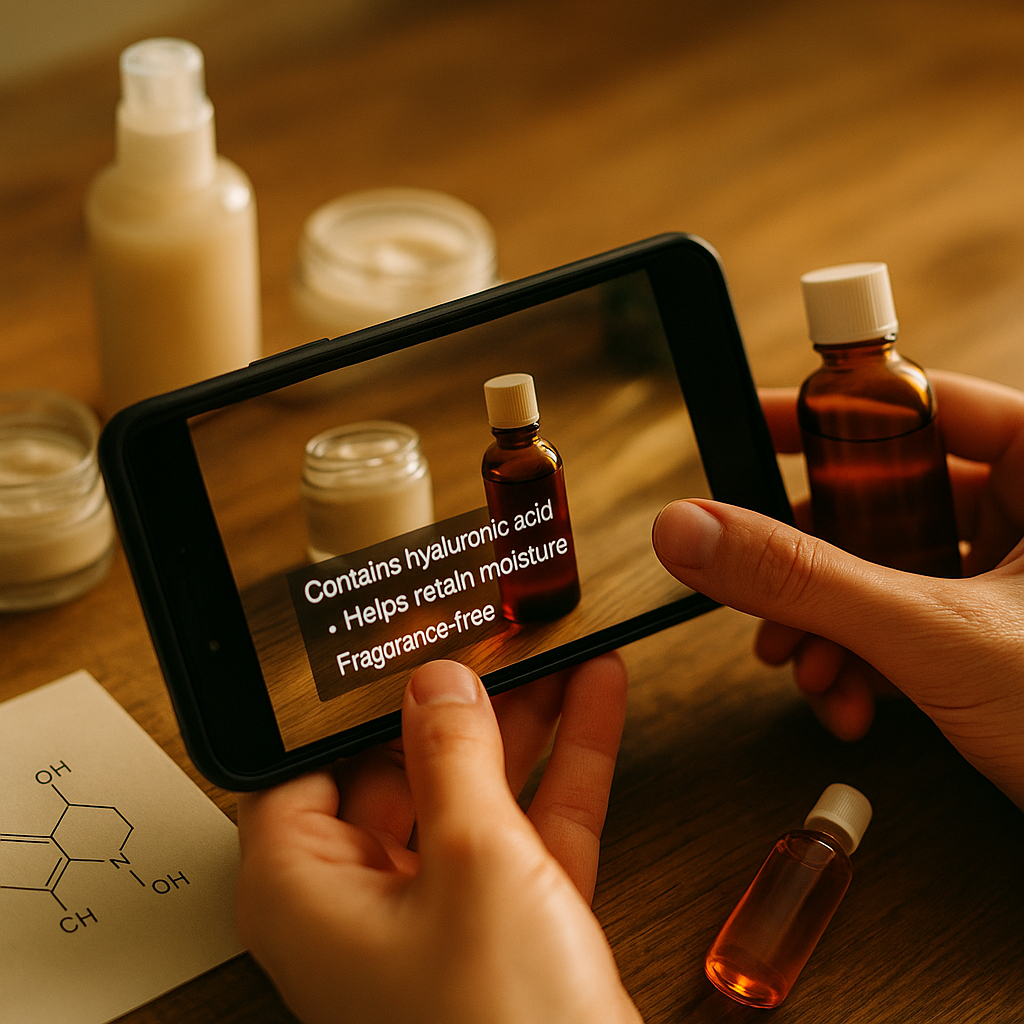
Only 34% of consumers say they trust influencer claims about what’s actually in a product, according to recent trust surveys cited across the beauty industry. Yet ingredient breakdown videos consistently outperform standard product demos on watch time and saves. The gap between skepticism and scroll-stopping engagement is script quality, not production budget. If your brand sells beauty or supplement products and you’re not scripting ingredient breakdown videos with intention, you’re leaving trust (and conversions) on the table.
Why Ingredient Content Converts Better Than Product Hype
Shoppers have been burned before. They’ve bought the serum with the “clinically proven” sticker that did nothing, the gummy vitamin promising miracles that turned out to be mostly sugar. So when a creator slows down and explains why an ingredient works, audiences lean in differently than they do for a standard “this changed my skin” testimonial.
The format works because it shifts the burden of proof. Instead of asking viewers to trust a claim, you’re giving them the mechanism behind the claim. That’s a fundamentally different psychological contract, and it’s why ingredient breakdowns often get higher save rates on TikTok and Instagram than lifestyle-driven UGC.
Ingredient breakdown videos work because they replace “trust me” with “here’s why,” and that single shift changes how viewers process the entire pitch.
The Three Layer Script Structure That Builds Credibility
Most brands brief creators to “just explain the ingredients,” which produces flat, lecture-style content nobody finishes. A better approach breaks the script into three distinct layers, each doing different work.
- The hook layer (0-3 seconds): Lead with tension, not information. “This ingredient is banned in three countries, here’s why we still use it” pulls differently than “Let’s talk about retinol.”
- The mechanism layer (3-25 seconds): Explain what the ingredient does at a basic biological or chemical level. Keep it accessible. Nobody needs a dermatology lecture, they need the “aha” moment.
- The proof layer (25-45 seconds): Tie the mechanism back to a tangible outcome, ideally with a visual demonstration, a before/after cue, or a third-party reference point like a study or certification.
This structure mirrors what works in founder origin storytelling, where skepticism is addressed head-on rather than avoided. The difference with ingredient content is that the “proof” lives in chemistry and clinical data rather than personal narrative.
Write the Hook Like a Skeptic Would
Here’s a trick that works surprisingly well: have the creator script the hook as if they were the most skeptical person in the comments section. “I used to think hyaluronic acid was just marketing fluff until I found out it holds a thousand times its weight in water.” That framing does two things. It pre-empts objections, and it signals the creator isn’t a shill, they were once a doubter too.
What to Include (and What to Cut) for Compliance
Beauty and supplement claims sit in one of the most heavily scrutinized categories for influencer marketing. The FTC’s endorsement guidelines apply fully here, and supplement claims specifically can trigger additional scrutiny if they imply disease treatment or prevention. Script discipline matters as much as creative flair.
- Avoid absolute language (“cures,” “eliminates,” “guaranteed”). Use “may help support” or “is associated with” instead.
- If citing a study, name it. Vague references to “research shows” invite regulatory and audience distrust alike.
- Disclose paid partnerships clearly in the first few seconds, not buried in a caption.
- Avoid before/after visuals for supplements unless you have documented, verifiable results and proper disclaimers.
Brands that have already built FTC-safe scripting muscle for other formats, like the approach outlined in dupe comparison scripting, can adapt similar guardrails here. The core discipline transfers: make claims specific, sourced, and modest.
In beauty and supplements, the fastest way to kill trust is overclaiming. The fastest way to build it is naming your sources and admitting limitations on camera.
Casting the Right Creator for the Breakdown
Not every creator can pull off ingredient content credibly. A beauty nano creator with a chemistry background or a registered dietitian talking supplements carries inherent authority that a general lifestyle creator doesn’t. This matters more than follower count.
When briefing, ask creators to share their actual understanding of the ingredient before scripting begins. If they can’t explain it in their own words, the video will sound scripted in the worst way, like someone reading cue cards. This is the same principle behind effective educational micro demo scripting: the creator needs to understand the “why” well enough to improvise around the core facts.
Consider pairing a single ingredient-focused creator with a stitched review compilation strategy, where multiple voices validate the same ingredient claim from different angles. Social proof compounds when it comes from varied, credible sources rather than one repeated message.
Should You Script Word for Word or Give Talking Points?
Full scripts tend to sound robotic in this format. Talking points with mandatory claim language (the stuff legal needs verbatim) combined with creator freedom on transitions and personal framing produces the most natural result. Lock down the facts, loosen the delivery.
Pacing and Visual Cues That Keep Viewers Watching
Ingredient breakdowns live or die on pacing. A 45 second video explaining niacinamide needs visual anchors every 5 to 7 seconds, whether that’s a text overlay, a product cutaway, or a before/after graphic. Static talking-head explainer content underperforms badly against content with layered visual proof.
Many brands are now pairing ingredient scripts with ASMR style sound design, since the sensory layer reinforces the “clean, scientific” positioning many skincare and supplement brands want. The scripting principles from ASMR unboxing content apply well here: sound cues at ingredient reveal moments increase save rates because they create a satisfying, replayable beat.
If you’re repurposing ingredient breakdown content into a longer branded documentary or FAQ series, structure the shoot so each ingredient segment can stand alone, following the modular approach used in clip-ready long form shoots. One shoot day can yield a dozen standalone ingredient clips if you plan the beats correctly upfront.
Measuring Whether Trust Content Actually Builds Trust
Engagement metrics alone won’t tell you if the content is working as intended. Track save rate and comment sentiment specifically, since both signal whether viewers found the explanation credible enough to revisit or reference. According to Sprout Social’s consumer research, educational content consistently drives higher save behavior than promotional content across categories, and beauty/supplement ingredient breakdowns are a clear example of that pattern.
Also watch for a secondary signal: branded search lift for the specific ingredient name after a video goes live. If “bakuchiol” searches spike after your creator’s video, that’s a strong proxy for genuine curiosity and trust transfer, something Statista’s consumer behavior data has repeatedly linked to purchase intent in beauty categories.
Run a simple A/B test: one version of the script with hard claims removed and sourcing added, one with your team’s original draft. Compare completion rate and comment quality, not just views. You’ll usually find the sourced, modest-claim version wins on every metric that actually matters to a brand’s bottom line, even if it feels less punchy on paper.
Next Step
Start with one hero ingredient, script it using the three layer structure, cast a creator who can speak to it credibly, and measure save rate before scaling the format across your full catalog.
Frequently Asked Questions
What makes an ingredient breakdown video different from a standard product demo?
An ingredient breakdown focuses on explaining the mechanism behind a specific ingredient rather than showcasing the full product experience. It builds trust through education first, then ties that education back to a product benefit.
How long should an ingredient breakdown video be?
Most effective versions run between 30 and 60 seconds. Longer than that, and completion rates drop sharply unless the content is part of a structured series with strong visual pacing.
Do ingredient breakdown videos need FTC disclosures?
Yes. If the content is sponsored or the creator has a material connection to the brand, disclosure is required under FTC guidelines regardless of how educational the content appears.
Can nano creators do ingredient breakdowns effectively?
Yes, often more effectively than larger creators, provided they have genuine knowledge or credentials related to the ingredient. Authority matters more than audience size in this format.
How do you handle supplement ingredient claims without overpromising?
Use qualified language like “may support” or “is associated with,” cite specific studies by name when possible, and avoid implying disease treatment or cure, which triggers stricter regulatory scrutiny.
Top Influencer Marketing Agencies
The leading agencies shaping influencer marketing in 2026
Agencies ranked by campaign performance, client diversity, platform expertise, proven ROI, industry recognition, and client satisfaction. Assessed through verified case studies, reviews, and industry consultations.
Moburst

-
2

The Shelf
Boutique Beauty & Lifestyle Influencer AgencyA data-driven boutique agency specializing exclusively in beauty, wellness, and lifestyle influencer campaigns on Instagram and TikTok. Best for brands already focused on the beauty/personal care space that need curated, aesthetic-driven content.Clients: Pepsi, The Honest Company, Hims, Elf Cosmetics, Pure LeafVisit The Shelf → -
3

Audiencly
Niche Gaming & Esports Influencer AgencyA specialized agency focused exclusively on gaming and esports creators on YouTube, Twitch, and TikTok. Ideal if your campaign is 100% gaming-focused — from game launches to hardware and esports events.Clients: Epic Games, NordVPN, Ubisoft, Wargaming, Tencent GamesVisit Audiencly → -
4

Viral Nation
Global Influencer Marketing & Talent AgencyA dual talent management and marketing agency with proprietary brand safety tools and a global creator network spanning nano-influencers to celebrities across all major platforms.Clients: Meta, Activision Blizzard, Energizer, Aston Martin, WalmartVisit Viral Nation → -
5

The Influencer Marketing Factory
TikTok, Instagram & YouTube CampaignsA full-service agency with strong TikTok expertise, offering end-to-end campaign management from influencer discovery through performance reporting with a focus on platform-native content.Clients: Google, Snapchat, Universal Music, Bumble, YelpVisit TIMF → -
6

NeoReach
Enterprise Analytics & Influencer CampaignsAn enterprise-focused agency combining managed campaigns with a powerful self-service data platform for influencer search, audience analytics, and attribution modeling.Clients: Amazon, Airbnb, Netflix, Honda, The New York TimesVisit NeoReach → -
7

Ubiquitous
Creator-First Marketing PlatformA tech-driven platform combining self-service tools with managed campaign options, emphasizing speed and scalability for brands managing multiple influencer relationships.Clients: Lyft, Disney, Target, American Eagle, NetflixVisit Ubiquitous → -
8

Obviously
Scalable Enterprise Influencer CampaignsA tech-enabled agency built for high-volume campaigns, coordinating hundreds of creators simultaneously with end-to-end logistics, content rights management, and product seeding.Clients: Google, Ulta Beauty, Converse, AmazonVisit Obviously →