


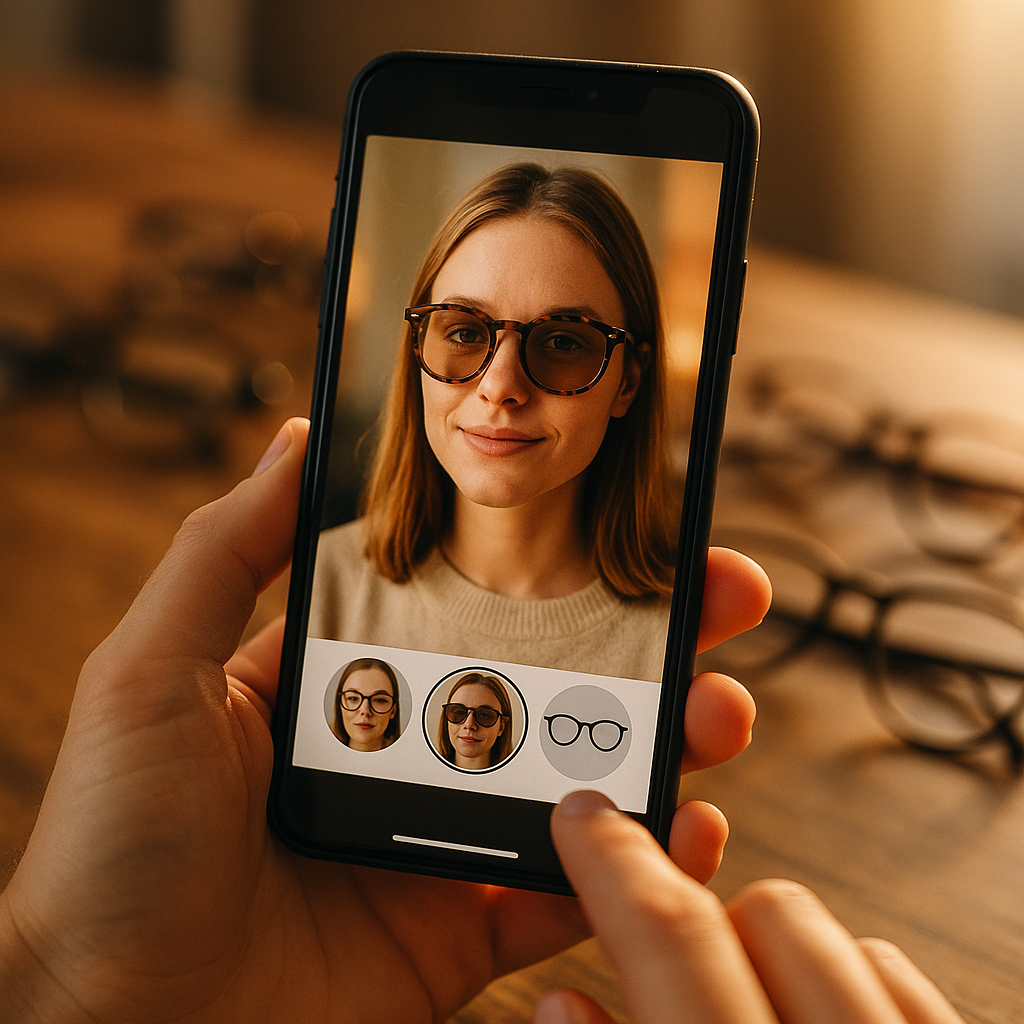
Try-on AR filters get shared 3 to 5 times more often than standard product videos, according to platform creative benchmarks from Meta and Snap. Why? Because a filter doesn’t just show a product, it lets someone become the ad. If your AR filter UGC strategy still treats filters as a novelty add-on instead of a scripted content format, you’re leaving one of the highest-share mechanics in social marketing on the table.
This isn’t about hiring a 3D artist and hoping for virality. It’s about scripting the moment of interaction so viewers want to tap, try, and post. Let’s get into how brand teams are building that pipeline on purpose.
Why AR Try-On Content Outperforms Static UGC
Standard UGC asks viewers to watch. AR filter content asks them to participate. That single shift changes the entire psychology of the share. When someone applies a filter to their own face or room, the resulting content feels self-authored, even though your brand scripted the underlying mechanic. That ownership feeling is what drives the share, not the product itself.
Snap’s own advertiser data has long shown that branded AR lenses generate significantly higher average play time and completion rates than traditional video ads, and TikTok’s effects platform follows the same pattern. The format rewards curiosity. People don’t share a filter because the brand told them to, they share it because the output made them look good, laugh, or feel seen.
A try-on filter only earns shares if the output is flattering, funny, or surprising within the first three seconds. Script for that outcome first, brand visibility second.
Compare this to the slower build of trust-based formats like before and after reels, where the payoff is gradual. AR try-on content is instant gratification wrapped in interactivity, and that’s exactly why it travels faster through comment sections and group chats.
Scripting the Try-On Moment, Not Just the Filter
Most brands brief their AR developer on the technical build and never script the human behavior around it. That’s backwards. The script should define three beats before a single line of code gets written:
- The hook frame: what the user sees in the first half second after applying the filter (this determines screenshot and screen-record behavior).
- The reveal beat: the moment the transformation, effect, or product visualization lands, usually tied to a sound cue or on-screen text prompt.
- The share prompt: an explicit, low-friction call to action embedded in the filter UI itself, not left to chance in the caption.
Think of it the same way you’d structure a silent-first video edit: assume the viewer has no audio and no context. The filter needs to communicate value visually within seconds, because most discovery happens through a friend’s shared post, not a branded feed.
What Makes a Filter Script Shareable Versus Forgettable
Forgettable filters apply a static overlay and stop there. Shareable ones build in a small surprise, a before/after split, a randomized outcome, or a comedic exaggeration. Beauty brands discovered this early with shade-matching filters that show a “you, but with the product” split screen. CPG and fashion brands are now borrowing the same logic for virtual try-before-you-buy content.
The script should also account for repeat use. A filter someone only tries once rarely gets shared twice. Build in variation, multiple outcomes, color options, randomized captions, so the same filter produces fresh content on the second and third try.
Writing the On-Screen Prompt Copy
The text that appears inside the filter interface carries more weight than most brands realize. It’s the closest thing to ad copy that lives inside a native camera experience, and it needs to do three jobs in under eight words: explain the action, create urgency, and sound like a person, not a brand deck.
“Tap to see your match” works. “Experience our revolutionary new shade-matching technology” does not. Borrow the economy of language used in meme format captions, short, punchy, and built for a scroll-speed attention span.
Pair the prompt copy with a creator-led demo video that shows the filter in action before the user commits. Nano and micro creators are particularly effective here because their reactions read as unscripted even when the filter prompts are fully briefed. If you’re building this pipeline, the same principles from nano creator briefs apply directly: give creators a clear structure, then let their personality fill the gaps.
Platform Differences You Can’t Script Around
Instagram, TikTok, and Snap each handle AR discovery differently, and your script needs to flex accordingly.
- Instagram: Filters surface through Reels remixes and profile tabs, so the script should prompt users to tag the brand and use a specific effect name for discoverability.
- TikTok: Effects live inside the Effects House ecosystem and surface heavily through hashtag challenges. Script the filter alongside a challenge prompt, not as a standalone asset. Review TikTok’s advertising guidelines before building branded effects tied to a paid push.
- Snap: Lenses still dominate camera-first discovery and reward longer dwell time, making them better suited to multi-step try-on sequences than quick-hit gags.
Meta’s own business platform resources outline technical specs for Spark AR-based effects, and it’s worth reviewing them before locking a creative script, because file size and tracking constraints will quietly kill ambitious concepts if you script around them too late.
Compliance Isn’t Optional Once a Filter Becomes an Ad
Here’s where a lot of brand teams get sloppy. The moment an AR filter promotes a product, makes a claim (“see your skin clear up”), or is sponsored content distributed through a creator partnership, FTC disclosure rules apply exactly as they would to any paid post. A filter that implies a result, like a virtual skin-smoothing effect tied to a skincare product, can blur the line between playful AR and a deceptive before/after claim if you’re not careful with scripting.
If your AR filter visually implies a product result, treat the script with the same scrutiny as a testimonial ad. The FTC doesn’t distinguish between filtered and unfiltered claims.
Build disclosure into the filter’s opening frame or the creator’s caption, not buried in a bio link. The FTC’s endorsement guidance is the baseline reference here, and legal teams at larger brands are increasingly requiring sign-off on AR scripts the same way they review video ad copy. If your organization already has a review process for claims-heavy formats, route AR filter scripts through it. The same discipline that governs animated product demo scripts applies here too, since both formats stylize reality in ways that can mislead if the script overpromises.
Measuring Shares Beyond Vanity Metrics
Filter usage counts look impressive in a slide deck, but they don’t tell you whether the content is converting. Track completion-to-share ratio, the percentage of users who apply the filter and then post the result, alongside branded hashtag volume and referral traffic from filter-tagged posts. Sprout Social’s social analytics benchmarks and Statista’s social commerce data are useful for setting realistic targets against industry norms rather than guessing.
If share rate is low but usage is high, the problem usually sits in the reveal beat, not the hook. People tried it, but the output wasn’t good enough to post. That’s a scripting failure, not a distribution failure, and it means revisiting the creative before throwing more media spend at amplification.
FAQs
Frequently Asked Questions
What makes AR filter UGC different from regular branded video content?
AR filter UGC requires active participation from the viewer, who applies the filter and generates personalized output, while regular branded video is passive content the viewer only watches. This participation is what drives higher share rates.
Do brands need FTC disclosure on branded AR filters?
Yes, if the filter is sponsored or promotes a product claim, standard endorsement and disclosure rules apply just as they would to any paid social content, regardless of the interactive format.
Which platform is best for launching a branded AR filter?
It depends on the goal. TikTok’s Effects House suits hashtag challenge style distribution, Instagram favors Reels remix discovery, and Snap lenses perform well for longer, multi-step try-on experiences.
How do you script an AR filter so people actually share it?
Script three beats: a hook frame that looks good within the first half second, a reveal moment tied to a clear payoff, and an explicit share prompt built into the filter’s interface rather than left to the caption.
Can small brands without 3D design teams use AR filter UGC?
Yes. Platform-native tools like Meta’s Spark AR and TikTok’s Effects House let smaller teams build simple try-on filters without custom development, and nano creators can amplify these filters effectively on a limited budget.
Start by scripting one try-on filter around a single product claim, brief a handful of nano creators to demo it, and measure completion-to-share ratio before scaling spend behind it.
Top Influencer Marketing Agencies
The leading agencies shaping influencer marketing in 2026
Agencies ranked by campaign performance, client diversity, platform expertise, proven ROI, industry recognition, and client satisfaction. Assessed through verified case studies, reviews, and industry consultations.
Moburst

-
2

The Shelf
Boutique Beauty & Lifestyle Influencer AgencyA data-driven boutique agency specializing exclusively in beauty, wellness, and lifestyle influencer campaigns on Instagram and TikTok. Best for brands already focused on the beauty/personal care space that need curated, aesthetic-driven content.Clients: Pepsi, The Honest Company, Hims, Elf Cosmetics, Pure LeafVisit The Shelf → -
3

Audiencly
Niche Gaming & Esports Influencer AgencyA specialized agency focused exclusively on gaming and esports creators on YouTube, Twitch, and TikTok. Ideal if your campaign is 100% gaming-focused — from game launches to hardware and esports events.Clients: Epic Games, NordVPN, Ubisoft, Wargaming, Tencent GamesVisit Audiencly → -
4

Viral Nation
Global Influencer Marketing & Talent AgencyA dual talent management and marketing agency with proprietary brand safety tools and a global creator network spanning nano-influencers to celebrities across all major platforms.Clients: Meta, Activision Blizzard, Energizer, Aston Martin, WalmartVisit Viral Nation → -
5

The Influencer Marketing Factory
TikTok, Instagram & YouTube CampaignsA full-service agency with strong TikTok expertise, offering end-to-end campaign management from influencer discovery through performance reporting with a focus on platform-native content.Clients: Google, Snapchat, Universal Music, Bumble, YelpVisit TIMF → -
6

NeoReach
Enterprise Analytics & Influencer CampaignsAn enterprise-focused agency combining managed campaigns with a powerful self-service data platform for influencer search, audience analytics, and attribution modeling.Clients: Amazon, Airbnb, Netflix, Honda, The New York TimesVisit NeoReach → -
7

Ubiquitous
Creator-First Marketing PlatformA tech-driven platform combining self-service tools with managed campaign options, emphasizing speed and scalability for brands managing multiple influencer relationships.Clients: Lyft, Disney, Target, American Eagle, NetflixVisit Ubiquitous → -
8

Obviously
Scalable Enterprise Influencer CampaignsA tech-enabled agency built for high-volume campaigns, coordinating hundreds of creators simultaneously with end-to-end logistics, content rights management, and product seeding.Clients: Google, Ulta Beauty, Converse, AmazonVisit Obviously →