


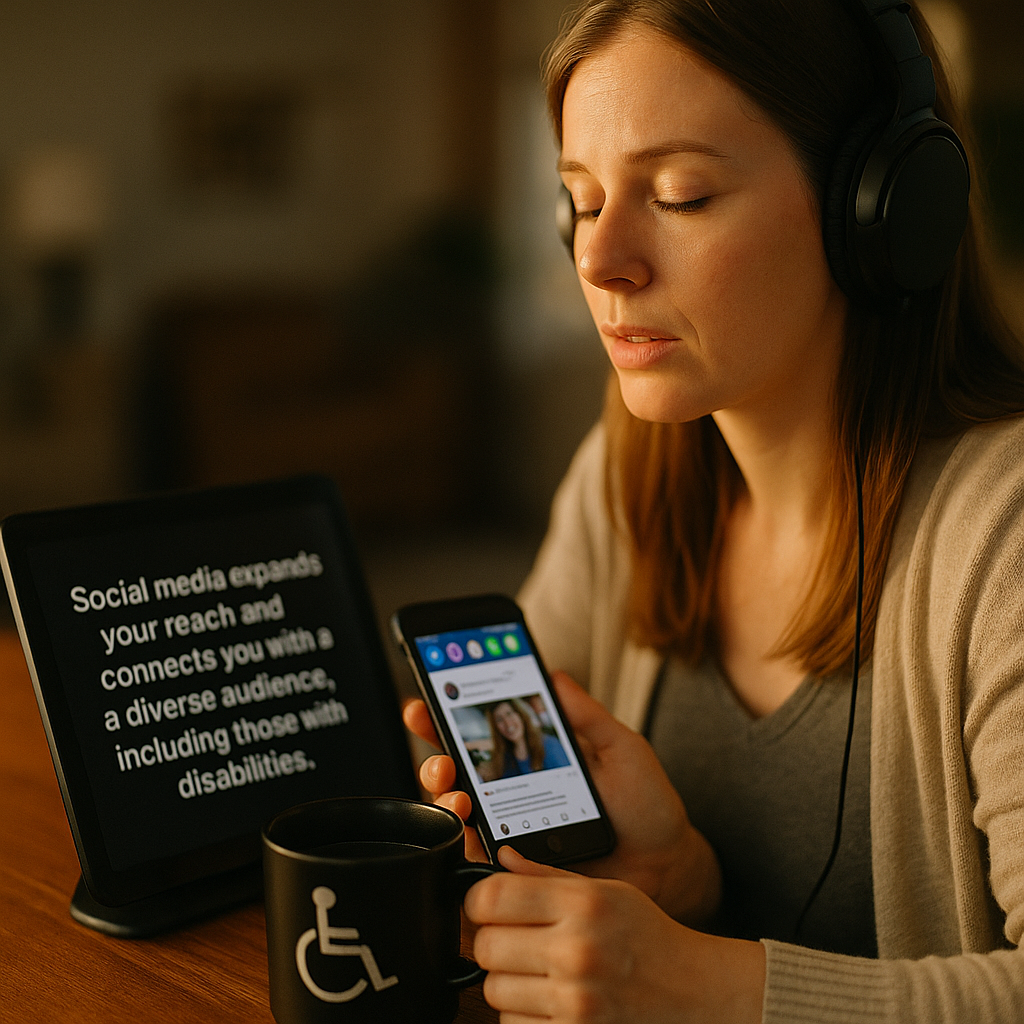
The digital world is expected to be accessible to all, making ADA compliance for your brand’s social media presence a must. With over 61 million adults in the U.S. living with a disability, brands can no longer afford to ignore digital accessibility. But what does true ADA compliance look like in today’s social media landscape? Let’s break it down.
Understanding ADA Compliance and Social Media Accessibility
The Americans with Disabilities Act (ADA), signed into law in 1990, mandates equal access in both physical and digital spaces. While regulations initially targeted websites, growing case law and guidance now encompass social media channels. Brands active on platforms like Facebook, Instagram, Twitter (now X), LinkedIn, and TikTok must ensure content can be used by people with disabilities, including those with vision, hearing, cognitive, or mobility impairments.
Accessibility isn’t just about legal protection—it’s about serving every member of your audience. Non-compliance can lead to lawsuits, diminished brand trust, and lost market share. According to the World Health Organization, 1 in 6 people globally experience a significant disability, underlining accessibility’s role in brand growth and ethical leadership. In 2025, brands that prioritize social media accessibility not only reduce risk but also foster loyalty and lasting engagement.
Essential ADA Compliance Features for Brand Social Media
True ADA compliance on social media means making your content perceivable, operable, understandable, and robust for all users. Here are key accessibility features to integrate:
- Alt Text: Always provide descriptive alternative text for images, GIFs, and infographics. Alt text conveys image meaning to screen reader users.
- Video Captions and Transcripts: All video content should offer accurate captions and transcripts, benefiting users who are deaf, hard of hearing, or prefer muted viewing.
- Readable Fonts and Color Contrast: Use high-contrast colors and legible fonts to ensure content visibility. Avoid using color as the only method of conveying information.
- Accessible Hashtags: Employ CamelCase hashtags (e.g., #MakeSocialAccessible) so screen readers pronounce words correctly.
- Clear Language and Structure: Write concise copy with a direct structure. Use lists and headers to improve interaction for people using screen readers.
- Keyboard Navigation: Confirm that your profile menus, links, and interactive content can be navigated with a keyboard alone.
Audit your social media regularly using accessibility evaluation tools and feedback from users with disabilities to maintain ongoing compliance.
ADA Compliance for Multimedia and Rich Content
Engagement with visual and video content is still rising in 2025. Ensuring these assets are ADA-compliant is critical for true inclusion on social media:
- Image Accessibility: Many platforms now allow alt text for images, but it is often overlooked. Be descriptive yet concise—ideally under 125 characters to suit assistive technology.
- Video Sound and Visuals: Integrate audio descriptions for visually rich video elements, not just spoken words, when possible. This inclusivity benefits users with low vision.
- Live Content: For live streams or events, provide real-time captions or ASL (American Sign Language) interpretation. Post-event summaries and accessible recordings further extend reach.
- Infographics and Data Visuals: Summarize data tables and complex visuals in narrative form, or provide downloadable accessible versions (such as tagged PDFs or text files).
Testing how users with different disabilities experience your multimedia—through assistive technology or direct feedback—builds brand credibility and supports compliance. Involve users with disabilities in your content creation feedback loop for the most effective improvements.
Risk Mitigation and the Business Impact of ADA Social Media Compliance
Consistent, documented ADA compliance on social media offers more than just lawsuit avoidance. In 2025, digital accessibility lawsuits continue to surge. According to the Accessible Social Project, brands seen as inclusive enjoy significantly higher user engagement and customer retention rates.
Consequences of non-compliance include:
- Legal action, financial penalties, and negative publicity
- Reduced audience reach and missed revenue from underrepresented groups
- Lower SEO rankings—major platforms and search engines are prioritizing accessible content
- Damaged brand reputation and eroded user trust
Proactive compliance not only demonstrates ethical leadership but enhances brand value, opening the door to diverse audiences and co-creation opportunities with advocates from the disability community.
Implementing an ADA Compliance Strategy for Social Media
Adopting ADA best practices on social media begins with leadership commitment and ongoing education. Here’s how to embed accessibility across your brand’s digital touchpoints:
- Training: Provide staff—including content creators, marketers, and community managers—with up-to-date accessibility resources and training.
- Policy Development: Develop internal guidelines aligned with the Web Content Accessibility Guidelines (WCAG) and platform-specific features.
- Content Audits: Schedule regular reviews of all past and current posts, ensuring updates and fixes are actively applied.
- User Feedback: Encourage feedback from users with disabilities to identify barriers and prioritize improvements.
- Tool Utilization: Use platform-native accessibility checkers, browser extensions, and third-party evaluation tools for ongoing monitoring.
- Reporting and Transparency: Share your accessibility commitment and progress in public updates—transparency builds trust with your whole audience.
ADA compliance is a journey, not a checklist. Stay informed about evolving best practices and platform feature updates throughout 2025.
Measuring Success and Staying Ahead in 2025
To ensure long-term ADA compliance for your brand’s social media presence, measurement is essential. Key performance indicators include:
- Accessibility Score: Track your content’s score using specialized tools and aim for continuous improvement.
- User Engagement: Monitor increases in likes, shares, comments, and time spent by users with accessibility needs.
- Community Feedback: Analyze direct feedback and survey data from people with disabilities in your audience.
- Legal and Reputation Monitoring: Watch for any accessibility complaints and proactively address them to avoid legal escalation.
Brands that embed accessibility into every post and campaign are setting benchmarks for digital inclusivity. Your sustained effort ensures compliance, shows corporate responsibility, and leads in a competitive digital landscape.
FAQs about ADA Compliance for Social Media
-
Is ADA compliance required for all brands’ social media in 2025?
Yes. While the ADA’s legal wording still centers on “places of public accommodation,” recent cases and Department of Justice guidance confirm that digital channels—including social media—should be accessible to people with disabilities.
-
What types of disabilities should I account for in my social media content?
Consider visual, auditory, mobility, cognitive, and neurological disabilities. This means not just captions and alt text, but also clear structure, language, and navigation.
-
What are the latest tools to help ensure compliance?
In 2025, tools like Accessible Social, Facebook’s Accessibility Checker, and browser extensions such as WAVE and axe DevTools are widely used for ongoing monitoring and remediation.
-
Who is responsible for ADA compliance—my agency or my brand?
Ultimately, responsibility lies with the brand. Even if you use agencies or third parties for content creation, ensure ADA compliance requirements are included in contracts and quality reviews.
-
Can small businesses manage ADA compliance without large budgets?
Absolutely. ADA compliance often starts with low-cost changes like adding alt text and captions, choosing accessible color palettes, and asking for user feedback. Larger investments can be phased in as your business grows.
ADA compliance for your brand’s social media presence is no longer optional in 2025. By prioritizing accessibility—from imagery to video and beyond—you build trust, increase engagement, and ensure all users can connect with your brand. Commit now, and position your business ahead in the inclusive digital era.
Top Influencer Marketing Agencies
The leading agencies shaping influencer marketing in 2026
Agencies ranked by campaign performance, client diversity, platform expertise, proven ROI, industry recognition, and client satisfaction. Assessed through verified case studies, reviews, and industry consultations.
Moburst

-
2

The Shelf
Boutique Beauty & Lifestyle Influencer AgencyA data-driven boutique agency specializing exclusively in beauty, wellness, and lifestyle influencer campaigns on Instagram and TikTok. Best for brands already focused on the beauty/personal care space that need curated, aesthetic-driven content.Clients: Pepsi, The Honest Company, Hims, Elf Cosmetics, Pure LeafVisit The Shelf → -
3

Audiencly
Niche Gaming & Esports Influencer AgencyA specialized agency focused exclusively on gaming and esports creators on YouTube, Twitch, and TikTok. Ideal if your campaign is 100% gaming-focused — from game launches to hardware and esports events.Clients: Epic Games, NordVPN, Ubisoft, Wargaming, Tencent GamesVisit Audiencly → -
4

Viral Nation
Global Influencer Marketing & Talent AgencyA dual talent management and marketing agency with proprietary brand safety tools and a global creator network spanning nano-influencers to celebrities across all major platforms.Clients: Meta, Activision Blizzard, Energizer, Aston Martin, WalmartVisit Viral Nation → -
5

The Influencer Marketing Factory
TikTok, Instagram & YouTube CampaignsA full-service agency with strong TikTok expertise, offering end-to-end campaign management from influencer discovery through performance reporting with a focus on platform-native content.Clients: Google, Snapchat, Universal Music, Bumble, YelpVisit TIMF → -
6

NeoReach
Enterprise Analytics & Influencer CampaignsAn enterprise-focused agency combining managed campaigns with a powerful self-service data platform for influencer search, audience analytics, and attribution modeling.Clients: Amazon, Airbnb, Netflix, Honda, The New York TimesVisit NeoReach → -
7

Ubiquitous
Creator-First Marketing PlatformA tech-driven platform combining self-service tools with managed campaign options, emphasizing speed and scalability for brands managing multiple influencer relationships.Clients: Lyft, Disney, Target, American Eagle, NetflixVisit Ubiquitous → -
8

Obviously
Scalable Enterprise Influencer CampaignsA tech-enabled agency built for high-volume campaigns, coordinating hundreds of creators simultaneously with end-to-end logistics, content rights management, and product seeding.Clients: Google, Ulta Beauty, Converse, AmazonVisit Obviously →