


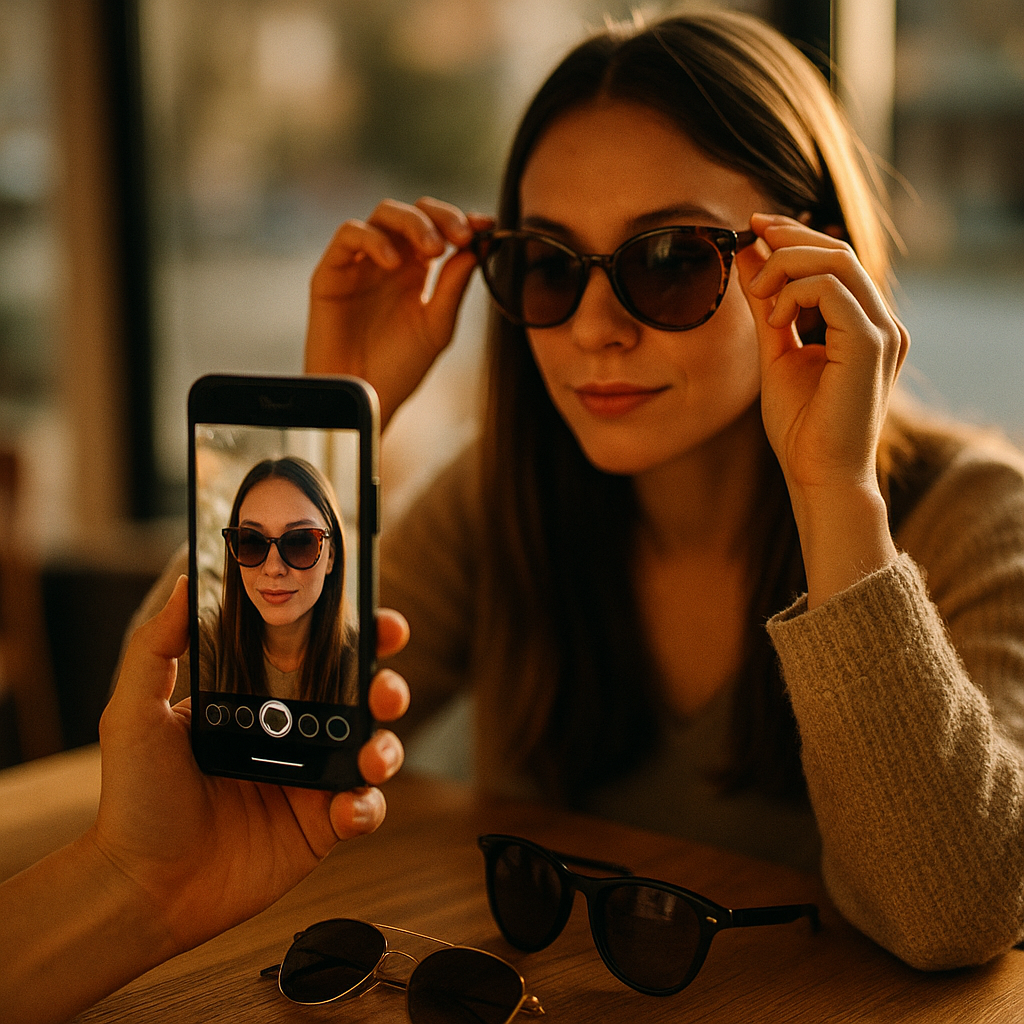
Sixty four percent of shoppers say they would use augmented reality to help decide what to buy, according to Statista consumer surveys, yet most brands still treat AR filters as a novelty stunt for launch week. That gap is the opportunity. AR filter branded content, built correctly, functions as a try before you buy asset that lives permanently on Instagram, TikTok, and Snapchat, generating impressions and conversions long after the campaign budget runs dry.
This is not about slapping a logo on a face filter. It’s about building interactive assets that solve a real purchase hesitation, whether that’s “will this shade match my skin tone” or “will these glasses look ridiculous on my face shape.” Done well, AR try on content shortens the path from discovery to checkout and quietly reduces the return rate headaches that plague ecommerce teams.
Why AR Filters Are Becoming a Core Conversion Asset, Not a Gimmick
The novelty era of branded AR is over. Early filters existed to generate shares and vanity metrics: funny dog ears, color changing backgrounds, branded confetti. That content had a shelf life of about a week and almost no measurable link to revenue. What’s changed is platform infrastructure. TikTok’s Effect House and Meta’s Spark AR (now folded into Meta’s broader creator tools) both allow brands to build filters with product tracking, try on mechanics, and direct shopping links embedded in the experience.
Brand teams are also under more pressure to prove ROI on every content dollar. A filter that gets three million views but zero attributable conversions is a hard sell to a CFO in this budget climate. AR try before you buy content flips that math because the interaction itself is the qualification signal. Someone who spends 20 seconds trying on a lipstick shade via filter is a warmer lead than someone who watched a 15 second video ad.
An AR filter interaction is not passive viewing. It is an active purchase simulation, and that behavioral signal is worth more to a media buyer than a view count ever was.
What Makes a Try On Filter Actually Convert
Not every AR filter drives sales. The difference between a filter that converts and one that just entertains comes down to three structural choices made before a single line of Effect House code gets written.
- Product accuracy over visual flash. Shoppers forgive a filter that looks slightly less polished if the shade, fit, or texture reads true to the real product. A foundation filter that makes every skin tone look flattering but inaccurate will spike returns, not prevent them.
- One tap path to purchase. The filter should link directly to the product page or a shoppable tag, not force the user to screenshot and search. Every extra step loses a meaningful chunk of intent.
- Creator demonstration first, filter second. A creator using the filter on camera, reacting honestly to how it looks, builds more trust than the filter existing in isolation on an explore page. This pairs naturally with formats covered in try on haul optimization briefs, where creators already demonstrate fit and sizing on camera.
Beauty and eyewear brands have led this category for an obvious reason: visual fit is the entire purchase decision. But the mechanic extends further than most teams realize. Furniture brands use AR to place a sofa in a real room. Automotive brands let users “apply” paint colors and trim packages to a 3D model. Even food and beverage brands have experimented with AR filters that visualize portion sizes or ingredient breakdowns, something that overlaps well with the transparency goals discussed in ingredient deep dive videos.
The Brief: What to Hand Your Creator and Your AR Developer
A weak brief is the single biggest reason AR filter projects blow their timeline. Marketing teams often approach this like a standard influencer campaign brief, when it actually needs two parallel tracks: one for the creator talent, one for the AR technical build.
For the creator track, specify the emotional beat you want captured. Are they meant to look surprised the shade matches? Skeptical, then convinced? This mirrors the honesty arc that works well in product comparison duets, where the audience trusts the reaction more than the product claim itself.
For the technical build, your brief needs to cover:
- Which platform the filter launches on first (TikTok Effect House, Instagram/Meta Spark AR, or Snapchat Lens Studio each have different reach and shopping integrations).
- Face tracking versus world tracking requirements, depending on whether the product sits on the body or in a physical space.
- Shopping tag placement and whether the brand is using native platform checkout or redirecting to a DTC site.
- Fallback experience for devices or app versions that don’t support the AR mechanic, so no user hits a dead end.
Budget realistically. A polished try on filter with accurate product mapping typically runs several weeks of developer time even before creator integration. Rushed filters look cheap, and a cheap looking AR experience does more brand damage than skipping AR entirely.
Where the Content Lives After Launch
The mistake most teams make is treating the filter launch as the finish line. In reality, the filter is infrastructure. The content built around it is what keeps generating impressions.
Plan a content calendar that reuses the filter across multiple formats. A creator’s initial reaction video works as a standalone post. The same footage can be recut into a shorter teaser using techniques from text overlay memes to hook cold audiences on the feed. Weeks later, a second wave of creators can duet or stitch the original filter demo, a tactic detailed in duet and stitch trends, which keeps the filter surfacing in recommendation algorithms rather than dying after week one.
Brands running seasonal or evergreen ambassador programs should treat the AR filter as a recurring prop rather than a one time asset. If an ambassador is documenting a multi month journey with a product, weaving the try on filter into that arc, similar to the structure in season long story arcs, keeps the interactive asset relevant instead of forgotten in a brand’s effect library.
A filter with no content plan behind it is just a tech demo. The revenue comes from the ongoing creator content that keeps sending traffic back to it.
Measuring What Actually Matters
Vanity metrics still tempt teams here: filter opens, total tries, shares. Those numbers look great in a slide deck but tell you almost nothing about revenue impact. Track instead:
- Try to cart rate. What percentage of people who open the filter add the product to cart within the same session?
- Return rate delta. Compare returns on products purchased after a filter interaction against products purchased without one. This is where AR try before you buy content proves its worth financially, and it’s the same logic driving return rate analysis in try on haul optimization work.
- Repeat filter usage. Users coming back to try a second or third shade or variant signal high purchase intent and are worth retargeting directly.
- Cross platform reach. Filters built once in Effect House or Spark AR often port with modification to other platforms, extending the useful life of the initial dev investment.
Platforms are increasingly building native analytics for this. TikTok Ads Manager and Meta Business Suite both offer effect performance dashboards that go beyond simple view counts, though brands still need to layer their own ecommerce attribution to close the loop between filter interaction and actual purchase.
Compliance Isn’t Optional Here
AR filters that make product claims, particularly around skin transformation, weight, or performance results, fall under the same disclosure scrutiny as any other branded content. The FTC has been explicit that augmented or altered visual representations of a product need clear disclosure if they could mislead a consumer about real world results. A skincare AR filter that shows unrealistically smooth skin “after” using a product treads into the same risk territory covered in before and after skincare videos guidance. If your filter simulates a result rather than a literal try on (color, fit, placement), get legal review before launch, not after a complaint.
Brands operating across regions should also check disclosure norms with resources like the ICO for UK audiences, since AR content often runs identically across markets without adaptation to local rules.
Getting Started Without Overbuilding
Teams new to this format don’t need a six figure AR development budget to test the concept. Start with a single SKU, a simple face or world tracking mechanic, and one creator partnership to validate the try to cart rate before scaling to a full effect library. Measure the return rate delta first. If it moves, the business case for expanding writes itself.
Frequently Asked Questions
What is AR filter branded content?
It’s sponsored or brand built augmented reality effects, deployed on platforms like TikTok, Instagram, or Snapchat, that let users virtually try on or visualize a product before purchasing, often paired with creator demonstration content and direct shopping links.
Which platform is best for launching a try before you buy AR filter?
It depends on the product and audience. TikTok’s Effect House suits fast, trend driven launches with a younger audience, Meta’s Spark AR tools integrate well with Instagram Shopping for established DTC brands, and Snapchat’s Lens Studio remains strong for beauty and eyewear try on due to its mature face tracking technology.
Does AR filter content actually reduce product returns?
Early data from beauty and apparel brands suggests it can, particularly for fit and shade accurate categories, because customers set more realistic expectations before buying. The return rate delta between filter assisted and non assisted purchases is the metric brands should track directly rather than relying on industry averages.
How long does it take to build a branded AR filter?
A polished, product accurate filter typically takes several weeks of developer time, plus additional time for creator integration and testing across devices. Rushed builds tend to look inaccurate, which can undermine trust rather than build it.
Do AR filters need FTC disclosure?
Yes, if the filter simulates or exaggerates a result rather than showing a literal, accurate try on experience. Any augmented visual that could mislead a consumer about real world product performance should carry clear disclosure and ideally legal review before launch.
Frequently Asked Questions
What is AR filter branded content?
It’s sponsored or brand built augmented reality effects, deployed on platforms like TikTok, Instagram, or Snapchat, that let users virtually try on or visualize a product before purchasing, often paired with creator demonstration content and direct shopping links.
Which platform is best for launching a try before you buy AR filter?
It depends on the product and audience. TikTok’s Effect House suits fast, trend driven launches with a younger audience, Meta’s Spark AR tools integrate well with Instagram Shopping for established DTC brands, and Snapchat’s Lens Studio remains strong for beauty and eyewear try on due to its mature face tracking technology.
Does AR filter content actually reduce product returns?
Early data from beauty and apparel brands suggests it can, particularly for fit and shade accurate categories, because customers set more realistic expectations before buying. The return rate delta between filter assisted and non assisted purchases is the metric brands should track directly rather than relying on industry averages.
How long does it take to build a branded AR filter?
A polished, product accurate filter typically takes several weeks of developer time, plus additional time for creator integration and testing across devices. Rushed builds tend to look inaccurate, which can undermine trust rather than build it.
Do AR filters need FTC disclosure?
Yes, if the filter simulates or exaggerates a result rather than showing a literal, accurate try on experience. Any augmented visual that could mislead a consumer about real world product performance should carry clear disclosure and ideally legal review before launch.
Start small: pick one high return SKU, build one accurate try on filter, and pair it with a single creator demo before committing to a full effect library. Track the try to cart rate and return rate delta for 30 days, then scale only what the numbers justify.
Top Influencer Marketing Agencies
The leading agencies shaping influencer marketing in 2026
Agencies ranked by campaign performance, client diversity, platform expertise, proven ROI, industry recognition, and client satisfaction. Assessed through verified case studies, reviews, and industry consultations.
Moburst

-
2

The Shelf
Boutique Beauty & Lifestyle Influencer AgencyA data-driven boutique agency specializing exclusively in beauty, wellness, and lifestyle influencer campaigns on Instagram and TikTok. Best for brands already focused on the beauty/personal care space that need curated, aesthetic-driven content.Clients: Pepsi, The Honest Company, Hims, Elf Cosmetics, Pure LeafVisit The Shelf → -
3

Audiencly
Niche Gaming & Esports Influencer AgencyA specialized agency focused exclusively on gaming and esports creators on YouTube, Twitch, and TikTok. Ideal if your campaign is 100% gaming-focused — from game launches to hardware and esports events.Clients: Epic Games, NordVPN, Ubisoft, Wargaming, Tencent GamesVisit Audiencly → -
4

Viral Nation
Global Influencer Marketing & Talent AgencyA dual talent management and marketing agency with proprietary brand safety tools and a global creator network spanning nano-influencers to celebrities across all major platforms.Clients: Meta, Activision Blizzard, Energizer, Aston Martin, WalmartVisit Viral Nation → -
5

The Influencer Marketing Factory
TikTok, Instagram & YouTube CampaignsA full-service agency with strong TikTok expertise, offering end-to-end campaign management from influencer discovery through performance reporting with a focus on platform-native content.Clients: Google, Snapchat, Universal Music, Bumble, YelpVisit TIMF → -
6

NeoReach
Enterprise Analytics & Influencer CampaignsAn enterprise-focused agency combining managed campaigns with a powerful self-service data platform for influencer search, audience analytics, and attribution modeling.Clients: Amazon, Airbnb, Netflix, Honda, The New York TimesVisit NeoReach → -
7

Ubiquitous
Creator-First Marketing PlatformA tech-driven platform combining self-service tools with managed campaign options, emphasizing speed and scalability for brands managing multiple influencer relationships.Clients: Lyft, Disney, Target, American Eagle, NetflixVisit Ubiquitous → -
8

Obviously
Scalable Enterprise Influencer CampaignsA tech-enabled agency built for high-volume campaigns, coordinating hundreds of creators simultaneously with end-to-end logistics, content rights management, and product seeding.Clients: Google, Ulta Beauty, Converse, AmazonVisit Obviously →