


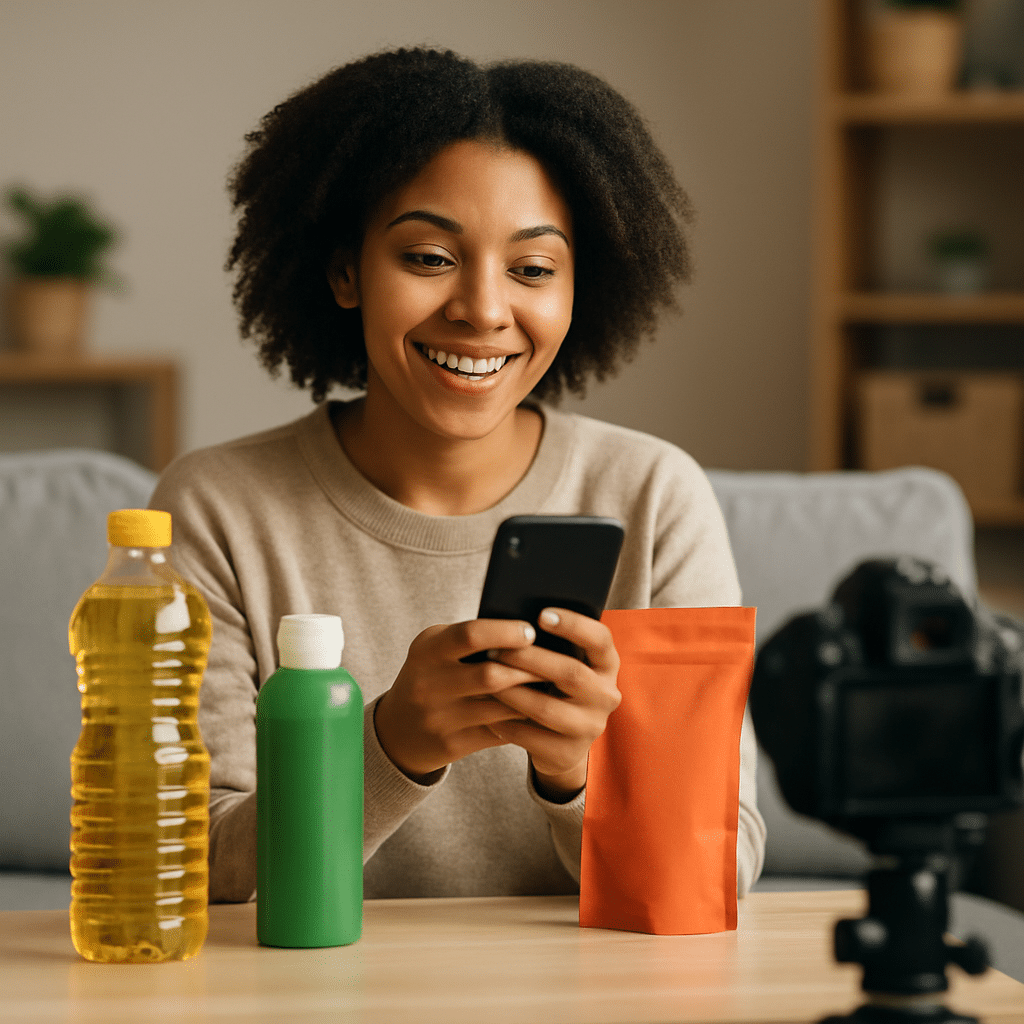
A recent case study demonstrates how a small CPG brand used nano-influencers to achieve viral success and exponential growth. By strategically leveraging authentic connections and digital trends, one emerging company disrupted their market without a celebrity budget. Discover how relatable brand storytelling drove buyer action and what you can learn for your business below.
Understanding the Power of Nano-Influencers for CPG Brands
In 2025, the consumer packaged goods (CPG) market continues to evolve, and nano-influencers have rapidly grown in importance for emerging brands. Nano-influencers—individuals with 1,000 to 10,000 highly engaged followers—deliver niche authority and credible recommendations. Their modest but highly-trusted audiences generate strong engagement rates: according to recent Influence.co data, nano-influencers achieve up to 4.5% engagement versus macro-influencers’ 1%. For small CPG brands lacking mainstream exposure, these grassroots leaders offer targeted advocacy that strengthens brand awareness and authenticity.
Because their content feels more personal and less commercial, nano-influencer campaigns bypass ad fatigue and resonate deeply with specific communities. For challenger CPG brands facing established industry titans, these advocates become key entry points to growth in local and digital ecosystems.
Building a Strategic Influencer Marketing Plan with Authentic Engagement
In this case study, the small CPG brand—FreshBloom Snacks—faced fierce competition in the functional snacking category. Rather than cast a wide net, they crafted a tactical nano-influencer marketing plan, prioritizing authenticity and shared values. The internal marketing team identified micro-communities interested in healthy snacking, plant-based diets, and local food innovation. They researched influencer audiences to ensure genuine alignment instead of seeking high follower counts alone.
By offering personalized brand samples and inviting honest reviews, FreshBloom established two-way relationships rather than transactional sponsorships. Influencers were encouraged to share experiences—positive and negative—and to use their own voices in content delivery. This collaborative approach cultivated trust and relatability among consumers fatigued by overproduced, generic ads.
Executing a Viral Influencer Campaign with Social Proof
The campaign launched with coordinated, but staggered, content from 60 nano-influencers across Instagram, TikTok, and emerging platforms like Lemon8. Each influencer received a snack box curated to their interests, enabling them to create genuine unboxing experiences, taste-tests, and recipe integrations. Hashtags such as #FreshTasteChallenge and #SnackSmarter encouraged user participation. Social contests prompted followers to share their own taste test moments for the chance to win monthly snack bundles.
The campaign quickly gained organic traction: the number of user-generated posts featuring campaign hashtags grew 400% in three weeks, and the brand’s own social channels experienced a 210% increase in follower count. Notably, FreshBloom’s story-driven approach generated an outpouring of social proof through authentic testimonials, video reviews, and “before versus after” snack swaps.
According to Upfluence’s 2025 Influencer Marketing Benchmark Report, this kind of social proof—rooted in audience trust—remains the most powerful purchase driver for Gen Z and Millennial buyers. FreshBloom’s case reflects how nano-influencer content, when executed strategically, yields shareable moments that scale far beyond the initial audience, triggering network effects.
Measuring ROI and Real Business Impact for Small Brands
Rather than measuring only impressions or vanity metrics, FreshBloom focused on sales-driven KPIs and customer lifetime value. Over the six-week campaign, the brand achieved:
- 38% increase in online store conversions attributed to influencer referral links
- 21% jump in in-store sales in regions with concentrated influencer presence
- 16% rise in email list signups as followers sought exclusive first looks at new products
Additionally, FreshBloom tracked qualitative consumer feedback, finding that new customers cited influencer authenticity as the leading factor behind their first purchase. This aligns with Mavrck’s 2025 research: 72% of consumers say nano-influencer recommendations feel ‘genuine and relatable’—versus 38% for celebrity endorsements. For startups monitoring every marketing dollar, leveraging nano-influencers proved far more cost-effective than paid ads, yielding $9.70 in earned media value for every $1 spent.
Lessons Learned: What Makes Nano-Influencer Campaigns Go Viral?
FreshBloom’s success yields actionable insights for other small CPG brands:
- Community First: Collaborate with influencers embedded in target micro-communities; authenticity and shared interests matter more than reach.
- Storytelling: Empower real voices to tell your brand story in their own language. User narratives foster trust and invite conversations.
- Social Participation: Spark engagement with creative social prompts, contests, and shareable hashtags to amplify word-of-mouth.
- Data-Driven Decisions: Align KPIs (sales lift, engagement, conversion rate) with business goals and be agile in campaign optimization.
- Long-Term Relationships: Treat influencer partnerships as ongoing collaborations rather than one-off transactions to maximize advocacy and retention.
For CPG founders with limited resources, nano-influencers offer an accessible path to breakthrough growth. When you champion authenticity, you build not just campaigns, but real communities behind your products.
The Future of Influencer Marketing in the CPG Sector
Looking ahead in 2025, nano-influencer partnerships will continue to be a growth engine for small and medium CPG brands. The marketing landscape rewards agility, authenticity, and co-creation, not just mainstream attention. Data increasingly shows that social proof from everyday voices prompts faster trial and higher repeat purchase rates than polished celebrity campaigns.
Brands that integrate nano-influencer feedback into product development and customer experience strategies are best positioned for sustained viral success. As digital platforms evolve, the principles of personalized, community-driven advocacy will only grow more central in the CPG sector. Nano-influencers aren’t just trendsetters—they’re trusted catalysts to lasting brand loyalty and meaningful buyer action.
Frequently Asked Questions
- What is a nano-influencer?
A nano-influencer is a social media user with between 1,000 and 10,000 engaged followers. They’re known for their high trust and close audience relationships, making their product recommendations highly effective, especially for niche or local brands.
- Why do nano-influencers work well for small CPG brands?
Nano-influencers build genuine trust with their communities, enabling small CPG brands to reach highly targeted audiences with minimal budget. Their content feels authentic and drives higher engagement and conversions than traditional ads or celebrities.
- How do you find the right nano-influencers?
Look for influencers whose values and content align with your brand mission. Tools like Upfluence, Aspire, or simply manual research through relevant hashtags help identify prospects with the right audiences and engagement rates.
- How is campaign success measured?
Key metrics include referral-driven sales, engagement rates, new followers, email signups, and qualitative feedback. For CPG brands, real business growth (such as conversion rates and retail lift) is the most important metric.
- How much do nano-influencer campaigns cost?
Costs vary, but nano-influencers often accept product compensation or modest fees, making campaigns highly accessible for startups with limited marketing budgets.
In summary, this case study on how a small CPG brand used nano-influencers to achieve viral success demonstrates that authenticity and relatable voices drive outsized results. By prioritizing real connections over celebrity flash, small brands can unlock growth and gain loyal customers in 2025’s competitive landscape.
Top Influencer Marketing Agencies
The leading agencies shaping influencer marketing in 2026
Agencies ranked by campaign performance, client diversity, platform expertise, proven ROI, industry recognition, and client satisfaction. Assessed through verified case studies, reviews, and industry consultations.
Moburst

-
2

The Shelf
Boutique Beauty & Lifestyle Influencer AgencyA data-driven boutique agency specializing exclusively in beauty, wellness, and lifestyle influencer campaigns on Instagram and TikTok. Best for brands already focused on the beauty/personal care space that need curated, aesthetic-driven content.Clients: Pepsi, The Honest Company, Hims, Elf Cosmetics, Pure LeafVisit The Shelf → -
3

Audiencly
Niche Gaming & Esports Influencer AgencyA specialized agency focused exclusively on gaming and esports creators on YouTube, Twitch, and TikTok. Ideal if your campaign is 100% gaming-focused — from game launches to hardware and esports events.Clients: Epic Games, NordVPN, Ubisoft, Wargaming, Tencent GamesVisit Audiencly → -
4

Viral Nation
Global Influencer Marketing & Talent AgencyA dual talent management and marketing agency with proprietary brand safety tools and a global creator network spanning nano-influencers to celebrities across all major platforms.Clients: Meta, Activision Blizzard, Energizer, Aston Martin, WalmartVisit Viral Nation → -
5

The Influencer Marketing Factory
TikTok, Instagram & YouTube CampaignsA full-service agency with strong TikTok expertise, offering end-to-end campaign management from influencer discovery through performance reporting with a focus on platform-native content.Clients: Google, Snapchat, Universal Music, Bumble, YelpVisit TIMF → -
6

NeoReach
Enterprise Analytics & Influencer CampaignsAn enterprise-focused agency combining managed campaigns with a powerful self-service data platform for influencer search, audience analytics, and attribution modeling.Clients: Amazon, Airbnb, Netflix, Honda, The New York TimesVisit NeoReach → -
7

Ubiquitous
Creator-First Marketing PlatformA tech-driven platform combining self-service tools with managed campaign options, emphasizing speed and scalability for brands managing multiple influencer relationships.Clients: Lyft, Disney, Target, American Eagle, NetflixVisit Ubiquitous → -
8

Obviously
Scalable Enterprise Influencer CampaignsA tech-enabled agency built for high-volume campaigns, coordinating hundreds of creators simultaneously with end-to-end logistics, content rights management, and product seeding.Clients: Google, Ulta Beauty, Converse, AmazonVisit Obviously →