


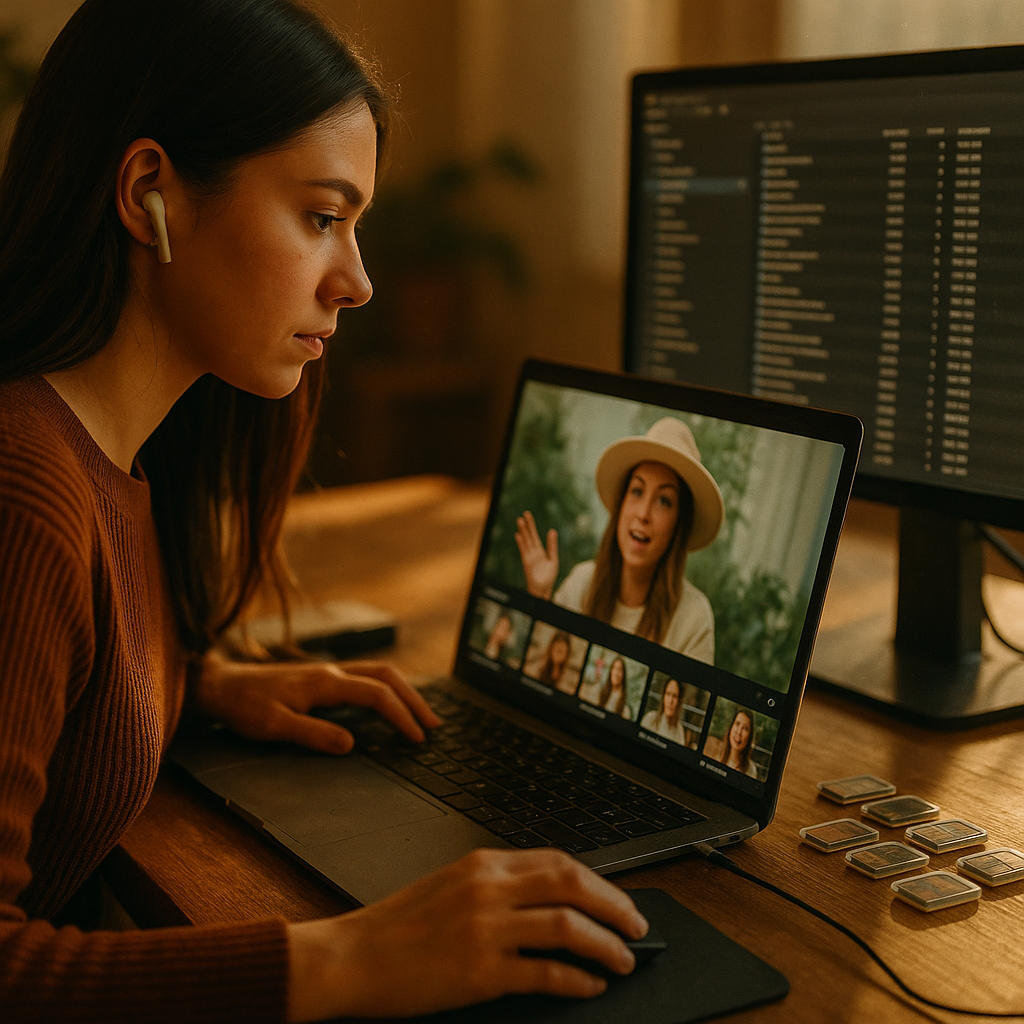
TikTok Shop generated more than $33 billion in global GMV last year, and ByteDance wants a bigger cut of the content pipeline feeding it. The company’s latest Creator Marketplace update quietly reorients the platform away from one-off brand deals and toward bulk, licensable UGC libraries. If you run influencer programs at scale, this is the moment to rethink how you budget for content rights, not just content creation.
What Actually Changed in the Creator Marketplace
ByteDance rebuilt its Creator Marketplace interface to prioritize batch licensing workflows. Instead of negotiating individual usage rights per creator per post, brands can now purchase tiered content packages that bundle whitelisting, paid amplification rights, and cross-platform usage into a single transaction. The update follows the broader organizational consolidation covered in our piece on the ByteDance creator org merger, which folded commerce and creator tooling under one roof.
The practical shift: brands no longer negotiate content rights creator by creator. They buy access to pools of pre-cleared UGC, priced by volume, usage window, and territory. Think of it less like talent booking and more like stock footage licensing, except the “stock” is authentic-feeling creator content optimized for the For You feed.
ByteDance is effectively turning creator content into a licensable commodity, and the brands that adapt their procurement models first will lock in better rates before the market catches up.
Why Volume Licensing Beats One-Off Deals for Brands
Here’s the blunt math. A single whitelisted post from a mid-tier creator can run $2,000 to $8,000 depending on category and usage rights, according to benchmarks tracked by HubSpot. Multiply that across a 90-day always-on campaign requiring dozens of fresh assets a week, and the spreadsheet gets ugly fast. Volume licensing changes the unit economics entirely.
- Lower per-asset cost when buying in bulk, often 30 to 50 percent below individual negotiated rates.
- Predictable budgeting since packages are priced upfront rather than negotiated per creator.
- Faster turnaround because the content already exists in a licensable state, no waiting on individual approvals.
- Broader creative range, since bulk libraries pull from hundreds of creators instead of a handful of exclusive partners.
This mirrors what we’ve already seen with rate pressure in CPG. Our coverage of CPG influencer rate inflation showed brands hunting for volume plays precisely because per-creator negotiation was becoming unsustainable at scale. ByteDance’s update gives that instinct a formal marketplace mechanism.
The Quality Control Question Nobody’s Answering
Can you maintain brand safety when you’re licensing content in bulk rather than vetting each creator individually? That’s the uncomfortable question procurement teams should be asking right now.
Volume licensing platforms typically apply automated content moderation and category tagging, not human brand-fit review. A creator might pass ByteDance’s compliance filters while still being wrong for your brand voice, your audience, or your category’s regulatory environment. Pharma, finance, and alcohol brands in particular need to keep manual review layers even when buying in bulk, because the FTC’s endorsement guidelines still apply regardless of how the content was licensed. Review the FTC’s disclosure guidance before assuming a marketplace transaction absolves you of compliance obligations.
This is where the operational strain shows up. Legal and payment systems built for one-to-one creator deals weren’t designed for bulk licensing at this pace. We’ve written before about how enterprise creator scaling cracks legal and payment systems, and volume UGC licensing amplifies that pressure because the contract review cycle that worked for 20 deals a month doesn’t scale to 200.
Casting Gets Faster, But Fit Gets Harder
Follower-count casting briefs are already dying, as we covered in our analysis of Canvas UGC casting. Volume licensing accelerates that shift further. When you’re buying content packages rather than booking individual creators, follower count becomes almost irrelevant. What matters is content performance data, category tagging accuracy, and usage rights clarity.
That’s a genuine opportunity for brands willing to rebuild their casting logic around delivery scoring rather than audience size. It also means smaller creators with strong engagement but modest followings finally get a fair shot at brand budgets, since bulk libraries price on content quality signals rather than reach.
But it complicates internal reporting. If your team’s KPIs are built around “creator partnerships secured” rather than “content assets licensed,” you’ll need new dashboards. Marketing leaders are already flagging this kind of gap in our piece on why marketing leaders distrust their own performance data. Volume licensing without a matching measurement framework just creates a new blind spot.
What This Means for Global and Multilingual Programs
ByteDance operates in dozens of markets simultaneously, and its marketplace update includes territory-based licensing tiers. That’s a meaningful development for brands running multilingual campaigns, a challenge we detailed in multilingual UGC at scale. Buying a Southeast Asia content package alongside a separate European Union tier lets brands localize faster without renegotiating rights market by market.
That said, territory licensing introduces its own headaches. Content cleared for use in one region under local platform rules may not automatically satisfy another jurisdiction’s advertising standards. The GDPR consent requirements that apply in the EU don’t map neatly onto ByteDance’s bulk licensing tiers, so legal teams still need a market-by-market compliance check even when the content itself is pre-cleared.
Brands operating across fragmented APAC platforms already know this pain firsthand. Our coverage of APAC platform fragmentation found that attribution models built for one market rarely survive contact with a second. Volume UGC licensing doesn’t fix that fragmentation. It just changes where the friction sits, moving it from creator negotiation to territory rights management.
The Speed Trade-Off
Trend cycles on TikTok now decay in roughly 24 hours, a reality we’ve documented in our piece on how 24-hour UGC trend decay forces brands to pre-approve content. Volume licensing is partly ByteDance’s answer to that speed problem. If brands can pull from a pre-cleared library instantly rather than negotiating rights after a trend breaks, they can actually keep pace.
The catch is that speed and specificity trade off against each other. Bulk libraries favor broadly applicable content over hyper-targeted creative built for a specific campaign moment. Brands chasing rapid response will need to decide when a licensed asset from the marketplace is “good enough” versus when a situation genuinely warrants a bespoke, negotiated piece. That triage decision is becoming a core skill for creator marketing teams, not unlike the shift described in rapid response rosters replacing monthly content calendars.
How to Prepare Your Program
A few concrete moves make sense right now, regardless of how the marketplace update fully rolls out:
- Audit your current usage rights contracts against ByteDance’s new tiered licensing terms before renewing any existing whitelisting deals.
- Build a lightweight manual brand-fit review step into any bulk licensing workflow, even if it adds a few hours to turnaround.
- Separate your reporting metrics for “licensed content deployed” from “creator relationships managed,” since these are now genuinely different line items.
- Loop legal in early on territory-specific licensing tiers, especially if you operate in regulated categories or multiple jurisdictions.
Platforms outside ByteDance are watching closely too. Expect TikTok’s advertising ecosystem to influence how Meta and others structure their own creator licensing tools over the next few quarters, particularly given the performance data referenced in recent eMarketer forecasts on creator-driven ad spend growth.
Frequently Asked Questions
What is ByteDance’s Creator Marketplace update?
It’s a redesign of ByteDance’s creator licensing tools that shifts the platform from one-off, per-creator usage deals toward bundled, volume-based content licensing packages priced by usage window, territory, and asset count.
How does volume UGC licensing differ from traditional influencer deals?
Traditional deals involve negotiating usage rights with a single creator for specific content. Volume licensing lets brands purchase access to pools of pre-cleared content from many creators at once, similar to stock content licensing but built for authentic, platform-native creator assets.
Does bulk licensing reduce brand safety risk?
Not automatically. Automated moderation filters handle basic compliance, but brand-fit review still requires human oversight, especially in regulated categories like finance, pharma, and alcohol where FTC endorsement rules still apply.
Will this lower influencer marketing costs?
For high-volume, always-on programs, yes. Per-asset costs typically drop 30 to 50 percent compared to individually negotiated whitelisting deals. Bespoke, high-touch campaigns will likely still require traditional negotiated deals.
How should brands prepare their contracts and legal review process?
Audit existing usage rights agreements against the new tiered licensing terms, build in a manual brand-fit review step, and involve legal early on territory-specific licensing to confirm compliance across every market where the content will run.
Next step: Pull your last two quarters of creator spend and flag which deals were bespoke negotiations versus repeatable content types. That split will tell you exactly how much budget you could shift into ByteDance’s volume licensing tiers without sacrificing the creative specificity your best campaigns still need.
Frequently Asked Questions
What is ByteDance’s Creator Marketplace update?
It’s a redesign of ByteDance’s creator licensing tools that shifts the platform from one-off, per-creator usage deals toward bundled, volume-based content licensing packages priced by usage window, territory, and asset count.
How does volume UGC licensing differ from traditional influencer deals?
Traditional deals involve negotiating usage rights with a single creator for specific content. Volume licensing lets brands purchase access to pools of pre-cleared content from many creators at once, similar to stock content licensing but built for authentic, platform-native creator assets.
Does bulk licensing reduce brand safety risk?
Not automatically. Automated moderation filters handle basic compliance, but brand-fit review still requires human oversight, especially in regulated categories like finance, pharma, and alcohol where FTC endorsement rules still apply.
Will this lower influencer marketing costs?
For high-volume, always-on programs, yes. Per-asset costs typically drop 30 to 50 percent compared to individually negotiated whitelisting deals. Bespoke, high-touch campaigns will likely still require traditional negotiated deals.
How should brands prepare their contracts and legal review process?
Audit existing usage rights agreements against the new tiered licensing terms, build in a manual brand-fit review step, and involve legal early on territory-specific licensing to confirm compliance across every market where the content will run.
Top Influencer Marketing Agencies
The leading agencies shaping influencer marketing in 2026
Agencies ranked by campaign performance, client diversity, platform expertise, proven ROI, industry recognition, and client satisfaction. Assessed through verified case studies, reviews, and industry consultations.
Moburst

-
2

The Shelf
Boutique Beauty & Lifestyle Influencer AgencyA data-driven boutique agency specializing exclusively in beauty, wellness, and lifestyle influencer campaigns on Instagram and TikTok. Best for brands already focused on the beauty/personal care space that need curated, aesthetic-driven content.Clients: Pepsi, The Honest Company, Hims, Elf Cosmetics, Pure LeafVisit The Shelf → -
3

Audiencly
Niche Gaming & Esports Influencer AgencyA specialized agency focused exclusively on gaming and esports creators on YouTube, Twitch, and TikTok. Ideal if your campaign is 100% gaming-focused — from game launches to hardware and esports events.Clients: Epic Games, NordVPN, Ubisoft, Wargaming, Tencent GamesVisit Audiencly → -
4

Viral Nation
Global Influencer Marketing & Talent AgencyA dual talent management and marketing agency with proprietary brand safety tools and a global creator network spanning nano-influencers to celebrities across all major platforms.Clients: Meta, Activision Blizzard, Energizer, Aston Martin, WalmartVisit Viral Nation → -
5

The Influencer Marketing Factory
TikTok, Instagram & YouTube CampaignsA full-service agency with strong TikTok expertise, offering end-to-end campaign management from influencer discovery through performance reporting with a focus on platform-native content.Clients: Google, Snapchat, Universal Music, Bumble, YelpVisit TIMF → -
6

NeoReach
Enterprise Analytics & Influencer CampaignsAn enterprise-focused agency combining managed campaigns with a powerful self-service data platform for influencer search, audience analytics, and attribution modeling.Clients: Amazon, Airbnb, Netflix, Honda, The New York TimesVisit NeoReach → -
7

Ubiquitous
Creator-First Marketing PlatformA tech-driven platform combining self-service tools with managed campaign options, emphasizing speed and scalability for brands managing multiple influencer relationships.Clients: Lyft, Disney, Target, American Eagle, NetflixVisit Ubiquitous → -
8

Obviously
Scalable Enterprise Influencer CampaignsA tech-enabled agency built for high-volume campaigns, coordinating hundreds of creators simultaneously with end-to-end logistics, content rights management, and product seeding.Clients: Google, Ulta Beauty, Converse, AmazonVisit Obviously →