


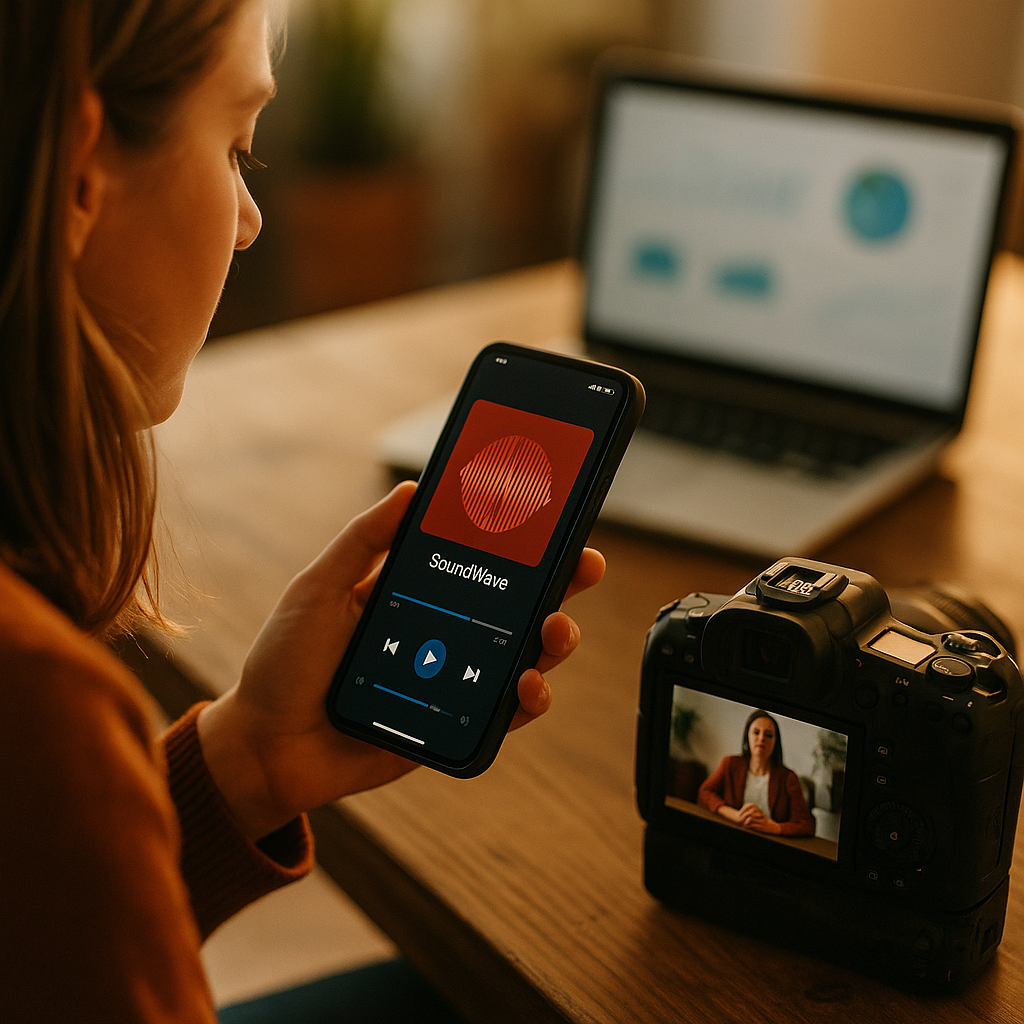
Discover how a leading brand optimized its influencer strategy mid-year, driving impressive engagement and ROI gains. In this case study, we analyze actionable steps and key decisions behind the successful pivot—revealing what worked, common pitfalls to avoid, and expert insights. Ready to uncover the lessons that can transform your own influencer marketing efforts?
Identifying the Need for a Mid-Year Influencer Strategy Pivot
Seasonal shifts, changing consumer preferences, and evolving social platforms often force brands to reevaluate their influencer marketing approach. In 2025, consumer electronics company SoundWave noticed diminishing returns across its influencer partnerships after a strong Q1. Engagement rates dropped 27%, while branded hashtags saw a 40% fall in usage compared to the previous period.
The in-house marketing team conducted a comprehensive audit, identifying several root causes:
- Over-reliance on mega-influencers with large but disengaged followings
- Content fatigue among target Gen Z and Millennial audiences
- Emergence of new platforms (like Threads) and formats (short-form reviews, livestream shopping)
By recognizing these early warning signs and embracing an agile mindset, SoundWave positioned itself for a strategy overhaul. They prioritized data-driven decision-making and transparency, upholding Google’s EEAT pillars for trustworthy, expert-led adaptation.
Drawing on Data and Audience Insights for an Effective Pivot
SoundWave’s success hinged on robust analytics. Rather than guessing, the brand invested in audience sentiment analysis and real-time influencer performance dashboards. Leveraging tools like CreatorIQ and Brandwatch, SoundWave mapped:
- Which content types drove the most authentic commentary
- Key behavioral shifts—such as fans migrating to TikTok from Instagram
- Micro-influencers outperforming celebrities in terms of comment quality and conversion
This objective approach revealed the importance of relatability and authenticity. Gen Z buyers, in particular, desired honest reviews from smaller creators who mirrored their digital habits. After thorough audience mapping, SoundWave realigned its influencer shortlists and engagement models.
By blending qualitative feedback with quantitative analysis, the brand established new benchmarks for evaluating partnership success—embracing a holistic understanding of value beyond vanity metrics.
Implementing the New Influencer Branding Approach
SoundWave’s revised influencer branding approach focused on three pillars: micro-influencer empowerment, emerging platforms, and creator autonomy.
- Micro-Influencer Partnerships: The team onboarded 120 micro-influencers (10k–50k followers) from diverse backgrounds and interests, ranging from gaming streamers to music educators. These creators produced behind-the-scenes stories, product unboxings, and in-depth audio tests.
- Platform Diversification: SoundWave scaled its presence on Threads and TikTok Shop, investing in native content rather than repurposing legacy posts. Micro-reviews, live Q&As, and duet challenges brought the brand closer to real-time customer engagement.
- Creator Autonomy: Influencers received broad briefs, not scripts—leading to genuine storytelling that resonated with each creator’s unique audience. SoundWave incentivized honesty, encouraging influencers to share pros and cons, building trust through transparency.
The new strategy preserved creative freedom while aligning with SoundWave’s identity, upholding expertise and authenticity. This collaborative model yielded richer, more credible content—amplifying discoverability in a competitive market.
Measuring Results: ROI, Engagement, and Brand Sentiment
Within four months of the pivot, SoundWave’s KPIs showed substantial improvements:
- Engagement Rates: Average post engagement grew from 1.9% to 5.4%—nearly triple the industry standard for electronics in 2025 (Klear Trends Report).
- Brand Sentiment: Positive brand sentiment increased by 46%, as measured by Net Promoter Score (NPS) and social sentiment analysis.
- Sales Uplift: Influencer-driven promo codes accounted for 18% of direct online sales—a 210% increase from Q1 metrics.
SoundWave tracked conversions across distinct influencer tiers, learning that micro-influencers generated 62% of that uplift. User-generated content also spiked, fostering a self-sustaining community of advocates. These concrete results underlined the value of flexibility, data-informed pivots, and relationship-first influencer marketing.
Lessons Learned: Key Takeaways for Marketers in 2025
SoundWave’s mid-year influencer strategy pivot offers actionable guidance for brands navigating the evolving digital landscape:
- Agility Matters: Quarterly audits and open feedback channels enable brands to course-correct before campaigns underperform.
- Prioritize Authenticity: In 2025, consumer trust hinges on honest content—even if it means showing product flaws.
- Invest in Micro-Influencers: Niche creators boast higher relatability and drive deeper engagement compared to mega-stars.
- Diversify Platforms: Experimentation with new channels and formats is essential for meeting evolving audience behaviors.
- Focus on Relationship-Building: Long-term collaborations yield better ROI than one-off sponsored posts.
For marketers, the message is clear: strategic pivots, backed by real-time data and a people-first mindset, are the hallmarks of influencer marketing success in 2025 and beyond.
Expert Insights and Industry Perspectives on Influencer Marketing Trends
Industry insiders echo SoundWave’s embrace of micro-influencers and authentic storytelling. According to Influencer Marketing Hub’s 2025 report, 87% of brands now invest more in nano and micro-influencer activations than in macro partnerships. Brand authenticity and transparency command loyalty, while short-form and live video content dominate discovery.
Analytics firm WeAreSocial highlights the growing importance of cross-platform reach and real-time feedback loops. Brands tracking performance through qualified first-party data and fostering direct influencer relationships can better weather algorithm changes and consumer mood swings.
Ultimately, brands that nurture two-way dialogue with both creators and their audiences position themselves to outpace competitors—no matter how quickly the market shifts.
Conclusion
SoundWave’s case study demonstrates how a brand can successfully pivot its influencer strategy mid-year and achieve remarkable growth. By acting on data, embracing authentic voices, and committing to creative partnership, brands in 2025 can future-proof their influencer campaigns while delivering measurable results.
FAQs: Pivoting an Influencer Strategy
-
How do I know if my influencer strategy needs a pivot?
Watch for declining engagement, lower referral traffic, or shifts in audience behavior. Regularly audit performance data and gather qualitative feedback from influencers and followers to spot early warning signs.
-
Are micro-influencers really more effective in 2025?
Yes. Industry data reveals that micro-influencers offer higher relatability, trust, and engagement rates, often leading to better conversion than partnering solely with major celebrities.
-
What platforms should brands prioritize when shifting strategy?
Stay flexible. In 2025, platforms like TikTok, Threads, and emerging niche communities are vital for reaching younger and more engaged audiences. Constantly monitor platform trends to stay ahead.
-
How can brands maintain trust with audiences during strategy changes?
Be transparent with both influencers and followers. Encourage honest reviews, disclose sponsored content, and build relationships through authentic dialogue rather than just transactional posts.
Top Influencer Marketing Agencies
The leading agencies shaping influencer marketing in 2026
Agencies ranked by campaign performance, client diversity, platform expertise, proven ROI, industry recognition, and client satisfaction. Assessed through verified case studies, reviews, and industry consultations.
Moburst

-
2

The Shelf
Boutique Beauty & Lifestyle Influencer AgencyA data-driven boutique agency specializing exclusively in beauty, wellness, and lifestyle influencer campaigns on Instagram and TikTok. Best for brands already focused on the beauty/personal care space that need curated, aesthetic-driven content.Clients: Pepsi, The Honest Company, Hims, Elf Cosmetics, Pure LeafVisit The Shelf → -
3

Audiencly
Niche Gaming & Esports Influencer AgencyA specialized agency focused exclusively on gaming and esports creators on YouTube, Twitch, and TikTok. Ideal if your campaign is 100% gaming-focused — from game launches to hardware and esports events.Clients: Epic Games, NordVPN, Ubisoft, Wargaming, Tencent GamesVisit Audiencly → -
4

Viral Nation
Global Influencer Marketing & Talent AgencyA dual talent management and marketing agency with proprietary brand safety tools and a global creator network spanning nano-influencers to celebrities across all major platforms.Clients: Meta, Activision Blizzard, Energizer, Aston Martin, WalmartVisit Viral Nation → -
5

The Influencer Marketing Factory
TikTok, Instagram & YouTube CampaignsA full-service agency with strong TikTok expertise, offering end-to-end campaign management from influencer discovery through performance reporting with a focus on platform-native content.Clients: Google, Snapchat, Universal Music, Bumble, YelpVisit TIMF → -
6

NeoReach
Enterprise Analytics & Influencer CampaignsAn enterprise-focused agency combining managed campaigns with a powerful self-service data platform for influencer search, audience analytics, and attribution modeling.Clients: Amazon, Airbnb, Netflix, Honda, The New York TimesVisit NeoReach → -
7

Ubiquitous
Creator-First Marketing PlatformA tech-driven platform combining self-service tools with managed campaign options, emphasizing speed and scalability for brands managing multiple influencer relationships.Clients: Lyft, Disney, Target, American Eagle, NetflixVisit Ubiquitous → -
8

Obviously
Scalable Enterprise Influencer CampaignsA tech-enabled agency built for high-volume campaigns, coordinating hundreds of creators simultaneously with end-to-end logistics, content rights management, and product seeding.Clients: Google, Ulta Beauty, Converse, AmazonVisit Obviously →