


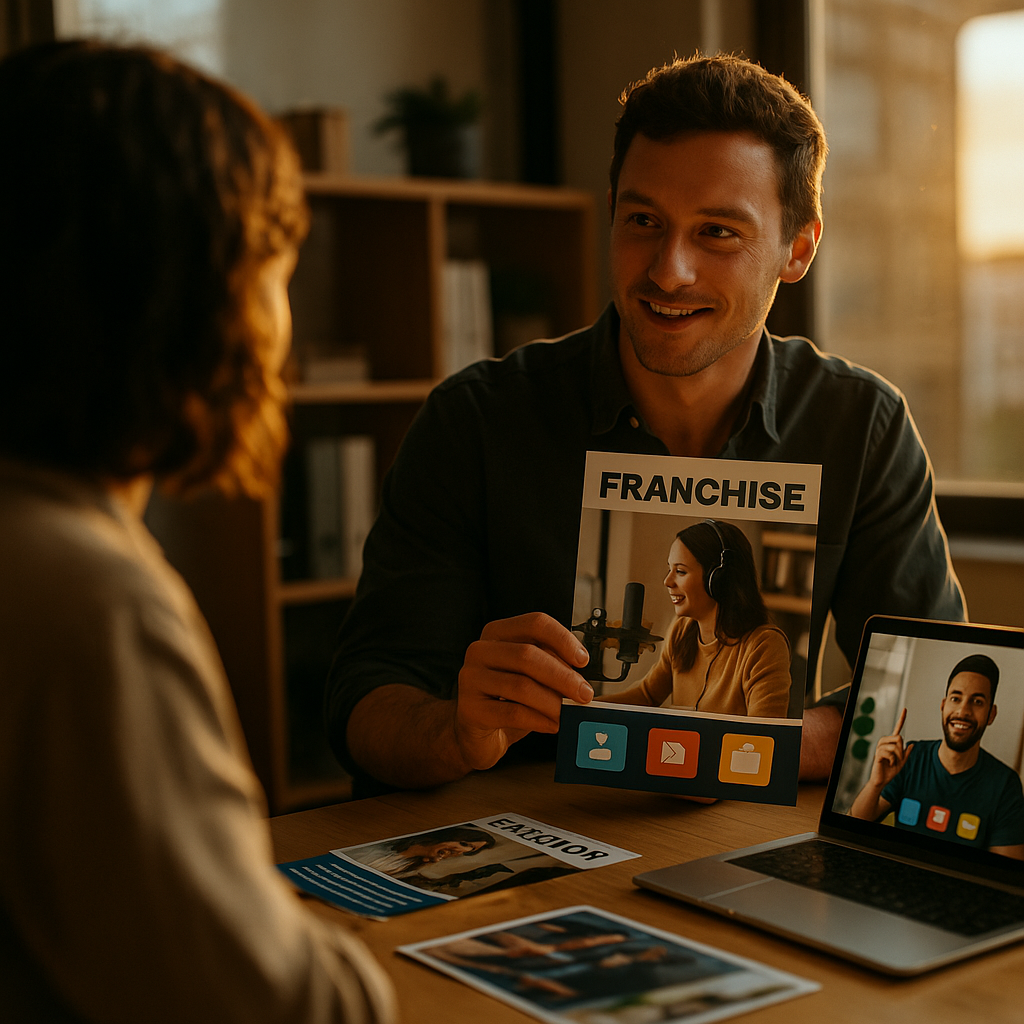
The franchise model of influence is redefining digital marketing as top creators now launch their own creator teams. By extending their personal brands, these creators tap new audiences, diversify revenues, and reshape the creator economy. What’s fueling this surge—and how can both brands and aspiring influencers benefit from the rise of creator franchises? Let’s dig in.
Understanding the Franchise Model in the Creator Economy
The franchise model in the creator space operates much like it does in traditional business: a prominent creator establishes a brand, process, and audience, then recruits and mentors a group of hand-picked creators operating under their umbrella. This “creator team” leverages the leader’s established reputation, production resources, and audience reach, while introducing fresh content and perspectives through new voices.
Why is this model gaining popularity in 2025? Audiences crave authenticity, but also value content variety and consistency—something individual creators can struggle to maintain alone. By franchising their influence, creators ensure regular uploads, cover more niches, and prevent burnout, all while amplifying community impact.
Advantages for Top Creators: Scalable Personal Brands
For established digital creators, launching a creator team offers significant growth opportunities. The franchise model enables creators to:
- Expand their personal brand: By branching into different content pillars or genres, creators can capture new demographics and adapt to shifting trends.
- Gain diversified income streams: Through revenue-sharing arrangements, franchises generate income from team content, partnerships, and even merchandising or licensing deals.
- Foster community and mentorship: Leaders can guide the next generation of creators, building loyalty and a positive reputation for supporting emerging talent in their industry.
- Increase content output and efficiency: With a team structure, leaders can sustain posting schedules across multiple platforms, preventing audience fatigue.
This shift isn’t just a financial play—it’s also about sustainability. Burnout rates among creators historically run high, but with support from a dedicated team, creators can collaborate, share workloads, and maintain wellness.
Opportunities for Aspiring Influencers: Fast-Track Entry and Skill Growth
For up-and-coming influencers, joining a franchise offers a compelling route into a saturated creator economy. The benefits include:
- Access to established audiences: Affiliating with a top creator accelerates follower growth and engagement, bypassing the slow, organic climb.
- Professional training and resources: Teams provide equipment, editing support, and strategic coaching—valuable assets in an increasingly competitive field.
- Monetization and brand deals: New creators often struggle to attract sponsors, but a franchise’s reputation opens doors to lucrative collaborations, even for relative newcomers.
- Community and networking: Teams foster cross-promotion and knowledge sharing, turning solitary content creation into a supportive, growth-focused ecosystem.
This model also appeals to brands seeking diverse creator rosters for campaigns, offering a shortcut to a curated, trusted pool of talent rather than working with unproven individuals.
Brand Partnerships: Leveraging Creator Teams for Authentic Reach
From a marketing perspective, working with a franchise model delivers several key advantages. Brands can:
- Scale campaigns quickly: One team leader facilitates collaboration with multiple creators at once, streamlining influencer marketing operations.
- Maintain consistent brand messaging: Franchise leaders set content standards, ensuring brand values are upheld across all team content.
- Tap specialized niches: Teams often cover related but unique sub-genres, allowing brands to target specific segments under a unified partnership.
- Reduce risk: Brands benefit from the established reputations and professionalism of franchise leaders, minimizing incidences of PR issues or underperformance.
Recent case studies highlight brands reporting a 25% boost in ROI when partnering with established creator teams versus solo influencers in 2025, underlining the model’s growing effectiveness.
Challenges and Ethical Considerations in the Franchise Model
While promising, the franchise model of influence comes with notable hurdles. Authenticity remains a concern; critics argue that team-produced content may feel overly manufactured if not managed carefully. Additionally, power imbalances between leaders and new creators can create issues around revenue sharing, credit, and creative control.
To address these, leading franchises in 2025 are implementing:
- Transparent contracts detailing revenue splits, rights, and creative input.
- Ethical leadership training for team heads to foster healthy, equitable environments.
- Clear content guidelines to preserve authenticity and ensure each creator’s voice is respected.
The most successful creator franchises remain those that balance scale with creative freedom—proving that sustainable growth relies on a foundation of mutual respect and transparent practices.
Future Trends: How the Franchise Model Is Evolving in 2025
As the creator economy matures, the franchise model is advancing in several directions:
- Cross-platform synergy: Teams increasingly operate across major platforms—from TikTok and YouTube to podcasting and live streaming—maximizing touchpoints with audiences.
- AI-powered content management: Leaders deploy AI analytics to match creators to their most engaged audiences, tailor brand campaigns, and track performance in real time.
- Verticalized franchises: Niche creator teams—such as those focused on education, sustainability, or gaming—are emerging, catering to highly targeted brand sponsorships.
- Decentralized governance: Next-gen franchises are shifting away from traditional hierarchies, adopting more collaborative or even DAO-inspired structures for decision-making.
These advancements promise to further democratize influence, making the franchise model a vital part of digital-first marketing strategies in 2025 and beyond.
FAQs about the Franchise Model of Influence
- What is the franchise model in influencer marketing?
The franchise model involves established creators forming teams of vetted collaborators who operate under their brand, sharing audiences, resources, and revenue while maintaining creative individuality within set guidelines. - How do creator teams make money?
Teams generate income through direct brand partnerships, ad revenue sharing, merchandising, and sometimes subscription models. Revenue is typically distributed based on contracts negotiated with the team leader. - Is joining a creator franchise better than going solo?
For new or mid-level creators, joining a franchise often brings faster audience growth, learning opportunities, and access to lucrative partnerships. However, solo creators may retain more creative control and direct earnings. - What should creators look for in a franchise contract?
Key points include revenue split terms, creative rights, duration, expectations on content output, and exit clauses. Transparency is critical to ensure fair treatment and creative freedom. - Can any brand work with creator franchises?
Most brands can, but successful partnerships depend on audience alignment, shared values, and the franchise’s reputation. Due diligence and clear communication are vital for effective collaborations.
The franchise model of influence gives both creators and brands new ways to scale, diversify, and innovate within the digital arena. By emphasizing collaboration, shared resources, and authentic connection, creator teams are shaping the next wave of sustainable, impactful influencer marketing. Now is the time to explore this new frontier.
Top Influencer Marketing Agencies
The leading agencies shaping influencer marketing in 2026
Agencies ranked by campaign performance, client diversity, platform expertise, proven ROI, industry recognition, and client satisfaction. Assessed through verified case studies, reviews, and industry consultations.
Moburst

-
2

The Shelf
Boutique Beauty & Lifestyle Influencer AgencyA data-driven boutique agency specializing exclusively in beauty, wellness, and lifestyle influencer campaigns on Instagram and TikTok. Best for brands already focused on the beauty/personal care space that need curated, aesthetic-driven content.Clients: Pepsi, The Honest Company, Hims, Elf Cosmetics, Pure LeafVisit The Shelf → -
3

Audiencly
Niche Gaming & Esports Influencer AgencyA specialized agency focused exclusively on gaming and esports creators on YouTube, Twitch, and TikTok. Ideal if your campaign is 100% gaming-focused — from game launches to hardware and esports events.Clients: Epic Games, NordVPN, Ubisoft, Wargaming, Tencent GamesVisit Audiencly → -
4

Viral Nation
Global Influencer Marketing & Talent AgencyA dual talent management and marketing agency with proprietary brand safety tools and a global creator network spanning nano-influencers to celebrities across all major platforms.Clients: Meta, Activision Blizzard, Energizer, Aston Martin, WalmartVisit Viral Nation → -
5

The Influencer Marketing Factory
TikTok, Instagram & YouTube CampaignsA full-service agency with strong TikTok expertise, offering end-to-end campaign management from influencer discovery through performance reporting with a focus on platform-native content.Clients: Google, Snapchat, Universal Music, Bumble, YelpVisit TIMF → -
6

NeoReach
Enterprise Analytics & Influencer CampaignsAn enterprise-focused agency combining managed campaigns with a powerful self-service data platform for influencer search, audience analytics, and attribution modeling.Clients: Amazon, Airbnb, Netflix, Honda, The New York TimesVisit NeoReach → -
7

Ubiquitous
Creator-First Marketing PlatformA tech-driven platform combining self-service tools with managed campaign options, emphasizing speed and scalability for brands managing multiple influencer relationships.Clients: Lyft, Disney, Target, American Eagle, NetflixVisit Ubiquitous → -
8

Obviously
Scalable Enterprise Influencer CampaignsA tech-enabled agency built for high-volume campaigns, coordinating hundreds of creators simultaneously with end-to-end logistics, content rights management, and product seeding.Clients: Google, Ulta Beauty, Converse, AmazonVisit Obviously →