


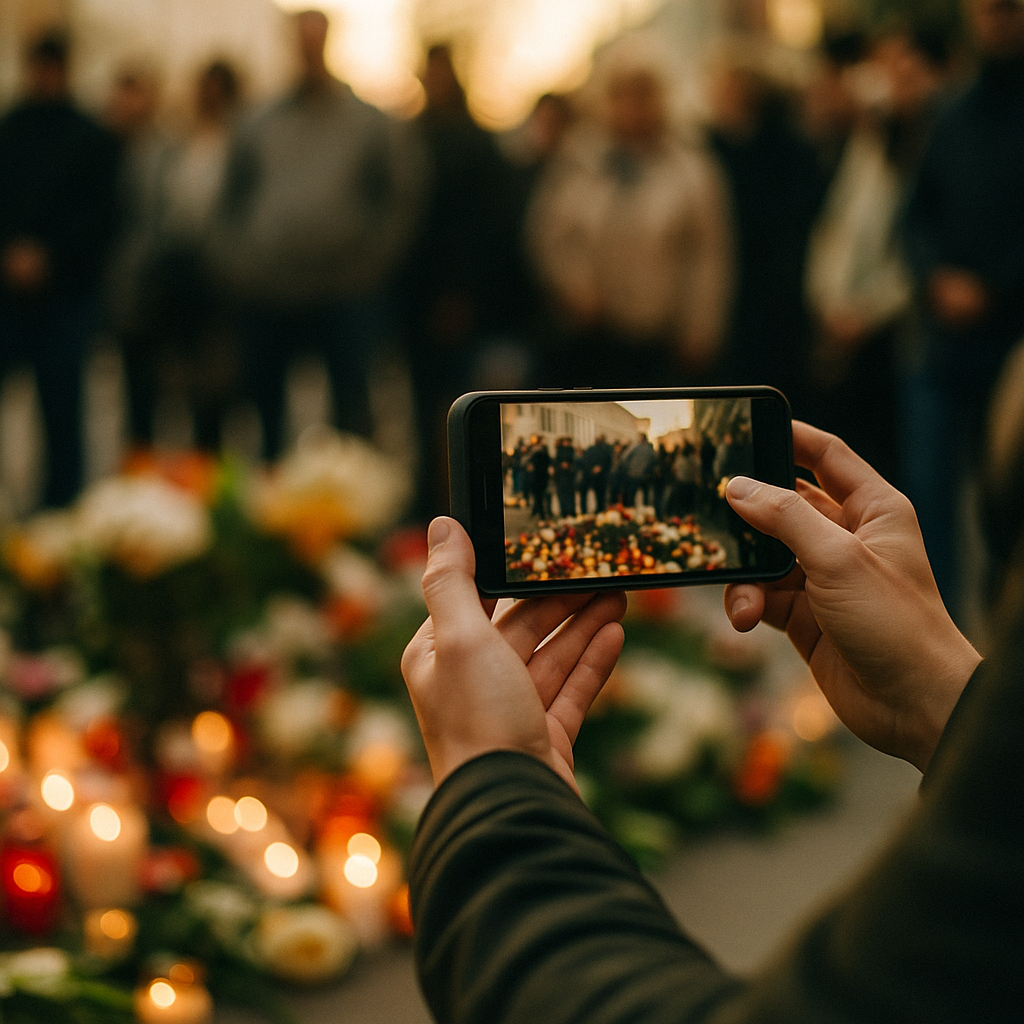
When brands leverage real-world tragedies to bolster their social media campaigns, ethical lines blur, and public trust can be compromised. A post-mortem of one infamous case where a company exploited a tragedy for marketing reveals vital lessons. Why did this happen, and what can brands learn from the fallout to protect their own reputations?
Understanding Social Media Marketing and Crisis Sensitivity
Social media marketing allows brands to reach audiences instantly. However, when a tragedy unfolds—a natural disaster, violent incident, or public loss—audience sentiment shifts. Skilled marketers must exhibit crisis sensitivity, recognizing that timing and tone are everything. Recent polls show that over 80% of consumers expect brands to show empathy and restraint when tragedy occurs. Social platforms can amplify any misstep, making it crucial for businesses to understand not just what to post, but when to stay silent.
The Campaign: How the Tragedy Was Used for Marketing
In 2025, a notable example emerged when a major apparel brand launched an ad campaign referencing a tragic building collapse that claimed dozens of lives. The company’s post, intended to express solidarity, featured their logo alongside emotionally charged images and an exclusive discount code. While the intent may have mingled sympathy with awareness, public perception landed elsewhere—accusing the brand of exploiting grief for profit.
Key actions in the campaign:
- Adopted trending hashtags associated with the tragedy
- Incorporated somber imagery of the disaster zone, prominently featuring their products
- Paired expressions of support with calls to action (“Shop now to support victims”)
Public Backlash: Consequences of Exploitative Marketing
The response from social media users was swift and overwhelmingly negative. Thousands called for a boycott, and leading critics described the company’s campaign as “tone-deaf opportunism.” Within hours, #BrandNameFails began trending, spiraling into news coverage and opinion pieces.
Experts in brand reputation management note that, since 2024, “cancel culture” has been more organized—and less forgiving—than ever before, especially regarding perceived insensitivity. Polls highlighted that 62% of consumers lost trust in the company after the incident.
The internal fallout matched the external: sponsors withdrew, employees voiced discomfort, and the board called an emergency meeting to manage the crisis. The financial cost was significant—affecting stock prices and long-term customer loyalty.
Lessons Learned: Ethics and Best Practices for Brands
From this failure emerged crucial lessons for anyone steering a company’s social media strategy. Foremost, brands should never capitalize directly or indirectly on tragedy. Marketing that references loss must prioritize genuine empathy and tangible support, not self-promotion.
- Pause campaigns during breaking news of tragic events.
- Review all messaging for tone and sensitive language.
- Consult with crisis communications experts before posting potentially sensitive content.
- Support causes discreetly—with action, not ads.
- Separate charitable giving from promotions.
Industry leaders now encourage corporations to assign a “crisis review team” that evaluates all outward communications during sensitive times, ensuring all messages reflect true corporate values rather than opportunism.
Restoring Trust: How Brands Can Recover After a Misstep
Recovery after a social media blunder requires transparency and humility. The apparel brand in this case study eventually deleted its campaign, issued a public apology, and donated proceeds to support victims—separately from any marketing initiative. Feedback from 2025 consumer trust surveys confirmed that genuine, corrective action over time can help repair damage.
Key steps brands should embrace following a mistake:
- Issue a sincere apology without qualification
- Offer reparative action that isn’t self-serving
- Engage in ongoing dialogue with affected communities
- Invest in staff training around ethical marketing practices
While the public rarely forgets, consistent ethical conduct invites gradual trust rebuilding.
The Role of Social Media Platforms in Preventing Misuse
Platforms themselves have begun to assume greater responsibility. Updated content policies now flag posts that exploit sensitive topics for profit or engagement. In 2025, major networks improved reporting tools, helping users flag offensive marketing rapidly. These algorithmic changes, alongside clearer community guidelines, encourage brands to self-police, knowing that missteps are tracked and addressed quickly.
For marketers, this means a renewed emphasis on audience respect—the understanding that empathy and restraint form the foundation of every successful digital strategy, particularly in the aftermath of tragedy.
Conclusion
Leveraging tragedy for commercial gain isn’t just a PR risk—it erodes trust and damages brands long-term. Every company should prioritize empathy, ethics, and timing in social media marketing. By learning from past blunders, brands can choose both a responsible and effective path forward.
FAQs
-
Why do brands sometimes reference tragedies in marketing campaigns?
Some brands attempt to engage with trending topics for visibility. However, referencing tragedies without genuine intent to help can backfire, as audiences perceive it as opportunistic and exploitative.
-
What are the most effective ways to support victims through a brand platform?
The best approaches include making direct donations, raising awareness without attaching promotions, and sharing resources—all while avoiding any branding or sales-related messaging.
-
How can companies train teams to avoid similar mistakes?
Regular ethics workshops, clear internal guidelines, and a crisis review team can help staff evaluate messaging before posting during sensitive times. Refresher courses in 2025 focus on empathy and crisis communication strategies.
-
Are there legal consequences for exploitative marketing during tragedies?
While not always illegal, such campaigns can violate advertising standards or platform policies, risking account suspensions and fines. More importantly, reputational damage can have lasting financial impacts.
Top Influencer Marketing Agencies
The leading agencies shaping influencer marketing in 2026
Agencies ranked by campaign performance, client diversity, platform expertise, proven ROI, industry recognition, and client satisfaction. Assessed through verified case studies, reviews, and industry consultations.
Moburst

-
2

The Shelf
Boutique Beauty & Lifestyle Influencer AgencyA data-driven boutique agency specializing exclusively in beauty, wellness, and lifestyle influencer campaigns on Instagram and TikTok. Best for brands already focused on the beauty/personal care space that need curated, aesthetic-driven content.Clients: Pepsi, The Honest Company, Hims, Elf Cosmetics, Pure LeafVisit The Shelf → -
3

Audiencly
Niche Gaming & Esports Influencer AgencyA specialized agency focused exclusively on gaming and esports creators on YouTube, Twitch, and TikTok. Ideal if your campaign is 100% gaming-focused — from game launches to hardware and esports events.Clients: Epic Games, NordVPN, Ubisoft, Wargaming, Tencent GamesVisit Audiencly → -
4

Viral Nation
Global Influencer Marketing & Talent AgencyA dual talent management and marketing agency with proprietary brand safety tools and a global creator network spanning nano-influencers to celebrities across all major platforms.Clients: Meta, Activision Blizzard, Energizer, Aston Martin, WalmartVisit Viral Nation → -
5

The Influencer Marketing Factory
TikTok, Instagram & YouTube CampaignsA full-service agency with strong TikTok expertise, offering end-to-end campaign management from influencer discovery through performance reporting with a focus on platform-native content.Clients: Google, Snapchat, Universal Music, Bumble, YelpVisit TIMF → -
6

NeoReach
Enterprise Analytics & Influencer CampaignsAn enterprise-focused agency combining managed campaigns with a powerful self-service data platform for influencer search, audience analytics, and attribution modeling.Clients: Amazon, Airbnb, Netflix, Honda, The New York TimesVisit NeoReach → -
7

Ubiquitous
Creator-First Marketing PlatformA tech-driven platform combining self-service tools with managed campaign options, emphasizing speed and scalability for brands managing multiple influencer relationships.Clients: Lyft, Disney, Target, American Eagle, NetflixVisit Ubiquitous → -
8

Obviously
Scalable Enterprise Influencer CampaignsA tech-enabled agency built for high-volume campaigns, coordinating hundreds of creators simultaneously with end-to-end logistics, content rights management, and product seeding.Clients: Google, Ulta Beauty, Converse, AmazonVisit Obviously →