


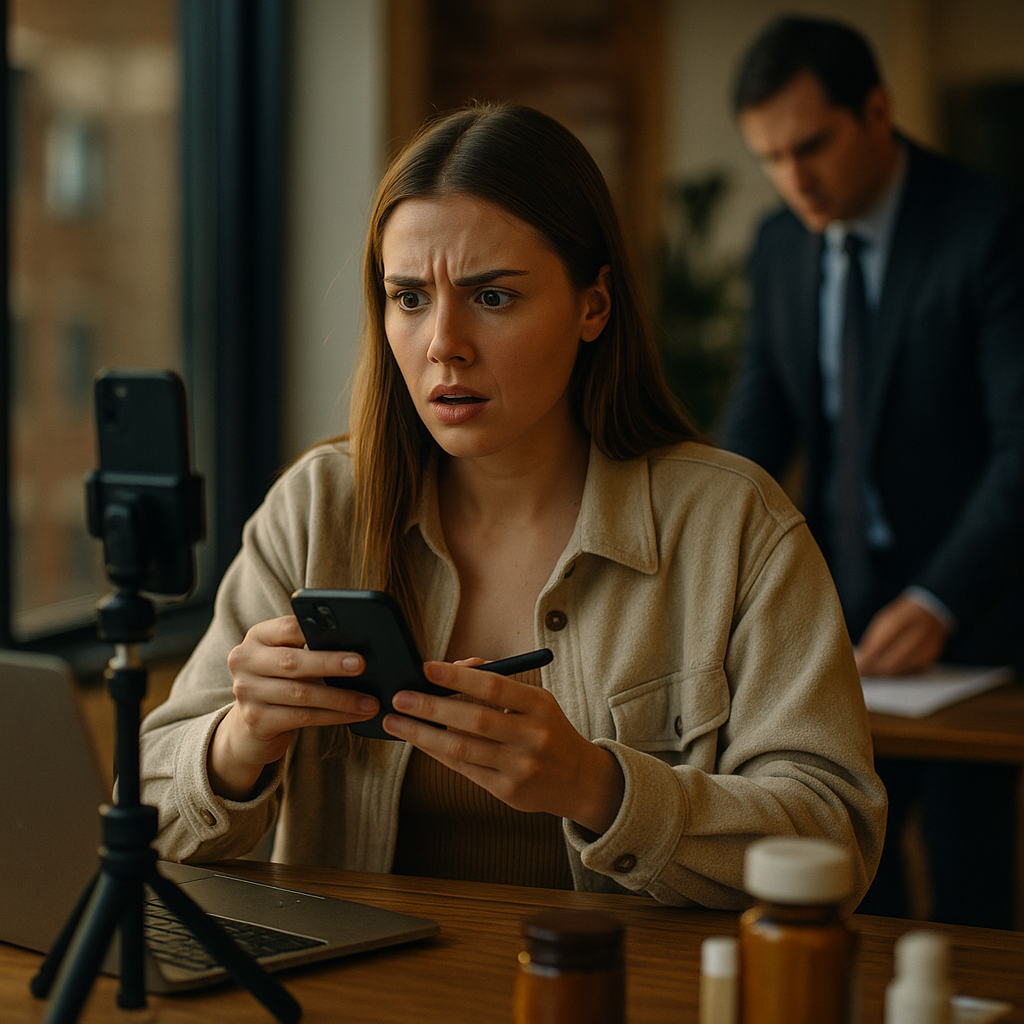
The first hostile takeover of a creator-led D2C brand sent shockwaves through the digital commerce industry, raising critical questions about ownership, influence, and the future of influencer businesses. As the lines blur between individual creators and corporate players, this landmark event offers lessons every entrepreneur should heed.
Understanding the Creator-Led D2C Brand Model
Creator-led direct-to-consumer (D2C) brands have rapidly transformed how products reach customers, bypassing traditional retail channels. Creators—often influencers with large, loyal audiences—use personal branding to develop, market, and sell unique products on their own platforms. By 2025, influencer-led D2C ventures account for nearly 30% of new online retail launches, a testament to their powerful reach and engagement.
These brands thrive on authenticity, building a strong sense of community and trust with followers. This direct relationship increases customer lifetime value and brand loyalty—crucial for long-term growth. Leading platforms such as TikTok Shop and Instagram Shopping have facilitated this expansion, underscoring the legitimacy and scalability of the creator-led business model.
However, the rapid growth and high visibility also make these brands attractive—sometimes vulnerable—acquisition targets. The nature of their leadership, hinged on personal charisma and vision, can both fuel exponential success and introduce unique risks when ownership stakes shift.
How the First Hostile Takeover in a Creator-Led D2C Brand Unfolded
In early 2025, a prominent skincare D2C brand, built by a well-known beauty influencer, became the target of the first documented hostile takeover in the creator economy. What began with minority shareholders quietly acquiring more equity soon escalated—private equity firms saw the brand’s explosive sales and deep engagement as a prime investment opportunity.
Using aggressive tactics such as proxy battles and open-market purchases, the acquiring consortium amassed a controlling interest. The creator, locked out of decision-making despite being the face of the brand, found herself in uncharted territory: a business that hinged on her likeness now operated with her as a minority voice.
This event highlighted vulnerabilities unique to creator-led D2C companies: concentrated founder ownership, fragmented investor oversight, and undervalued legal fortifications around intellectual property and personal brand rights.
Legal and Ethical Implications of Creator-Led Brand Takeovers
The hostile takeover opened urgent debates around the legal and ethical frameworks protecting creators. Typically, creator-led D2C brands intertwine the founder’s identity with product perception—customers buy not just a good, but a piece of the creator’s lifestyle and ethos.
Legally, most creator-founders rely on standard operating agreements and IP assignments, often without robust provisions safeguarding their unique value-add post-dilution of ownership. Intellectual property rights are critical, yet many contracts fail to address the ongoing use of the creator’s image, voice, or persona in perpetuity—even after loss of control.
Ethically, a key question arose: Who truly “owns” a creator-led community, and what do fans expect when the face behind a brand is no longer in charge? Trust, authenticity, and identity lie at the center; losing the creator can lead to community backlash, a drop in sales, and damaged reputations on both sides.
The Business Impact: Risks and Rewards
This unprecedented hostile takeover reverberated far beyond the boardroom. Immediately following the event, the brand experienced a temporary boost from acquisition press and anticipated operational investment. However, within weeks, social listening tools registered a significant decline in positive customer sentiment and a spike in churn, with consumers citing loss of trust and authenticity.
According to a 2025 Forrester report, D2C brands with strong personal founder narratives experience 40% higher customer retention but are also twice as vulnerable to sales dips following significant changes in leadership. The acquiring firm invested in diversifying brand messaging and product lines, lessening reliance on the original creator, but the transition proved challenging and costly.
Despite some economic upside from expanded retail channels and supply chain optimization, the brand’s market cap two quarters post-takeover was 17% lower than projected, largely attributed to the erosion of loyal customer relationships built around the creator’s personal trust capital.
What This Means for the Future of Influencer Businesses
The first hostile takeover of a creator-led D2C brand marks a turning point for influencer entrepreneurs everywhere. It is now clear: business structure matters as much as personal charisma. Founders must balance growth ambitions with protective measures, ensuring legal agreements enshrine their continued influence or outline fair exit terms.
Several best practices are emerging across the industry:
- Legal Safeguards: Drafting contracts that detail ongoing IP, likeness, and persona rights, even after dilution or sale.
- Balanced Capitalization: Raising outside funds carefully to avoid losing a controlling interest prematurely.
- Transparent Communication: Preparing community members for business changes and outlining future involvement of the founder in new ownership structures.
- Diversified Revenue Streams: Ensuring brand value is not solely dependent on one individual, thereby increasing resilience.
Professional advisors now play a crucial role, helping creators navigate growth and exit scenarios while maintaining the integrity and commercial power of their personal brand.
Conclusion: Lessons from the First Hostile Takeover of a Creator-Led D2C Brand
The first hostile takeover of a creator-led D2C brand underscores the need for robust legal, financial, and brand strategies. Influencer-entrepreneurs must protect both their personal and business assets, ensuring resilience in a rapidly evolving commercial landscape—because ownership and identity are no longer synonymous.
FAQs: Hostile Takeovers in Creator-Led D2C Brands
-
What is a hostile takeover?
A hostile takeover occurs when an acquiring party gains control of a company against the wishes of its existing management or founders, often by purchasing shares from other stakeholders.
-
How are creator-led D2C brands different from traditional businesses?
Creator-led D2C brands depend on the personal brand and active involvement of a creator, leveraging social media and community-driven engagement. Their value is closely tied to audience trust and authenticity.
-
Why are creator-led brands vulnerable to hostile takeovers?
Rapid growth often leads to external investments and diluted ownership. If creators lack protective legal structures or majority control, they risk losing effective control of the business.
-
How can creators prevent hostile takeovers?
Creators should prioritize legal protections for their brand and likeness, safe investment structures, and clear shareholder agreements outlining their ongoing involvement and rights.
-
What lesson should future creator-entrepreneurs learn?
The success of a creator-led brand depends on both business acumen and safeguarding personal influence. Proactive legal and financial planning are as important as engaging content and loyal followings.
Top Influencer Marketing Agencies
The leading agencies shaping influencer marketing in 2026
Agencies ranked by campaign performance, client diversity, platform expertise, proven ROI, industry recognition, and client satisfaction. Assessed through verified case studies, reviews, and industry consultations.
Moburst

-
2

The Shelf
Boutique Beauty & Lifestyle Influencer AgencyA data-driven boutique agency specializing exclusively in beauty, wellness, and lifestyle influencer campaigns on Instagram and TikTok. Best for brands already focused on the beauty/personal care space that need curated, aesthetic-driven content.Clients: Pepsi, The Honest Company, Hims, Elf Cosmetics, Pure LeafVisit The Shelf → -
3

Audiencly
Niche Gaming & Esports Influencer AgencyA specialized agency focused exclusively on gaming and esports creators on YouTube, Twitch, and TikTok. Ideal if your campaign is 100% gaming-focused — from game launches to hardware and esports events.Clients: Epic Games, NordVPN, Ubisoft, Wargaming, Tencent GamesVisit Audiencly → -
4

Viral Nation
Global Influencer Marketing & Talent AgencyA dual talent management and marketing agency with proprietary brand safety tools and a global creator network spanning nano-influencers to celebrities across all major platforms.Clients: Meta, Activision Blizzard, Energizer, Aston Martin, WalmartVisit Viral Nation → -
5

The Influencer Marketing Factory
TikTok, Instagram & YouTube CampaignsA full-service agency with strong TikTok expertise, offering end-to-end campaign management from influencer discovery through performance reporting with a focus on platform-native content.Clients: Google, Snapchat, Universal Music, Bumble, YelpVisit TIMF → -
6

NeoReach
Enterprise Analytics & Influencer CampaignsAn enterprise-focused agency combining managed campaigns with a powerful self-service data platform for influencer search, audience analytics, and attribution modeling.Clients: Amazon, Airbnb, Netflix, Honda, The New York TimesVisit NeoReach → -
7

Ubiquitous
Creator-First Marketing PlatformA tech-driven platform combining self-service tools with managed campaign options, emphasizing speed and scalability for brands managing multiple influencer relationships.Clients: Lyft, Disney, Target, American Eagle, NetflixVisit Ubiquitous → -
8

Obviously
Scalable Enterprise Influencer CampaignsA tech-enabled agency built for high-volume campaigns, coordinating hundreds of creators simultaneously with end-to-end logistics, content rights management, and product seeding.Clients: Google, Ulta Beauty, Converse, AmazonVisit Obviously →