


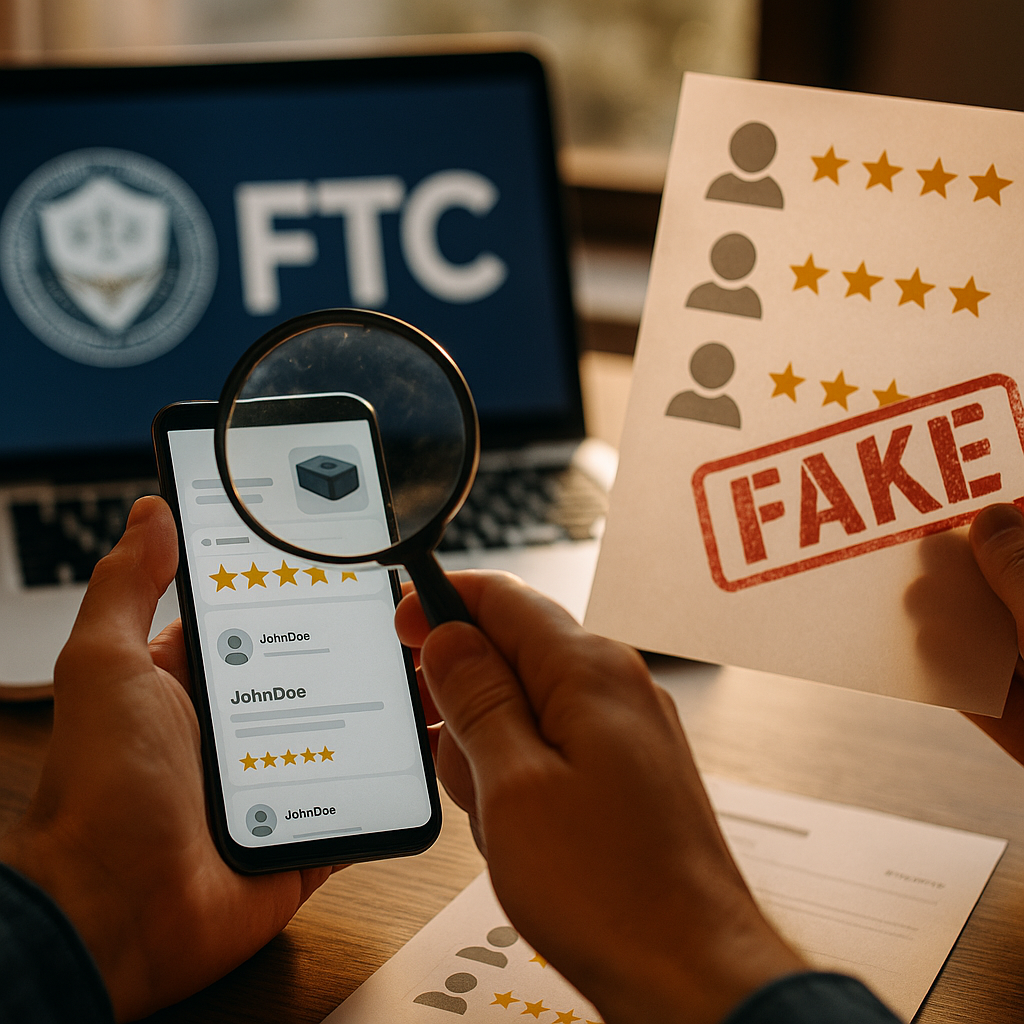
What happens when the FTC treats a manipulated ChatGPT answer the same way it treats a fake Amazon review? Brands are about to find out. As search shifts from ten blue links to a single AI-generated answer, marketing teams are pouring budget into generative engine optimization, or GEO, the practice of shaping content so tools like ChatGPT, Perplexity, and Google’s AI Overviews recommend a brand by name. Some of those tactics now look a lot like the deceptive practices the FTC has spent years prosecuting.
Why GEO Became the New Growth Channel Overnight
Traditional SEO rewarded keyword density and backlinks. GEO rewards something murkier: getting cited, quoted, or recommended inside a synthesized answer that a user never has to click through to verify. Marketers noticed fast. Recent research from eMarketer shows a growing share of consumers starting product research inside AI chat interfaces rather than traditional search, and that number keeps climbing across categories like electronics, travel, and skincare.
For brand teams, the appeal is obvious. A single favorable mention in an AI Overview can drive more qualified traffic than a page-one ranking ever did, because the recommendation arrives pre-vetted, wrapped in the perceived neutrality of a machine. That perception of neutrality is exactly what makes gaming it so tempting, and so risky.
Where “Optimization” Turns Into Manipulation
Legitimate GEO looks a lot like good content strategy: structured data, clear authorship, original research, and genuinely helpful pages that answer real questions. Nothing wrong there. The trouble starts when agencies and in-house teams try to reverse-engineer what large language models “trust” and then flood the training and retrieval layer with content designed to game that trust rather than earn it.
Some of the tactics circulating in growth-hacker forums and paid GEO courses right now include:
- Seeding dozens of near-duplicate “review” articles across low-authority sites purely to increase citation frequency for a brand claim.
- Publishing fake comparison content that misrepresents competitor products so an AI answer engine surfaces the sponsor’s brand as the “best” option.
- Using AI-generated sockpuppet accounts on Reddit and forums to manufacture consensus that models then scrape and treat as organic sentiment.
- Injecting hidden text or prompt instructions into web pages aimed at manipulating how a crawler summarizes the content, sometimes called prompt injection SEO.
Each of these strategies exists to influence what an AI tells a consumer, without disclosing that the influence was purchased or engineered. That is precisely the pattern the FTC has already targeted in adjacent contexts.
If a brand would not run a tactic through a human reviewer or influencer disclosure checklist, it should not run it through an AI answer engine either. The medium changed. The deception standard did not.
The FTC’s Existing Playbook Already Covers This
The Federal Trade Commission has not issued a GEO-specific rule yet, and it may not need to. The agency’s authority under Section 5 of the FTC Act prohibits unfair or deceptive acts or practices, and its finalized rule on fake and manipulated reviews already bans generating consensus through fabricated testimonials, undisclosed insider reviews, and suppressed negative feedback. Manipulated AI answer content is functionally the same violation wearing a different interface.
Think about it from the FTC’s perspective. A brand that pays a network of ghostwritten sites to praise its product, knowing those citations will feed an AI model’s answer, is doing exactly what the agency described in its fake review enforcement actions. The output changed from a five-star Amazon review to a confident chatbot recommendation, but the underlying deception, manufactured trust signals presented as organic, is identical. We covered how this played out in retail contexts in our breakdown of the FTC fake review rule, and the same enforcement logic extends naturally to AI-native surfaces.
There is also a strong parallel to endorsement law. The FTC’s Endorsement Guides already require disclosure when a connection between a brand and a reviewer could affect credibility. If a company pays an SEO firm to seed content specifically to shape an AI recommendation, and that paid relationship is invisible to the end consumer, regulators can reasonably argue the same disclosure logic applies. Our recent look at deepfake endorsement risk covers how quickly synthetic content blurs the line between authentic voice and manufactured trust, a problem that is only getting harder to police as AI answer engines scale.
Why This Risk Sits With Marketing, Not Just Legal
Here is the uncomfortable part for CMOs: the FTC does not need to catch a brand’s internal team writing fake content. It can hold the brand liable for hiring an agency or GEO vendor that does it on the brand’s behalf. That is standard agency liability under existing FTC enforcement, and it means marketing leaders can no longer treat GEO vendor selection as a purely technical or creative decision.
Procurement teams evaluating GEO vendors should be asking the same questions they already ask influencer agencies about disclosure and sourcing. Does the vendor generate synthetic reviews? Does it operate sockpuppet networks? Does it manipulate comparison data to misrepresent competitors? If a vendor cannot answer those questions clearly, that is a red flag worth treating like any other compliance gap. Our AI marketing pre-flight checklist is a useful starting template for building that vetting process into procurement rather than bolting it on after a campaign launches.
There is a reputational dimension too. Once a brand gets flagged for manipulating AI answers, whether by a journalist, a competitor, or a regulator, the story writes itself: “Company Caught Gaming AI Chatbots to Mislead Consumers” is a headline that does lasting damage well beyond any single FTC fine.
Building a GEO Program That Won’t Blow Up on You
None of this means brands should abandon GEO. It means the discipline needs the same governance structure that mature influencer and content marketing programs already built after years of FTC scrutiny. A few practical moves:
- Source everything. Any claim fed into GEO content, comparison data, benchmark numbers, or “most recommended” language should trace back to a verifiable source, not a manufactured one. Our source verification framework for enterprise AI marketing lays out a workable process for this.
- Disclose synthetic and sponsored content. If AI-generated or paid content is designed to influence how a model answers a query, treat it the way you would treat a sponsored post. The synthetic media labeling requirements emerging under the EU AI Act are a preview of where global regulation is heading, and building disclosure habits now is cheaper than retrofitting them later.
- Audit vendor tactics quarterly. GEO agencies iterate fast, and what a vendor pitched as “content amplification” last quarter might be sockpuppet seeding this quarter. Treat vendor audits the way you already treat creator ad approval workflows, with documented sign-off, not a handshake.
- Keep a paper trail. Document why a claim was made, who approved it, and what evidence backs it. If the FTC ever asks, “we thought it would work” is not a defense. A documented, good-faith process is.
Industry data platforms like Statista and marketing tool vendors including HubSpot and Sprout Social are already building GEO measurement into their platforms. Use that visibility to monitor how your brand actually gets cited, and flag anomalies (sudden citation spikes from obscure domains, for instance) before a regulator or journalist does it for you.
What Regulators Are Signaling Right Now
The FTC hasn’t announced a dedicated AI answer engine enforcement sweep, but the agency has been explicit that its existing deception authority applies regardless of the technology used to deliver the deception. Statements from the agency’s consumer protection bureau consistently emphasize that new interfaces don’t create new loopholes, they just create new evidence. Brands should read that as a warning, not a reprieve. Review the agency’s own guidance directly at ftc.gov before greenlighting any GEO tactic that sounds too clever to be legitimate.
The safest assumption for any brand strategist right now: assume every AI answer engine manipulation tactic will eventually be visible, traceable, and attributable. Build your GEO program as if a regulator is already reading the same prompts your customers are.
The Bottom Line
Treat GEO governance the way you already treat influencer disclosure and fake review compliance: document sourcing, vet vendors before signing, and assume every manipulated citation is discoverable. The brands that win the AI answer race long-term will be the ones that earned their citations, not the ones that gamed them.
Frequently Asked Questions
Is generative engine optimization illegal?
GEO itself is not illegal. It becomes a legal risk when tactics involve fabricated reviews, undisclosed paid influence, or misleading comparison content designed to manipulate what an AI answer engine tells consumers, practices that already fall under existing FTC deception rules.
Can the FTC actually enforce against AI answer manipulation today?
Yes. The FTC does not need a new AI-specific statute to act. Its existing authority under Section 5 of the FTC Act, along with the finalized fake review rule and the Endorsement Guides, already covers manufactured consensus and undisclosed paid influence, regardless of whether the output appears in a search result, a review site, or an AI chatbot answer.
Who is liable if a GEO agency manipulates AI results on a brand’s behalf?
The brand typically carries liability alongside the vendor. The FTC has consistently held companies responsible for deceptive practices carried out by agencies and contractors acting on their behalf, which means vendor vetting and contract language matter as much as internal policy.
How can brands tell if their GEO vendor is using risky tactics?
Ask directly whether the vendor generates synthetic reviews, operates sockpuppet accounts, uses prompt injection techniques, or publishes misleading competitor comparisons. Request documentation on content sourcing and require the same disclosure standards used in influencer and sponsored content programs.
Does disclosure apply to content aimed at AI models rather than human readers?
Regulators are signaling that it does. If content is created specifically to influence what an AI answer engine recommends, and a paid or sponsored relationship exists behind that content, the same disclosure logic used for sponsored posts and endorsements reasonably extends to it.
Top Influencer Marketing Agencies
The leading agencies shaping influencer marketing in 2026
Agencies ranked by campaign performance, client diversity, platform expertise, proven ROI, industry recognition, and client satisfaction. Assessed through verified case studies, reviews, and industry consultations.
Moburst

-
2

The Shelf
Boutique Beauty & Lifestyle Influencer AgencyA data-driven boutique agency specializing exclusively in beauty, wellness, and lifestyle influencer campaigns on Instagram and TikTok. Best for brands already focused on the beauty/personal care space that need curated, aesthetic-driven content.Clients: Pepsi, The Honest Company, Hims, Elf Cosmetics, Pure LeafVisit The Shelf → -
3

Audiencly
Niche Gaming & Esports Influencer AgencyA specialized agency focused exclusively on gaming and esports creators on YouTube, Twitch, and TikTok. Ideal if your campaign is 100% gaming-focused — from game launches to hardware and esports events.Clients: Epic Games, NordVPN, Ubisoft, Wargaming, Tencent GamesVisit Audiencly → -
4

Viral Nation
Global Influencer Marketing & Talent AgencyA dual talent management and marketing agency with proprietary brand safety tools and a global creator network spanning nano-influencers to celebrities across all major platforms.Clients: Meta, Activision Blizzard, Energizer, Aston Martin, WalmartVisit Viral Nation → -
5

The Influencer Marketing Factory
TikTok, Instagram & YouTube CampaignsA full-service agency with strong TikTok expertise, offering end-to-end campaign management from influencer discovery through performance reporting with a focus on platform-native content.Clients: Google, Snapchat, Universal Music, Bumble, YelpVisit TIMF → -
6

NeoReach
Enterprise Analytics & Influencer CampaignsAn enterprise-focused agency combining managed campaigns with a powerful self-service data platform for influencer search, audience analytics, and attribution modeling.Clients: Amazon, Airbnb, Netflix, Honda, The New York TimesVisit NeoReach → -
7

Ubiquitous
Creator-First Marketing PlatformA tech-driven platform combining self-service tools with managed campaign options, emphasizing speed and scalability for brands managing multiple influencer relationships.Clients: Lyft, Disney, Target, American Eagle, NetflixVisit Ubiquitous → -
8

Obviously
Scalable Enterprise Influencer CampaignsA tech-enabled agency built for high-volume campaigns, coordinating hundreds of creators simultaneously with end-to-end logistics, content rights management, and product seeding.Clients: Google, Ulta Beauty, Converse, AmazonVisit Obviously →