


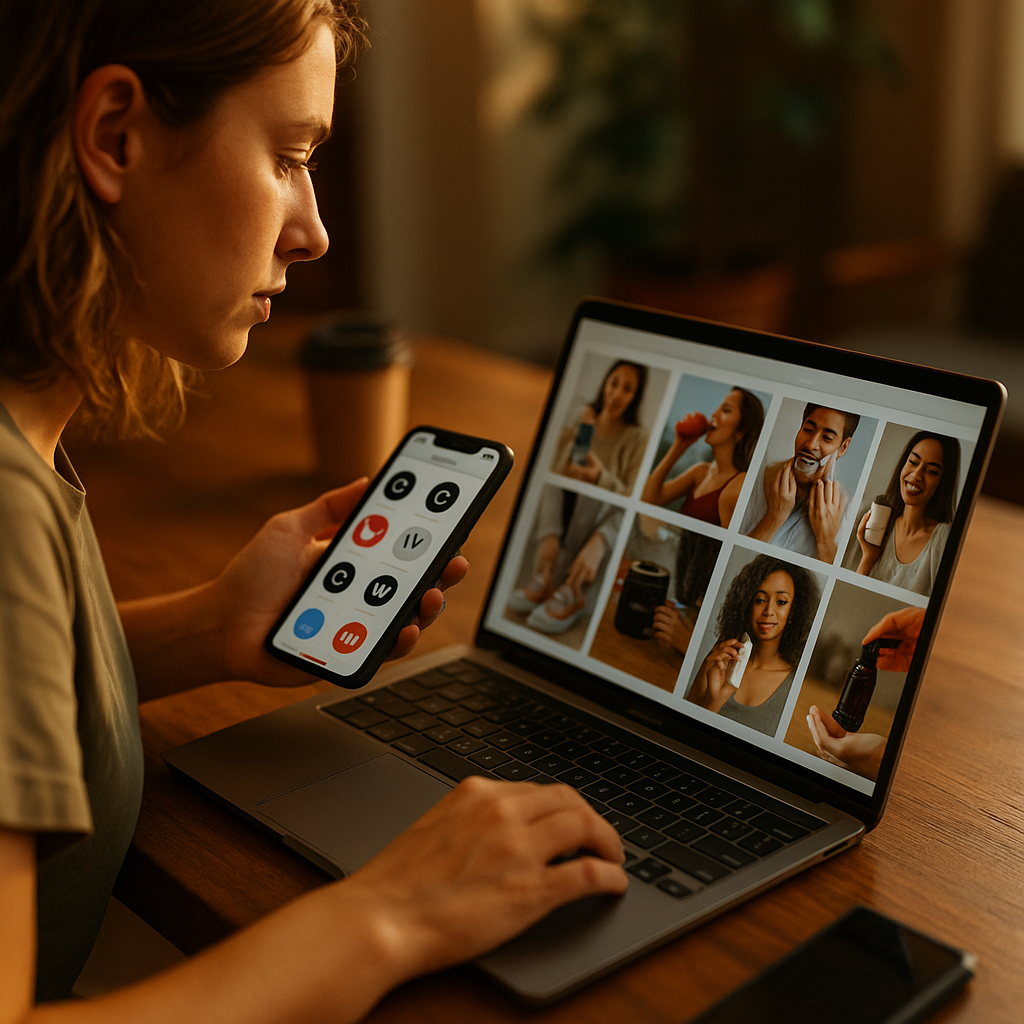
A six figure UGC creator now earns more than the average brand manager who hires them, and the sourcing model that made that possible has quietly flipped upside down. For a decade, brands hunted creators. Now creators list themselves on marketplaces, set their rates, and wait for inbound briefs to land in their inbox. That reversal is reshaping budgets, hiring, and how procurement teams think about content supply chains.
If you’re still running outbound creator sourcing in a spreadsheet, you’re competing for talent against platforms that deliver applicants in hours, not weeks.
The Old Model Is Dying, and Nobody Sent a Memo
Outbound sourcing used to mean an agency intern scrolling hashtags, DMing creators, and negotiating rates one email thread at a time. It worked when the creator pool was small and undifferentiated. It doesn’t work now that UGC has splintered into dozens of niches, from unboxing videos to skincare testimonials to B2B software walkthroughs.
Marketplaces like Fiverr, Billo, and Insense flipped the funnel. Creators build storefronts, set day rates, and let brands come to them. The result: sourcing cycles that used to take two to three weeks now close in under 72 hours. That speed matters when a paid media team needs fresh creative assets before a campaign launch date that isn’t moving.
Influencers Time covered this shift in detail in a look at UGC sellers becoming permanent budget line items rather than one-off project spend. That’s the tell. When finance starts treating UGC like a recurring SaaS subscription instead of a discretionary creative expense, the sourcing model has already changed underneath the org chart.
Inbound marketplaces don’t just speed up sourcing, they compress the negotiation window, which means brands with slow approval chains lose top talent to faster competitors before a contract is even drafted.
Why Six Figures Isn’t a Fluke
Skeptics still treat “six figure UGC creator” as clickbait. It isn’t. Top performers on inbound platforms run their content operation like a small agency: batch shooting, templated contracts, tiered pricing for usage rights, and repeat clients on retainer. A creator charging $400 to $800 per video, delivering four to six videos weekly across three or four brand relationships, clears six figures annually without ever going viral.
The math isn’t glamorous. It’s operational discipline applied to a creative service.
This mirrors what inbound marketplace economics already predicted: scarcity of reliable, brand-safe creators pushes rates up faster than brands expect. Reliability, not follower count, is the premium buyers are paying for.
What Brands Are Actually Buying
- Speed of turnaround, often 48 to 96 hours from brief to delivered asset
- Usage rights bundled into the rate, avoiding separate licensing negotiations
- Format versatility: vertical, square, and long-form cuts from a single shoot
- Whitelisting-ready content that performs as paid media, not just organic posts
That last point deserves attention. As whitelisting deals accelerate, brands aren’t just buying content, they’re buying the right to run it as an ad under a creator’s handle. That changes what a “fair rate” even means, since a single asset can now generate media spend value far beyond its production cost.
Rising CPMs Made Inbound Marketplaces Inevitable
Here’s the uncomfortable context nobody wants to say out loud: this shift didn’t happen because marketplaces are clever. It happened because paid social got expensive. When feed CPMs climb, brands need cheaper, faster creative to keep the funnel fed. UGC marketplaces solved a cost problem before they solved a discovery problem.
Influencers Time’s reporting on how rising CPMs are pushing budget toward search and marketplaces lines up with what procurement teams are quietly telling agencies: the line item that used to say “influencer partnerships” now says “content supply,” and it’s managed more like a vendor relationship than a talent relationship.
That’s a subtle but important reframe for anyone building a 2026 budget deck.
Sourcing Reversal: What Actually Changed for Buyers
The reversal isn’t just about where creators list themselves. It’s about who controls the terms.
- Rate cards are public. Creators set pricing tiers visible to every buyer, which kills the old game of lowballing unrepresented talent.
- Portfolios replace pitches. Buyers filter by niche, past brand logos, and conversion data rather than follower counts.
- Reviews function like credit scores. A creator with a thin rating history gets passed over even if the content looks polished.
- Retainers are the new currency. Marketplaces increasingly reward creators who lock in recurring brand relationships, not one-off gigs.
This is a genuine power shift, and brand teams that treat it as a temporary inconvenience will keep losing their best creator relationships to competitors who adapted their onboarding process first.
The brands winning inbound marketplaces aren’t the ones with the biggest budgets, they’re the ones with the fastest approval workflows and the clearest usage-rights templates already drafted.
Compliance and Risk Don’t Disappear, They Just Move
None of this removes the compliance burden, it relocates it. When creators self-list and self-price, brands lose some of the contractual leverage they had when they controlled outbound negotiations. Disclosure rules under FTC guidance still apply regardless of who initiated contact, and usage rights disputes are more common when deals close fast without legal review.
The UK’s ICO has also flagged data handling in influencer campaigns as an area brands underestimate, particularly around how creator-collected consumer data gets stored and shared.
Marketing ops teams are already feeling this strain, as covered in recent reporting on compliance burnout. Speed and risk mitigation are pulling in opposite directions, and most legal teams haven’t caught up to marketplace contract templates that creators, not brands, now draft.
A Practical Checklist Before You Onboard Inbound Creators
- Confirm usage rights duration and platform scope in writing before payment
- Verify FTC disclosure language is baked into the creator’s standard contract
- Check whitelisting permissions separately from organic posting rights
- Set a minimum content review turnaround so speed doesn’t bypass brand safety checks
Where This Goes Next
Expect marketplace platforms to layer in more AI-driven matching, similar to how AI agent orchestration is reshaping amplification strategy elsewhere in the creator stack. Instead of buyers filtering manually, expect algorithmic pairing based on past conversion data, tone matching, and even brand voice compatibility scoring.
That’s not science fiction, it’s the logical next step once marketplaces have enough transaction history to train a matching model.
Nano and micro creators are already benefiting most from this inbound structure, since nano influencer conversion data shows smaller creators converting at rates that justify premium marketplace pricing despite modest follower counts. The six figure UGC creator isn’t necessarily famous. They’re just findable, reliable, and priced correctly for the first time in the channel’s history.
Frequently Asked Questions
What is a six figure UGC creator?
A six figure UGC creator is a content producer who earns over $100,000 annually creating branded user-generated content, typically by managing multiple ongoing brand relationships through marketplace platforms rather than relying on viral reach or a large personal following.
How do inbound marketplace platforms differ from traditional influencer sourcing?
Traditional sourcing has brands actively searching for and pitching creators. Inbound marketplaces reverse this: creators list their services, set rates, and wait for brands to submit briefs, shifting negotiating leverage and discovery control toward the creator.
Which platforms are driving this shift?
Fiverr, Billo, Insense, and similar UGC-focused marketplaces have built the infrastructure for creator self-listing, rate transparency, and fast turnaround briefs that make inbound sourcing viable at scale for brand teams.
Does inbound sourcing increase legal or compliance risk?
It can, particularly around usage rights and disclosure compliance, since faster deal cycles sometimes bypass thorough legal review. Brands should confirm FTC disclosure language and usage rights scope before payment, regardless of sourcing speed.
Why are UGC creator rates rising even without large followings?
Rates are rising because brands are paying for reliability, turnaround speed, and usage rights bundled into a single transaction rather than follower reach. This mirrors how rising paid media CPMs have pushed budget toward faster, cheaper creative production.
Frequently Asked Questions
What is a six figure UGC creator?
A six figure UGC creator is a content producer who earns over $100,000 annually creating branded user-generated content, typically by managing multiple ongoing brand relationships through marketplace platforms rather than relying on viral reach or a large personal following.
How do inbound marketplace platforms differ from traditional influencer sourcing?
Traditional sourcing has brands actively searching for and pitching creators. Inbound marketplaces reverse this: creators list their services, set rates, and wait for brands to submit briefs, shifting negotiating leverage and discovery control toward the creator.
Which platforms are driving this shift?
Fiverr, Billo, Insense, and similar UGC-focused marketplaces have built the infrastructure for creator self-listing, rate transparency, and fast turnaround briefs that make inbound sourcing viable at scale for brand teams.
Does inbound sourcing increase legal or compliance risk?
It can, particularly around usage rights and disclosure compliance, since faster deal cycles sometimes bypass thorough legal review. Brands should confirm FTC disclosure language and usage rights scope before payment, regardless of sourcing speed.
Why are UGC creator rates rising even without large followings?
Rates are rising because brands are paying for reliability, turnaround speed, and usage rights bundled into a single transaction rather than follower reach. This mirrors how rising paid media CPMs have pushed budget toward faster, cheaper creative production.
Next step: Audit your current UGC contracts for usage-rights clarity and disclosure language this quarter, then set up a marketplace storefront review so procurement, not creators, controls the negotiation timeline going forward.
Top Influencer Marketing Agencies
The leading agencies shaping influencer marketing in 2026
Agencies ranked by campaign performance, client diversity, platform expertise, proven ROI, industry recognition, and client satisfaction. Assessed through verified case studies, reviews, and industry consultations.
Moburst

-
2

The Shelf
Boutique Beauty & Lifestyle Influencer AgencyA data-driven boutique agency specializing exclusively in beauty, wellness, and lifestyle influencer campaigns on Instagram and TikTok. Best for brands already focused on the beauty/personal care space that need curated, aesthetic-driven content.Clients: Pepsi, The Honest Company, Hims, Elf Cosmetics, Pure LeafVisit The Shelf → -
3

Audiencly
Niche Gaming & Esports Influencer AgencyA specialized agency focused exclusively on gaming and esports creators on YouTube, Twitch, and TikTok. Ideal if your campaign is 100% gaming-focused — from game launches to hardware and esports events.Clients: Epic Games, NordVPN, Ubisoft, Wargaming, Tencent GamesVisit Audiencly → -
4

Viral Nation
Global Influencer Marketing & Talent AgencyA dual talent management and marketing agency with proprietary brand safety tools and a global creator network spanning nano-influencers to celebrities across all major platforms.Clients: Meta, Activision Blizzard, Energizer, Aston Martin, WalmartVisit Viral Nation → -
5

The Influencer Marketing Factory
TikTok, Instagram & YouTube CampaignsA full-service agency with strong TikTok expertise, offering end-to-end campaign management from influencer discovery through performance reporting with a focus on platform-native content.Clients: Google, Snapchat, Universal Music, Bumble, YelpVisit TIMF → -
6

NeoReach
Enterprise Analytics & Influencer CampaignsAn enterprise-focused agency combining managed campaigns with a powerful self-service data platform for influencer search, audience analytics, and attribution modeling.Clients: Amazon, Airbnb, Netflix, Honda, The New York TimesVisit NeoReach → -
7

Ubiquitous
Creator-First Marketing PlatformA tech-driven platform combining self-service tools with managed campaign options, emphasizing speed and scalability for brands managing multiple influencer relationships.Clients: Lyft, Disney, Target, American Eagle, NetflixVisit Ubiquitous → -
8

Obviously
Scalable Enterprise Influencer CampaignsA tech-enabled agency built for high-volume campaigns, coordinating hundreds of creators simultaneously with end-to-end logistics, content rights management, and product seeding.Clients: Google, Ulta Beauty, Converse, AmazonVisit Obviously →