


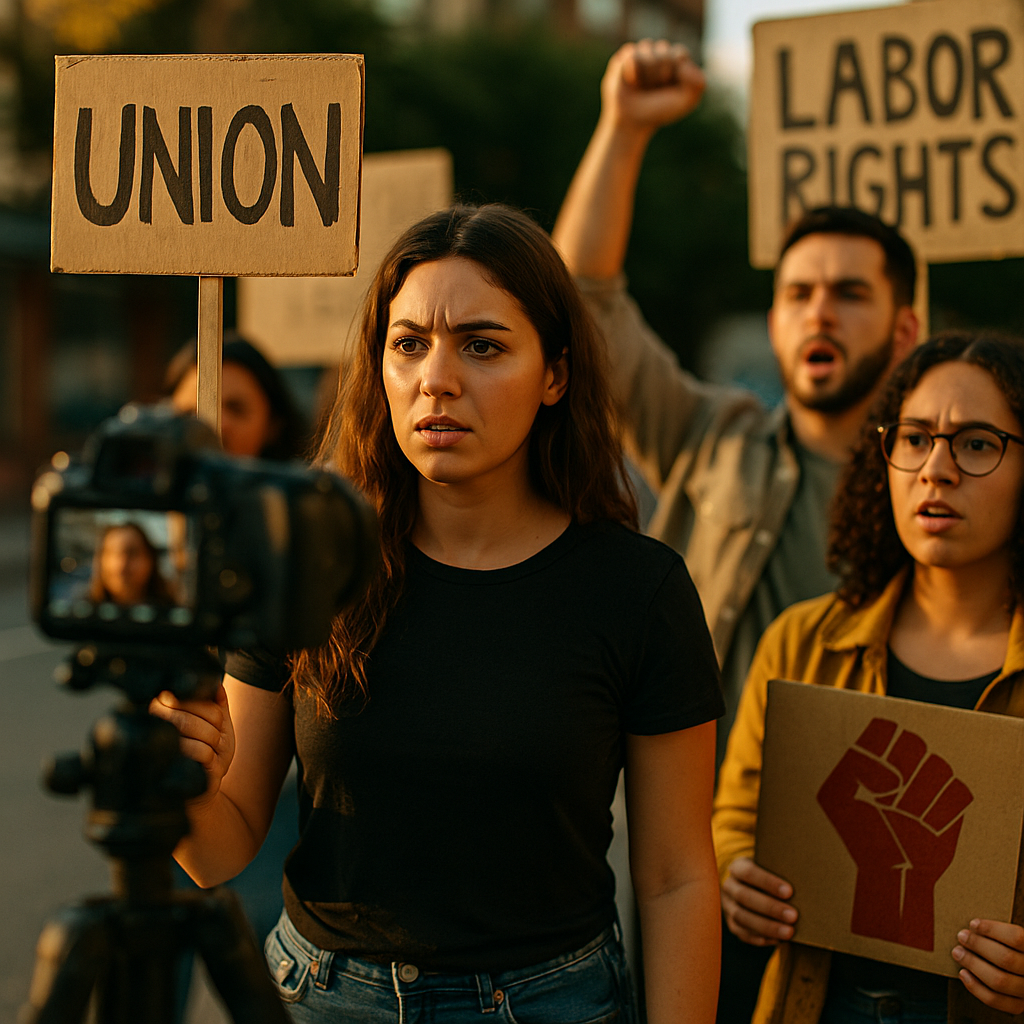
The first successful unionization of influencers at a major brand has made headlines in 2025, shedding light on labor rights in the digital creator economy. This case study explores the journey, motivations, challenges, and industry implications of this groundbreaking event—revealing what it means for influencers, brands, and the future of digital labor markets.
The Road to Influencer Unionization: A Turning Point for Digital Talent
The landscape for content creators has rapidly evolved, with the first successful influencer unionization at a major brand marking a decisive shift. As influencer marketing budgets soared to over $35 billion globally, creators at the forefront began advocating for greater transparency, fair compensation, and protections comparable to those in traditional media. This movement’s momentum stemmed from a growing awareness among influencers: their collective bargaining power could no longer be ignored or undervalued in a rapidly maturing industry.
In early 2025, over 200 influencers assigned to a high-impact global campaign for a leading beauty conglomerate joined forces. Prompted by issues including unpredictable compensation, IP rights confusion, and a lack of support systems for mental health, they initiated a formal push for union recognition. Their efforts drew support from labor organizations, digital rights advocates, and ultimately, public attention. Their determination set a precedent, motivating creators across verticals—from gaming to finance—to reconsider their own working conditions.
Understanding Influencer Labor Rights: Motivations Behind the Movement
The unionization case reveals a spectrum of factors fueling influencer activism. Historically, brand-influencer relationships have hinged on independent contractor status, often sidelining creators from collective bargaining protections. Influencers reported facing opaque payment structures, last-minute campaign changes, non-disclosure agreement (NDA) expansion, and insufficient consideration of their personal brands and well-being.
Specific pain points voiced by influencers included:
- Compensation Consistency: Variability in rates, delayed payments, and ambiguous bonus structures.
- Content Ownership: Unclear intellectual property terms, with brands demanding perpetual rights on content.
- Workplace Support: Lack of benefits such as healthcare, mental health resources, or legal aid, despite growing campaign pressures and public scrutiny.
- Transparency: Difficulties accessing the true terms of agreements and insights into how content performance influenced pay.
In response, the unionization push aimed to enshrine core labor rights: transparent contracts, minimum pay rates, explicit content ownership clauses, and guaranteed access to basic support services. This initiative not only sought to protect the current generation of creators, but also to create sustainable, attractive career paths for new entrants in the field.
Navigating Legal and Contractual Hurdles: How Influencers Organized
Organizing a digital workforce came with unique legal and logistical challenges. Influencers, dispersed across regions and often categorized as independent contractors, faced brand policies explicitly discouraging collective action. The organizing committee addressed three central concerns:
- Legal Status: They collaborated with labor law experts to determine eligibility for collective bargaining under current employment classifications. Persistent advocacy led to crucial legal interpretations that paved the way for contract-based union representation—even for non-salaried workers.
- Confidentiality Clauses: Many creators initially hesitated to participate, fearing repercussions from strict NDAs. Organizers developed encrypted communication channels, ensuring private discussions and consulting with lawyers to protect members from retaliation during the drive.
- Global Reach: As brands often run multinational campaigns, coordinating across time zones and jurisdictions necessitated digital-first organizing strategies. Virtual town halls, peer-to-peer messaging, and public advocacy fostered solidarity and amplified the message.
The result: after six months of persistent effort, a majority of the brand’s core creator pool submitted a formal petition. Extensive negotiations, including mediated discussions with the brand’s legal and HR teams, led to voluntary recognition of the union and a commitment to collaborative contract re-negotiation.
The Outcome: Key Provisions in the Union-Brand Agreement
The union’s first contract, finalized in mid-2025, established industry-setting standards for influencer relations. Key terms included:
- Minimum Compensation Tiers: Clearly defined pay scales, eliminating ambiguity and reducing disparities based on follower count or platform.
- Prompt Payment Guarantees: Strict deadlines for campaign payouts, backed by penalties for late payments.
- Content Ownership and Usage: Explicit rights for creators to retain ownership of their likeness and work, with negotiated licensing agreements setting clear term limits.
- Healthcare and Support Services: Access to mental health counseling, legal support for contract review, and educational resources on financial literacy and digital wellbeing.
- Transparency in Analytics: The brand agreed to share data on content performance relevant to compensation, enabling creators to optimize and fairly value their work.
This contract demonstrated a new standard for employer-influencer collaboration, balancing creative freedom with brand objectives. The partnership also appointed a permanent union liaison, ensuring ongoing dialogue about working conditions and evolving brand expectations.
Industry Impact: What Unionization Means for Brands and Influencers Alike
The precedent set by this first unionization rippled rapidly across the digital landscape. Industry leaders observed several profound trends:
- Wider Unionization Efforts: Influencers in verticals like fashion, gaming, and wellness began exploring similar collective action, catalyzing a broader movement towards organizing in the creator economy.
- Brand Policy Overhauls: Major companies updated their influencer contracts, introducing transparent compensation schedules, support services, and more flexible NDAs—proactively preventing future disputes.
- Talent Retention and Brand Loyalty: Brands embracing these standards reported higher influencer satisfaction, lower churn, and improved campaign outcomes, as creators felt valued and secure.
- Public Perception: The media and consumers largely supported the union’s formation, viewing it as a step toward ethical and equitable digital marketing practices.
Importantly, this new era is driving professionalization within the influencer sector, encouraging creators to see their work as a sustainable, respected vocation—and motivating brands to forge lasting, mutually beneficial partnerships built on trust and shared values.
Lessons Learned: Strategies for a Sustainable Influencer-Brand Partnership
This case study on the first successful influencer unionization offers several critical lessons for brands and digital talent managers:
- Proactive Engagement: Brands benefit from open dialogue, co-developing fair contracts, and responding to influencers’ evolving needs.
- Investing in Creator Well-being: Access to support services is key for maintaining healthy, creative relationships, while reducing burnout and turnover.
- Data-Driven Decisions: Transparent analytics empower both sides to measure success and address compensation or creative concerns quickly and equitably.
- Legal Clarity: Early consultation with labor experts streamlines negotiations, builds trust, and ensures compliance with rapidly changing digital labor regulations.
As the sector continues to grow, these strategies are crucial for brands seeking to attract and retain the best creators—and for influencers eager to professionalize and protect their livelihoods.
Ultimately, the first successful unionization of influencers at a major brand has set a powerful new benchmark, transforming digital labor rights and encouraging sustainable partnerships across the industry.
FAQs: Influencer Unionization and Its Implications
-
What is influencer unionization?
Influencer unionization refers to content creators organizing to collectively negotiate for better pay, contract terms, and workplace protections with brands, similar to traditional labor unions.
-
Why did influencers feel the need to unionize?
Influencers sought unionization to address inconsistent pay, unclear contracts, lack of benefits, and minimal transparency regarding their work’s value and impact. Unionizing provided collective bargaining power to secure fairer conditions.
-
How can brands benefit from working with unionized influencers?
Brands stand to benefit through improved campaign stability, greater content quality, stronger brand loyalty, and a better public image rooted in ethical treatment of digital creators.
-
Do unionized influencer contracts impact creative freedom?
On the contrary, contracts designed through collective bargaining often include mutual protections for both creators and brands, ensuring creative autonomy while defining clear campaign expectations.
-
What should influencers consider before joining or forming a union?
Creators should consult legal experts, understand their contract terms, and assess their community’s needs. Union involvement should prioritize transparency, solidarity, and long-term sustainability for all members.
As digital labor evolves, the first successful unionization of influencers at a major brand serves as a blueprint for ethical practice—highlighting that collective action, clear contracts, and mutual respect can redefine success for everyone in the creator economy.
Top Influencer Marketing Agencies
The leading agencies shaping influencer marketing in 2026
Agencies ranked by campaign performance, client diversity, platform expertise, proven ROI, industry recognition, and client satisfaction. Assessed through verified case studies, reviews, and industry consultations.
Moburst

-
2

The Shelf
Boutique Beauty & Lifestyle Influencer AgencyA data-driven boutique agency specializing exclusively in beauty, wellness, and lifestyle influencer campaigns on Instagram and TikTok. Best for brands already focused on the beauty/personal care space that need curated, aesthetic-driven content.Clients: Pepsi, The Honest Company, Hims, Elf Cosmetics, Pure LeafVisit The Shelf → -
3

Audiencly
Niche Gaming & Esports Influencer AgencyA specialized agency focused exclusively on gaming and esports creators on YouTube, Twitch, and TikTok. Ideal if your campaign is 100% gaming-focused — from game launches to hardware and esports events.Clients: Epic Games, NordVPN, Ubisoft, Wargaming, Tencent GamesVisit Audiencly → -
4

Viral Nation
Global Influencer Marketing & Talent AgencyA dual talent management and marketing agency with proprietary brand safety tools and a global creator network spanning nano-influencers to celebrities across all major platforms.Clients: Meta, Activision Blizzard, Energizer, Aston Martin, WalmartVisit Viral Nation → -
5

The Influencer Marketing Factory
TikTok, Instagram & YouTube CampaignsA full-service agency with strong TikTok expertise, offering end-to-end campaign management from influencer discovery through performance reporting with a focus on platform-native content.Clients: Google, Snapchat, Universal Music, Bumble, YelpVisit TIMF → -
6

NeoReach
Enterprise Analytics & Influencer CampaignsAn enterprise-focused agency combining managed campaigns with a powerful self-service data platform for influencer search, audience analytics, and attribution modeling.Clients: Amazon, Airbnb, Netflix, Honda, The New York TimesVisit NeoReach → -
7

Ubiquitous
Creator-First Marketing PlatformA tech-driven platform combining self-service tools with managed campaign options, emphasizing speed and scalability for brands managing multiple influencer relationships.Clients: Lyft, Disney, Target, American Eagle, NetflixVisit Ubiquitous → -
8

Obviously
Scalable Enterprise Influencer CampaignsA tech-enabled agency built for high-volume campaigns, coordinating hundreds of creators simultaneously with end-to-end logistics, content rights management, and product seeding.Clients: Google, Ulta Beauty, Converse, AmazonVisit Obviously →