


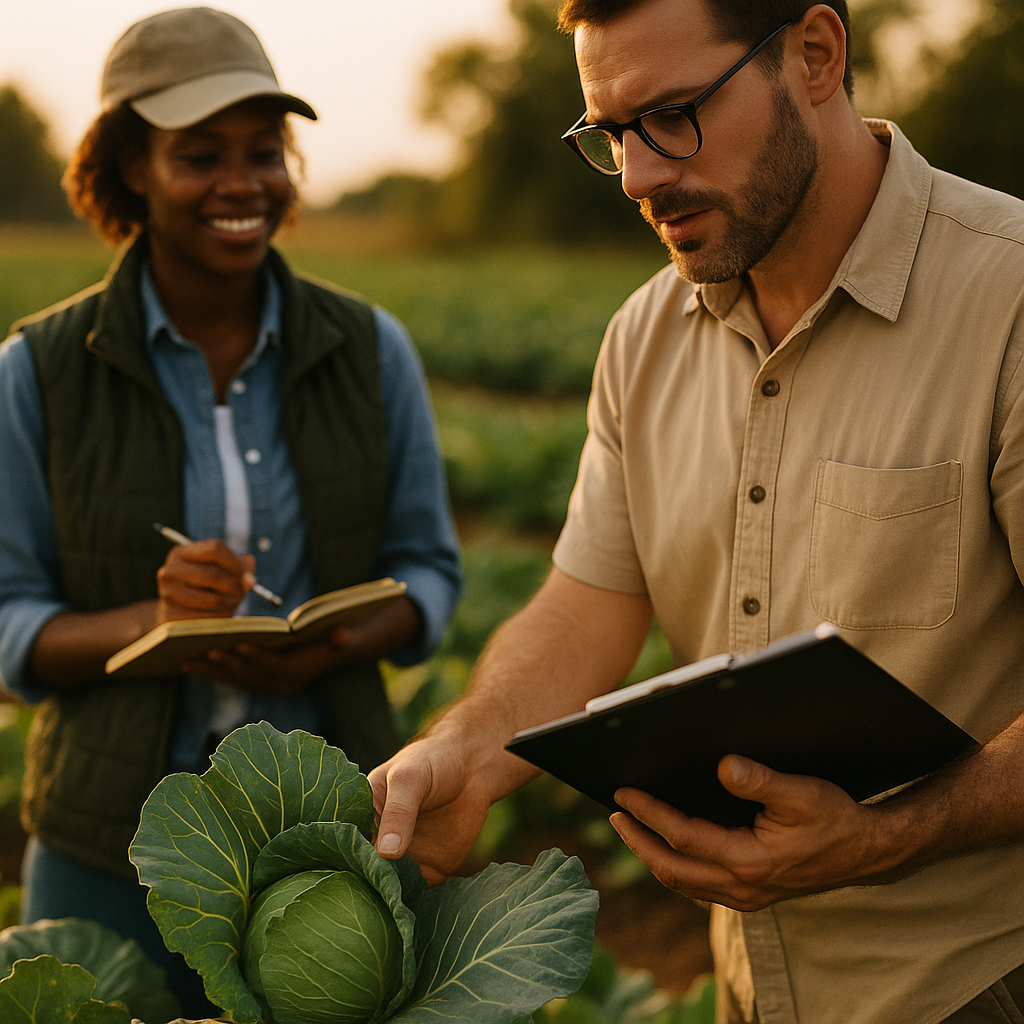
Only 34% of consumers trust brand claims about sourcing and ingredients without third-party proof, according to recent transparency research from Label Insight and similar consumer trust studies. So why do most brands still rely on a stock photo of a wheat field and a paragraph of copy to explain where their product actually comes from? The ingredient sourcing field trip format flips that script: send a creator to the farm, the factory floor, or the extraction facility, camera rolling, no script hiding the process.
It’s not a new idea. Food brands have done “farm to table” tours for years. What’s changed is who’s holding the camera, and why it now converts better than any polished brand film ever could.
Why Sourcing Content Is Having a Moment
Consumer skepticism about supply chains isn’t going away. Between synthetic ingredient scares, greenwashing lawsuits, and a general fatigue with brand-speak, audiences have gotten sharp at spotting a marketing performance versus a real look behind the curtain. Creators who show up unscripted at a supplier facility, ask blunt questions, and film the messy parts too, read as credible in a way that a corporate sustainability report never will.
This isn’t just a skincare or supplement trend either. Coffee brands are sending creators to co-ops in Colombia. Supplement companies are filming extraction labs. Even apparel brands are documenting fabric mills. The common thread: someone the audience already trusts is physically present, asking the questions a skeptical customer would ask.
A field trip video doesn’t just claim transparency — it performs it, in real time, in a location the brand doesn’t fully control. That loss of control is exactly what makes it believable.
What Makes a Field Trip Brief Different
Most influencer briefs are built around a product, a message, and a call to action. A sourcing field trip brief is built around a location, a set of unscripted moments, and a narrative arc that mirrors investigative journalism more than advertising. That’s a meaningfully different creative direction, and it requires brands to give up some control they’re used to holding onto.
Here’s what typically needs to be in the brief:
- Location access logistics — who’s approving the visit, what’s off-limits, insurance and safety requirements for the creator.
- A loose narrative arc, not a script: arrival, discovery, key process moment, human interview, wrap-up reflection.
- Pre-approved talking points for facility staff — farmers, factory workers, or quality control leads who’ll be on camera need basic media training or at least a heads-up on likely questions.
- Disclosure requirements tied to the partnership, since this is still sponsored content under FTC guidelines even if it feels like a documentary.
- A contingency plan for what happens if the creator sees or asks about something the brand didn’t anticipate.
That last point deserves its own paragraph, because it’s where most brands get nervous.
The Control Trade-Off Nobody Talks About
You are inviting a creator with an independent audience to film in a place with imperfect lighting, real workers, and potentially unglamorous machinery. They might ask a farm worker about wages. They might notice a packaging line looks nothing like your Instagram photos. This is the risk. It’s also the entire point.
Brands that try to over-script a field trip video end up with something that looks exactly like every other branded shoot — polished, hollow, and instantly recognizable as an ad. The format only works if the audience believes the creator had real access and asked real questions. That means briefs should focus on guardrails, not lines of dialogue. Think of it the same way you’d think about a founder-led product demo: authenticity is the deliverable, not just the product feature.
Choosing the Right Creator for a Field Trip
Not every creator is built for this format. You want someone with genuine curiosity, decent interview instincts, and an audience that already cares about sourcing or ingredient quality. A beauty creator known for reviewing formulations makes more sense for a lab visit than a lifestyle influencer who’s never mentioned an ingredient list. Food and wellness creators with a journalism or science background tend to over-index on trust here too, because their audience expects rigor.
Micro and mid-tier creators often outperform bigger names in this specific format. Audiences in the 20K–200K follower range tend to have tighter, more engaged communities who respond well to “your favorite creator went and checked this out for you” framing. This pairs naturally with the kind of micro-community storytelling approach that’s been gaining traction across categories where trust, not reach, drives conversion.
Structuring the Actual Shoot Day
Field trip content works best with a loose three-act structure. Give the creator freedom within it, but don’t leave the whole day unstructured — that’s how you end up with forty minutes of unusable footage.
Act one: arrival and first impressions. Let the creator react honestly to the scale, smell, sound, whatever’s notable. Act two: the process itself, ideally with a subject matter expert walking through key steps. This is where ingredient callouts and quality control details live. Act three: a human moment — an interview with a farmer, technician, or line worker who can speak to why they do this work. That’s the emotional anchor that turns a factory tour into a story.
Brands running these as livestreams instead of pre-recorded content can borrow structure from ingredient-callout livestream formats, where real-time audience questions get answered on the spot. That live, unedited quality amplifies the trust effect even further, though it raises the compliance stakes since there’s no edit pass before it airs.
Measuring ROI Beyond Views
Field trip content rarely goes viral in the traditional sense. It’s not built for that. What it does reliably move is trust-adjacent metrics: saved posts, comment sentiment, branded search lift, and — for ecommerce brands — direct attribution through affiliate links or promo codes tied to the specific creator. Track these instead of chasing raw view counts:
- Comment sentiment analysis (are people asking follow-up questions or expressing surprise/relief?)
- Branded search volume in the days following publication
- Add-to-cart or code redemption rate compared to standard product review content from the same creator
- Content longevity — sourcing videos tend to have longer shelf lives than trend-based content, since the information stays relevant
Because this content often gets repurposed across formats, brief it with reuse in mind from the start. A single field trip shoot can produce a long-form YouTube documentary-style video, a series of short clips for TikTok and Reels, and even quote graphics for owned social. That’s the same logic behind usage-rights-ready video briefs — negotiate the rights upfront so you’re not renegotiating for every cutdown.
The Compliance Layer Brands Skip
Because field trip content feels editorial, brands sometimes forget it’s still a paid partnership subject to disclosure rules. The FTC has been explicit that sponsorship disclosure applies regardless of format — documentary-style, livestream, or traditional ad read. Creators need to disclose clearly and early, not buried in a caption. The FTC’s endorsement guidance is the baseline reference here, and it’s worth building disclosure language directly into the brief rather than leaving it to creator discretion.
There’s a second compliance layer specific to this format: facility and worker consent. If a creator interviews farm workers or factory staff, those individuals need to understand they’re on camera for a branded piece, and ideally sign a release. Skipping this step has burned brands before, particularly when footage surfaces later in a context the facility didn’t expect.
The riskiest part of a sourcing field trip isn’t the creator going off-script — it’s the brand forgetting that everyone on camera, not just the creator, needs disclosure and consent handled properly.
Where This Fits in a Broader Content Strategy
Sourcing field trips work best as one layer in a larger trust-building content system, not a one-off stunt. Pair them with price-per-use breakdown content to address the cost objection, and with customer takeover formats to show real usage after purchase. The sourcing trip answers “where does this come from,” the price breakdown answers “why does it cost this much,” and the customer takeover answers “does it actually work.” Together they cover the three questions that stall most purchase decisions in categories where trust is the bottleneck: food, supplements, beauty, and increasingly, apparel and home goods.
Brands in regulated categories (supplements, food, cosmetics) should also loop in legal review before finalizing any sourcing claims made on camera. A creator casually saying “this is 100% organic” when the certification is partial can create liability that outlasts the campaign by years. According to eMarketer’s ongoing coverage of retail media and trust marketing, verified sourcing claims are becoming a differentiator in crowded categories, not just a nice-to-have.
Next Step
Pick one supplier relationship you’re proud of, brief a creator with a genuinely curious audience, and let them ask the hard questions on camera. If the footage makes your legal team slightly nervous but your comment section lights up with trust, you’ve found the format’s sweet spot.
FAQs
What is an ingredient sourcing field trip in influencer marketing?
It’s a content format where a brand sends a creator to film on-location at a supplier facility — a farm, factory, or lab — to document sourcing and production processes as unscripted, transparency-driven storytelling rather than traditional scripted advertising.
How is this different from a standard product review?
A product review focuses on the finished item and the creator’s opinion of it. A field trip format focuses on the supply chain itself, showing process, people, and location to build trust in claims the brand makes about quality or sourcing.
Do these videos still need FTC disclosure?
Yes. Regardless of how editorial or documentary-style the content feels, it’s still a paid partnership and must carry clear, timely sponsorship disclosure under FTC guidelines.
What size creator works best for this format?
Micro and mid-tier creators (roughly 20K–200K followers) with engaged, trust-driven communities tend to outperform larger creators, since audiences respond to the “someone I trust checked this out for me” framing.
How do brands handle facility staff appearing on camera?
Any worker or staff member interviewed or filmed should sign a release and understand the content is part of a branded partnership. Skipping consent here creates legal and reputational risk down the line.
What metrics show whether a field trip campaign worked?
Track comment sentiment, branded search lift, promo code or affiliate conversion compared to standard content, and content longevity, rather than relying on raw view counts.
FAQs
What is an ingredient sourcing field trip in influencer marketing?
It’s a content format where a brand sends a creator to film on-location at a supplier facility — a farm, factory, or lab — to document sourcing and production processes as unscripted, transparency-driven storytelling rather than traditional scripted advertising.
How is this different from a standard product review?
A product review focuses on the finished item and the creator’s opinion of it. A field trip format focuses on the supply chain itself, showing process, people, and location to build trust in claims the brand makes about quality or sourcing.
Do these videos still need FTC disclosure?
Yes. Regardless of how editorial or documentary-style the content feels, it’s still a paid partnership and must carry clear, timely sponsorship disclosure under FTC guidelines.
What size creator works best for this format?
Micro and mid-tier creators (roughly 20K–200K followers) with engaged, trust-driven communities tend to outperform larger creators, since audiences respond to the “someone I trust checked this out for me” framing.
How do brands handle facility staff appearing on camera?
Any worker or staff member interviewed or filmed should sign a release and understand the content is part of a branded partnership. Skipping consent here creates legal and reputational risk down the line.
What metrics show whether a field trip campaign worked?
Track comment sentiment, branded search lift, promo code or affiliate conversion compared to standard content, and content longevity, rather than relying on raw view counts.
Top Influencer Marketing Agencies
The leading agencies shaping influencer marketing in 2026
Agencies ranked by campaign performance, client diversity, platform expertise, proven ROI, industry recognition, and client satisfaction. Assessed through verified case studies, reviews, and industry consultations.
Moburst

-
2

The Shelf
Boutique Beauty & Lifestyle Influencer AgencyA data-driven boutique agency specializing exclusively in beauty, wellness, and lifestyle influencer campaigns on Instagram and TikTok. Best for brands already focused on the beauty/personal care space that need curated, aesthetic-driven content.Clients: Pepsi, The Honest Company, Hims, Elf Cosmetics, Pure LeafVisit The Shelf → -
3

Audiencly
Niche Gaming & Esports Influencer AgencyA specialized agency focused exclusively on gaming and esports creators on YouTube, Twitch, and TikTok. Ideal if your campaign is 100% gaming-focused — from game launches to hardware and esports events.Clients: Epic Games, NordVPN, Ubisoft, Wargaming, Tencent GamesVisit Audiencly → -
4

Viral Nation
Global Influencer Marketing & Talent AgencyA dual talent management and marketing agency with proprietary brand safety tools and a global creator network spanning nano-influencers to celebrities across all major platforms.Clients: Meta, Activision Blizzard, Energizer, Aston Martin, WalmartVisit Viral Nation → -
5

The Influencer Marketing Factory
TikTok, Instagram & YouTube CampaignsA full-service agency with strong TikTok expertise, offering end-to-end campaign management from influencer discovery through performance reporting with a focus on platform-native content.Clients: Google, Snapchat, Universal Music, Bumble, YelpVisit TIMF → -
6

NeoReach
Enterprise Analytics & Influencer CampaignsAn enterprise-focused agency combining managed campaigns with a powerful self-service data platform for influencer search, audience analytics, and attribution modeling.Clients: Amazon, Airbnb, Netflix, Honda, The New York TimesVisit NeoReach → -
7

Ubiquitous
Creator-First Marketing PlatformA tech-driven platform combining self-service tools with managed campaign options, emphasizing speed and scalability for brands managing multiple influencer relationships.Clients: Lyft, Disney, Target, American Eagle, NetflixVisit Ubiquitous → -
8

Obviously
Scalable Enterprise Influencer CampaignsA tech-enabled agency built for high-volume campaigns, coordinating hundreds of creators simultaneously with end-to-end logistics, content rights management, and product seeding.Clients: Google, Ulta Beauty, Converse, AmazonVisit Obviously →