


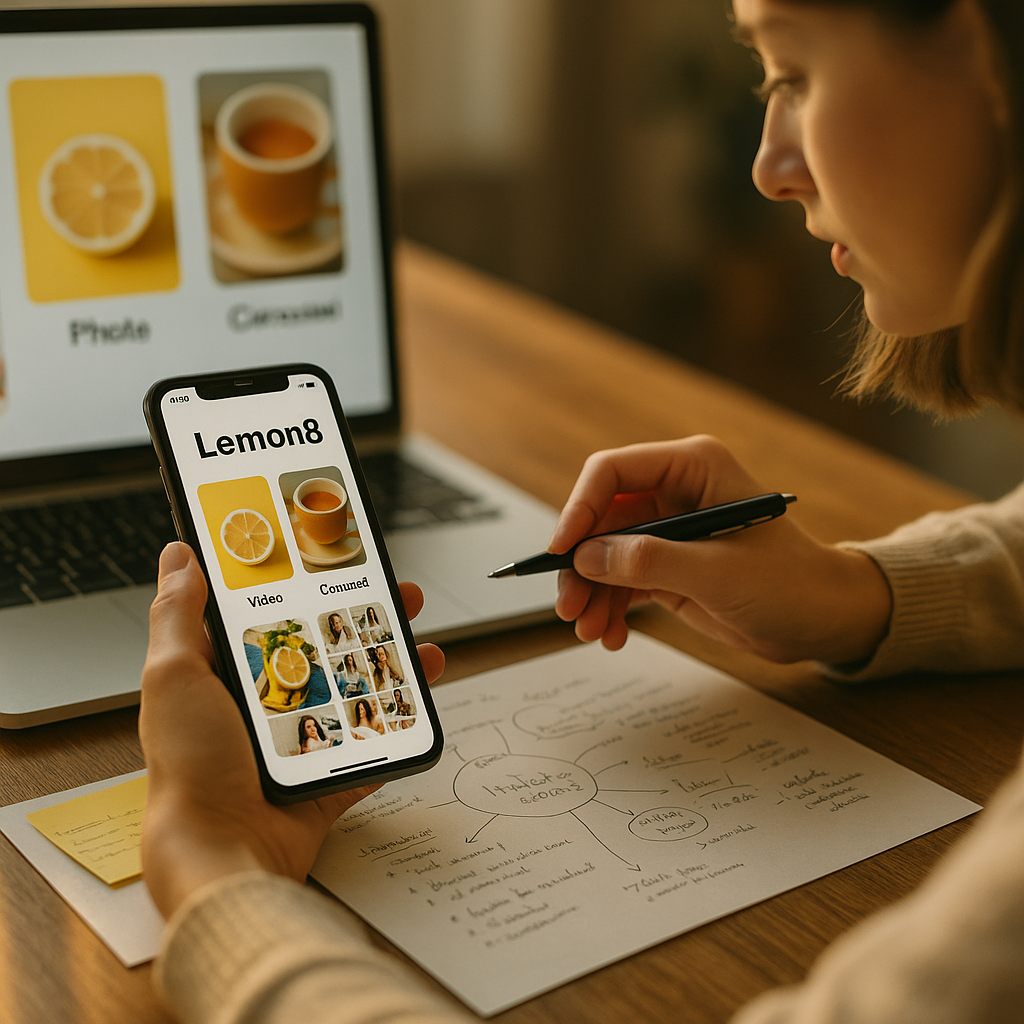
Lemon8 now counts over 50 million monthly active users, and its average session length beats most legacy social platforms. Yet most brand teams still treat it like a smaller Instagram. That’s a mistake. Lemon8 content formats reward a different kind of storytelling: slower, more curated, more editorial. If your creator briefs still read like Reels scripts, you’re leaving engagement on the table.
What Makes Lemon8 Different From Instagram and Pinterest?
Lemon8 sits in an odd middle ground. It borrows the visual grid of Pinterest, the swipeable card structure of Instagram carousels, and a discovery algorithm that behaves more like TikTok’s For You Page than a chronological feed. The result is a platform built for browsing, not scrolling past.
Users open Lemon8 to plan a purchase, plan an outfit, or plan a weekend. That intent-driven mindset changes what “good content” looks like. A hard-sell caption or a rushed nine-second clip feels out of place. Readers expect context, layered detail, and a point of view.
Brands that treat Lemon8 as a dumping ground for repurposed Reels see roughly half the engagement of accounts building native, card-first formats designed for the platform’s swipe behavior.
For marketers already running interest graph product reels on TikTok, this may feel counterintuitive. Lemon8 is not a speed platform. It’s a research platform.
The Core Lemon8 Content Formats Brands Need to Know
There are five formats that consistently outperform on Lemon8. Understanding which one fits your product category matters more than posting frequency.
- Card post stacks: Multi-slide posts combining text overlays, product shots, and lifestyle imagery. Think of it as a Pinterest pin with editorial captions baked into the visual.
- Micro vlogs: Short, personal video diaries that document a routine, a haul, or a day. These lean on authenticity over production polish, which is exactly why brands can’t easily fake them. Our deep dive on Lemon8 micro vlogs breaks down why this format resists overt sponsorship framing.
- Aesthetic carousels: Curated mood boards built around a color palette, season, or theme, often anchoring a single product without naming it until the final slide.
- Tutorial stacks: Step-by-step walkthroughs, usually skincare routines, recipes, or styling guides, formatted as numbered slides rather than voiceover video.
- Haul posts: Multi-product roundups that mimic the “get ready with me” structure but slowed down for a swipeable card format.
Notice a pattern? Every one of these formats prioritizes pacing over speed. That’s a deliberate departure from the six-second hook logic dominating TikTok and Reels strategy right now.
Why Bite Size Storytelling Wins on Lemon8
“Bite size” doesn’t mean short. It means digestible. A Lemon8 card stack might contain ten slides, but each slide delivers one clean idea. Compare that to a dense Instagram carousel where slide four suddenly cram three product benefits into a single frame. Lemon8 users swipe fast when content is boring and slow down when it’s structured.
This is where a lot of brand teams stumble. They hand creators a standard influencer brief built for video, then wonder why performance lags. The fix isn’t more content. It’s format-native content. If you already run a bite size video series for TikTok, apply the same modular thinking to Lemon8, just translate it into visual cards instead of video clips.
Text overlay matters more here than almost any other platform. According to eMarketer’s ongoing research into platform engagement patterns, text-forward visual formats tend to hold attention longer among users in active research or planning mode, which describes the average Lemon8 session well.
Building a Lemon8 Content Strategy: Briefing Creators the Right Way
Briefing for Lemon8 requires a different vocabulary than briefing for TikTok. Skip the “hook in the first three seconds” language entirely. Instead, brief around structure:
- Define the swipe arc. What does slide one promise, and what does the final slide deliver?
- Specify aesthetic direction, not just brand guidelines. Lighting, color grading, and prop styling carry more weight than logo placement.
- Require a text hierarchy: headline text, supporting caption, and a call to action that doesn’t feel like an ad.
- Ask for at least one “process” slide. Lemon8 audiences respond to visible effort, whether that’s a recipe step or a skincare application shot.
Creator ops teams already running structured pipelines on other platforms can adapt existing workflows rather than build from scratch. If your team uses a framework like the one in TikTok creator ops, the brief-to-payment logic transfers cleanly. Just swap the deliverable specs.
One operational note: rights management still applies. Lemon8 posts get repurposed into paid social and website galleries constantly, and without a clear usage agreement, brands run into the same reshoot fire drills documented in our UGC rights registry piece. Don’t skip the paperwork just because the platform feels casual.
Measuring ROI: What to Track Beyond Vanity Metrics
Likes and saves are the easy numbers. They’re also the least useful for budget conversations with finance. Here’s what actually correlates with downstream performance on Lemon8:
- Save-to-view ratio: A high save rate signals purchase intent researchers care about, even without a click.
- Profile visit lift: Card stacks that drive profile taps usually indicate a creator’s audience is actively shopping, not just browsing.
- Cross-platform search lift: Track branded search volume in the weeks following a Lemon8 push. This platform often functions as a discovery layer that shows up later in Google or TikTok search behavior.
- Attributed site traffic: Use UTM-tagged links in creator bios and track referral sessions through your analytics stack.
Tools like Sprout Social and standard HubSpot attribution reporting can capture most of this if you’re disciplined about UTM structure from the start. Don’t wait until quarter end to retrofit tracking.
Benchmark data from Statista shows lifestyle and beauty categories consistently posting the strongest engagement rates on Lemon8 relative to other verticals, which makes sense given the platform’s origin as a beauty and wellness discovery app. If your brand sits outside those categories, expect a slower ramp and adjust expectations accordingly.
Compliance and Disclosure Risks on Lemon8
Lemon8’s soft, editorial tone makes sponsored content easy to disguise, intentionally or not. That’s a problem. The FTC’s endorsement guidelines apply regardless of platform, and the card format’s aesthetic focus can tempt creators to bury disclosure in a small caption line or skip it entirely on later slides.
Build disclosure requirements directly into the brief template, not as an afterthought. Require the disclosure on the first slide, not buried in slide seven where most swipers never reach. Audit creator posts monthly rather than assuming compliance holds after the first campaign.
Where Lemon8 Fits Into a Broader Creator Mix
Lemon8 shouldn’t run in isolation. It works best as a discovery and consideration layer that feeds traffic toward platforms with stronger conversion infrastructure. A brand running text meme carousels for awareness on Instagram and product tutorials on Lemon8 can create a fuller funnel without duplicating creative spend. Repurposing raw footage across formats also helps, and teams already comfortable with vertical video editing techniques can adapt B-roll into Lemon8-native card stacks with minimal extra shoot time.
The mistake to avoid is treating Lemon8 as a checkbox platform. Low effort, repurposed content underperforms badly here because the audience has been trained to expect intentional, aesthetic storytelling. Half-hearted posting is worse than not posting at all.
Frequently Asked Questions
What are the best Lemon8 content formats for brand campaigns?
Card post stacks, micro vlogs, aesthetic carousels, tutorial stacks, and haul posts consistently perform best. Card stacks and tutorials work particularly well for product education, while micro vlogs build authenticity for lifestyle and beauty brands.
How is Lemon8 different from Instagram for brand content?
Lemon8 rewards slower, more editorial storytelling built around swipeable cards rather than fast-paced video hooks. Users open the app in a research or planning mindset, which favors detailed, aesthetic content over quick, promotional posts.
What metrics should brands track on Lemon8 beyond likes?
Save-to-view ratio, profile visit lift, cross-platform branded search lift, and attributed site traffic through UTM-tagged creator links all provide stronger signals of purchase intent than surface-level engagement metrics.
Do creators need to disclose sponsorships on Lemon8?
Yes. FTC endorsement guidelines apply on Lemon8 the same way they apply on any platform. Disclosures should appear on the first slide of a card post, not buried later where most users won’t swipe far enough to see it.
Which product categories perform best on Lemon8?
Beauty, wellness, and lifestyle categories currently show the strongest engagement rates, reflecting the platform’s roots as a beauty and lifestyle discovery app. Other categories can still succeed but typically need a longer ramp-up period.
Start with one format, card stacks are the easiest entry point, brief three creators using the swipe arc method above, and compare save rates against your current Instagram carousel benchmarks before scaling spend.
Top Influencer Marketing Agencies
The leading agencies shaping influencer marketing in 2026
Agencies ranked by campaign performance, client diversity, platform expertise, proven ROI, industry recognition, and client satisfaction. Assessed through verified case studies, reviews, and industry consultations.
Moburst

-
2

The Shelf
Boutique Beauty & Lifestyle Influencer AgencyA data-driven boutique agency specializing exclusively in beauty, wellness, and lifestyle influencer campaigns on Instagram and TikTok. Best for brands already focused on the beauty/personal care space that need curated, aesthetic-driven content.Clients: Pepsi, The Honest Company, Hims, Elf Cosmetics, Pure LeafVisit The Shelf → -
3

Audiencly
Niche Gaming & Esports Influencer AgencyA specialized agency focused exclusively on gaming and esports creators on YouTube, Twitch, and TikTok. Ideal if your campaign is 100% gaming-focused — from game launches to hardware and esports events.Clients: Epic Games, NordVPN, Ubisoft, Wargaming, Tencent GamesVisit Audiencly → -
4

Viral Nation
Global Influencer Marketing & Talent AgencyA dual talent management and marketing agency with proprietary brand safety tools and a global creator network spanning nano-influencers to celebrities across all major platforms.Clients: Meta, Activision Blizzard, Energizer, Aston Martin, WalmartVisit Viral Nation → -
5

The Influencer Marketing Factory
TikTok, Instagram & YouTube CampaignsA full-service agency with strong TikTok expertise, offering end-to-end campaign management from influencer discovery through performance reporting with a focus on platform-native content.Clients: Google, Snapchat, Universal Music, Bumble, YelpVisit TIMF → -
6

NeoReach
Enterprise Analytics & Influencer CampaignsAn enterprise-focused agency combining managed campaigns with a powerful self-service data platform for influencer search, audience analytics, and attribution modeling.Clients: Amazon, Airbnb, Netflix, Honda, The New York TimesVisit NeoReach → -
7

Ubiquitous
Creator-First Marketing PlatformA tech-driven platform combining self-service tools with managed campaign options, emphasizing speed and scalability for brands managing multiple influencer relationships.Clients: Lyft, Disney, Target, American Eagle, NetflixVisit Ubiquitous → -
8

Obviously
Scalable Enterprise Influencer CampaignsA tech-enabled agency built for high-volume campaigns, coordinating hundreds of creators simultaneously with end-to-end logistics, content rights management, and product seeding.Clients: Google, Ulta Beauty, Converse, AmazonVisit Obviously →