


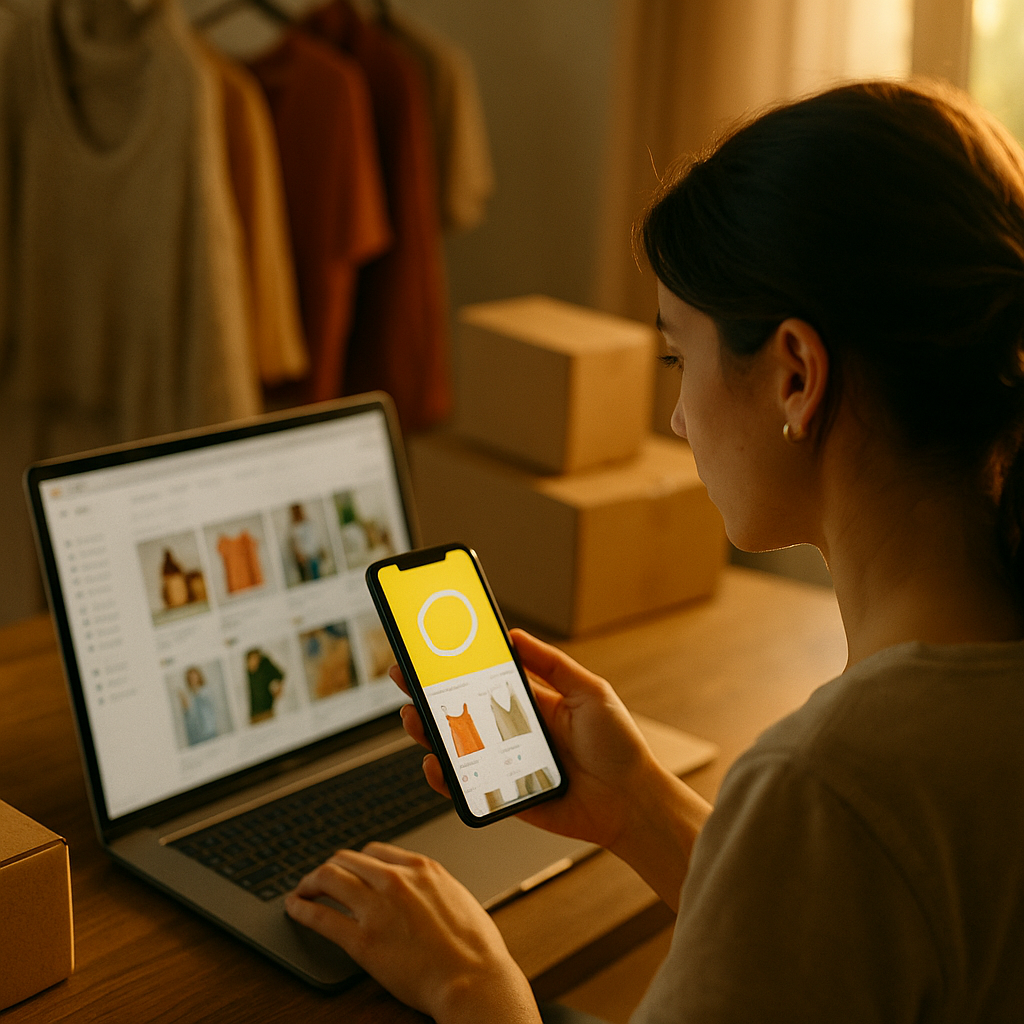
ByteDance now owns two platforms capable of moving product off shelves at scale. Lemon8 passed 50 million monthly active users faster than Pinterest did in its early growth years, and the app just rolled out a creator monetization suite that looks suspiciously like a TikTok Shop clone. So here’s the question every brand strategist should be asking right now: is Lemon8 monetization the start of a second creator economy, or just a feature parity exercise?
The answer matters because budget allocation decisions made this quarter will look either prescient or naive by next year.
What ByteDance Actually Shipped
Lemon8’s updated creator tools include tiered revenue sharing, in-app affiliate links, and a “Collections” shopping format that mirrors TikTok Shop’s product card layout almost exactly. Creators with over 5,000 followers can now apply for monetized status, unlocking commission rates on tagged products that reportedly range from 8 to 20 percent depending on category.
That’s not a cosmetic update. It’s infrastructure. ByteDance built TikTok Shop’s logistics, payment rails, and creator payout systems over several years, then ported a lightweight version into Lemon8 in a fraction of the time. The company clearly has a playbook, and it’s reusing it.
Lemon8 isn’t trying to beat TikTok Shop. It’s trying to give ByteDance a second monetization surface in case regulatory pressure ever limits the first one.
Why Brands Should Care: It’s a Hedge, Not Just a Product Launch
Here’s the part most coverage misses. TikTok’s ownership structure remains a live political issue in the United States and several other markets. Lemon8, positioned as a lifestyle and aesthetics app rather than a short-video platform, carries less scrutiny. If TikTok ever faces a forced divestiture or operational restriction, ByteDance has a second commerce-capable property already seeded with engaged users and an established creator payout system.
For brand strategists, that’s a risk mitigation signal worth reading closely. Platform concentration risk is already a familiar headache, and our earlier coverage of TikTok engagement share forcing budget reallocation flagged exactly this kind of single-platform dependency. Lemon8’s rise gives media planners an actual alternative rather than a hypothetical one, which changes the calculus on diversification.
The GMV Question Nobody Can Answer Yet
TikTok Shop generated extraordinary volume last year, with creators claiming 75 percent of a 23.4 billion dollar GMV figure. Lemon8 has nothing close to that disclosed publicly. ByteDance hasn’t released transaction volume, average order value, or creator payout totals for the platform’s commerce features.
That silence is itself informative. When a platform wants to signal commerce momentum, it publishes numbers, the way TikTok Shop did aggressively throughout its U.S. expansion. Lemon8’s quiet rollout suggests ByteDance is still testing unit economics rather than ready to broadcast a growth story. Brands jumping in early should treat this as a pilot budget line, not a core channel reallocation.
Our analysis of how GMV overtook engagement as the core KPI in influencer marketing applies directly here. If Lemon8 can’t produce comparable transaction data within the next two to three quarters, it’s a signal the monetization push is more defensive than commercial.
Creator Supply: Who’s Actually Posting Shoppable Content
Lemon8’s creator base skews heavily toward beauty, fashion, and home aesthetics, think curated “that girl” content rather than TikTok’s comedic, trend-driven feed. This matters for category fit. A supplement brand chasing lower acquisition costs through a TikTok Shop pivot probably won’t find the same audience density on Lemon8. A skincare or home decor brand might find a more qualified, purchase-intent-heavy audience there instead.
Agencies running cross-platform creator rosters should map talent by platform-native behavior, not just follower count. A creator who performs well on TikTok’s algorithm doesn’t automatically translate to Lemon8’s slower, more visual, Pinterest-adjacent discovery model.
Consolidation Context: Lemon8 Isn’t Alone in This Pattern
The broader creator platform landscape has been consolidating and hedging simultaneously. We’ve tracked similar defensive plays in other markets, including the HyperM Korea merger signaling platform consolidation and the vendor risk questions raised by the HyperM Roots N Wings deal. Platforms are building redundancy into their own business models because they know brands are building redundancy into their media plans.
That’s a healthy dynamic for buyers, frankly. More platform options with genuine commerce capability means less leverage concentrated in any single algorithm change or policy shift. It also means procurement and legal teams need to vet a second (or third) set of data handling and payout terms, which adds operational overhead even as it reduces platform risk.
Livestream and Shoppable Formats: Where the Real Money Sits
Static posts with tagged products are table stakes now. The real commerce engine on platforms like TikTok Shop has shifted toward livestream formats, a trend we detailed in livestream commerce overtaking static posts as the top creator revenue source. Lemon8 has not yet shipped a livestream shopping feature, which is arguably the biggest gap in its monetization suite.
Without live shopping, Lemon8’s commerce ceiling is capped. Static shoppable posts convert, but nowhere near the velocity of a live host demonstrating product in real time with urgency mechanics like limited-time discounts and flash inventory. If ByteDance wants Lemon8 to become a genuine second GMV engine rather than a feature demo, live commerce is the next logical ship date. Brands should watch for that release as the real signal of intent.
Practical Moves for Brand and Agency Teams
- Treat Lemon8 as a test budget, capped at a small percentage of total creator spend until payout and attribution data becomes available.
- Prioritize categories that match Lemon8’s aesthetic-first audience: beauty, home, fashion, wellness.
- Negotiate flexible, short-term creator contracts rather than annual retainers while the platform’s commerce tools are still unproven.
- Track whether Lemon8 ships livestream shopping. That’s the inflection point worth reacting to.
- Build measurement frameworks now rather than retrofitting them later, since last-click attribution already fails creator-driven journeys on established platforms and will be even messier on a new one.
Industry data from eMarketer and Statista continues to show social commerce growing faster than traditional e-commerce channels overall, which is exactly why ByteDance is hedging its bets with a second property. Platforms like Sprout Social have also noted rising brand interest in diversified creator platform strategies as a direct response to algorithm volatility on any single app.
The Regulatory Angle Brands Can’t Ignore
Any discussion of ByteDance-owned platforms in the current climate has to account for regulatory exposure. Data handling, creator payout compliance, and FTC disclosure rules apply to Lemon8 exactly as they do to TikTok. Review FTC endorsement guidelines before activating paid partnerships on the platform, and don’t assume Lemon8’s lower profile means lower scrutiny. Compliance teams that have already built disclosure workflows for TikTok campaigns can largely port those over, but contracts should name the platform explicitly rather than relying on generic “social media” language.
Closing Take
Lemon8’s monetization push is real, but it’s early. Allocate a small test budget, pick categories that fit the platform’s aesthetic-first audience, and watch for a livestream shopping feature as the signal that ByteDance is serious about building a second GMV engine rather than just a hedge against TikTok’s regulatory risk.
FAQs
What is Lemon8 monetization and how does it work for creators?
Lemon8 monetization refers to the platform’s new creator revenue tools, including tiered commission rates on tagged products and in-app affiliate links. Creators with roughly 5,000 or more followers can apply for monetized status and earn commissions ranging from 8 to 20 percent depending on product category.
Is Lemon8 owned by ByteDance, the same company behind TikTok?
Yes. Lemon8 is owned and operated by ByteDance, the same parent company behind TikTok. The two apps share underlying infrastructure but target different content styles and audiences.
Should brands shift influencer budget from TikTok Shop to Lemon8?
Not yet, and not entirely. Lemon8 lacks published GMV data, livestream shopping features, and the creator volume TikTok Shop has built over several years. Brands should treat Lemon8 as a supplemental test channel rather than a replacement for established TikTok Shop activity.
What categories perform best on Lemon8?
Beauty, fashion, home decor, and wellness content perform strongest on Lemon8, reflecting its aesthetic-first, curated lifestyle audience. Categories reliant on comedic or trend-driven short video, which drive much of TikTok’s engagement, tend to underperform on Lemon8’s slower discovery model.
Does Lemon8 have livestream shopping like TikTok Shop?
Not currently. Lemon8’s monetization suite centers on static shoppable posts and affiliate links. The absence of livestream commerce is one of the biggest gaps compared to TikTok Shop, and its arrival would signal a serious push toward higher GMV.
What compliance rules apply to paid partnerships on Lemon8?
The same disclosure and endorsement rules that apply to other social platforms apply to Lemon8, including FTC guidelines on clear and conspicuous sponsorship disclosure. Brands should name Lemon8 explicitly in creator contracts rather than relying on generic social media clauses.
Top Influencer Marketing Agencies
The leading agencies shaping influencer marketing in 2026
Agencies ranked by campaign performance, client diversity, platform expertise, proven ROI, industry recognition, and client satisfaction. Assessed through verified case studies, reviews, and industry consultations.
Moburst

-
2

The Shelf
Boutique Beauty & Lifestyle Influencer AgencyA data-driven boutique agency specializing exclusively in beauty, wellness, and lifestyle influencer campaigns on Instagram and TikTok. Best for brands already focused on the beauty/personal care space that need curated, aesthetic-driven content.Clients: Pepsi, The Honest Company, Hims, Elf Cosmetics, Pure LeafVisit The Shelf → -
3

Audiencly
Niche Gaming & Esports Influencer AgencyA specialized agency focused exclusively on gaming and esports creators on YouTube, Twitch, and TikTok. Ideal if your campaign is 100% gaming-focused — from game launches to hardware and esports events.Clients: Epic Games, NordVPN, Ubisoft, Wargaming, Tencent GamesVisit Audiencly → -
4

Viral Nation
Global Influencer Marketing & Talent AgencyA dual talent management and marketing agency with proprietary brand safety tools and a global creator network spanning nano-influencers to celebrities across all major platforms.Clients: Meta, Activision Blizzard, Energizer, Aston Martin, WalmartVisit Viral Nation → -
5

The Influencer Marketing Factory
TikTok, Instagram & YouTube CampaignsA full-service agency with strong TikTok expertise, offering end-to-end campaign management from influencer discovery through performance reporting with a focus on platform-native content.Clients: Google, Snapchat, Universal Music, Bumble, YelpVisit TIMF → -
6

NeoReach
Enterprise Analytics & Influencer CampaignsAn enterprise-focused agency combining managed campaigns with a powerful self-service data platform for influencer search, audience analytics, and attribution modeling.Clients: Amazon, Airbnb, Netflix, Honda, The New York TimesVisit NeoReach → -
7

Ubiquitous
Creator-First Marketing PlatformA tech-driven platform combining self-service tools with managed campaign options, emphasizing speed and scalability for brands managing multiple influencer relationships.Clients: Lyft, Disney, Target, American Eagle, NetflixVisit Ubiquitous → -
8

Obviously
Scalable Enterprise Influencer CampaignsA tech-enabled agency built for high-volume campaigns, coordinating hundreds of creators simultaneously with end-to-end logistics, content rights management, and product seeding.Clients: Google, Ulta Beauty, Converse, AmazonVisit Obviously →