


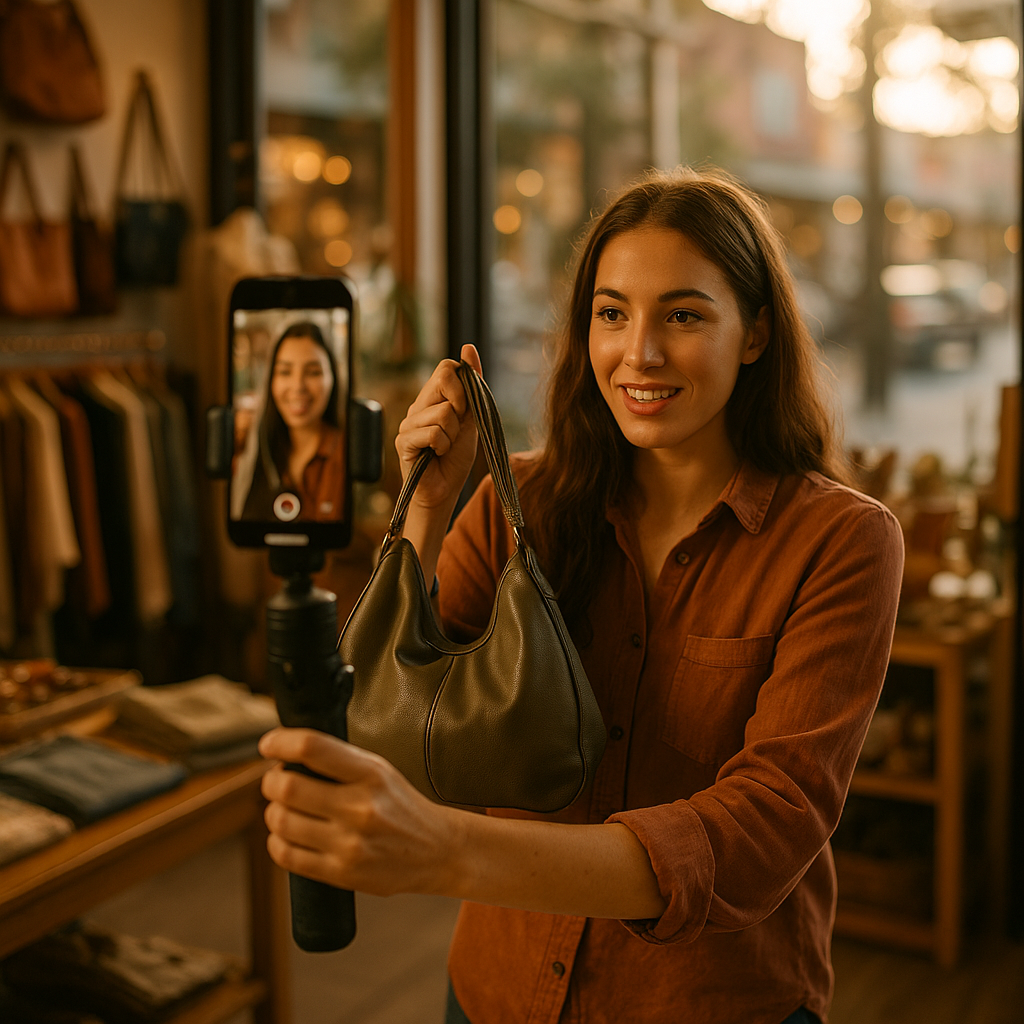
Local retailers face stiff competition from big box stores, but a hyper-local influencer strategy can level the playing field. By tapping into trusted local voices, businesses can drive foot traffic and foster community loyalty. Discover how one shop turned its fortunes around—and find actionable strategies for thriving in a crowded marketplace.
Embracing Hyper-Local Influencers: A Strategic Shift for Small Retailers
Competing against national retail giants requires more than just competitive prices—it demands community connection. In 2025, a local fashion boutique in Asheville, North Carolina, recognized that traditional digital ads weren’t resonating. The owners decided to pivot, focusing on hyper-local influencer partnerships. These micro-influencers, many with under 10,000 followers, were deeply woven into city life, from neighborhood artists to prominent yoga instructors.
This boutique handpicked individuals known for authenticity and meaningful engagement within Asheville’s tight-knit circles. Their audiences, though smaller, were attentive and highly motivated, leading to more genuine interactions than broad, paid promotions could achieve.
By prioritizing quality over quantity, the boutique saw greater visibility in local feeds and a direct uptick in conversations about the store—both online and in-person. The shift to localized influence marked the beginning of a transformative journey for this retailer.
Building Brand Trust Through Community Collaboration
According to a HubSpot survey from early 2025, 79% of consumers say they trust recommendations from people they know more than from brands themselves. The boutique leveraged this insight, creating partnerships that went beyond one-off promotions. They co-hosted in-store events, styled photo shoots in familiar Asheville landmarks, and encouraged influencers to share honest, unfiltered feedback on new arrivals.
Crucially, collaborations were designed to benefit the entire community. Influencers helped raise funds for local causes during pop-up shopping nights, and proceeds from special-edition items supported area nonprofits. Shoppers saw their purchases not only as a fashion choice but as a statement of local pride and commitment.
By making community involvement a cornerstone of its approach, the boutique quickly become a trusted, recognizable presence in Asheville’s retail scene—even for those encountering the store for the first time.
Data-Driven Influencer Selection: Maximizing Impact
Effective influencer marketing isn’t just about relationships; it’s about measuring results. The boutique adopted a data-driven approach, analyzing engagement metrics, audience demographics, and local relevance before partnering with influencers. Instead of chasing follower counts, the team used influencer marketing software to assess:
- Engagement Rates: Preference for influencers whose followers actively liked, commented, and shared posts.
- Audience Overlap: Focus on local followers likely to visit the store, rather than global audiences.
- Content Quality: Selection of influencers whose posts aligned well with the boutique’s brand aesthetic and values.
Tracking was continuous. Special links and personalized discount codes provided clear attribution on in-store visits and online sales. This enabled real-time campaign optimization and empowered the team to double down on influential partnerships that actually moved the needle.
Authentic Storytelling: Humanizing the Retail Experience
In the digital era, authenticity and relatability often trump glossy advertising. Influencers shared real stories of shopping in the boutique, posting candid photos and videos of product try-ons, gift suggestions, and behind-the-scenes glimpses. Some captured spontaneous “style swaps” with other locals, while others documented entire shopping trips with their children. This storytelling fostered emotional investment and effectively humanized the retail experience.
The boutique encouraged influencers to feature local staff, reveal their favorite finds, and discuss personal connections to the store. This content became highly shareable, prompting local followers to comment or tag friends. As a result, the boutique’s Instagram and TikTok engagement rates more than doubled within four months—far surpassing results from previous paid campaigns.
Most importantly, the authenticity of these stories built lasting relationships. Customers returned not only for the latest trends, but for the sense of belonging nurtured by the store and its extended network of local influencers.
Measuring Success: Store Traffic, Sales, and Sentiment
What did the boutique gain from this hyper-local influencer strategy? The answer lies in both hard data and community sentiment. Key results tracked over two quarters in 2025 include:
- In-store sales rose 32%. Shoppers frequently referenced influencer stories and promotion codes at checkout.
- Foot traffic increased by 28%. Weekends became busier, particularly after in-person influencer events.
- Online mentions doubled. Social media monitoring revealed a sharp uptick in positive reviews and community-driven referrals.
Perhaps most telling were customer survey responses. Shoppers cited influencers as a top reason for trying—or returning to—the boutique for the first time in months. The sense of trust, local pride, and personal relevance fostered by the influencer collaborations led not just to one-off purchases but to higher rates of repeat business. The boutique successfully differentiated itself from the impersonal nature of big box competitors, carving a sustainable niche amid ever-rising retail competition.
Lessons Learned: Actionable Tips for Local Businesses
This boutique’s journey offers concrete lessons for other local retailers seeking to differentiate themselves:
- Start small, but intentional. Seek micro-influencers with strong local ties rather than national “celebrity” status.
- Measure and adapt. Track engagement, store visits, and sales using campaign-specific codes and regular audience feedback.
- Invest in relationships, not just reach. Prioritize collaborations that authentically connect with your community’s needs and interests.
- Find mutual benefit. Let influencers co-create content and support causes they genuinely care about.
- Keep the human touch. Ensure every post showcases not just your products, but your people and place.
By weaving these principles into their marketing, local retailers can create lasting differentiation and customer loyalty—no matter how many big boxes arrive on Main Street.
FAQs: Hyper-Local Influencer Strategy for Local Retailers
-
What is a hyper-local influencer strategy?
It’s a marketing approach that partners with influencers who have strong reach and credibility within a specific geographic community. Their smaller, more focused followings help drive meaningful local engagement and business results. -
How do you find the right influencers for your local business?
Start by identifying community leaders, creatives, or personalities already active in your area. Analyze their engagement, audience location, and brand alignment before reaching out for a potential partnership. -
What are the benefits of choosing local influencers over larger ones?
Local influencers inspire stronger trust and relevance among nearby customers, often leading to higher conversion rates, more in-store visits, and increased word-of-mouth compared to large, distant influencers. -
How can you measure the success of influencer campaigns?
Use trackable codes, special landing pages, and store visit logs to attribute results. Regular customer feedback and social listening tools also help assess brand sentiment and campaign impact. -
What mistakes should local retailers avoid?
Avoid choosing influencers solely based on follower count or failing to vet for genuine local influence. Don’t overlook campaign tracking—always measure and refine for best results.
In summary, the right hyper-local influencer strategy can transform a local retailer’s prospects in 2025. By building community trust, leveraging data, and investing in authentic relationships, small businesses can thrive even amid industry giants.
Top Influencer Marketing Agencies
The leading agencies shaping influencer marketing in 2026
Agencies ranked by campaign performance, client diversity, platform expertise, proven ROI, industry recognition, and client satisfaction. Assessed through verified case studies, reviews, and industry consultations.
Moburst

-
2

The Shelf
Boutique Beauty & Lifestyle Influencer AgencyA data-driven boutique agency specializing exclusively in beauty, wellness, and lifestyle influencer campaigns on Instagram and TikTok. Best for brands already focused on the beauty/personal care space that need curated, aesthetic-driven content.Clients: Pepsi, The Honest Company, Hims, Elf Cosmetics, Pure LeafVisit The Shelf → -
3

Audiencly
Niche Gaming & Esports Influencer AgencyA specialized agency focused exclusively on gaming and esports creators on YouTube, Twitch, and TikTok. Ideal if your campaign is 100% gaming-focused — from game launches to hardware and esports events.Clients: Epic Games, NordVPN, Ubisoft, Wargaming, Tencent GamesVisit Audiencly → -
4

Viral Nation
Global Influencer Marketing & Talent AgencyA dual talent management and marketing agency with proprietary brand safety tools and a global creator network spanning nano-influencers to celebrities across all major platforms.Clients: Meta, Activision Blizzard, Energizer, Aston Martin, WalmartVisit Viral Nation → -
5

The Influencer Marketing Factory
TikTok, Instagram & YouTube CampaignsA full-service agency with strong TikTok expertise, offering end-to-end campaign management from influencer discovery through performance reporting with a focus on platform-native content.Clients: Google, Snapchat, Universal Music, Bumble, YelpVisit TIMF → -
6

NeoReach
Enterprise Analytics & Influencer CampaignsAn enterprise-focused agency combining managed campaigns with a powerful self-service data platform for influencer search, audience analytics, and attribution modeling.Clients: Amazon, Airbnb, Netflix, Honda, The New York TimesVisit NeoReach → -
7

Ubiquitous
Creator-First Marketing PlatformA tech-driven platform combining self-service tools with managed campaign options, emphasizing speed and scalability for brands managing multiple influencer relationships.Clients: Lyft, Disney, Target, American Eagle, NetflixVisit Ubiquitous → -
8

Obviously
Scalable Enterprise Influencer CampaignsA tech-enabled agency built for high-volume campaigns, coordinating hundreds of creators simultaneously with end-to-end logistics, content rights management, and product seeding.Clients: Google, Ulta Beauty, Converse, AmazonVisit Obviously →