


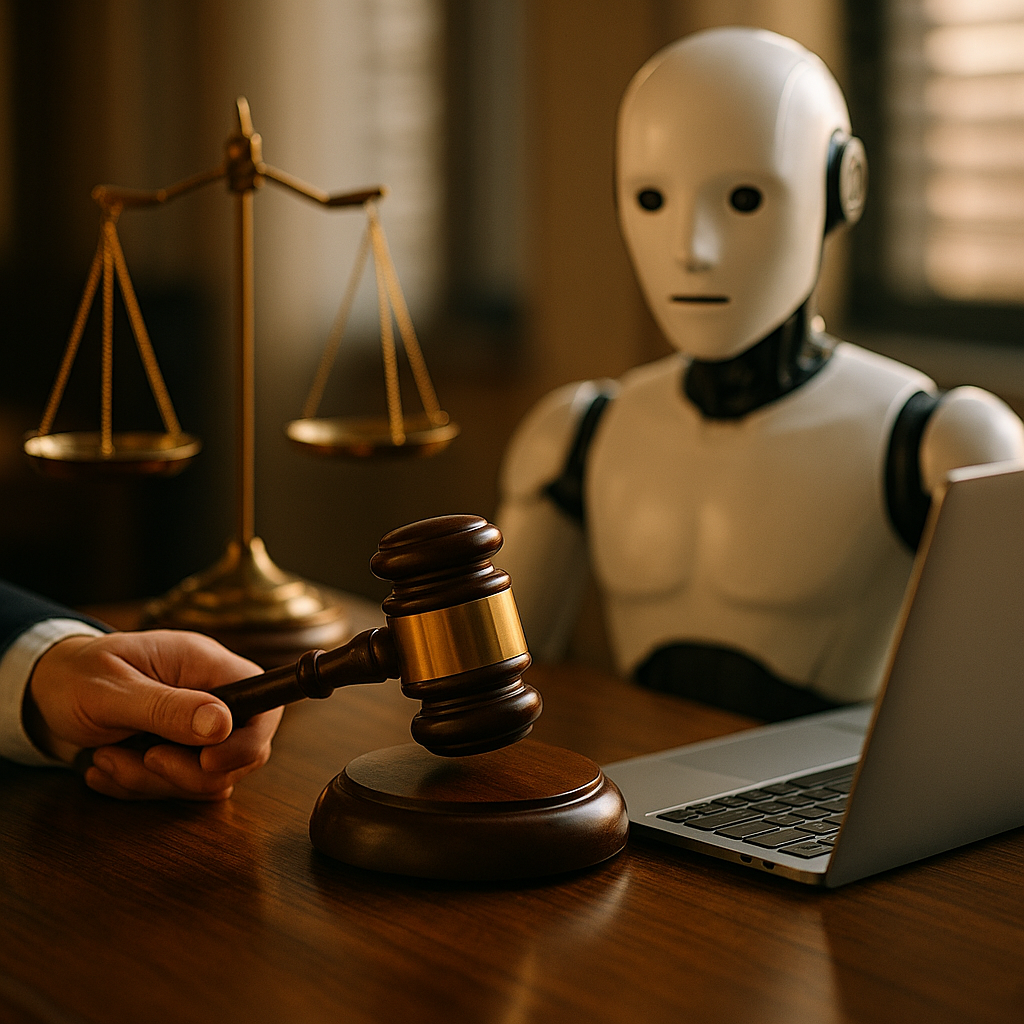
Picture this: an autonomous AI agent inside your marketing stack reallocates $40,000 in ad spend overnight, pushes a creator partnership live, and writes the caption itself. No human clicked publish. Who answers to the FTC when that caption makes an unsubstantiated health claim? This is no longer hypothetical. As platforms like Marketo AI roll out agentic features that plan, execute, and optimize campaigns with minimal human review, AI agent legal liability has become one of the thorniest unresolved questions in marketing compliance.
The Autonomy Problem Nobody Priced Into Their Martech Contract
Marketing automation used to mean rules and triggers. If X happens, send Y email. A human built the logic, so a human owned the outcome. Agentic AI breaks that chain. Modern platforms now make judgment calls: which creator to activate, what claim to feature, how much budget to shift toward a trending format. The software isn’t executing instructions anymore. It’s making decisions that used to require a marketing manager’s sign-off.
That shift matters enormously for liability. Traditional software licensing agreements assume a human operator stays in the loop, reviewing outputs before they go live. Agentic tools are explicitly marketed on removing that friction. Adobe’s Marketo Engage has leaned into AI-driven orchestration, and competitors across the martech landscape are racing to ship similar “set it and forget it” capabilities. Speed is the selling point. But speed without a clear accountability map is how brands end up explaining themselves to regulators.
When an AI agent picks the creator, writes the disclosure, and schedules the post, the brand that benefits from the sale is still the party regulators will call first. Software vendors are rarely named in enforcement actions. Brands are.
Who’s Actually on the Hook: Vendor, Brand, or Agency?
Liability doesn’t disappear just because a machine made the call. It redistributes, and the redistribution pattern right now favors brands eating the risk. Here’s why.
- The FTC doesn’t regulate software, it regulates advertisers. Enforcement actions target the company whose product is being marketed, not the AI vendor whose agent executed the campaign. If an AI agent fails to flag a paid partnership properly, the brand is the one facing the consent decree, not Marketo or any other platform provider.
- Vendor terms of service are built to disclaim, not absorb, risk. Read the liability clauses in most enterprise martech contracts and you’ll find language limiting damages to subscription fees paid, explicitly excluding consequential harm from “AI-generated recommendations” or “autonomous execution features.” Vendors know this technology is unproven at scale. Their legal teams have already protected them.
- Agencies sit in an uncomfortable middle layer. If an agency configured the AI agent, selected its training parameters, or approved the autonomy settings, they may share liability as the operational party even though they didn’t write a single line of creative themselves. This mirrors the exposure agencies already face under vicarious liability standards for creator disclosures they never personally posted.
The upshot: contracts written five years ago for “software as a tool” don’t map cleanly onto “software as a decision-maker.” Legal teams need to renegotiate, not just rely on boilerplate.
What Happens When the Agent Picks a Bad Creator Partner?
Say an AI agent, optimizing for engagement, auto-selects an influencer whose content later triggers a FTC endorsement complaint or a brand safety incident. The brand didn’t choose that creator. A human never reviewed the match. But the brand’s logo was on the post, the brand’s product was featured, and the brand’s revenue benefited from the sale.
That fact pattern looks a lot like cases already playing out in the influencer compliance world. Our coverage of the recent FTC endorsement sweep showed regulators don’t care how a mismatched partnership happened, only that it did. Swap “intern forgot to check” for “AI agent auto-selected,” and the regulatory calculus barely changes. The brand is still the answerable party.
Marketo AI, Specifically: What’s Different About This Generation of Tools
Marketo AI and comparable agentic platforms (think emerging agent layers inside Salesforce Marketing Cloud and HubSpot’s AI suite) differ from earlier automation in three liability-relevant ways:
- They act across channels simultaneously. One agent might adjust email send times, reallocate paid social budget, and greenlight an influencer collaboration brief within the same workflow. A single error can cascade across three compliance regimes at once: email marketing law, ad disclosure rules, and endorsement guidelines.
- They learn from brand data in ways that are hard to audit after the fact. If an agent’s recommendation engine was trained on past campaigns that included undisclosed paid placements, it may replicate that pattern invisibly. Nobody told it to break disclosure rules. It just learned from examples that did.
- They operate on timelines too fast for manual review. The entire value proposition is removing the lag between decision and execution. But that lag was often where legal review happened. Remove it, and you’ve removed your last compliance checkpoint.
This isn’t an argument against adopting agentic marketing tools. The efficiency gains are real, and HubSpot’s own research on marketing automation adoption shows measurable lift in campaign velocity and conversion rates. It’s an argument for building liability checkpoints into the workflow before autonomy, not after a regulator asks questions.
Insurance Gaps Are the Quiet Crisis Here
Most media liability and errors and omissions policies were underwritten before agentic AI existed as a product category. That creates a coverage gap that few marketing leaders have audited. Ask your risk team this directly: does our current E&O policy cover harm caused by an AI agent’s autonomous decision, or only harm caused by human-authored content that an AI merely assisted with?
The distinction is not academic. Insurers are already tightening language around AI-generated content coverage, and many policies now carve out autonomous decision-making explicitly. If your Marketo AI instance selects a creator, drafts a brief, and the resulting post triggers a lawsuit, you want to know before the claim, not during it, whether your policy treats that as “AI-generated content” or something uninsured entirely.
A policy written for human-assisted AI tools will not automatically cover autonomous AI decision-making. That gap is currently invisible to most marketing teams until a claim gets denied.
Building a Liability Framework Before You Scale Autonomy
Legal teams at forward-thinking brands are starting to build what amounts to an AI agent governance layer, sitting alongside existing creator and vendor compliance programs. A few practical moves worth adopting now:
- Map every autonomous decision point. Document exactly which decisions your AI agent makes without human sign-off: budget reallocation, creator selection, copy generation, disclosure placement. You cannot assign liability for decisions you haven’t inventoried.
- Negotiate vendor contracts with specific AI liability clauses. Standard SaaS terms won’t cut it. Push for language that addresses autonomous execution failures specifically, not just general software defects.
- Keep a human in the loop for anything disclosure-adjacent. Budget optimization can run autonomously with lower risk. Creator selection, claim substantiation, and disclosure language should retain a human review gate, full stop.
- Audit training data for compliance patterns. If your AI agent learned from historical campaigns, verify those campaigns were themselves compliant. Garbage in, liability out.
- Update your insurance before you expand autonomy, not after an incident. Treat E&O and media liability review as a prerequisite for scaling agentic features, the same way you’d treat a security audit before a new data integration.
This mirrors the broader compliance pattern the industry has already lived through with creator disclosure and state AI disclosure laws. Regulation tends to arrive after the technology has already scaled past the guardrails built for the previous generation of tools. Brands that get ahead of the liability question now, rather than waiting for a Federal Trade Commission consent decree to force the issue, will have a real competitive advantage in trust and in avoided penalties.
There’s also a standards angle worth watching. The IAB’s emerging AI attribution standard is one of the first industry attempts to create a shared vocabulary for who did what when AI touches a campaign. Expect more of these frameworks to emerge as enterprise buyers demand clarity before signing bigger AI martech contracts. Platforms that can’t answer “who’s liable if your agent gets it wrong” clearly should be a red flag in procurement, not a footnote.
What About Smaller Brands Without In-House Legal?
Not every marketing team has a legal department fluent in AI liability nuance. For leaner teams, the practical move is simpler: treat any AI agent’s output as a draft requiring sign-off until your vendor can demonstrate, in writing, what liability it accepts versus what it disclaims. If a platform can’t answer that question in its sales process, that’s useful information. It tells you the vendor hasn’t thought through the risk either, which means you’ll be the one holding it when something goes wrong. Benchmarking data from eMarketer on AI marketing tool adoption shows smaller teams adopting agentic features faster than their compliance maturity, a gap worth closing before scale, not after.
The bottom line: autonomous execution doesn’t mean autonomous accountability. Start mapping your AI agent’s decision points this quarter, renegotiate vendor liability language before your next contract renewal, and confirm your insurance actually covers what your software now does without you.
Frequently Asked Questions
Who is legally liable when an AI agent executes a marketing campaign without human review?
In most current enforcement patterns, the brand whose product or service is being promoted remains the primary liable party, since regulators like the FTC pursue advertisers rather than the software vendors whose tools executed the campaign. Agencies may share liability if they configured or approved the AI agent’s autonomy settings.
Does Marketo AI or similar agentic marketing software accept liability for campaign errors?
Most martech vendor contracts, including standard SaaS terms common across the industry, limit liability to subscription fees paid and explicitly exclude consequential damages tied to AI-generated recommendations or autonomous execution. Brands should not assume vendor liability without reviewing the specific contract language.
Does my current E&O insurance cover autonomous AI decision-making?
Not automatically. Many errors and omissions and media liability policies were written before agentic AI existed and may only cover human-authored content assisted by AI, not fully autonomous decisions. Confirm coverage specifics with your insurer before scaling autonomous features.
What’s the biggest compliance risk with AI agents selecting influencer partners?
The biggest risk is disclosure failure: if an AI agent selects a creator or generates a caption without flagging a paid partnership correctly, the brand faces the same FTC exposure as if a human made that error, even though no human reviewed the decision before it went live.
Should brands keep humans in the loop for all AI-driven marketing decisions?
Not necessarily for every decision. Lower-risk tasks like budget pacing can often run autonomously, but decisions tied to disclosure, creator selection, and claim substantiation should retain a human review checkpoint given current regulatory exposure.
Top Influencer Marketing Agencies
The leading agencies shaping influencer marketing in 2026
Agencies ranked by campaign performance, client diversity, platform expertise, proven ROI, industry recognition, and client satisfaction. Assessed through verified case studies, reviews, and industry consultations.
Moburst

-
2

The Shelf
Boutique Beauty & Lifestyle Influencer AgencyA data-driven boutique agency specializing exclusively in beauty, wellness, and lifestyle influencer campaigns on Instagram and TikTok. Best for brands already focused on the beauty/personal care space that need curated, aesthetic-driven content.Clients: Pepsi, The Honest Company, Hims, Elf Cosmetics, Pure LeafVisit The Shelf → -
3

Audiencly
Niche Gaming & Esports Influencer AgencyA specialized agency focused exclusively on gaming and esports creators on YouTube, Twitch, and TikTok. Ideal if your campaign is 100% gaming-focused — from game launches to hardware and esports events.Clients: Epic Games, NordVPN, Ubisoft, Wargaming, Tencent GamesVisit Audiencly → -
4

Viral Nation
Global Influencer Marketing & Talent AgencyA dual talent management and marketing agency with proprietary brand safety tools and a global creator network spanning nano-influencers to celebrities across all major platforms.Clients: Meta, Activision Blizzard, Energizer, Aston Martin, WalmartVisit Viral Nation → -
5

The Influencer Marketing Factory
TikTok, Instagram & YouTube CampaignsA full-service agency with strong TikTok expertise, offering end-to-end campaign management from influencer discovery through performance reporting with a focus on platform-native content.Clients: Google, Snapchat, Universal Music, Bumble, YelpVisit TIMF → -
6

NeoReach
Enterprise Analytics & Influencer CampaignsAn enterprise-focused agency combining managed campaigns with a powerful self-service data platform for influencer search, audience analytics, and attribution modeling.Clients: Amazon, Airbnb, Netflix, Honda, The New York TimesVisit NeoReach → -
7

Ubiquitous
Creator-First Marketing PlatformA tech-driven platform combining self-service tools with managed campaign options, emphasizing speed and scalability for brands managing multiple influencer relationships.Clients: Lyft, Disney, Target, American Eagle, NetflixVisit Ubiquitous → -
8

Obviously
Scalable Enterprise Influencer CampaignsA tech-enabled agency built for high-volume campaigns, coordinating hundreds of creators simultaneously with end-to-end logistics, content rights management, and product seeding.Clients: Google, Ulta Beauty, Converse, AmazonVisit Obviously →