


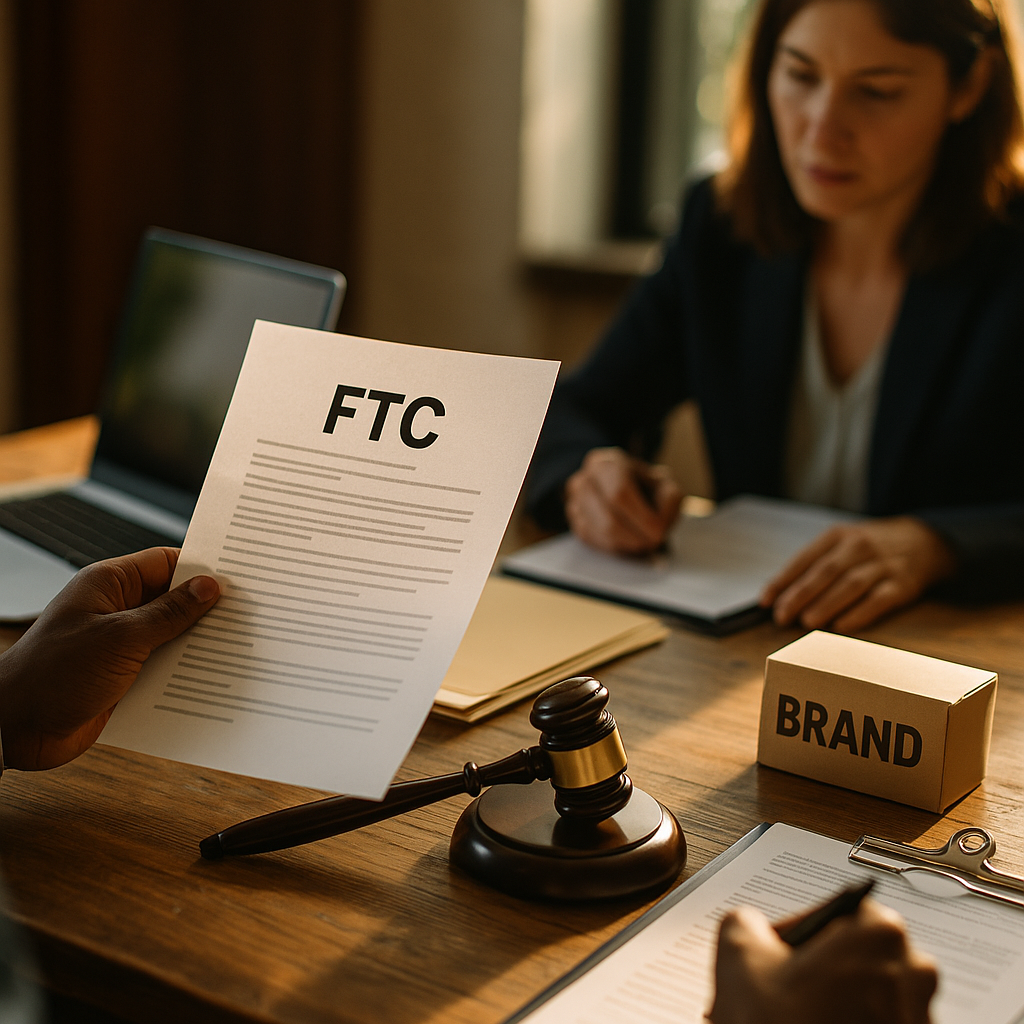
The FTC has now settled more endorsement cases in the past eighteen months than in the previous five years combined. If you still think disclosure enforcement is a creator problem, not a brand problem, the latest FTC endorsement guide enforcement sweep should change your mind fast. Regulators are naming brands as co-respondents, not just the influencers who forgot to type “#ad.”
For marketing leaders building or scaling influencer programs, this isn’t a compliance footnote. It’s a budget line, a legal exposure, and increasingly, a procurement requirement from your own general counsel.
Why the Sweep Matters More Than Past Enforcement Cycles
Previous FTC actions tended to target obvious bad actors: fake review mills, pay-for-praise networks, the occasional celebrity who forgot to disclose a paid post. The current sweep is different in scope and intent. The agency is explicitly pursuing brands that “knew or should have known” their creator partners weren’t disclosing properly, a standard that shifts liability upstream.
That shift matters because it changes who gets the subpoena. It’s no longer just the creator’s manager fielding FTC inquiries. It’s the brand’s legal team, its agency of record, and sometimes its media buying partner.
The FTC’s enforcement posture now treats disclosure failure as a shared liability chain, not an isolated creator mistake, which means brand contracts and monitoring systems are now part of the evidentiary record.
Several recent settlements involved brands that had disclosure language baked into creator contracts but never audited whether creators actually followed it. The contract existed. The compliance didn’t. That gap is exactly where the FTC is focusing its sweep.
What the Recent Settlements Actually Say
Strip away the legal boilerplate and the settlements follow a familiar pattern. Brands paid creators through affiliate links or flat fees, creators posted content without clear “#ad” or “Paid Partnership” labels, and platforms’ native disclosure tools were either unused or buried where consumers wouldn’t see them. Fines ranged from five figures for smaller campaigns to seven figures for larger, multi-platform pushes.
A few recurring failure modes show up across nearly every case:
- Disclosures placed below the fold or after a “see more” click, which the FTC treats as functionally invisible.
- Reliance on platform-native tags (like TikTok’s paid partnership label) without any brand-side verification that the tag was actually applied.
- Scripted content presented as spontaneous personal experience, with no mention of compensation at all.
- Affiliate commission structures where creators had financial incentive to downplay the “ad” nature of a post.
That last point connects directly to a trend we’ve covered before: affiliate and commission-based creator pay structures carry their own disclosure complications, separate from flat-fee sponsorships. If your program leans heavily on affiliate codes, it’s worth reviewing how affiliate commission structures intersect with disclosure obligations, because the FTC doesn’t treat “they only get paid if it sells” as an exemption from labeling rules.
Scripted Content Is a Bigger Risk Than Brands Realize
One pattern worth dwelling on: settlements increasingly cite scripted or brand-approved talking points presented as the creator’s unscripted opinion. This is the “implied experience” problem. A creator reads brand copy, but the post format suggests a genuine, independent review.
The FTC doesn’t care whether the script was technically accurate. It cares whether consumers were misled about the nature of the endorsement. Brands that provide heavy creative direction, approved scripts, or mandatory talking points need disclosure language that acknowledges that level of control, not generic “#sponsored” tags that imply a lighter touch than what actually happened. We broke this down in more detail in our piece on scripted content and implied experience, and it’s become one of the more common gaps auditors flag during pre-launch reviews.
Who Actually Pays When a Creator Gets It Wrong?
This is the question keeping brand counsel up at night. Historically, agencies absorbed a lot of the operational risk around creator management, while brands assumed the agency’s standard contract language covered disclosure compliance. The recent sweep suggests that assumption is shakier than it used to be.
Agency vicarious liability is now a live issue in settlement negotiations. If an agency booked the creator, approved the content, and never flagged a missing disclosure, regulators are asking why the brand’s own legal team didn’t catch it either. Shared liability doesn’t mean shared blame gets split evenly. It means everyone in the chain can be named. For a deeper look at how liability actually gets allocated between brand, agency, and creator, our analysis on agency liability for creator disclosures walks through how contract indemnification clauses are being tested in practice.
Practical implication: if your agency contracts don’t specify who audits disclosures, who pays for remediation, and who owns regulatory response, you have a gap that will surface at the worst possible time.
AI-Generated Content Adds a New Layer of Exposure
The sweep isn’t limited to human creators reading scripts. AI-generated testimonials, synthetic voiceovers, and virtual influencer endorsements are now squarely in scope. The FTC has signaled that AI-assisted content doesn’t get a disclosure pass just because no human technically “lied” on camera.
Brands using AI tools to generate product reviews, testimonial-style content, or virtual spokesperson campaigns should assume the same disclosure rigor applies, arguably more, since consumers have even less context about whether they’re watching a real person’s genuine reaction. Our coverage of AI-generated testimonials and disclosure gaps maps out where brands are getting caught, and the virtual influencer space has its own patchwork of state AI disclosure requirements layered on top of federal rules.
Treating AI-generated endorsements as a loophole is one of the fastest ways to end up in the next enforcement wave, since regulators have explicitly stated that synthetic content carries the same disclosure duty as human-created content.
Building a Program That Survives the Next Sweep
Settlements are expensive, but the bigger cost is usually operational disruption. Legal holds, paused campaigns, and reputational cleanup eat far more budget than the fine itself. A few practical moves separate brands that sail through audits from those that end up in headlines.
- Audit disclosure placement, not just presence. A disclosure buried in a caption’s fourth line doesn’t meet the FTC’s “clear and conspicuous” standard. Spot-check actual posts, not just contract language.
- Verify platform-native tags are actually applied. Don’t assume a creator used TikTok’s paid partnership label just because the contract requires it. Screenshot or API-verify it.
- Separate scripted content disclosure from spontaneous content disclosure. The level of brand control should be reflected in how the endorsement is framed.
- Extend compliance monitoring to affiliate and commission-based creators. Financial incentive structures are now explicitly part of the FTC’s review criteria.
- Clarify liability allocation in every agency and creator contract. Know who audits, who remediates, and who responds if the FTC sends an inquiry.
None of this requires a massive new compliance department. It requires someone owning the audit function, a documented review cadence, and contract language that matches operational reality rather than aspirational boilerplate. Platforms like Sprout Social and reporting tools that track post-level disclosure metadata are increasingly part of brand compliance stacks, not just performance dashboards.
Industry data from eMarketer suggests influencer marketing spend continues climbing even as regulatory scrutiny intensifies, which tells you brands aren’t pulling back, they’re just getting smarter about where the risk sits. The FTC’s own endorsement guide resources remain the single best primary source for updated disclosure language requirements, and they’re updated more frequently than most legal teams realize.
The Takeaway
Run a disclosure audit this quarter, not next year. Pull a sample of live creator content across your top campaigns, check placement and platform-tag usage against actual FTC guidance, and fix the gaps before an inquiry forces you to.
FAQs
What triggers an FTC endorsement guide enforcement action?
Enforcement typically follows consumer complaints, competitor reports, or FTC monitoring sweeps that flag missing, buried, or misleading disclosures in sponsored content. Repeat patterns across a brand’s campaigns increase the likelihood of formal action.
Can a brand be held liable if the creator fails to disclose properly?
Yes. Recent settlements show the FTC pursuing brands directly when there’s evidence they knew about or ignored disclosure failures, even when the creator technically violated a contract clause requiring proper labeling.
Does using a platform’s built-in paid partnership label guarantee compliance?
No. The label helps, but the FTC still evaluates placement, visibility, and whether the overall post makes the paid relationship clear to an average consumer, not just whether a tag exists somewhere in the metadata.
Are AI-generated endorsements subject to the same disclosure rules?
Yes. The FTC has signaled that synthetic or AI-assisted testimonials carry the same disclosure obligations as human-created endorsements, and enforcement sweeps now include this content category.
How often should brands audit creator disclosure compliance?
Quarterly audits are a reasonable baseline for active programs, with spot checks on any high-spend or high-visibility campaign launch. Programs using affiliate or commission-based creators should audit more frequently given the added financial incentive risk.
FAQs
What triggers an FTC endorsement guide enforcement action?
Enforcement typically follows consumer complaints, competitor reports, or FTC monitoring sweeps that flag missing, buried, or misleading disclosures in sponsored content. Repeat patterns across a brand’s campaigns increase the likelihood of formal action.
Can a brand be held liable if the creator fails to disclose properly?
Yes. Recent settlements show the FTC pursuing brands directly when there’s evidence they knew about or ignored disclosure failures, even when the creator technically violated a contract clause requiring proper labeling.
Does using a platform’s built-in paid partnership label guarantee compliance?
No. The label helps, but the FTC still evaluates placement, visibility, and whether the overall post makes the paid relationship clear to an average consumer, not just whether a tag exists somewhere in the metadata.
Are AI-generated endorsements subject to the same disclosure rules?
Yes. The FTC has signaled that synthetic or AI-assisted testimonials carry the same disclosure obligations as human-created endorsements, and enforcement sweeps now include this content category.
How often should brands audit creator disclosure compliance?
Quarterly audits are a reasonable baseline for active programs, with spot checks on any high-spend or high-visibility campaign launch. Programs using affiliate or commission-based creators should audit more frequently given the added financial incentive risk.
Top Influencer Marketing Agencies
The leading agencies shaping influencer marketing in 2026
Agencies ranked by campaign performance, client diversity, platform expertise, proven ROI, industry recognition, and client satisfaction. Assessed through verified case studies, reviews, and industry consultations.
Moburst

-
2

The Shelf
Boutique Beauty & Lifestyle Influencer AgencyA data-driven boutique agency specializing exclusively in beauty, wellness, and lifestyle influencer campaigns on Instagram and TikTok. Best for brands already focused on the beauty/personal care space that need curated, aesthetic-driven content.Clients: Pepsi, The Honest Company, Hims, Elf Cosmetics, Pure LeafVisit The Shelf → -
3

Audiencly
Niche Gaming & Esports Influencer AgencyA specialized agency focused exclusively on gaming and esports creators on YouTube, Twitch, and TikTok. Ideal if your campaign is 100% gaming-focused — from game launches to hardware and esports events.Clients: Epic Games, NordVPN, Ubisoft, Wargaming, Tencent GamesVisit Audiencly → -
4

Viral Nation
Global Influencer Marketing & Talent AgencyA dual talent management and marketing agency with proprietary brand safety tools and a global creator network spanning nano-influencers to celebrities across all major platforms.Clients: Meta, Activision Blizzard, Energizer, Aston Martin, WalmartVisit Viral Nation → -
5

The Influencer Marketing Factory
TikTok, Instagram & YouTube CampaignsA full-service agency with strong TikTok expertise, offering end-to-end campaign management from influencer discovery through performance reporting with a focus on platform-native content.Clients: Google, Snapchat, Universal Music, Bumble, YelpVisit TIMF → -
6

NeoReach
Enterprise Analytics & Influencer CampaignsAn enterprise-focused agency combining managed campaigns with a powerful self-service data platform for influencer search, audience analytics, and attribution modeling.Clients: Amazon, Airbnb, Netflix, Honda, The New York TimesVisit NeoReach → -
7

Ubiquitous
Creator-First Marketing PlatformA tech-driven platform combining self-service tools with managed campaign options, emphasizing speed and scalability for brands managing multiple influencer relationships.Clients: Lyft, Disney, Target, American Eagle, NetflixVisit Ubiquitous → -
8

Obviously
Scalable Enterprise Influencer CampaignsA tech-enabled agency built for high-volume campaigns, coordinating hundreds of creators simultaneously with end-to-end logistics, content rights management, and product seeding.Clients: Google, Ulta Beauty, Converse, AmazonVisit Obviously →