


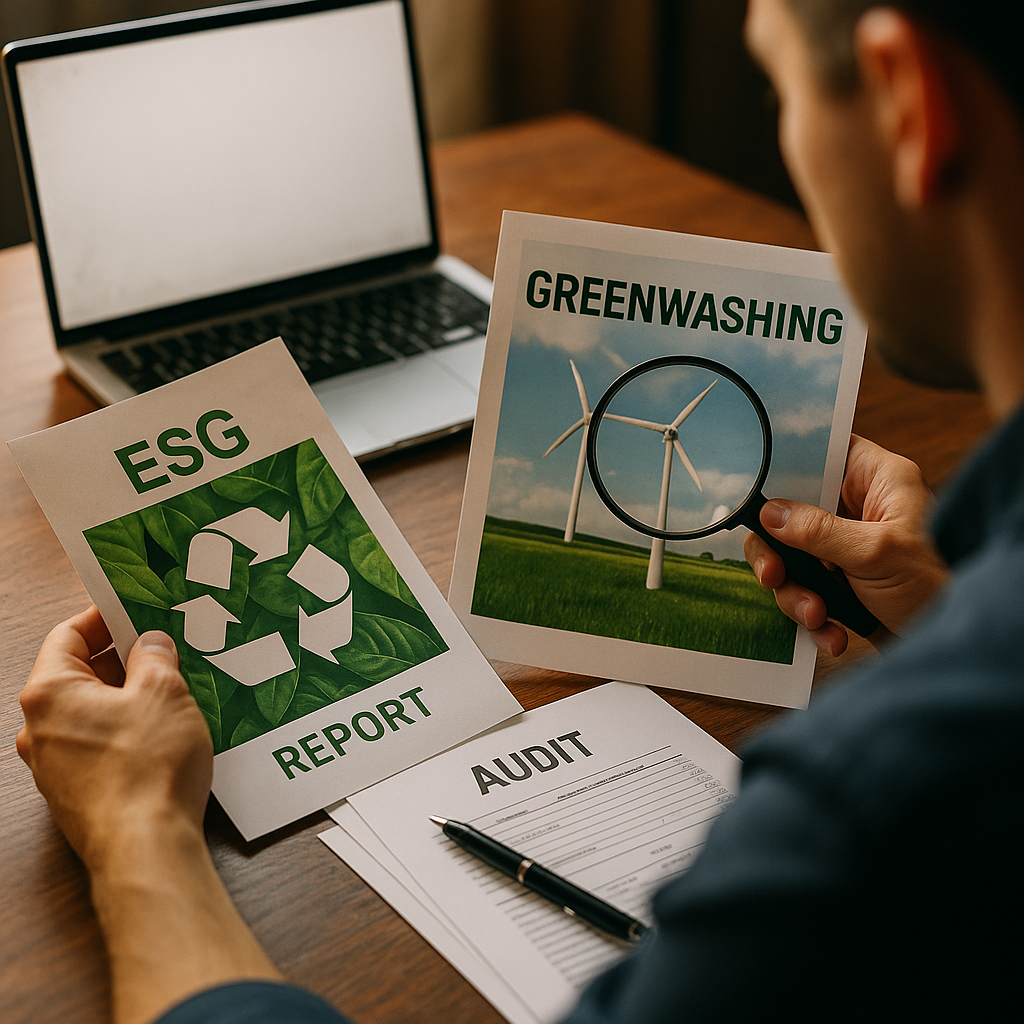
Here’s an uncomfortable number: the FTC flagged a spike in unsubstantiated “eco-friendly” and “carbon neutral” claims in sponsored content last year, and regulators on both sides of the Atlantic are now treating creator posts the same way they treat corporate ad copy. ESG disclosure requirements are no longer a corporate reporting problem. They’re a creator marketing problem, and most brands aren’t ready.
The Greenwashing Crackdown Is Coming for Influencer Content
For years, sustainability claims in influencer posts lived in a gray zone. A creator says a skincare brand is “clean,” a fashion haul gets tagged “sustainable fabric,” and nobody checks the receipts. That era is ending. The EU’s Green Claims Directive and Empowering Consumers Directive are tightening what counts as a substantiated environmental claim, and the FTC’s revised Green Guides explicitly apply to endorsements, not just packaging copy.
Brands that run influencer programs touching apparel, beauty, food, CPG, or travel are the most exposed. If your creators say “biodegradable,” “net zero,” “cruelty free,” or “low carbon footprint” without a documented basis, you’re carrying the same legal risk as if your own ad team wrote it. The FTC has already shown it will pursue brands over creator endorsement practices that mislead consumers, and sustainability claims are a logical next sweep target.
A sustainability claim made by a paid creator is legally treated as the brand’s own speech. There’s no “the influencer said it, not us” defense left standing.
Why This Hits Creator Programs Harder Than Traditional Ads
Traditional ad copy goes through legal review. Creator content usually doesn’t. Creators write their own captions, improvise on camera, and often repeat brand talking points without understanding the underlying substantiation standard. That gap between what marketing promises and what creators actually say on camera is exactly where regulators are finding violations. It’s the same structural problem that’s driven enforcement in AI generated testimonials and other disclosure categories: fast content production, slow compliance oversight.
What Counts as an ESG Claim, Anyway?
This is where brands trip up. ESG disclosure requirements don’t just cover obvious phrases like “eco-friendly.” They extend to implied claims, visual cues, and comparative statements. A creator holding up a product next to a recycling symbol, without context, can qualify as an environmental claim under Green Guides standards. So can phrases like:
- “Better for the planet” or “kinder to the environment”
- “Made from recycled materials” (without specifying percentage)
- “Carbon neutral” or “net zero” (without naming the offset methodology)
- “Ethically sourced” or “fair trade” (without certification reference)
- Any claim tied to a specific certification logo shown on screen
Vague claims are actually riskier than specific ones. A specific, substantiated claim with a citation is defensible. A vague feel-good phrase with nothing behind it is exactly what regulators are trained to flag first.
The 2027 Compliance Checklist
Treat this as your baseline audit before the next campaign brief goes out. Most of these items should live in your creator contract and briefing documents, not as an afterthought during legal review.
- Map every sustainability claim to a substantiation source. If a creator can say “recyclable packaging,” there needs to be a documented standard behind it, not a marketing deck adjective.
- Pre-approve exact language, not just talking points. Give creators scripted claim language for anything ESG related. Improvisation is where liability creeps in.
- Require disclosure of material connection alongside the claim. A sustainability claim without a clear #ad or #sponsored tag compounds the violation.
- Audit UGC and organic mentions, not just paid posts. Regulators don’t always distinguish between gifted and paid content when assessing brand liability.
- Log creator certifications and training completion. If a creator attended a brand sustainability briefing, keep the attendance record and materials used.
- Build a takedown and correction protocol. If a claim gets flagged post-publish, you need a documented process for correction, not a scramble.
- Retain all approval chains for a minimum retention period. Screenshot the brief, the approval email, and the final published asset together.
None of this is radically new process design. It’s the same audit-readiness discipline brands have had to build for other disclosure categories, like the record-keeping obligations covered in audit readiness requirements elsewhere in the compliance landscape.
Who’s Actually Liable When a Creator Overclaims?
Short answer: usually the brand, sometimes the agency, occasionally both. Vicarious liability frameworks mean that if your agency briefed the creator and approved the content, the agency can share exposure alongside the brand. This is the exact dynamic playing out in broader agency liability disputes across the industry right now.
Contracts need to explicitly assign who is responsible for substantiating ESG claims before publication: brand legal, agency compliance, or a third party verification service. Leaving it ambiguous is how both sides end up pointing fingers after a regulator inquiry lands.
There’s also a product liability angle worth flagging. If a creator overstates a sustainability benefit and a consumer purchases based on that claim, the exposure mirrors what’s already playing out in product liability cases tied to creator hype. The legal theory is the same: inflated claims create consumer reliance, and reliance creates damages.
Building an Audit Trail Before Regulators Ask
Here’s the part most marketing teams underestimate: you don’t need to wait for an investigation to start documenting. Build the audit trail as part of standard campaign workflow, not as a reactive measure.
Practical steps that actually hold up under scrutiny:
- Store approved claim language in a centralized asset library tied to each campaign, not scattered across Slack threads and email chains.
- Require creators to confirm receipt and understanding of claim guidelines in writing, even a simple e-signature works.
- Tag every piece of sponsored sustainability content in your influencer platform with a compliance status field.
- Run quarterly spot checks on live content, since platforms change captions and creators sometimes edit posts after approval.
According to eMarketer research, brands are increasing year-over-year spend on influencer marketing even as regulatory scrutiny rises, which means the volume of unreviewed claims in the wild is only growing. Compliance infrastructure needs to scale with spend, not lag behind it.
If you can’t produce the substantiation document for a sustainability claim within 24 hours of a regulator request, that claim shouldn’t have gone live in the first place.
Where State and Regional Rules Add Friction
Overlapping jurisdictions make this harder than a single federal standard would be. US state attorneys general have pursued their own greenwashing cases independent of FTC action, and UK guidance from the ICO and the Competition and Markets Authority adds another layer for brands running cross-border creator campaigns. This patchwork problem isn’t new to compliance teams, it’s the same pattern seen in state law audits for privacy and disclosure, just applied to sustainability claims now.
If your creator roster spans multiple countries, don’t assume one compliance template covers everyone. Build regional variants of your claim language and keep a jurisdiction tag on every piece of approved content.
What This Means for Budget and Vendor Selection
ESG compliance isn’t free, but it’s cheaper than a settlement. Factor review time into creator contracts and timeline expectations now, not after a campaign is already live. Some brands are building this into influencer platform RFPs, asking vendors to show built-in claim-tagging and approval workflow features before signing. If your current platform can’t tag and retrieve sustainability claims by campaign, that’s a gap worth raising in your next vendor review, alongside the kind of operational standards covered in HubSpot’s marketing operations resources.
Insurance is the other piece brands overlook. Media liability coverage increasingly asks about compliance documentation practices during underwriting, similar to how creator marketing insurance policies now factor disclosure practices into premium calculations. Clean ESG claim documentation isn’t just a legal shield, it can lower your insurance cost too.
Bottom line: don’t wait for a 2027 enforcement action to build this process. Start by auditing your last two quarters of creator content for unsubstantiated sustainability language, fix the contract language going forward, and put claim documentation into your standard campaign workflow this quarter, not next.
Frequently Asked Questions
What qualifies as an ESG claim in creator content?
Any statement, visual, or comparison suggesting environmental, social, or governance benefit qualifies, including terms like “sustainable,” “carbon neutral,” “ethically made,” or implied claims through imagery like recycling symbols shown on camera.
Who is liable if a creator makes an unsubstantiated sustainability claim?
Typically the brand, since regulators treat sponsored creator speech as the brand’s own marketing. Agencies can share liability if they wrote the brief or approved the final content.
Do organic or gifted posts carry the same ESG disclosure risk as paid content?
Often yes. Regulators have shown willingness to scrutinize gifted and organic mentions when assessing whether a brand influenced the claim, not just whether payment occurred.
How long should brands retain documentation for creator sustainability claims?
Best practice is to retain approval chains, briefing materials, and published content records for at least the length of any applicable statute of limitations in the relevant jurisdiction, often several years.
What’s the simplest first step for brands to get compliant?
Audit existing creator content for vague sustainability language, replace it with specific, substantiated claim scripts, and centralize approval documentation in one searchable system.
Top Influencer Marketing Agencies
The leading agencies shaping influencer marketing in 2026
Agencies ranked by campaign performance, client diversity, platform expertise, proven ROI, industry recognition, and client satisfaction. Assessed through verified case studies, reviews, and industry consultations.
Moburst

-
2

The Shelf
Boutique Beauty & Lifestyle Influencer AgencyA data-driven boutique agency specializing exclusively in beauty, wellness, and lifestyle influencer campaigns on Instagram and TikTok. Best for brands already focused on the beauty/personal care space that need curated, aesthetic-driven content.Clients: Pepsi, The Honest Company, Hims, Elf Cosmetics, Pure LeafVisit The Shelf → -
3

Audiencly
Niche Gaming & Esports Influencer AgencyA specialized agency focused exclusively on gaming and esports creators on YouTube, Twitch, and TikTok. Ideal if your campaign is 100% gaming-focused — from game launches to hardware and esports events.Clients: Epic Games, NordVPN, Ubisoft, Wargaming, Tencent GamesVisit Audiencly → -
4

Viral Nation
Global Influencer Marketing & Talent AgencyA dual talent management and marketing agency with proprietary brand safety tools and a global creator network spanning nano-influencers to celebrities across all major platforms.Clients: Meta, Activision Blizzard, Energizer, Aston Martin, WalmartVisit Viral Nation → -
5

The Influencer Marketing Factory
TikTok, Instagram & YouTube CampaignsA full-service agency with strong TikTok expertise, offering end-to-end campaign management from influencer discovery through performance reporting with a focus on platform-native content.Clients: Google, Snapchat, Universal Music, Bumble, YelpVisit TIMF → -
6

NeoReach
Enterprise Analytics & Influencer CampaignsAn enterprise-focused agency combining managed campaigns with a powerful self-service data platform for influencer search, audience analytics, and attribution modeling.Clients: Amazon, Airbnb, Netflix, Honda, The New York TimesVisit NeoReach → -
7

Ubiquitous
Creator-First Marketing PlatformA tech-driven platform combining self-service tools with managed campaign options, emphasizing speed and scalability for brands managing multiple influencer relationships.Clients: Lyft, Disney, Target, American Eagle, NetflixVisit Ubiquitous → -
8

Obviously
Scalable Enterprise Influencer CampaignsA tech-enabled agency built for high-volume campaigns, coordinating hundreds of creators simultaneously with end-to-end logistics, content rights management, and product seeding.Clients: Google, Ulta Beauty, Converse, AmazonVisit Obviously →