


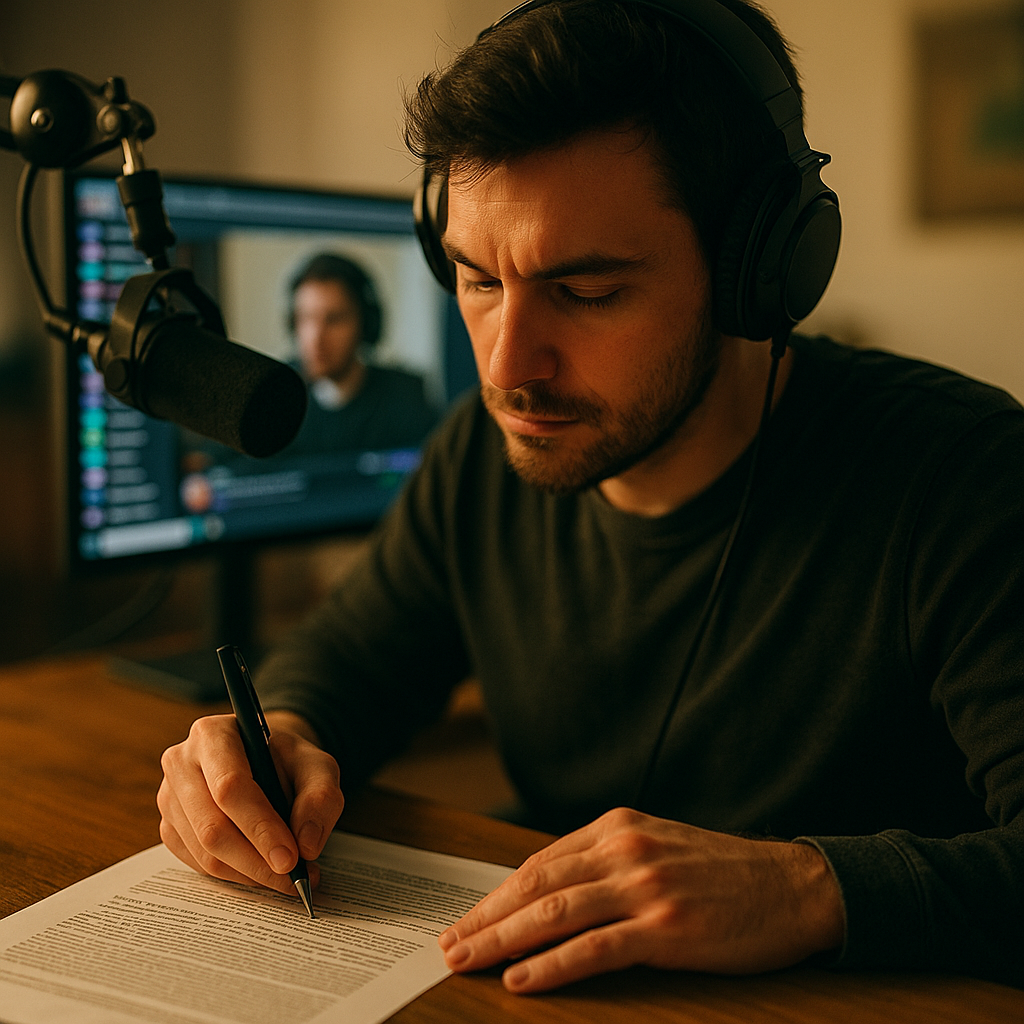
A single clipped video, reposted by an account you’ve never heard of, can tank a brand’s reputation faster than the original creator ever could. That’s the uncomfortable reality behind morality clauses for creators whose content travels through third-party UGC clipping networks. You didn’t sign a contract with the clipper. You’ll still get the blame.
Clipping networks — the ecosystems of fan accounts, aggregators, and paid “clippers” who chop up creator content for reach and revenue — have become one of the messiest gray zones in influencer risk management. Your contract covers the creator. It rarely covers what happens to their content once it leaves the creator’s hands and enters someone else’s distribution machine.
Why Clipping Networks Break the Old Morality Clause Playbook
Traditional morality clauses were built for a simpler supply chain: brand contracts creator, creator posts content, brand monitors creator’s own channels. Clean lines of accountability.
Clipping culture erased those lines. Clippers now take a creator’s livestream, podcast appearance, or long-form video, cut it into fifteen-second pieces, and redistribute it across dozens of accounts — often for their own ad-share revenue, sometimes under incentive programs run by the platforms themselves. TikTok’s Creator Rewards Program and similar schemes on YouTube Shorts and Instagram Reels have professionalized clipping into a small economy. Some creators actively encourage it because it juices their reach numbers.
The problem: clips get remixed, recontextualized, and sometimes stitched with commentary that changes the entire meaning of the original moment. A brand-sponsored segment can end up inside a clip that also features off-color jokes, political commentary, or footage from an unrelated controversy the original creator later gets swept into. None of that passes through your approval process. All of it can still tag your product.
If your morality clause only addresses the creator’s own conduct and their own channels, you’ve written a contract for a distribution model that no longer exists.
What a Morality Clause Actually Needs to Cover Now
Most standard morality clauses ask one question: has the creator done something embarrassing? The clipping-network era demands a second question: has content associated with the creator, distributed by parties outside the contract, created reputational exposure — regardless of who posted it?
That’s a meaningfully different legal ask. It requires drafting language that separates two distinct risk categories:
- Direct conduct risk — the creator’s own actions, statements, and posts, which existing morality clauses already handle reasonably well.
- Derivative distribution risk — reputational harm arising from third-party repackaging of the creator’s content, including clips, remixes, and stitched compilations the brand never approved and the creator may not have authorized either.
Smart contracts now build a clause structure that addresses derivative risk explicitly, rather than hoping the original morality language stretches to cover it. This mirrors the drafting shift already happening around AI-generated remixes, which we covered in AI remix rights and creator contracts — the underlying legal problem is the same: content escaping the boundaries of the original agreement.
Define “Associated Content” Broadly, But Not Infinitely
Vague clauses fail lawyers on both sides. Draft language that defines “associated content” as any third-party derivative work — clip, edit, compilation, meme, or repost — that a reasonable viewer would connect to the creator or the brand campaign, whether or not the creator authorized its creation.
That’s deliberately broad. But you need boundaries too, or you’ll end up trying to enforce a clause against content the creator genuinely has no control over and no reasonable way to have prevented. Reasonable brands build in a materiality threshold: the clause triggers only when associated content reaches a meaningful audience (say, above a defined view or share count) or when it involves specific high-risk categories — hate speech, illegal activity, sexual content, deceptive claims, or anything touching regulated industries like health or finance.
Without a materiality threshold, you’ll spend legal hours chasing down a clip with 40 views posted by a bot account. With one, you focus resources where the actual brand risk lives.
Build a Notice-and-Response Obligation, Not Just a Termination Right
Here’s where most first drafts go wrong: they jump straight to termination rights. “Brand may terminate if creator’s associated content violates X.” That’s necessary, but it’s not sufficient, and it puts the creator in an impossible position — punished for something they may not have created and can’t unilaterally remove.
A better structure borrows from notice-and-cure frameworks already used elsewhere in creator contracting. Require the creator to take specific, defined actions within a set window once notified: requesting takedown from the clipping account, issuing a public clarification, reporting the content to the platform, or formally disavowing it. Only if those steps aren’t taken, or don’t resolve the exposure, does termination or suspension kick in.
This isn’t just fairer. It’s more defensible if a dispute ever reaches arbitration. Courts and arbitrators tend to look unfavorably on morality clauses that punish creators for conduct entirely outside their control, with zero opportunity to remedy it. We’ve seen similar due-process logic built into state-level compliance frameworks — see how Vermont’s notice-and-cure law structures a remedy window before penalties apply. The same logic transfers cleanly to contract drafting.
Indemnification Needs a Third-Party Carve-Out
Indemnification clauses in most creator agreements assume two parties: brand and creator. Clipping networks introduce a third party the contract never named, and that gap is where liability quietly leaks.
Draft indemnification language that distinguishes between harm the creator directly caused and harm caused by unauthorized third-party redistribution. The creator shouldn’t indemnify the brand for a stranger’s edit. But the creator also shouldn’t get a free pass if they actively encouraged, monetized, or failed to act against clipping accounts they had the power to influence — many creators have direct relationships with their top clippers, sometimes even paying them.
This is functionally similar to the indemnification logic brands are already applying to AI-driven media buying, where responsibility gets split based on who had control over the decision. Our breakdown of AI agent indemnification clauses walks through that allocation model in more depth, and the same “who had control” test applies directly to clipping-network exposure.
Platform Disclosure Rules Don’t Disappear Just Because a Clipper Reposts the Content
Here’s a wrinkle brand legal teams frequently miss: FTC disclosure obligations don’t vanish when content gets clipped and reshared. If a clip retains sponsored material — say, a product mention or on-screen branding — and gets redistributed without the original #ad disclosure, the FTC’s endorsement guidance can still treat that as a deceptive practice, particularly if the brand had reason to know the clip was circulating. The FTC’s endorsement guidelines focus on the net impression left on consumers, not the specific account that posted it.
Your morality and reputational-risk clause should require creators to preserve original disclosure elements whenever they know clips of their content will circulate, and to flag brand deals to clipping partners they have a direct relationship with. It’s not a perfect fix. It’s a documented good-faith effort, which matters enormously if regulators or platforms ever come asking.
This connects directly to broader disclosure hygiene work brands should already be doing across formats — see our cross-platform ad disclosure matrix for how disclosure requirements shift by platform, and apply the same rigor to clipped derivatives.
A Practical Drafting Checklist
Legal teams building or revising these clauses should work through a short but non-negotiable list:
- Define “associated content” broadly, but attach a materiality threshold tied to reach or content category.
- Separate direct conduct risk from derivative distribution risk in the clause structure itself, not as an afterthought.
- Include a notice-and-response window before termination rights activate.
- Require creators to disclose known relationships with clipping accounts or aggregators at the time of contracting.
- Split indemnification based on control and knowledge, not blanket liability.
- Mandate preservation of disclosure elements (hashtags, on-screen labels) whenever the creator knows clipping is likely.
- Build in a documented monitoring cadence — quarterly sweeps of clipping platforms tied to major campaigns, not just reactive crisis response.
That monitoring piece matters more than most brands admit. According to eMarketer, short-form video consumption continues to climb across nearly every demographic, and clipped, remixed content increasingly drives more views than original long-form posts. Ignoring where your sponsored content ends up isn’t a minor oversight anymore. It’s a visibility gap with real budget consequences.
Reputational risk no longer lives only in the contract you signed — it lives in every account that reposts what your creator made, whether you knew about it or not.
What This Means for Renewal Season
If your current creator agreements were drafted before clipping economies matured, they’re already out of date. This isn’t a hypothetical future risk. It’s an active gap sitting in contracts renewing right now.
Treat this the same way you’d treat any other emerging liability category: audit first, then patch. Pull your top twenty active creator contracts. Check whether the morality clause language even contemplates third-party redistribution. If it doesn’t, you’re operating on hope, not risk management. Tools like Sprout Social and similar social listening platforms can help surface where your sponsored content is circulating outside owned channels, giving legal and brand safety teams the visibility needed to enforce these clauses rather than just draft them.
The same audit discipline applies broadly across your creator contract portfolio heading into renewal cycles — our renewal checklist for AI remix liability offers a useful parallel framework for structuring that review.
Next Step
Don’t wait for a clipping-network incident to force a rewrite. Pull your active creator contracts this quarter, add a defined derivative-distribution clause with a notice-and-cure window, and require creators to disclose known clipper relationships at signing — that’s the single highest-leverage fix available right now.
FAQs
What is a morality clause in a creator contract?
A morality clause gives a brand the right to suspend or terminate a partnership if the creator engages in conduct that damages the brand’s reputation, such as illegal activity, offensive statements, or public scandal. Traditionally it covers the creator’s direct actions only.
Are brands liable for content clipped and reposted by third parties?
Brands can face reputational and, in some cases, regulatory exposure if sponsored content appears in third-party clips, especially if disclosure requirements aren’t preserved. Legal liability depends heavily on what the brand or creator knew and whether reasonable steps were taken to address it.
Can a brand hold a creator responsible for a clipper’s actions?
Only within reasonable limits. Courts and arbitrators generally expect the creator to have some level of control, knowledge, or relationship with the clipping account before liability attaches. Blanket clauses punishing creators for any third-party repost rarely hold up well.
How should indemnification clauses handle clipping network risk?
Indemnification should be split based on control and knowledge — creators should indemnify brands for harm they caused or enabled, not for unauthorized redistribution entirely outside their awareness or influence.
Do FTC disclosure rules still apply to clipped content?
Yes. The FTC evaluates the overall impression left on consumers, not just the original posting account. If a clip retains sponsored material without proper disclosure, it can still create compliance exposure for the brand.
What’s the biggest mistake brands make with these clauses?
Treating clipping-network exposure as a footnote in existing morality language instead of drafting a dedicated derivative-distribution clause with clear thresholds, notice periods, and indemnification splits.
Top Influencer Marketing Agencies
The leading agencies shaping influencer marketing in 2026
Agencies ranked by campaign performance, client diversity, platform expertise, proven ROI, industry recognition, and client satisfaction. Assessed through verified case studies, reviews, and industry consultations.
Moburst

-
2

The Shelf
Boutique Beauty & Lifestyle Influencer AgencyA data-driven boutique agency specializing exclusively in beauty, wellness, and lifestyle influencer campaigns on Instagram and TikTok. Best for brands already focused on the beauty/personal care space that need curated, aesthetic-driven content.Clients: Pepsi, The Honest Company, Hims, Elf Cosmetics, Pure LeafVisit The Shelf → -
3

Audiencly
Niche Gaming & Esports Influencer AgencyA specialized agency focused exclusively on gaming and esports creators on YouTube, Twitch, and TikTok. Ideal if your campaign is 100% gaming-focused — from game launches to hardware and esports events.Clients: Epic Games, NordVPN, Ubisoft, Wargaming, Tencent GamesVisit Audiencly → -
4

Viral Nation
Global Influencer Marketing & Talent AgencyA dual talent management and marketing agency with proprietary brand safety tools and a global creator network spanning nano-influencers to celebrities across all major platforms.Clients: Meta, Activision Blizzard, Energizer, Aston Martin, WalmartVisit Viral Nation → -
5

The Influencer Marketing Factory
TikTok, Instagram & YouTube CampaignsA full-service agency with strong TikTok expertise, offering end-to-end campaign management from influencer discovery through performance reporting with a focus on platform-native content.Clients: Google, Snapchat, Universal Music, Bumble, YelpVisit TIMF → -
6

NeoReach
Enterprise Analytics & Influencer CampaignsAn enterprise-focused agency combining managed campaigns with a powerful self-service data platform for influencer search, audience analytics, and attribution modeling.Clients: Amazon, Airbnb, Netflix, Honda, The New York TimesVisit NeoReach → -
7

Ubiquitous
Creator-First Marketing PlatformA tech-driven platform combining self-service tools with managed campaign options, emphasizing speed and scalability for brands managing multiple influencer relationships.Clients: Lyft, Disney, Target, American Eagle, NetflixVisit Ubiquitous → -
8

Obviously
Scalable Enterprise Influencer CampaignsA tech-enabled agency built for high-volume campaigns, coordinating hundreds of creators simultaneously with end-to-end logistics, content rights management, and product seeding.Clients: Google, Ulta Beauty, Converse, AmazonVisit Obviously →