


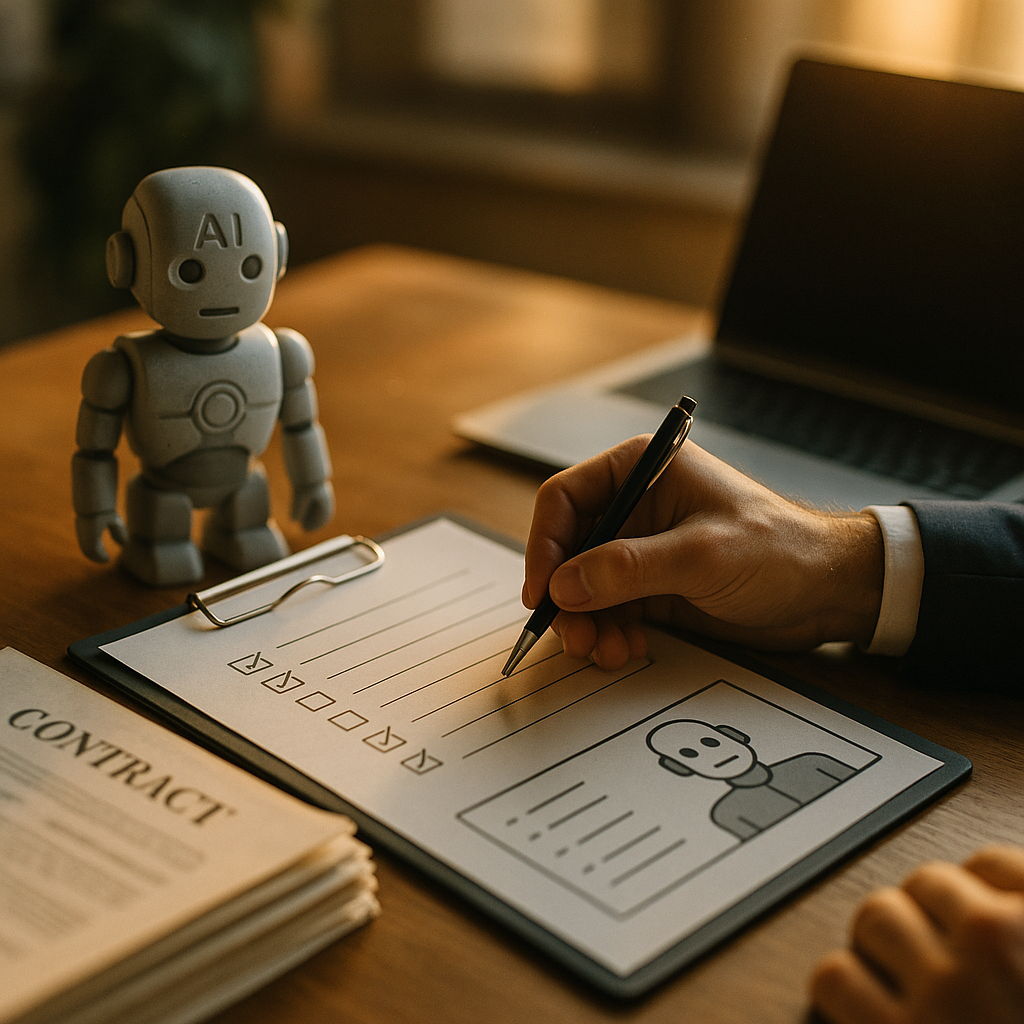
Nearly 40% of creator agreements signed before this year contain zero language addressing AI remix rights, according to contract review firms tracking the space. That’s not a small gap. It’s a liability crater. As Q4 2026 renewal season approaches, brands still relying on templates from the pre-generative-AI era are exposing themselves to disputes they haven’t even imagined yet — and an AI remix liability audit is no longer optional homework.
Here’s the uncomfortable truth: platforms shipped AI remix and repurposing tools faster than legal teams could react. TikTok’s AI editing suite, Instagram’s Reels remix expansions, YouTube’s Dream Screen-style generative overlays — all of it lets brands, creators, and total strangers manipulate original content into derivative works. Who owns that derivative? Who’s liable when it misrepresents a product claim? Most contracts signed two or three renewal cycles ago simply never asked the question.
Why Q4 2026 Is the Real Deadline
Renewal season isn’t just a calendar event. It’s the one moment each year when brands have actual leverage to renegotiate terms instead of just signing whatever’s already in place. Miss this window, and you’re locked into another 12-month cycle with the same exposure.
Multiple state-level AI disclosure laws are already active, and platform-specific labeling requirements have tightened considerably. Add to that the FTC’s ongoing scrutiny of undisclosed AI-generated endorsements, and you’ve got a compliance environment that punishes brands for contracts that haven’t kept pace. The FTC’s enforcement priorities increasingly treat “we didn’t know the creator used AI remix tools” as a non-answer, not a defense.
If your creator contract doesn’t name who owns, controls, and bears liability for AI-remixed derivative content, you don’t have a gap — you have an open invitation for a dispute.
The Five Places Remix Liability Hides
Most legal reviews scan for the obvious: usage rights, exclusivity, payment terms. AI remix liability hides in quieter corners of the document. Here’s where to look first.
- Derivative works clauses. Old templates often define “derivative work” narrowly — think edits, cuts, translations. They rarely anticipate AI-generated remixes that alter tone, likeness, or claims entirely.
- Indemnification language. Does the creator indemnify the brand if their AI-remixed content violates someone else’s IP? Does the brand indemnify the creator if the brand’s internal team remixes their content using an AI tool? Most contracts are silent on both directions.
- Platform tool consent. Creators increasingly use platform-native AI remix features without brand sign-off. If that remix changes a product claim or misrepresents efficacy, who’s on the hook?
- Likeness and voice protections. AI remix tools can alter a creator’s voice or likeness in ways that go beyond simple editing. Contracts written before generative voice tools existed usually don’t cover this at all — a gap covered in more depth in our AI voice clone clause breakdown.
- Termination triggers. If an AI remix creates a compliance incident, does either party have a clean exit? Vague termination language turns a fixable problem into a prolonged legal standoff.
What an Actual Audit Looks Like
This isn’t about hiring outside counsel to reread every contract line by line (though that helps). It’s about running a structured, repeatable process before renewal ink dries.
Start with a clause inventory. Pull every active creator contract up for Q4 renewal and flag which ones mention “AI,” “remix,” “derivative,” or “generative” anywhere in the text. If the answer is zero mentions, that contract goes to the top of the rewrite pile.
Next, map remix pathways. Ask: where could this content get remixed? Platform-native tools (TikTok, Reels, YouTube Shorts), brand-side AI editing tools, third-party fan remixes, or agency repurposing for paid amplification. Each pathway carries different liability exposure, and your contract should name them individually rather than relying on a vague “any modification” catch-all.
Then, stress-test indemnification symmetry. A lopsided indemnification clause — where the creator absorbs all risk but the brand retains all remix rights — is a lawsuit waiting for a plaintiff. Our earlier piece on remix indemnification clauses walks through language that actually holds up when both parties share exposure.
Finally, check disclosure alignment. If a remix qualifies as AI-generated content under platform rules or state law, does your contract obligate the creator (or brand) to label it accordingly? This is where TikTok-specific remix clauses and broader cross-platform AI ad label requirements intersect — and where most contracts fall short.
A Quick Gut-Check Question
Ask your legal or compliance lead this: “If a creator’s AI-remixed video misstates a product benefit and goes viral, who pays for the correction, the FTC response, and the reputational cleanup?” If nobody can answer in under thirty seconds, you’ve found your audit priority.
Renewal Negotiation: Where Brands Actually Have Leverage
Creators want repeat deals. Agencies want retained accounts. That gives brands more negotiating room at renewal than most teams realize — use it. Don’t just renew the old paper with a new date stamped on top.
Push for three specific additions during Q4 renewal conversations:
- An AI remix disclosure rider that requires creators to flag any use of generative remix tools on branded content, before publishing, not after.
- A shared indemnification structure that splits liability based on who initiated the remix — brand-side, creator-side, or platform-native tool.
- A model deprecation and update clause that accounts for AI tools changing behavior mid-contract. If the tool a creator used at signing gets updated or deprecated, your contract shouldn’t leave that risk undefined. This mirrors the logic in our AI model deprecation clause guidance for creator-matching platforms.
None of this requires reinventing your entire contract template. It requires adding specific, narrow riders that close the gaps generative AI tools have opened since your last renewal cycle.
The Compliance Layer Brands Keep Skipping
Contract language is half the battle. The other half is operational: who actually reviews remix content before it goes live, and what’s the escalation path when something slips through?
Brands with mature influencer programs are building this into existing compliance workflows rather than creating a separate AI-specific process. If you already have a disclosure complaint escalation matrix, extend it to cover AI remix flags. If you’re running legal sign-off checklists for livestream commerce, add a remix-specific checkpoint rather than building a parallel system from scratch.
Vendor due diligence matters here too. If you’re using third-party AI tools to remix or repurpose creator content for paid amplification, your vendor contracts need the same scrutiny as your creator contracts. A vendor due-diligence checklist should confirm the tool’s output ownership terms don’t conflict with what you’ve negotiated with the original creator.
An audit that only touches creator paper and ignores the AI vendor stack is half an audit. Remix liability doesn’t respect org charts — it runs through every tool that touches the content.
What Happens If You Skip This
Best case: nothing happens, and you got lucky for another year. Worst case: an AI-remixed piece of branded content misrepresents efficacy, triggers an FTC inquiry, and your contract has no clear indemnification path — leaving your legal team negotiating liability after the damage is public, not before.
Industry data on creator marketing spend keeps climbing — eMarketer’s influencer spend forecasts show budgets growing well into double digits year over year — which means more content, more remix surface area, and more contracts written under time pressure. Rushed renewals are exactly where liability gaps get copy-pasted forward another cycle.
Brands running high-volume micro-creator programs face this acutely. When you’re managing hundreds of smaller contracts instead of a dozen major ones, manual review isn’t scalable. That’s where standardized addendums matter more than bespoke negotiation — similar to the approach outlined in our micro-creator contract addendum framework, just adapted for remix-specific risk instead of reporting terms.
Don’t Forget Cross-Border Complications
If your creator roster spans multiple countries, AI remix liability gets messier fast. Different jurisdictions are moving at different speeds on AI disclosure law, and a remix clause that satisfies FTC expectations might not satisfy EU requirements — a tension already playing out in FTC versus EU disclosure standards. Renewal season is the moment to align contract language with the strictest applicable jurisdiction, not the most lenient one.
For teams managing this manually, tools like HubSpot’s contract workflows or dedicated legal review platforms can flag missing clauses at scale, but no software replaces a human legal review pass before signature. Automation catches missing keywords. It doesn’t catch nuance.
Next Step
Pull your Q4 renewal list this week, flag every contract missing AI remix language, and route those first for legal review — the ones renewing soonest are your highest-exposure risk, not the ones with the biggest budgets.
FAQs
What is an AI remix liability gap in a creator contract?
It’s any missing or vague language around who owns, controls, or bears legal responsibility for content that’s been altered using AI remix or generative editing tools, whether that alteration happens on a platform, through a brand’s internal tools, or via a third party.
Why does Q4 renewal season matter specifically for this issue?
Renewal is the primary window where brands can renegotiate contract terms without breaching an existing agreement. Missing this window locks in outdated language for another full contract cycle, extending exposure unnecessarily.
Who typically bears liability when a creator uses a platform’s AI remix tool without brand approval?
It depends entirely on contract language. Without a specific clause addressing platform-native AI tool use, liability defaults to whatever general indemnification terms exist, which are often vague or one-sided in older agreements.
Does labeling AI-generated content solve the liability problem?
Labeling addresses disclosure compliance but not liability itself. A properly labeled AI remix can still misrepresent a product claim or violate IP rights, and disclosure alone won’t shield a brand from the resulting legal or reputational fallout.
Should brands require pre-approval for any AI remix of branded content?
Most compliance-focused brands are moving toward pre-publication review specifically for AI-remixed content, given how easily generative tools can alter tone, claims, or likeness in ways that weren’t part of the original creative brief.
How often should creator contracts be reviewed for AI-related gaps?
At minimum, every renewal cycle. Given how quickly AI remix tools and platform policies evolve, some legal teams are now conducting mid-cycle reviews for high-spend creator relationships rather than waiting a full year.
Top Influencer Marketing Agencies
The leading agencies shaping influencer marketing in 2026
Agencies ranked by campaign performance, client diversity, platform expertise, proven ROI, industry recognition, and client satisfaction. Assessed through verified case studies, reviews, and industry consultations.
Moburst

-
2

The Shelf
Boutique Beauty & Lifestyle Influencer AgencyA data-driven boutique agency specializing exclusively in beauty, wellness, and lifestyle influencer campaigns on Instagram and TikTok. Best for brands already focused on the beauty/personal care space that need curated, aesthetic-driven content.Clients: Pepsi, The Honest Company, Hims, Elf Cosmetics, Pure LeafVisit The Shelf → -
3

Audiencly
Niche Gaming & Esports Influencer AgencyA specialized agency focused exclusively on gaming and esports creators on YouTube, Twitch, and TikTok. Ideal if your campaign is 100% gaming-focused — from game launches to hardware and esports events.Clients: Epic Games, NordVPN, Ubisoft, Wargaming, Tencent GamesVisit Audiencly → -
4

Viral Nation
Global Influencer Marketing & Talent AgencyA dual talent management and marketing agency with proprietary brand safety tools and a global creator network spanning nano-influencers to celebrities across all major platforms.Clients: Meta, Activision Blizzard, Energizer, Aston Martin, WalmartVisit Viral Nation → -
5

The Influencer Marketing Factory
TikTok, Instagram & YouTube CampaignsA full-service agency with strong TikTok expertise, offering end-to-end campaign management from influencer discovery through performance reporting with a focus on platform-native content.Clients: Google, Snapchat, Universal Music, Bumble, YelpVisit TIMF → -
6

NeoReach
Enterprise Analytics & Influencer CampaignsAn enterprise-focused agency combining managed campaigns with a powerful self-service data platform for influencer search, audience analytics, and attribution modeling.Clients: Amazon, Airbnb, Netflix, Honda, The New York TimesVisit NeoReach → -
7

Ubiquitous
Creator-First Marketing PlatformA tech-driven platform combining self-service tools with managed campaign options, emphasizing speed and scalability for brands managing multiple influencer relationships.Clients: Lyft, Disney, Target, American Eagle, NetflixVisit Ubiquitous → -
8

Obviously
Scalable Enterprise Influencer CampaignsA tech-enabled agency built for high-volume campaigns, coordinating hundreds of creators simultaneously with end-to-end logistics, content rights management, and product seeding.Clients: Google, Ulta Beauty, Converse, AmazonVisit Obviously →