


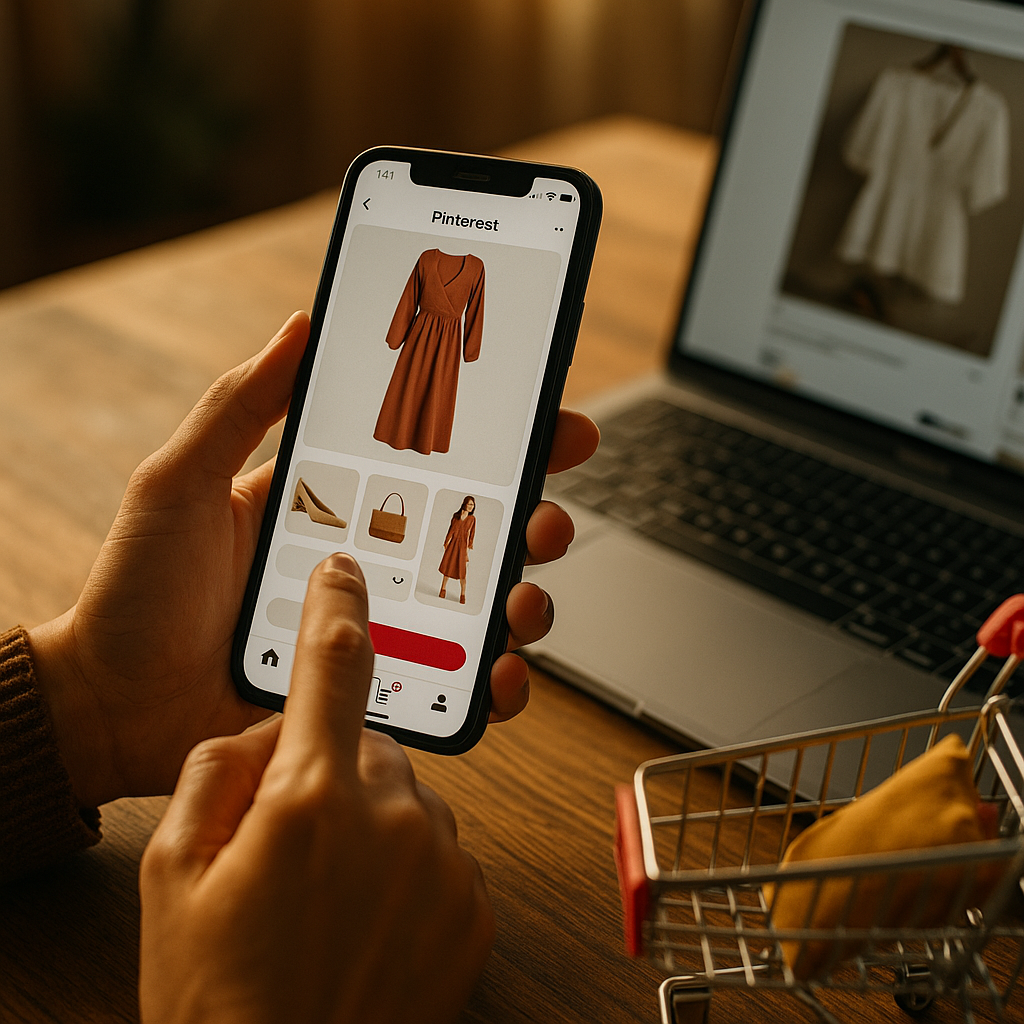
Pinterest just quietly became one of the highest-intent shopping platforms in the creator economy, and most brands still treat it like a mood board. Performance+ Ads is Pinterest’s answer to Meta’s Advantage+ and Google’s Performance Max: an automated, AI-driven campaign system built specifically for shoppable Pin content. If your team is still hand-bidding on keywords while competitors let machine learning do the heavy lifting, you’re leaving conversions on the table.
What Performance+ Actually Changes for Brands
Performance+ Ads consolidates Pinterest’s ad tools into a single automated suite: smart bidding, expanded targeting, and creative optimization that pulls from creator-made Pins rather than static product shots. Pinterest has publicly stated that advertisers using Performance+ campaigns see meaningful lifts in conversion rates and lower cost-per-action compared to manual campaign setups. That’s not marketing fluff. It reflects a broader shift where platforms are betting that algorithms outperform media buyers on bid optimization, while humans (specifically creators) still win on the creative side.
For brand strategists, this means the job splits into two lanes. Let the algorithm handle pacing, budget allocation, and audience expansion. Focus your team’s energy on sourcing and briefing creator content that gives the algorithm something worth optimizing. Feed it weak creative and even the smartest bidding engine can’t save the campaign.
Performance+ doesn’t reward more spend. It rewards better creative inputs, which means your creator sourcing strategy is now a bidding strategy in disguise.
Why Shoppable Pins Are Different From Other Creator Formats
Shoppable Pins aren’t a repackaged TikTok or Reels clip. Pinterest users arrive with purchase intent baked into the search behavior itself. Someone searching “small kitchen organization ideas” is closer to checkout than someone scrolling a For You page. That changes what a creator brief should look like.
- Prioritize static and short-form video Pins that show product-in-use context, not just aesthetic shots.
- Lean into search-driven captions that mirror how real users phrase queries, not brand-speak taglines.
- Use creators who already rank organically in your product category. Pinterest’s algorithm favors accounts with topical authority, similar to how engagement density now outranks follower count on other platforms.
This is also where a lot of brands stumble. They import creative built for Instagram or TikTok Shop and expect it to perform identically on Pinterest. It won’t. The platforms reward different signals, and Pinterest’s shopping graph behaves more like a visual search engine than a social feed.
Sourcing Creators Who Actually Fit the Format
Not every creator translates well to Pinterest. The best performers tend to come from home, DIY, fashion, food, and wellness niches, categories where Pinterest already dominates discovery. If your influencer roster skews heavily toward platforms built for entertainment-first content, you’ll need to either recruit new creators or retrain existing ones on Pinterest-native formats.
Consider a tiered sourcing approach: a handful of established creators for brand-safe hero content, paired with a wider bench of micro creators for volume and testing. This mirrors the onboarding logic brands use for micro influencer programs built for scale, where breadth of content matters as much as any single creator’s reach.
Building the Campaign Brief
A Performance+ campaign lives or dies on the quality and volume of creative assets you feed it. Pinterest’s own guidance recommends submitting multiple creative variants per product so the system can test combinations automatically. Practically, that means your creator briefs need to produce assets in bulk, not a single polished hero video.
- Request at least 3 to 5 creative variations per SKU or campaign theme.
- Mandate vertical formats optimized for both Pin feed and Idea Pin placements.
- Ask creators to include natural, keyword-rich descriptions in captions since Pinterest’s discovery engine is search-driven.
- Build in usage rights language upfront so the brand can repurpose top-performing Pins into paid placements without renegotiating.
That last point matters more than teams realize. Performance+ campaigns often surface winning creative that wasn’t originally flagged as the “hero” asset. If your contracts don’t already grant broad usage rights, you’ll be stuck re-licensing content mid-flight, which kills momentum right when the algorithm starts converging on a winner.
Budget Allocation and Bidding: What’s Actually Different
Performance+ campaigns use automated bid strategies that optimize toward conversion events rather than clicks or impressions. That’s a meaningful shift for brands used to manually adjusting CPCs. In practice, teams should shift from daily bid tweaking to weekly creative refreshes. The algorithm needs stable signals to learn; constantly changing bids or pausing campaigns resets that learning period and tanks efficiency.
Budget-wise, Pinterest recommends giving Performance+ campaigns enough spend to exit the learning phase, generally a minimum of 50 conversion events per week according to platform guidance similar to what Meta’s Advantage+ documentation recommends for its own automated systems. Under-fund the test phase and you’ll never see the algorithm’s real performance ceiling.
If you’re not hitting Pinterest’s minimum conversion threshold within the first two weeks, the problem usually isn’t the platform. It’s the creative volume feeding it.
Compliance Still Matters, Even on a Visual Search Engine
Shoppable creator content triggers the same disclosure obligations as any other paid partnership. The FTC’s endorsement guidelines apply regardless of platform, and Pinterest requires paid partnership tagging on branded Pins. Brands that skip this step risk both regulatory exposure and platform enforcement, since Pinterest has been tightening its own branded content policies as shoppable formats scale.
This is worth building into your creator onboarding checklist alongside the creative brief. It’s a smaller lift than the disclosure frameworks brands manage on YouTube, but the same principle applies: label early, label clearly, and don’t rely on creators to self-police. For teams already managing multi-platform disclosure workflows, it’s worth reviewing how branded content labels function as a compliance playbook elsewhere, since the underlying logic transfers directly to Pinterest’s paid partnership tools.
Where Performance+ Fits in a Broader Commerce Strategy
Pinterest shouldn’t operate in isolation. Brands running shoppable programs across TikTok Shop, Amazon Live, or Walmart’s affiliate network should treat Pinterest as another node in a cross-platform commerce media strategy, not a standalone channel. The creative discipline required for Performance+ (bulk variants, search-optimized captions, clear usage rights) overlaps heavily with what brands already do for TikTok Shop creator recruiting and Walmart’s affiliate creator program.
The advantage of running Pinterest alongside these channels is audience overlap without cannibalization. Someone Pinning a product for later research isn’t the same person completing a TikTok Shop live checkout impulse buy. They’re different stages of the same funnel, and Performance+’s automated bidding actually makes it easier to let Pinterest own the upper-to-mid funnel search intent while other platforms handle immediate conversion.
Data platforms like eMarketer have tracked steady growth in social commerce ad spend, and Pinterest’s shopping-first user base makes it a natural fit for brands trying to diversify away from Meta and TikTok dependency. Diversification isn’t just a risk mitigation talking point here. It’s operationally smart given how volatile CPMs have gotten on the bigger platforms.
Measuring What Actually Matters
Standard vanity metrics (impressions, saves, repins) don’t tell you whether Performance+ is working. Track conversion rate by creative variant, cost-per-acquisition against your category benchmark, and incremental lift versus a holdout audience if your budget supports it. Pinterest’s own reporting dashboard now surfaces creative-level performance breakdowns, which is a meaningful upgrade from earlier tools that lumped all Pins into aggregate campaign stats.
Set a 30-day review cadence. Pull the top three performing creative variants, brief your creators on what worked (product framing, caption style, video length), and refresh the underperforming 70% of assets. Performance+ rewards iteration speed. Static creative libraries decay fast on a platform this search-driven.
FAQs
Frequently Asked Questions
What is Pinterest’s Performance+ Ads suite?
Performance+ Ads is Pinterest’s automated advertising system that combines AI-driven bidding, expanded audience targeting, and creative optimization for shoppable Pin campaigns, similar in concept to Meta’s Advantage+ and Google’s Performance Max.
Do I need creator content specifically, or can I use product photography?
Performance+ performs best with a mix, but creator-made content that shows real product use tends to outperform static product photography because it matches the discovery intent of Pinterest users searching for ideas and solutions.
How much creative volume does a Performance+ campaign need?
Brands should aim for at least 3 to 5 creative variants per product or campaign theme to give the algorithm enough options to test and optimize against.
How long does it take for Performance+ campaigns to optimize?
Most campaigns need a minimum of 50 conversion events per week to exit the learning phase and reach stable performance, generally within the first two to three weeks.
Are shoppable Pins subject to FTC disclosure rules?
Yes. Paid creator partnerships on Pinterest require the same disclosure standards as any other platform under FTC endorsement guidelines, and Pinterest requires paid partnership tagging on branded Pins.
Should Pinterest be a standalone channel or part of a broader strategy?
Pinterest works best as one node in a cross-platform commerce strategy, complementing channels like TikTok Shop or Amazon Live rather than replacing them, since it typically captures earlier-funnel search intent.
Start small: pick one product category, brief five creators for bulk variant creation, and let Performance+ run uninterrupted for a full 30-day cycle before judging results. The brands winning on Pinterest right now aren’t spending more, they’re just feeding the algorithm better raw material.
Top Influencer Marketing Agencies
The leading agencies shaping influencer marketing in 2026
Agencies ranked by campaign performance, client diversity, platform expertise, proven ROI, industry recognition, and client satisfaction. Assessed through verified case studies, reviews, and industry consultations.
Moburst

-
2

The Shelf
Boutique Beauty & Lifestyle Influencer AgencyA data-driven boutique agency specializing exclusively in beauty, wellness, and lifestyle influencer campaigns on Instagram and TikTok. Best for brands already focused on the beauty/personal care space that need curated, aesthetic-driven content.Clients: Pepsi, The Honest Company, Hims, Elf Cosmetics, Pure LeafVisit The Shelf → -
3

Audiencly
Niche Gaming & Esports Influencer AgencyA specialized agency focused exclusively on gaming and esports creators on YouTube, Twitch, and TikTok. Ideal if your campaign is 100% gaming-focused — from game launches to hardware and esports events.Clients: Epic Games, NordVPN, Ubisoft, Wargaming, Tencent GamesVisit Audiencly → -
4

Viral Nation
Global Influencer Marketing & Talent AgencyA dual talent management and marketing agency with proprietary brand safety tools and a global creator network spanning nano-influencers to celebrities across all major platforms.Clients: Meta, Activision Blizzard, Energizer, Aston Martin, WalmartVisit Viral Nation → -
5

The Influencer Marketing Factory
TikTok, Instagram & YouTube CampaignsA full-service agency with strong TikTok expertise, offering end-to-end campaign management from influencer discovery through performance reporting with a focus on platform-native content.Clients: Google, Snapchat, Universal Music, Bumble, YelpVisit TIMF → -
6

NeoReach
Enterprise Analytics & Influencer CampaignsAn enterprise-focused agency combining managed campaigns with a powerful self-service data platform for influencer search, audience analytics, and attribution modeling.Clients: Amazon, Airbnb, Netflix, Honda, The New York TimesVisit NeoReach → -
7

Ubiquitous
Creator-First Marketing PlatformA tech-driven platform combining self-service tools with managed campaign options, emphasizing speed and scalability for brands managing multiple influencer relationships.Clients: Lyft, Disney, Target, American Eagle, NetflixVisit Ubiquitous → -
8

Obviously
Scalable Enterprise Influencer CampaignsA tech-enabled agency built for high-volume campaigns, coordinating hundreds of creators simultaneously with end-to-end logistics, content rights management, and product seeding.Clients: Google, Ulta Beauty, Converse, AmazonVisit Obviously →