


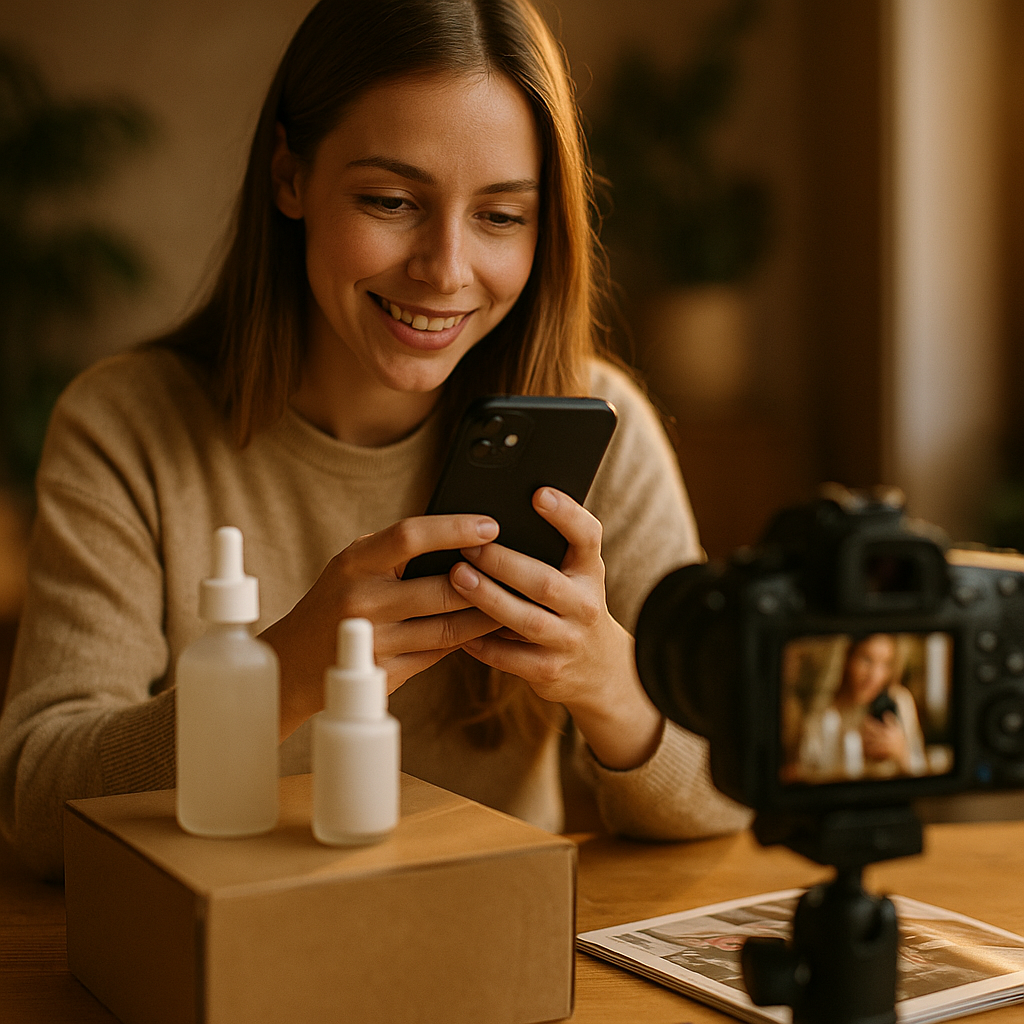
In today’s crowded e-commerce landscape, knowing how to achieve profitability is every D2C brand’s ambition. In this case study, we’ll explore how a fast-growing direct-to-consumer (D2C) startup cracked the code by leveraging “nano-influencers.” Discover how this lesser-known strategy transformed their bottom line—and how it could work for your brand.
Understanding the Rise of Nano-Influencers in D2C Growth Strategies
As marketing costs climb and consumers grow wary of traditional ads, D2C brands are forced to rethink their playbooks. Nano-influencers—individuals with between 1,000 and 10,000 highly engaged social media followers—have emerged as a powerful alternative to celebrity endorsements or macro-influencers. In 2025, numerous brands are reallocating budgets toward nano-influencer strategies to reach real audiences in authentic ways.
Recent research (Influencer Marketing Hub, January 2025) found that nano-influencers deliver up to 60% higher engagement rates than their macro counterparts. Their audiences trust them; brands get access to niche communities. This made them an attractive solution for our featured D2C brand, “GenGlow Skincare,” as it sought targeted growth and lower acquisition costs.
How GenGlow Skincare Identified the Right Nano-Influencers
Not every nano-influencer is right for every product. GenGlow Skincare invested time in understanding their ideal customer profile: Gen Z and millennial women seeking affordable, eco-friendly skincare solutions. The brand used AI-driven influencer discovery tools to:
- Analyze micro-communities discussing skincare trends.
- Score potential influencers for engagement, authenticity, and audience overlap.
- Vet for content quality, resonance, and alignment with GenGlow’s brand values.
Through this data-led process, GenGlow identified over 120 nano-influencers whose audiences mirrored their target base—people ready to try, purchase, and recommend their products.
Executing the Nano-Influencer Activation To Drive Profitability
GenGlow’s campaign centered on authenticity, not polished ads. They shipped sample bundles to selected nano-influencers, encouraging them to share honest reviews and tutorials. Instead of prescriptive scripts, nano-influencers received creative freedom. GenGlow tracked performance metrics rigorously:
- Custom discount codes and affiliate links for end-to-end attribution.
- UTM tracking for influencer-generated content.
- Weekly performance reviews to re-engage top-performers.
This low-cost approach led to a significant revenue lift. By Q1 2025, 73% of GenGlow’s first-time customers cited influencer content as a key reason for purchase, and the campaign’s cost-per-acquisition dropped by 31% compared to Meta and Google Ads.
Measuring Impact: Customer Acquisition, Retention, and ROI
An EEAT-aligned case study requires clear proof and robust data. Here’s how GenGlow measured success across key metrics:
- Customer Acquisition: The average influencer post yielded a 7% click-through rate, with higher conversion rates for personalized video content.
- Retention: Nano-influencers fostered genuine brand love. Buyers who arrived via influencer codes had a 26% higher repeat purchase rate within the first 90 days.
- Return on Investment (ROI): For every $1 spent, GenGlow recorded $7.30 in attributable sales, outperforming other paid channels.
Transparent reporting and UGC (user-generated content) analysis empowered GenGlow to continuously optimize their nano-influencer collaborations. By Q2 2025, the brand moved from break-even to clear monthly profitability.
Lessons Learned: Building Trust and Brand Authority with Nano-Influencers
What fueled GenGlow’s success wasn’t sheer scale—it was trust and community. Key takeaways for other D2C brands include:
- Prioritize genuine relationships over one-off sponsorships. Influencers who truly care about your mission become vocal advocates over time.
- Empower influencers to create unique, personal content. Audiences can spot inauthentic endorsements instantly in 2025’s crowded social media landscape.
- Track everything, but don’t sacrifice creativity for rigid control.
- Use influencer feedback to inform product development and customer service improvements.
Through transparent, mutually beneficial partnerships, GenGlow earned not only sales but also brand authority in a skeptical market.
How Your D2C Brand Can Succeed with Nano-Influencer Marketing
Ready to follow in GenGlow’s footsteps? Here’s a step-by-step blueprint tailored for 2025 conditions:
- Define your ideal buyer and target platforms (Instagram, TikTok, YouTube Shorts).
- Leverage AI influencer matchmaking tools to curate your outreach list.
- Personalize every pitch—reference each influencer’s content and audience.
- Grant creative freedom—outline desired outcomes, not rigid scripts.
- Monitor key metrics: clicks, conversions, retention, and ROI. Iterate monthly.
- Foster long-term relationships for compounding trust and sales impact.
With ad costs projected to rise further in 2025, nano-influencer partnerships offer a cost-effective, credible path to D2C growth and profitability—if executed with transparency and rigor.
FAQ: Nano-Influencer Marketing for D2C Brands
-
What is a nano-influencer?
A nano-influencer typically has between 1,000 and 10,000 engaged followers and often creates content in niche communities. Their authenticity tends to drive higher engagement and trust compared to larger influencers.
-
How do D2C brands find the right nano-influencers in 2025?
Brands use AI-powered discovery platforms, analyze engagement rates, and vet for values and content resonance with their target audience before outreach.
-
Is nano-influencer marketing more cost-effective than ads?
Yes. Recent data in 2025 show brands reducing cost-per-acquisition by 25-40% with nano-influencers versus paid ads, as long as campaigns are tracked and optimized.
-
Can nano-influencers help with customer retention?
Absolutely. Genuine recommendations foster repeat purchases, build community trust, and create long-term fans, which is critical for D2C brands’ profitability.
-
What are the risks of using nano-influencers?
Poor vetting can lead to misaligned messaging or low-quality content. D2C brands should always review past posts and set clear, mutually agreed expectations.
In summary, GenGlow’s experience shows that nano-influencer marketing, when approached strategically, can drive both profitability and brand advocacy. For D2C brands seeking sustainable, scalable growth in 2025, building authentic partnerships with nano-influencers might just be the winning move.
Top Influencer Marketing Agencies
The leading agencies shaping influencer marketing in 2026
Agencies ranked by campaign performance, client diversity, platform expertise, proven ROI, industry recognition, and client satisfaction. Assessed through verified case studies, reviews, and industry consultations.
Moburst

-
2

The Shelf
Boutique Beauty & Lifestyle Influencer AgencyA data-driven boutique agency specializing exclusively in beauty, wellness, and lifestyle influencer campaigns on Instagram and TikTok. Best for brands already focused on the beauty/personal care space that need curated, aesthetic-driven content.Clients: Pepsi, The Honest Company, Hims, Elf Cosmetics, Pure LeafVisit The Shelf → -
3

Audiencly
Niche Gaming & Esports Influencer AgencyA specialized agency focused exclusively on gaming and esports creators on YouTube, Twitch, and TikTok. Ideal if your campaign is 100% gaming-focused — from game launches to hardware and esports events.Clients: Epic Games, NordVPN, Ubisoft, Wargaming, Tencent GamesVisit Audiencly → -
4

Viral Nation
Global Influencer Marketing & Talent AgencyA dual talent management and marketing agency with proprietary brand safety tools and a global creator network spanning nano-influencers to celebrities across all major platforms.Clients: Meta, Activision Blizzard, Energizer, Aston Martin, WalmartVisit Viral Nation → -
5

The Influencer Marketing Factory
TikTok, Instagram & YouTube CampaignsA full-service agency with strong TikTok expertise, offering end-to-end campaign management from influencer discovery through performance reporting with a focus on platform-native content.Clients: Google, Snapchat, Universal Music, Bumble, YelpVisit TIMF → -
6

NeoReach
Enterprise Analytics & Influencer CampaignsAn enterprise-focused agency combining managed campaigns with a powerful self-service data platform for influencer search, audience analytics, and attribution modeling.Clients: Amazon, Airbnb, Netflix, Honda, The New York TimesVisit NeoReach → -
7

Ubiquitous
Creator-First Marketing PlatformA tech-driven platform combining self-service tools with managed campaign options, emphasizing speed and scalability for brands managing multiple influencer relationships.Clients: Lyft, Disney, Target, American Eagle, NetflixVisit Ubiquitous → -
8

Obviously
Scalable Enterprise Influencer CampaignsA tech-enabled agency built for high-volume campaigns, coordinating hundreds of creators simultaneously with end-to-end logistics, content rights management, and product seeding.Clients: Google, Ulta Beauty, Converse, AmazonVisit Obviously →